Quotes: Dieter Rencken
Welcome to your daily dose of Formula 1 insights, where we delve into the latest happenings, significant statements, and crucial developments across the motorsport world. Today’s round-up brings a heated exchange between two prominent F1 figures, important testing announcements, and critical discussions around race safety and technical innovations. From team principals defending their drivers to the broader implications of aggressive racing, we cover the stories that are shaping the discourse in the paddock and among fans.
Steiner Defends Magnussen Amidst Gasly’s “Dangerous Driver” Claim
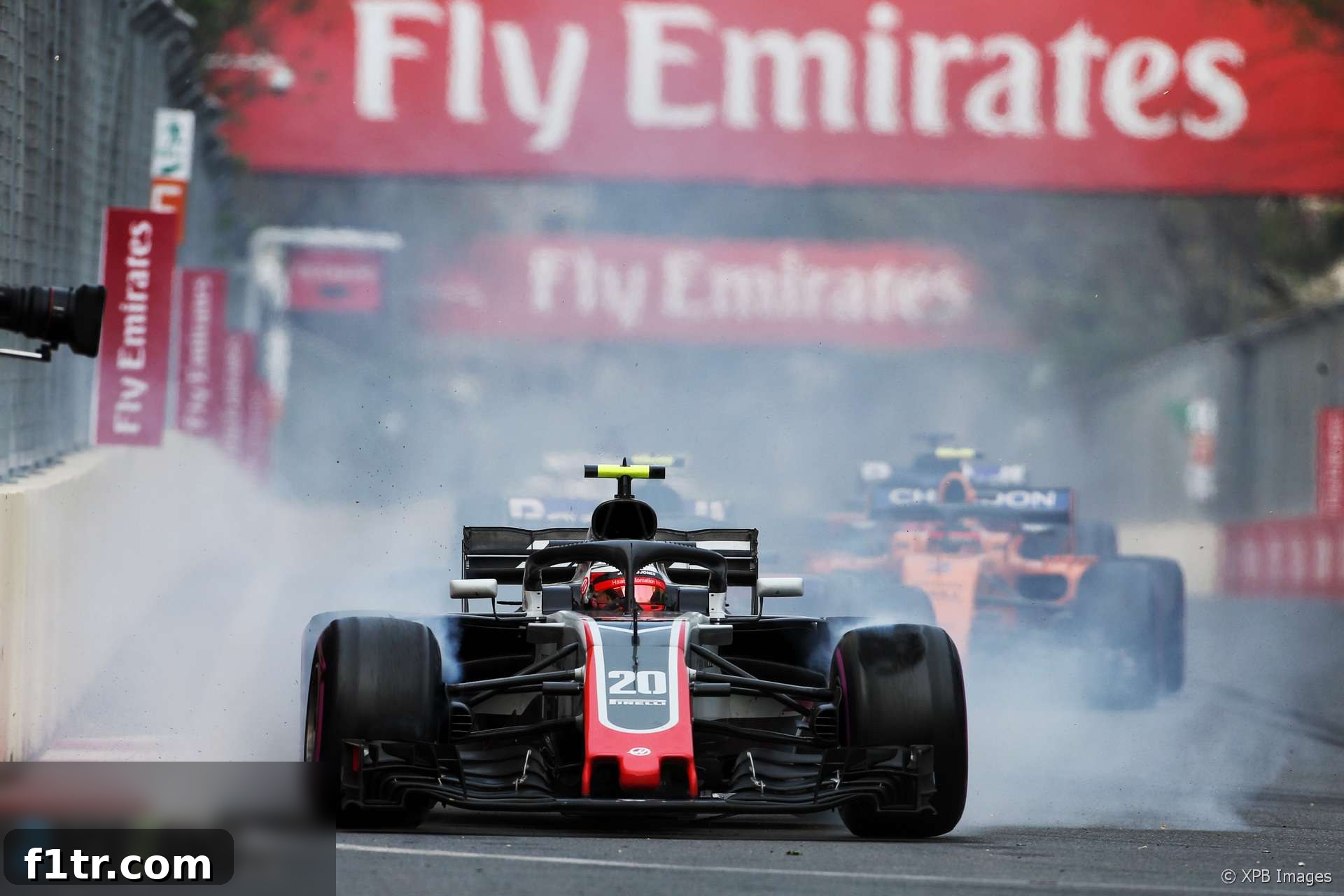
In a candid discussion, Haas team principal Guenther Steiner came to the staunch defence of his driver, Kevin Magnussen, following sharp criticism from Toro Rosso’s Pierre Gasly. The comments arose in the aftermath of a contentious collision between the two drivers during the recent Azerbaijan Grand Prix in Baku, an event that sparked considerable debate regarding driving standards and on-track etiquette.
When informed that Gasly had publicly branded Magnussen as “the most dangerous driver I ever raced against,” a statement that undoubtedly carries significant weight in the competitive world of Formula 1, Steiner’s response was characteristically blunt and dismissive. He immediately drew parallels to an earlier incident, quipping, “That’s what he called Hartley, his team mate [on Saturday] so there’s nothing changed there.” This retort implicitly suggests a pattern in Gasly’s remarks, aiming to diminish the impact of his accusation against Magnussen by highlighting similar past criticisms of his own teammate, Brendon Hartley.
Steiner’s defence didn’t stop there. He went on to offer a piece of advice directed at Gasly, underlining the rookie’s relative inexperience in the top tier of motorsport. “But sometimes you need to think for yourself as well. He’s pretty new here, we’ll wait until he makes mistakes,” Steiner added. This statement serves multiple purposes: it reminds Gasly of his own burgeoning career in F1, subtly implies that all drivers, especially those new to the series, are prone to errors, and shifts the narrative from Magnussen’s actions to Gasly’s perspective and potential future missteps. It’s a classic team principal move – fiercely protecting one’s own driver while subtly undermining the credibility of the accuser.
The Baku collision itself was a high-stakes moment in a race already filled with drama. Incidents like these often lead to accusations and counter-accusations, highlighting the fine line drivers walk between aggressive, competitive racing and actions deemed overly dangerous. Magnussen has, at times, faced scrutiny for his assertive driving style, which his supporters commend as uncompromising and his critics label as reckless. Steiner, however, consistently backs his driver, often framing Magnussen’s approach as a necessary part of battling in the midfield and maximizing the car’s potential. This ongoing tension between drivers and teams regarding racing conduct remains a captivating aspect of Formula 1, constantly pushing the boundaries of what is considered acceptable on the track.
Ultimately, Steiner’s robust defence underscores the competitive spirit and fierce loyalty within Formula 1 teams. While Gasly’s strong words reflect the frustration of a driver feeling aggrieved, Steiner’s swift and sharp reply ensures that the narrative around Magnussen remains one of a competitive racer, fully supported by his team. As the season progresses, all eyes will be on both drivers to see how their paths intersect again and whether this verbal sparring evolves into further on-track rivalry.
Advert | Become a RaceFans supporter and go ad-free
Social Media Buzz: Test Line-ups, Driver Excitement, and Technical Insights
The world of Formula 1 is not just about the races; it’s also a vibrant ecosystem of testing, driver development, and ongoing technical evolution, all extensively covered and debated across social media. Here’s a snapshot of some notable posts from Twitter and Instagram that captured attention recently, offering glimpses into team strategies, driver aspirations, and expert opinions.
🔔 BARCELONA TEST – DRIVER LINE-UP 🔔
Day One (Tuesday 15 May): Oliver Rowland 🇬🇧
Day Two (Wednesday 16 May): Robert Kubica 🇵🇱#WeAreRacing #F1 pic.twitter.com/pCp3UbOBRh
— Williams Racing (@WilliamsRacing) May 1, 2018
Williams Racing announced their driver line-up for the upcoming Barcelona test, generating significant interest. On Day One, British driver Oliver Rowland took to the track, offering him valuable mileage and an opportunity to showcase his capabilities in an F1 car. Day Two saw the highly anticipated return of Robert Kubica, whose ongoing journey back to competitive F1 driving captured the imagination of fans worldwide. These test sessions are crucial for teams to evaluate new components, collect data, and assess potential future talent, making Williams’ choices particularly noteworthy given Kubica’s unique comeback story and Rowland’s aspirations.
Brilliant lineup for the BCN test – @NicholasLatifi 🇨🇦 makes his debut in the VJM11 after his Baku podium, @NMazepin 🇷🇺 returns after his outing for the team in winter testing and we welcome back @GeorgeRussell63 🇬🇧 in one of our Pink Panthers!
It’s a growing #SFIFamily! pic.twitter.com/vVtSDZQJET
— Aston Martin Aramco F1 Team (@AstonMartinF1) May 1, 2018
Similarly, the then-Force India team (now Aston Martin Aramco F1 Team) unveiled an equally exciting driver roster for their Barcelona test. Nicholas Latifi, fresh off a podium finish in Baku, made his debut in the VJM11, signalling his promising trajectory. Nikita Mazepin returned to the cockpit after his winter testing outing, demonstrating the team’s continued interest in his development. And perhaps most significantly, George Russell, a highly-touted young British talent, was welcomed back into one of their ‘Pink Panthers’. These opportunities are invaluable for junior drivers to gain F1 experience and for teams to nurture the next generation of racing stars, often hinting at potential F1 berths in the coming seasons.
Tomorrow will be a huge day of my life!
I will be racing against @Max33Verstappen in a Hungarian MotorSport event! 😮😮😮
@Formula1game @BoxutcaF1 #NagyFutam pic.twitter.com/tqimpDR6Z6— Veloce_FormulaDani (@FormulaDani) April 30, 2018
Beyond official tests, the enthusiasm for motorsport shines through individual experiences. Veloce_FormulaDani expressed immense excitement about competing against F1 superstar Max Verstappen in a Hungarian motorsport event. Such interactions, whether virtual or real, highlight the aspirational nature of the sport and the dream of many to one day share a track with their heroes. It’s a testament to the broad appeal of F1 and its stars.
In all the years I’ve watched F1, I’m still amazed that a series that develops complex technical rules & prototype cars as part of its core USP. That the sport itself, teams, broadcasters & publishers have done so little to explain its technical side.
— Craig Scarborough (@ScarbsTech) May 1, 2018
Finally, F1 technical expert Craig Scarborough (ScarbsTech) raised a pertinent point about the sport’s communication strategy. He voiced his amazement that a series built on complex technical rules and prototype car development often fails to adequately explain its technical side to the wider audience. This observation sparks a critical discussion about how F1, its teams, and media outlets can better engage fans by demystifying the intricate engineering marvels that underpin the sport, enhancing appreciation for its innovative core without alienating casual viewers. Better technical explanations could significantly deepen fan engagement and understanding, leveraging one of F1’s most unique selling points.
- Find more official F1 accounts to follow in the F1 Twitter Directory
Snapshot: Max Verstappen Dazzles in Budapest Demo
Red Bull Racing’s star driver, Max Verstappen, delighted thousands of fans yesterday with an exhilarating demonstration run through the streets of Budapest. These highly popular demo events are a fantastic way for Formula 1 teams to connect directly with a wider audience, bringing the thrilling spectacle of Grand Prix racing to city centres far beyond the traditional racetrack settings. Verstappen, known for his aggressive style and immense popularity, particularly among younger fans, provided an unforgettable experience for onlookers.
Driving a specially prepared Red Bull F1 car, Verstappen showcased the incredible speed, noise, and agility of Formula 1 machinery against the iconic backdrop of the Hungarian capital. Such events are meticulously planned to ensure safety while maximizing the visual and auditory impact for spectators. For Red Bull, these demo runs are also a strategic marketing tool, reinforcing their brand image as a dynamic and exciting force in motorsport. They allow fans who might not attend a Grand Prix to witness F1 up close, creating memorable moments and fostering greater engagement with the sport. Verstappen’s participation ensures maximum impact, drawing huge crowds and extensive media coverage, cementing F1’s presence in key markets and reminding everyone of the sheer power and excitement of these incredible racing machines.
Further Insights: Exploring Key Developments Across Motorsport
Beyond the immediate F1 headlines, the broader motorsport landscape is always buzzing with important developments, technical innovations, and strategic shifts. Here, we highlight a selection of interesting articles that provide deeper insights into different facets of racing, from IndyCar’s future chassis plans to Mercedes’ ongoing quest for performance and a young F2 talent’s race diary.
Advert | Become a Supporter & go ad-free
IndyCar deciding on new chassis timeline (Racer)
Racer.com reports on crucial discussions within IndyCar regarding the timeline for introducing a new chassis. This decision is pivotal for the series’ future, impacting everything from competitive balance to team costs and manufacturer interest. The article suggests that IndyCar is keenly observing the approach taken by the FIA World Endurance Championship (WEC) with its LMP2 formula in 2017. The WEC’s model, which involved multiple chassis suppliers building cars under stringent design guidelines, has “piqued IndyCar’s interest.” This strategy aims to control costs, ensure performance parity, and attract a wider range of suppliers, potentially offering a sustainable blueprint for IndyCar’s next generation of racing machines and ensuring the series remains competitive and appealing to both teams and fans.
The innovation Mercedes hope will tame their ‘diva’ (F1)
Formula1.com delves into an intriguing technical innovation from Mercedes, designed to address the challenging characteristics of their “diva” car. The article highlights the introduction of “offset extra rockers” – a unique solution not yet seen on competitor cars. These innovative components are connected to the conventional rockers, allowing the entire suspension assembly a significantly greater range of spring stiffness. This flexibility is critical for fine-tuning the car’s setup, enabling engineers to optimize performance across various tracks and conditions. Crucially, this design also ensures the rocker assembly remains neatly tucked within the bodywork, preventing any adverse aerodynamic disruption. This intricate engineering showcases Mercedes’ relentless pursuit of perfection and their continuous efforts to extract every ounce of performance, even from a car as dominant yet complex as theirs.
Norris’ F2 diary: Azerbaijan (Sky)
Sky Sports provides a personal account from Lando Norris, charting his experiences in the F2 Azerbaijan Grand Prix. Norris reflects on a challenging start to his Feature Race, where the clutch “instantly bit and the car stalled at the green light for the installation lap,” forcing him to start from the pit-lane at the very back of the field. Despite this significant setback, Norris managed an impressive recovery, ultimately securing “Sixth place in the Feature Race.” His diary entry offers a candid look into the pressures and demands of F2 racing, demonstrating his resilience and skill in battling through the field from an unenviable starting position. Such first-hand accounts provide valuable insight into the mental fortitude and driving talent required to succeed in the fiercely competitive feeder series.
We always endeavour to credit original sources. If you have a tip for a link to feature in the next RaceFans round-up please send it in here:
- Contact RaceFans
Advert | Become a RaceFans supporter andgo ad-free
Comment of the Day: The Azerbaijan Grand Prix Red Flag Debate and F1 Safety
The aftermath of the Azerbaijan Grand Prix sparked a significant debate among fans and pundits alike, centring on the contentious decision regarding race management in the closing stages. A particular point of contention was whether a red flag should have been deployed, especially following a high-profile incident involving Romain Grosjean and the subsequent presence of marshals and recovery vehicles on the track.
Today’s featured comment from our community, shared by @CaptainPie, perfectly encapsulates the sentiment of many viewers: “I completely agree with Stroll on this. I was shouting at the TV for a red flag, especially after Grosjean crashing and with the truck and marshals everywhere.” The intensity of the situation, with a compromised vehicle on track and personnel in a vulnerable position, clearly raised alarms. The commenter further elaborates, “I was having images of Bianchi and couldn’t watch every time they drove near it. I sometimes wonder if the FIA have learnt anything from recent years, or if they are happy to trust the Halo will protect as needed.” This poignant reflection directly references the tragic accident of Jules Bianchi, a stark reminder of the potential consequences of on-track hazards and the paramount importance of safety protocols in Formula 1.
The introduction of the Halo cockpit protection device has undeniably enhanced driver safety. However, @CaptainPie astutely points out a crucial limitation: “Halos don’t protect marshals though. Very disappointed with how it was managed.” This highlights a broader concern that while driver protection has seen immense advancements, the safety of marshals and trackside personnel, who are integral to the running of any race, must remain an absolute priority. The debate over red flags versus safety cars in such scenarios is always complex, balancing the desire for competitive racing with the overriding need to ensure everyone’s safety. The FIA’s race control decisions are under constant scrutiny, and incidents like those in Baku serve as critical reminders for continuous evaluation and improvement of safety procedures, ensuring that lessons from the past are truly learned and applied.
From the Forum: The Ultimate F1 Race Experience
- Our vibrant RaceFans forum is a hub for passionate discussions, and one recent thread has captured the imagination of many: Which is the best F1 race to visit if you want to view from multiple locations during the weekend? This engaging topic invites fans to share their experiences and recommendations for Grand Prix circuits that offer the most diverse and rewarding viewing opportunities. From strategic vantage points that reveal different aspects of a car’s performance to those that provide a thrilling atmosphere, the community’s insights are invaluable for anyone planning their ultimate F1 pilgrimage. It’s a testament to the interactive and knowledge-sharing spirit of our community, helping fellow enthusiasts make the most of their F1 experiences.
Happy Birthday!
A very special shout-out and warm wishes go out to Adam Kibbey today! We hope you have a fantastic birthday filled with joy and celebration. Community birthdays are a wonderful way to connect and acknowledge our dedicated RaceFans readers. We love celebrating with our community members, making every reader feel part of our extended motorsport family.
If you’d like to receive a birthday shout-out in a future round-up, please don’t hesitate to let us know your birth date via the contact form. Alternatively, you can contribute to our growing list of birthdays by adding your details here. Join our tradition of celebrating the milestones of our passionate readers!
On This Day in F1 History: Fisichella’s Early Triumph
- On this day, 25 years ago, the highly respected Italian driver Giancarlo Fisichella secured a notable victory in round three of the Italian F3 Championship at Enna. This early triumph marked a significant milestone in Fisichella’s burgeoning career, showcasing the raw talent and potential that would eventually propel him to the pinnacle of motorsport in Formula 1. Italian F3 was, and remains, a fiercely competitive proving ground for future F1 stars, and a victory at this level underscores a driver’s capability and ambition. Fisichella went on to achieve multiple Grand Prix victories and a respected career in F1, making this early win at Enna a key stepping stone in his journey. It serves as a reminder of the foundational series where legends are forged and future champions first make their mark, highlighting the rich history and development pathways within the sport.