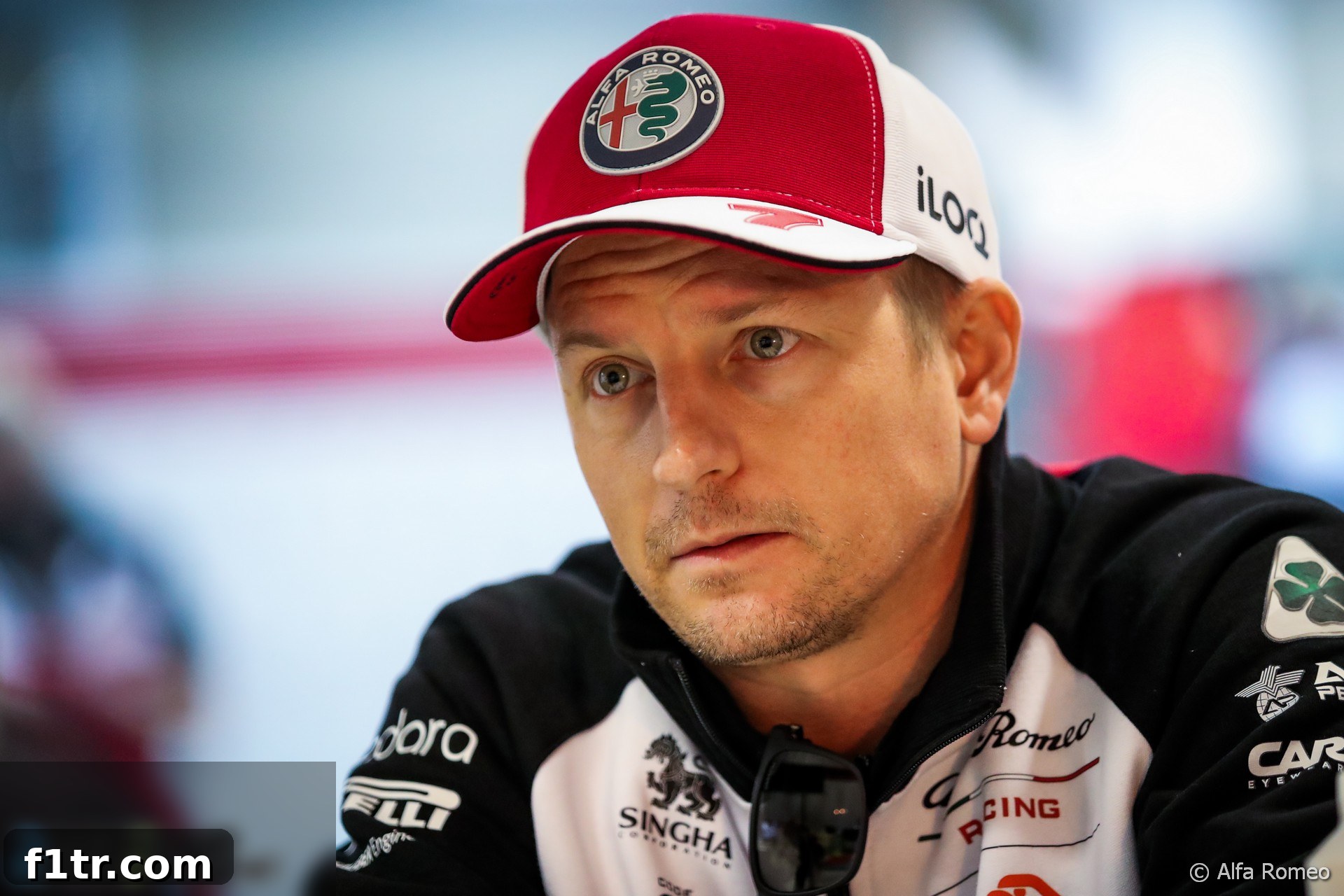
Kimi Raikkonen’s Farewell Season: A Deep Dive into the Iceman’s 2021 Formula 1 Campaign
In a sport often defined by its youthful exuberance and relentless pursuit of performance, Kimi Raikkonen stood as an enduring icon. His 19th and final season in Formula 1, a career that spanned two decades and delivered a coveted World Championship, was always destined to be a poignant affair. While glimpses of the ‘Iceman’s’ unparalleled talent were still visible, his 2021 campaign with Alfa Romeo Racing Orlen presented a complex narrative, marked by both trademark brilliance and the inevitable struggles that come with a less competitive machine at the twilight of a legendary career.
Kimi Raikkonen |
|
|---|---|
| Beat team mate in qualifying | 6/19 |
| Beat team mate in race | 10/18 |
| Races finished | 18/20 |
| Laps spent ahead of team mate | 658/1057 |
| Qualifying margin | +0.17s |
| Points | 10 |
The Numbers Behind the Iceman’s Final Bow: 2021 Season Statistics
A closer look at Kimi Raikkonen’s 2021 statistics reveals the stark realities of his final season and the inherent challenges posed by the Alfa Romeo C41 chassis. While his raw points tally of just 10 might suggest a subdued performance, a deeper dive into the numbers painted a more nuanced picture of a driver still capable of flashes of brilliance. He managed to beat his young teammate, Antonio Giovinazzi, in 10 out of 18 completed races, demonstrating that his fundamental race craft remained formidable. Crucially, Raikkonen also spent a significant 658 out of 1057 laps ahead of his teammate, underlining his persistent on-track presence and ability to maintain position.
However, the qualifying battle proved to be Raikkonen’s Achilles’ heel, as he was out-qualified by Giovinazzi in 13 of 19 Grand Prix weekends. This substantial qualifying margin, averaging +0.17 seconds slower than his teammate, was a consistent theme throughout the season. This deficit on Saturdays placed Kimi at a severe disadvantage, forcing him to fight through the field from less optimal grid positions in a car that, at its absolute best, hovered around the eighth-quickest on the grid. His renowned rock-solid race pace and dependably superb starts, which saw him gain an average of more than two positions per race, became indispensable tools for damage limitation and opportunistic point-scoring.
Moments of Magic: Raikkonen’s Standout Performances in 2021
Despite the qualifying struggles, Raikkonen’s renowned race craft shone through at various points during the season, reminding fans why he earned the moniker ‘Iceman.’ The early part of his campaign was challenging, with the Finn yet to score points five races in. However, the Azerbaijan Grand Prix in Baku provided a pivotal moment. Capitalizing brilliantly on a mid-race Safety Car period, Raikkonen executed a masterclass in race management, sensationally passing the Mercedes of Valtteri Bottas – a rare feat for an Alfa Romeo driver – and holding him off until the checkered flag to secure a valuable point.
Another point followed in Hungary, though it came with its share of drama. Raikkonen tangled with Haas driver Nikita Mazepin in the pits, an incident prompted by Alfa Romeo releasing him too hastily. Such moments often elicited Raikkonen’s characteristically blunt radio criticisms, a trait that endeared him to fans, exemplified by his candid remarks about a misbehaving drinks system later in the year. His directness, often perceived as indifference, was in fact a deep-seated desire for operational perfection.
A temporary setback occurred after the summer break when Raikkonen tested positive for Covid-19, forcing him to miss two races. Yet, upon his return, he demonstrated some of his finest form of the season. The Russian Grand Prix at Sochi was a prime example: he not only out-qualified Giovinazzi but also masterfully judged the switch to intermediate tyres during a late-race downpour, snatching an impressive eighth place. This performance underscored his enduring ability to read race conditions and execute critical strategic decisions under pressure. A potential top-10 finish at a damp Istanbul was unfortunately thwarted by his teammate Antonio Giovinazzi’s unwillingness to cooperate when asked to let Raikkonen pass, ultimately denying both drivers a chance to overtake the struggling Esteban Ocon on the final lap.
Raikkonen continued his resurgence with another eighth-place finish in Mexico. This result came after another commendable qualifying effort, albeit followed by a somewhat compromised start that forced him to re-pass George Russell. These performances in the latter half of the season highlighted his competitive spirit and unwavering determination, even when faced with the knowledge that his Formula 1 career was rapidly drawing to a close.
Navigating Obstacles: Car Performance, Incidents, and Team Dynamics
Beyond these peaks, the remainder of the season often highlighted the limitations of the Alfa Romeo C41. The car, while occasionally capable of fighting for the lower points positions, was generally not quick enough to consistently challenge for top-ten finishes. This inherent performance deficit meant that even small errors, whether by the team or the driver, carried significant consequences, often costing valuable points opportunities.
Raikkonen’s final season was not without its share of notable on-track incidents. A collision with his former Ferrari teammate Sebastian Vettel at the end of the Austrian Grand Prix raised eyebrows, as did a subsequent tangle with Vettel in Jeddah. Perhaps the most peculiar incident occurred in Portugal, where he had a bizarre collision with his own teammate, Antonio Giovinazzi. This specific moment was famously followed by a candid observation from Raikkonen’s son, reminding his father: “You always told me to look forward,” a humorous reflection on the unexpected nature of racing incidents.
These incidents, while rare for a driver of Raikkonen’s experience, hinted at the relentless pressure and often chaotic nature of mid-field racing. They also sometimes overshadowed the quiet consistency he otherwise delivered. The C41 struggled with raw pace and consistency across different tracks, making it incredibly difficult for either driver to extract peak performance every weekend. This context is vital when evaluating Raikkonen’s season; even a driver of his caliber could only push the machinery so far.
The Enduring Legacy of the Iceman: Longevity, Style, and Farewell
Kimi Raikkonen holds the distinguished record for the most Formula 1 race starts, a testament to his remarkable longevity and enduring passion for the sport. Many drivers with careers of comparable lengths have, arguably, lingered past their prime. However, this sentiment doesn’t fully apply to Raikkonen. While his absolute pace and consistency might have dulled slightly compared to his championship-winning years, his raw racing instinct and uncompromising commitment remained intact until the very end.
By the time he finally hung up his helmet, there were indeed observable weaknesses in his game, particularly concerning qualifying performance. Yet, his core strength – his race pace and tire management – remained a formidable asset. This divergence between his Saturday and Sunday performances left Alfa Romeo with a significant conundrum. The team must reflect on Raikkonen’s superb race performances and Giovinazzi’s stronger qualifying record and recognize the potential that combining the best attributes of both drivers could have unlocked. Had they been able to harness such a synergy, the C41 might have secured many more points finishes, potentially even enough to challenge Williams for eighth place in the Constructors’ Championship.
Raikkonen’s departure marked the end of an era. Known affectionately as the ‘Iceman’ for his cool demeanor and terse, often humorous, radio communications, he carved out a unique place in the hearts of F1 fans. His straightforward approach, his disinterest in the political machinations of the sport, and his unbridled love for racing itself made him a refreshing anomaly. He raced purely for the thrill, and that authenticity resonated deeply. His final season, while not laden with victories, was a fitting swansong for a driver who embodied the spirit of Formula 1 with an unwavering intensity and understated charm.
Reflecting on Kimi Raikkonen’s Final Chapter
Kimi Raikkonen’s 2021 season was a microcosm of his later career: flashes of the old brilliance, coupled with the inevitable challenges of age and machinery. It was not the championship-contending performance of his youth, but it was a testament to his enduring skill, resilience, and unique character. As the paddock bids farewell to one of its true originals, his place in Formula 1 history is cemented, not just for his championship, but for his iconic personality and the sheer joy he brought to millions of fans.
Advert | Become a RaceFans supporter andgo ad-free
Go ad-free for just £1 per month>> Find out more and sign up
What’s your verdict on Kimi Raikkonen’s 2021 season? Which drivers do you feel he performed better or worse than? Share your thoughts and join the discussion in the comments section below.
2021 F1 Season Review: Dive Deeper
- 2021 F1 driver rankings #1: Max Verstappen
- 2021 F1 driver rankings #2: Lewis Hamilton
- 2021 F1 driver rankings #3: Lando Norris
- 2021 F1 driver rankings #4: Charles Leclerc
- 2021 F1 driver rankings #5: Carlos Sainz Jnr
Browse all 2021 F1 season review articles