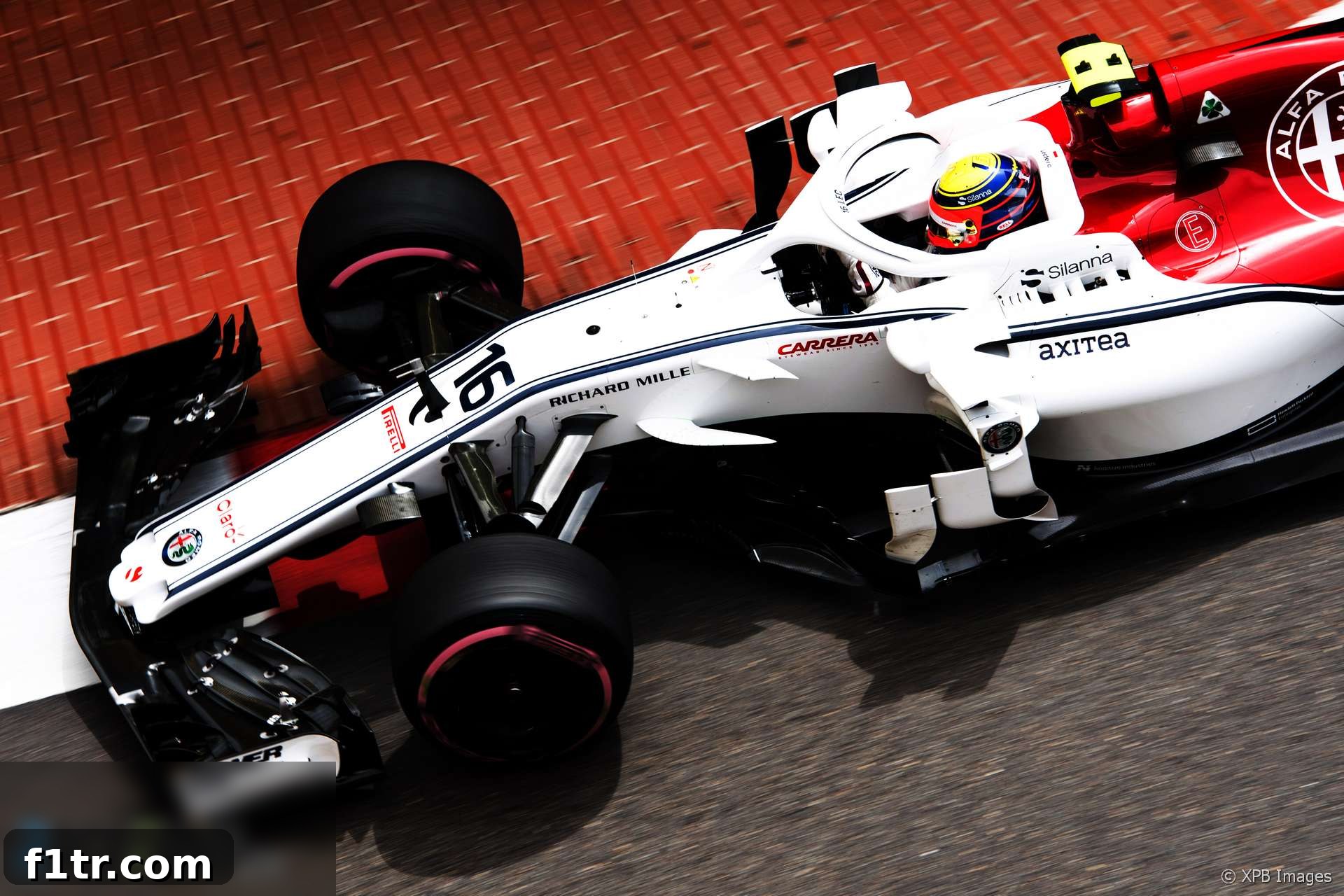
In the vibrant heart of the French Riviera, the Monaco Grand Prix stands as the jewel in Formula 1’s crown. For Monegasque native Charles Leclerc, racing on his home streets carries a unique blend of immense pride, unparalleled support, and the stark realities of top-tier motorsport. In 2018, as a rookie driving for Sauber, Leclerc found himself at the epicentre of this intoxicating mix, experiencing the overwhelming love of his city while also confronting the misconceptions of new fans unfamiliar with the sport’s intricate dynamics.
A Monegasque Dream: Charles Leclerc’s Special Home Race in Monaco
The Monaco Grand Prix is an event unlike any other, demanding precision, courage, and an intimate understanding of its legendary streets. For Charles Leclerc, this race was more than just another round on the calendar; it was a deeply personal homecoming. As the first home-grown driver to compete in Monaco in 24 years, the weight of expectation and the outpouring of local enthusiasm were palpable. Leclerc himself noted the incredible atmosphere, stating, “A lot of people were pushing me and that was great.” The roar of the crowd, the fervent cheers from balconies, and the constant encouragement from every corner of the principality created an electric atmosphere that only a home hero could inspire.
This unprecedented wave of support was a testament to Leclerc’s burgeoning talent and the profound connection he shared with his community. Every corner, every straight, resonated with the hopes and dreams of a city rallying behind its own. It was a poignant reminder of the power of sport to unite and inspire, transforming a challenging race weekend into a truly memorable experience for the young driver.
Advert | Become a Supporter & go ad-free
Bridging the Gap: New Fans and the Nuances of Formula 1 Performance
While the support was overwhelmingly positive, Leclerc also highlighted an interesting phenomenon: the influx of new fans who, despite their enthusiasm, struggled to grasp the intricacies of Formula 1 performance. “But I also realised a lot of people were following F1 for the first time and they didn’t really get that at the moment I cannot win the races for now,” he explained. This sentiment underscored a fundamental challenge for any driver in a developing team: managing expectations, particularly among those unfamiliar with the sport’s complex ecosystem.
Leclerc recounted interactions where fans, seeing him qualify P14, would exclaim, “oh, you are P14 in quali, you should be pole.” This demonstrated a common misconception: the belief that driver talent alone dictates race results. For seasoned F1 enthusiasts, understanding the monumental difference a car makes is second nature. However, for newcomers, the idea that the driver is not the sole determinant of success can be a difficult concept to reconcile. “Then it’s difficult to explain because for the people who are not properly into the sport they can’t really understand,” Leclerc reflected, highlighting the communication gap between F1 insiders and its expanding audience.
The Engine of Success: Why the Car Makes a Big Difference in F1
Formula 1 is as much a technological arms race as it is a test of driving skill. The performance of an F1 car is a symphony of cutting-edge engineering, aerodynamics, engine power, and intricate chassis design, all backed by multi-million dollar budgets. Teams like Mercedes, Ferrari, and Red Bull invest vast resources into research and development, creating machines that are inherently faster than those of smaller, less financially robust teams.
In 2018, Sauber was a team in transition, showing promising signs of improvement but still operating with significantly fewer resources compared to the sport’s giants. Their car, while competitive within its segment, simply lacked the raw pace to challenge for pole positions or race victories against the front-runners. Therefore, a P14 qualifying position for Charles Leclerc in a Sauber was not a sign of underperformance; rather, it often represented a fantastic effort, extracting the absolute maximum from the machinery available to him. Understanding this contextual difference is crucial for appreciating the true measure of a driver’s skill in F1.
Driver Skill vs. Machine Capability: Decoding F1 Rankings
The F1 grid is not a level playing field in terms of machinery. While every driver on the grid is exceptionally talented, their ultimate finishing positions are heavily influenced by the capabilities of their cars. A driver like Charles Leclerc, even in his rookie season, showcased immense potential and raw speed, qualities that would later see him ascend to Ferrari. However, in his Sauber, his primary objective was to outperform rival midfield teams and consistently improve, rather than to challenge for outright wins.
Leclerc’s observations underscore that F1 is a team sport where the machine and the driver form a symbiotic unit. While driver skill can compensate for some deficiencies, it cannot overcome a significant performance gap. This nuance is often lost on those new to the sport, who naturally gravitate towards the individual heroics of the driver. Leclerc’s grounded perspective – “Now we are seeing the positives and we are improving [but] we are still not there to win races” – reflected a mature understanding of his team’s position and his role within it.
Monaco: More Than Just a Race – A City’s Embrace
Beyond the technicalities of the sport, the Monaco Grand Prix held a profound emotional significance for Leclerc. The city, his home, truly rallied around him. “It has been a great experience,” he stated. “The prince has been a massive support this weekend, for this I need to [say] thanks. He has been a massive supporter since I was probably 11 or 12 and it’s great to see he is still here pushing me.” The patronage of Prince Albert II, a long-time supporter, added another layer of prestige and personal connection to the weekend.
This deep-rooted local support translated into a powerful psychological boost. “The whole city basically has pushed me,” Leclerc continued. “Once I’m go in the street they always speak to [me] like ‘come on, you can do it’. It’s always good and it gives you an extra motivation for sure.” Such unwavering encouragement, especially in the high-pressure environment of a home race, can be invaluable. It transforms the challenging street circuit into a source of inspiration, pushing a driver to find that extra tenth of a second, fueled by the collective will of an entire community.
Looking Ahead: The Journey of a Future Star
The 2018 Monaco Grand Prix, for Charles Leclerc, was a microcosm of his rookie season: a blend of exceptional individual performance, the learning curve of Formula 1, and the realities of team dynamics. It was a crucial learning experience that prepared him for the intense pressures and expectations that would follow in his career. His ability to remain realistic about Sauber’s performance while still cherishing the home support demonstrated a maturity beyond his years.
This period with Sauber was instrumental in honing his race craft, understanding car development, and managing public and media expectations. It taught him the value of consistent improvement and the importance of teamwork. While not challenging for wins, his performances consistently turned heads, hinting at the potential for future greatness that would soon be realised. The journey from a promising rookie in a midfield car to a front-running contender is paved with such experiences, where talent is tempered by realism and fueled by ambition.
Advert | Become a RaceFans supporter andgo ad-free
Conclusion: A Balance of Passion and Reality
Charles Leclerc’s 2018 Monaco Grand Prix was a poignant narrative of a young driver navigating the complexities of Formula 1 under the intense scrutiny of his home crowd. It showcased the profound emotional connection between a sportsman and his community, illustrating how local pride can elevate a race weekend into something truly magical. At the same time, it highlighted the educational role that drivers and the sport itself play in helping new fans understand the intricate relationship between driver talent, car performance, and team resources.
Leclerc’s candid remarks served as a valuable lesson, not just for new followers but also for anyone seeking to understand the multifaceted nature of Formula 1. It reinforced that while individual brilliance is paramount, F1 is ultimately a team sport where success is a collaborative effort, deeply reliant on the machinery at hand. Despite the performance limitations, Leclerc’s spirit remained unbroken, driven by the unwavering support of Monaco and a clear-eyed understanding of his ongoing journey towards becoming a future champion.
2018 F1 season
- F1 feared “death knell” for Drive to Survive after Ferrari and Mercedes snub
- McLaren staff told us we were “totally crazy” to take Honda engines in 2018 – Tost
- ‘It doesn’t matter if we start last’: How Red Bull’s junior team aided Honda’s leap forward
- Honda’s jet division helped F1 engineers solve power unit problem
- McLaren Racing losses rise after Honda split
Browse all 2018 F1 season articles