The world of Formula 1, a pinnacle of motorsport engineering and athletic prowess, thrives on precision and fair competition. However, recent controversies have cast a spotlight on the crucial role of race direction, prompting the sport’s governing body, the FIA, to embark on a comprehensive reform. In an unprecedented move, the FIA is looking beyond the confines of motorsport, drawing valuable lessons from established team sports such as football and rugby to elevate the standards of Formula 1 race management. This strategic pivot signals a deep commitment to enhancing sporting integrity, consistency, and transparency in race officiating, a necessity underscored by recent high-profile incidents.
At the heart of this initiative is the newly unveiled Race Direction Development Programme (RDDP). Launched by FIA President Mohammed Ben Sulayem, this ambitious programme aims to fundamentally overhaul how F1 events are managed. The inception of the RDDP is a direct response to the widely criticized handling of the 2021 Abu Dhabi Grand Prix, an event that not only decided the world championship in contentious circumstances but also ignited a fierce debate about the efficacy and fairness of the sport’s regulatory framework. The FIA’s proactive engagement with other major sports is a testament to its resolve to learn, adapt, and implement world-class officiating practices, ensuring that the spectacle of Formula 1 remains untainted by avoidable procedural errors or contentious decisions.
Advert | Become a Supporter & go ad-free
The Genesis of Change: Rebuilding Trust After Abu Dhabi
The 2021 Formula 1 season finale in Abu Dhabi remains an indelible, and for many, a deeply regrettable chapter in the sport’s history. The title-deciding race saw Max Verstappen clinch the championship after a highly controversial last-lap restart, which followed a Safety Car period. The controversy stemmed from decisions made by the then-Race Director, Michael Masi, particularly regarding the un-lapping procedure and the timing of the restart. The motorsport governing body subsequently conducted a thorough investigation, concluding that Masi had failed to correctly apply the sport’s regulations during a critical phase of the race. This failure ultimately led to his removal from the role of F1 Race Director, signaling the FIA’s acknowledgment of significant systemic shortcomings.
The repercussions of the Abu Dhabi Grand Prix extended far beyond the immediate outcome of the championship. It eroded a degree of trust among fans, teams, and drivers, prompting urgent calls for reform and a complete re-evaluation of F1’s race direction protocols. The incident highlighted critical vulnerabilities in the decision-making process under immense pressure, underscoring the necessity for robust, transparent, and consistently applied rules. It became evident that relying solely on an individual’s judgment, even an experienced one, was insufficient for a sport of Formula 1’s global stature and complexity. This pivotal event served as the catalyst for Mohammed Ben Sulayem’s mandate to initiate a comprehensive overhaul, aiming to restore faith in the fairness and integrity of F1 race management.
Strengthening the Framework: The Race Direction Development Programme and ROC
To address the identified deficiencies and prevent future occurrences of such contentious scenarios, the FIA established the Race Direction Development Programme (RDDP). FIA President Mohammed Ben Sulayem articulated the core mission of this programme: “The Race Direction Development Programme is designed to improve our race direction operations as part of our ongoing efforts to bring rigour and best practice to the governance of the sport.” This statement encapsulates a multi-faceted approach, focusing not only on immediate procedural enhancements but also on long-term sustainability and talent development within race officiating.
A cornerstone of this renewed commitment to operational excellence is the Race Operations Centre (ROC) located in Geneva. This state-of-the-art facility represents a significant technological leap in supporting race direction. Drawing parallels with football’s Video Assistant Referee (VAR) system, the ROC provides real-time information, multiple camera angles, and data streams to officials, allowing for a more comprehensive and informed review of incidents during and after races. Its implementation was a direct consequence of the investigation into the Abu Dhabi GP, which identified critical gaps in the decision-making processes. By providing an objective, data-rich environment for analysis, the ROC aims to significantly reduce the margin for error and introduce an unprecedented level of accountability and evidence-based decision-making into Formula 1 officiating.
The initial phase of the RDDP involved a meticulous review of recent Grands Prix, utilizing the vast information supplied by the ROC. This process engaged the officials who were present at those events, fostering a reflective and analytical approach to identify areas for improvement and consolidate best practices. This iterative feedback loop is crucial for refining protocols and ensuring that theoretical knowledge is effectively applied in high-pressure, real-world racing scenarios. By systematically analyzing past events with the benefit of hindsight and comprehensive data, the FIA seeks to establish clear, unambiguous guidelines for race directors, stewards, and all operational personnel, thereby laying a robust foundation for consistent application of rules across the entire calendar.
Embracing External Expertise: Lessons from Football and Rugby
A truly innovative aspect of the FIA’s reform agenda is its willingness to look beyond the traditional boundaries of motorsport for guidance. The governing body has engaged in extensive discussions with representatives from prominent international sports organizations for football and rugby. These dialogues are not merely superficial exchanges but deep dives into their well-established refereeing procedures, training methodologies, and governance structures. Both football and rugby, as high-stakes team sports with complex rulebooks and fast-paced action, offer invaluable insights into managing dynamic sporting environments and making critical decisions under intense scrutiny.
From football, the FIA is keenly observing the operational aspects of systems like VAR, but also the broader structures of referee training and professional development. Organizations such as the Professional Game Match Officials Limited (PGMOL), which supplies referees for professional football leagues in England, have developed sophisticated frameworks for official education, performance review, and accountability. Representatives from PGMOL were specifically invited to observe operations at a Formula 1 Grand Prix, culminating in their planned visit to this weekend’s Abu Dhabi Grand Prix. This direct engagement allows the FIA to glean practical insights into how consistency is maintained across numerous matches, how controversial decisions are reviewed, and how officials are continuously coached and evaluated to ensure the highest standards of officiating.
Rugby, renowned for its clarity of communication between officials and teams, and its robust disciplinary procedures, also offers compelling lessons. The sport’s emphasis on respect for officials, transparent decision-making processes, and efficient use of technology for foul play review aligns well with the FIA’s objectives. By studying these established models, Formula 1 aims to refine its own protocols for communication between race control and teams, enhance the clarity of in-race directives, and foster a culture of unwavering adherence to the rulebook. The goal is to cultivate a level of professional officiating that stands up to the closest scrutiny, ensuring that the human element of race direction is as refined and reliable as the advanced machinery on track.
Navigating Persistent Challenges: The Brazilian Grand Prix Incident
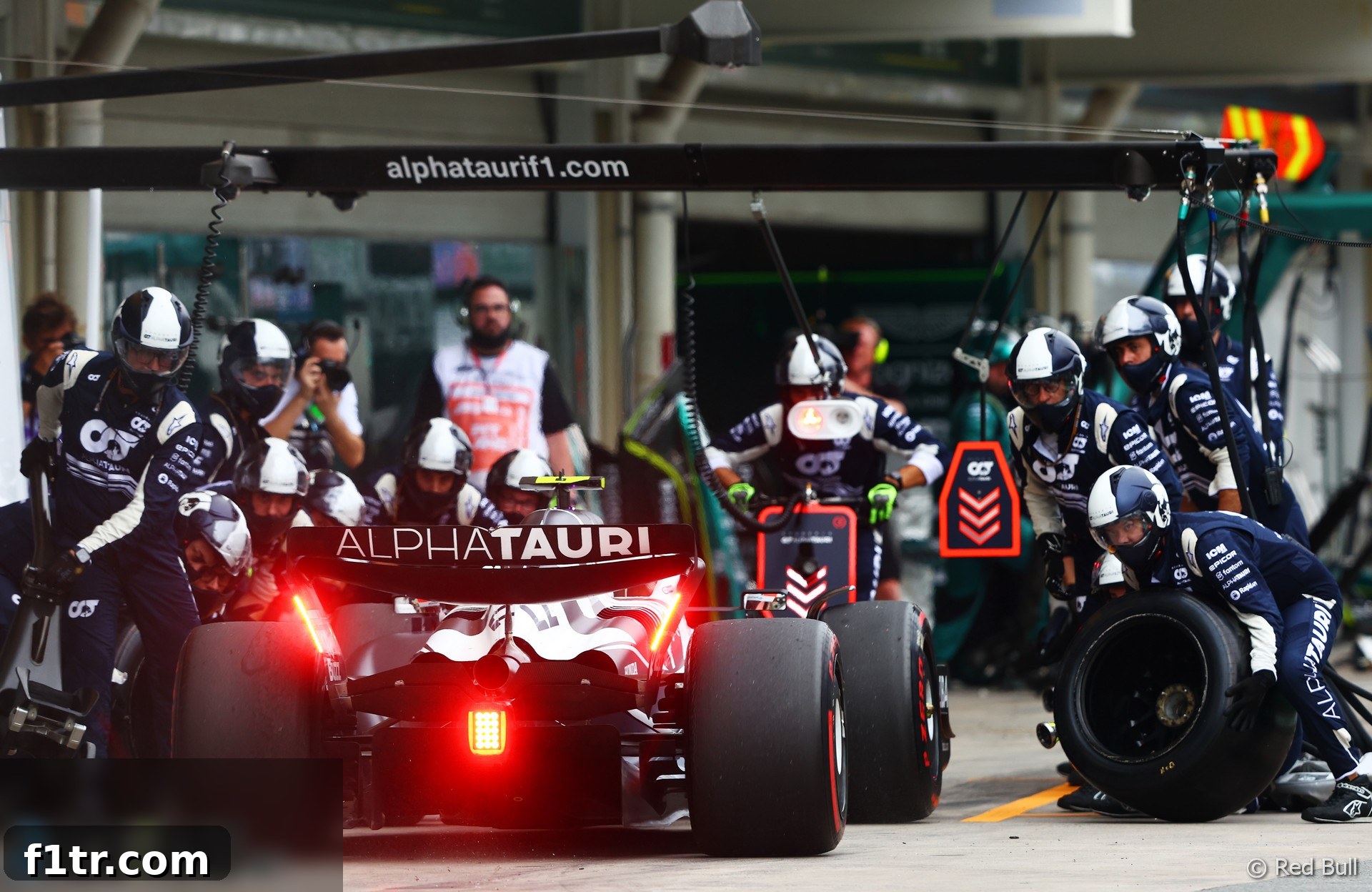
Despite the substantial efforts underway to refine race direction, the journey towards perfect officiating remains fraught with challenges, as evidenced by incidents even after the RDDP’s launch. The 2022 Brazilian Grand Prix, held just last weekend, presented a stark reminder of the complexities involved. During a Safety Car period, a procedural error occurred where one of the three drivers who should have been allowed to rejoin the lead lap, Yuki Tsunoda, was regrettably overlooked. This oversight, while seemingly minor in the grand scheme of the race outcome, bore an uncomfortable resemblance to the type of error that was central to the controversial conclusion of the 2021 Abu Dhabi Grand Prix, reigniting concerns among fans and teams.
In response to the Brazilian GP incident, an FIA spokesperson offered an explanation, stating that “all of the systems functioned correctly and according to the regulations,” and that “the unusual situation arose as a result of the idiosyncrasies of the specific circuit and scenario.” This explanation, while attempting to clarify the specific circumstances, nonetheless highlights the intricate interplay between established rules, technological systems, and human interpretation in the fast-paced environment of Formula 1. It underscores that even with advanced tools like the ROC and enhanced training, the unique characteristics of each circuit and unexpected race scenarios can still present novel challenges that require meticulous attention and robust, foolproof protocols.
The FIA’s ongoing commitment extends beyond merely fixing past mistakes. President Ben Sulayem emphasized a forward-looking vision for the programme: “The programme will also help us identify emerging talent so we can grow our pool of race directors, stewards and officials for the future.” This aspect is crucial for building a sustainable future for F1 officiating, ensuring a continuous supply of highly trained, competent, and impartial individuals. By investing in talent identification and development, the FIA aims to create a deeper bench of qualified personnel capable of handling the immense pressure and intricate demands of Formula 1 race management, thereby reinforcing the integrity and consistency of the sport for decades to come.
Advert | Become a RaceFans supporter andgo ad-free
A New Era of Precision and Fairness in Formula 1
The FIA’s comprehensive Race Direction Development Programme marks a pivotal moment for Formula 1. By proactively seeking to integrate lessons from the structured, transparent, and highly scrutinized world of football and rugby officiating, and by bolstering its internal capabilities with advanced technology like the Race Operations Centre, the FIA is sending a clear message: the integrity and fairness of Formula 1 are paramount. The journey to perfect officiating is undoubtedly complex and ongoing, as demonstrated by the recent challenges encountered, but the commitment to continuous improvement is unwavering.
Ultimately, these extensive reforms are designed to ensure that Formula 1 remains a sport where championships are won and lost purely on the merit of driver skill, team strategy, and car performance, rather than on the controversies surrounding procedural decisions. By fostering a culture of rigorous application of rules, transparent communication, and expert judgment, the FIA aims to restore and strengthen the trust of every stakeholder – from the millions of passionate fans to the dedicated drivers and highly invested teams. The vision is clear: a future where the spectacle of Formula 1 is defined solely by its thrilling competition, underpinned by a foundation of unimpeachable sporting governance.
2022 F1 season
- Mercedes told me “you’re wrong” about 2022 car’s problems – Hamilton
- FIA confirms all 10 F1 teams complied with 2022 cost cap
- Steiner “not ashamed” of panning “slow” Schumacher in Drive to Survive
- Albon believes year out of F1 improved him as a driver
- Hamilton sees diversity gains in F1 years on from his ‘traumatising’ experience of racism
Browse all 2022 F1 season articles