The esteemed British Grand Prix, a cornerstone of the Formula 1 calendar since the championship’s inception in 1950, faces an uncertain future beyond the 2019 season. As concerns mount over its continuation, the Motor Sport Association (MSA), Britain’s governing body for motorsport, has publicly pledged its unwavering commitment to securing the race’s long-term presence. This vital endeavor seeks to safeguard not only a beloved sporting event but also a significant contributor to the UK economy and its rich motorsport heritage.
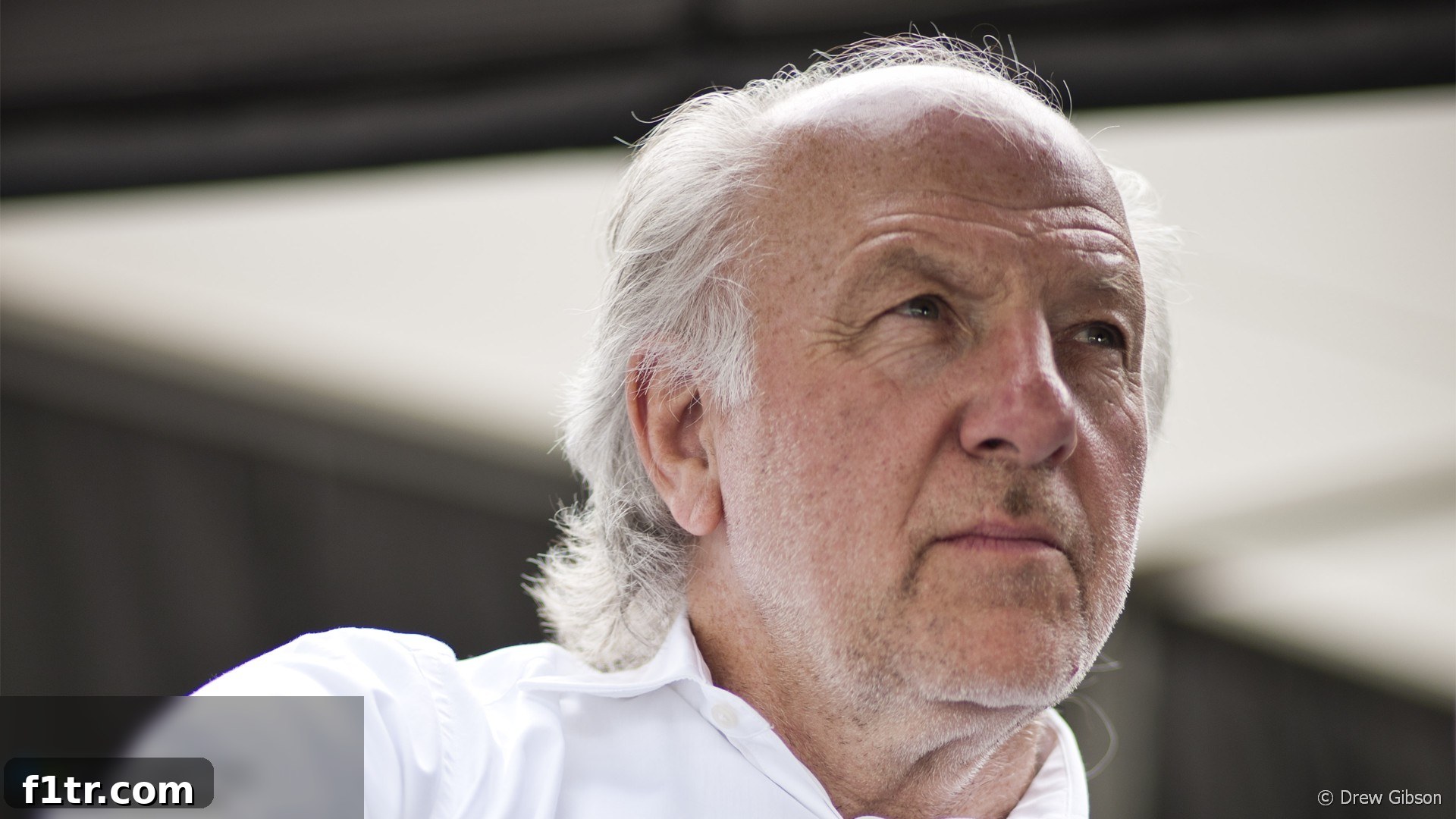
David Richards, the newly appointed chairman of the MSA and a prominent figure as the founder of Prodrive, articulated the critical importance of the Silverstone event during the Motorsport Safety Fund’s annual Watkins Lecture at the Autosport International show. His address underscored the profound impact of the Grand Prix on British motorsport, signaling a proactive stance from the MSA to navigate the complex challenges ahead.
At the heart of the current predicament lies the British Racing Drivers’ Club (BRDC), the venerable organization that owns and operates Silverstone Circuit and has historically orchestrated the British Grand Prix. Last year, the BRDC made the difficult decision to activate a break clause in its contract with Formula 1, a clause that is set to take effect following the 2019 Grand Prix. This move, while necessary for the BRDC, cast a shadow of doubt over the future of Britain’s premier motor race.
The Financial Realities Behind the BRDC’s Decision
Richards shed light on the BRDC’s rationale, explaining, “The rationale behind this decision was very clear for the BRDC, who’ve been losing money running the Grand Prix for many years and faced a steep annual rise in fees to host the race.” This candid admission highlights the immense financial pressures faced by race promoters in the modern Formula 1 era. Hosting a Grand Prix demands substantial investment, not only in circuit maintenance and upgrades but also in the escalating sanctioning fees charged by Formula One Management (FOM).
For years, the BRDC, a non-profit organization comprised of accomplished British racing drivers, has grappled with the economics of hosting Formula 1. Despite the race’s immense popularity and cultural significance, the ever-increasing cost of bringing the pinnacle of motorsport to Silverstone had become unsustainable. The activation of the break clause was not a sign of disinterest, but rather a stark recognition of financial reality, a necessary step to protect the circuit’s long-term viability and the broader interests of British motorsport.
The Enduring Legacy and Economic Power of the British Grand Prix
Beyond the financial intricacies, the British Grand Prix holds an unparalleled place in the hearts of motorsport enthusiasts worldwide. Richards emphasized its iconic status, noting, “Notwithstanding that, the British Grand Prix has been on the Formula One calendar since the championship first began back in 1950. In a recent fan survey the British event was in the top four iconic Formula One races that fans globally wanted to watch.” This sentiment is echoed by millions who view Silverstone as the spiritual home of Formula 1, a circuit steeped in history, drama, and legendary moments.
The Grand Prix’s influence extends far beyond the racing circuit itself, serving as a powerful engine for the UK economy. Richards detailed this impact, stating, “It contributed well over £50 million to the UK economy each year through employment and wider economic impact of more than 300,000 visitors to Silverstone over the race weekend. Nearly 4.5 million UK TV viewers tuned in to watch the British Grand Prix last year, so it’s also important to the armchair enthusiast.”
This economic contribution is multifaceted. It supports thousands of jobs directly and indirectly, from event staff and hospitality workers to local businesses benefiting from the influx of international visitors. The hundreds of thousands of attendees over the race weekend contribute significantly to local economies through accommodation, dining, and other services. Furthermore, the global television audience not only showcases the UK as a premier sporting destination but also fuels interest in motorsport, inspiring future generations of engineers, drivers, and fans. The race is a national spectacle, uniting sports enthusiasts across the country.
The MSA’s Resolute Commitment to Safeguarding the Future
In response to this critical juncture, the MSA, under Richards’ leadership, is stepping forward to play a proactive role in securing the British Grand Prix’s place on the F1 calendar. “It’s clear that it would be a significant threat to the position of British motorsport not to have a round of the Formula One world championship in this country,” Richards affirmed. “With this in mind, the MSA will actively and energetically support discussions to ensure the ongoing inclusion of the British Grand Prix in the Formula One calendar beyond 2019.”
The potential loss of the British Grand Prix would indeed be a severe blow to the UK’s pre-eminent position in global motorsport. Britain is home to the majority of Formula 1 teams, a vast network of motorsport engineering firms, and a deep talent pool of drivers and technical experts. The Grand Prix serves as a vital focal point, celebrating this heritage and inspiring future innovation. Its absence would diminish Britain’s standing and potentially impact investment and talent retention within the industry.
The MSA’s support is multifaceted and strategic. Richards acknowledged that the precise manifestation of this support remains fluid: “At this juncture it’s difficult to say how this support may manifest itself, whether it’s lobbying, seeking government intervention or otherwise. However, I fully support the importance of this event for UK motorsport and the MSA will do what it can to ensure the Grand Prix’s long-term future in this country.” This commitment signals a willingness to explore all avenues, from direct engagement with FOM and the BRDC to advocating for government backing, recognizing the national importance of the event.
Charting a Path Forward: Negotiations and Potential Solutions
The immediate focus of the efforts to save the British Grand Prix centers on forthcoming high-level negotiations. Sources indicate that the promoter of the British Grand Prix is scheduled to meet with Formula One Management towards the end of January to devise a viable strategy. These discussions are crucial for identifying a mutually beneficial path forward that addresses the BRDC’s financial concerns while ensuring the Grand Prix’s continuity.
Several potential solutions are reportedly under consideration, reflecting the complex nature of the negotiations. One option involves FOM directly renting the Silverstone circuit from the BRDC for the race weekend, potentially alleviating the BRDC’s financial burden and operational risks. Another proposal suggests a joint venture between FOM and the BRDC, sharing both the responsibilities and the potential rewards of hosting the event. A third, though considered less likely scenario, is a continuation of the existing arrangement but with a significant reduction in the race fee, making it more financially sustainable for the BRDC.
These discussions take place amidst a broader strategic reassessment by Formula 1’s commercial rights holder, Liberty Media. FOM is expected to present its long-term plans for the future of Formula 1 to all race promoters in London next week, with a dinner planned for Tuesday followed by a pivotal meeting on Wednesday. This forum will provide critical context for the Silverstone negotiations, as the future of the British Grand Prix is intertwined with F1’s global vision and commercial strategy.
The Broader Implications for British Motorsport
The stakes in these negotiations are incredibly high, not just for Silverstone or the BRDC, but for the entire ecosystem of British motorsport. The British Grand Prix acts as a beacon, drawing global attention to the UK’s unparalleled expertise in racing technology, engineering, and talent development. It provides a platform for British teams and drivers to compete on home soil, fostering national pride and inspiring a new generation to pursue careers in this dynamic industry.
Losing the Grand Prix would create a void that extends beyond a single race. It could impact sponsorship opportunities, educational programs, and the pipeline of talent into a sector where the UK is a world leader. The collective efforts of the MSA, the BRDC, and potentially the government underscore a shared understanding that this is more than just a sporting fixture; it is a national asset, a cultural institution, and a vital economic driver. The commitment to keeping the British Grand Prix on the Formula 1 calendar is a commitment to the future of British motorsport itself.
As the January meetings approach, the motorsport world watches keenly. The outcome will not only determine the fate of one of F1’s most iconic races but also send a powerful message about the value placed on tradition, economic contribution, and fan engagement within the rapidly evolving landscape of Formula 1.
Go ad-free for just £1 per month>> Find out more and sign up
2018 F1 season
- F1 feared “death knell” for Drive to Survive after Ferrari and Mercedes snub
- McLaren staff told us we were “totally crazy” to take Honda engines in 2018 – Tost
- ‘It doesn’t matter if we start last’: How Red Bull’s junior team aided Honda’s leap forward
- Honda’s jet division helped F1 engineers solve power unit problem
- McLaren Racing losses rise after Honda split
Browse all 2018 F1 season articles