The world of Formula 1, a sport synonymous with exclusivity and cutting-edge technology, finds itself at a crossroads as a major American racing entity, Andretti Global, backed by automotive giant General Motors (GM) and its premium brand Cadillac, seeks to join its elite ranks. This ambitious bid, announced with considerable fanfare, has sparked a fascinating debate, drawing contrasting reactions from key stakeholders within motorsport’s premier championship. While the Fédération Internationale de l’Automobile (FIA) President, Mohammed Ben Sulayem, has openly welcomed the prospect of new entries, particularly from global manufacturers, a significant portion of the existing F1 ecosystem, including the sport’s commercial rights holder and several established teams, expresses a distinct lack of enthusiasm, raising questions about financial dilution and the overall value proposition of an expanded grid.
FIA President Welcomes Andretti-Cadillac’s Ambitious F1 Bid Amidst Controversy
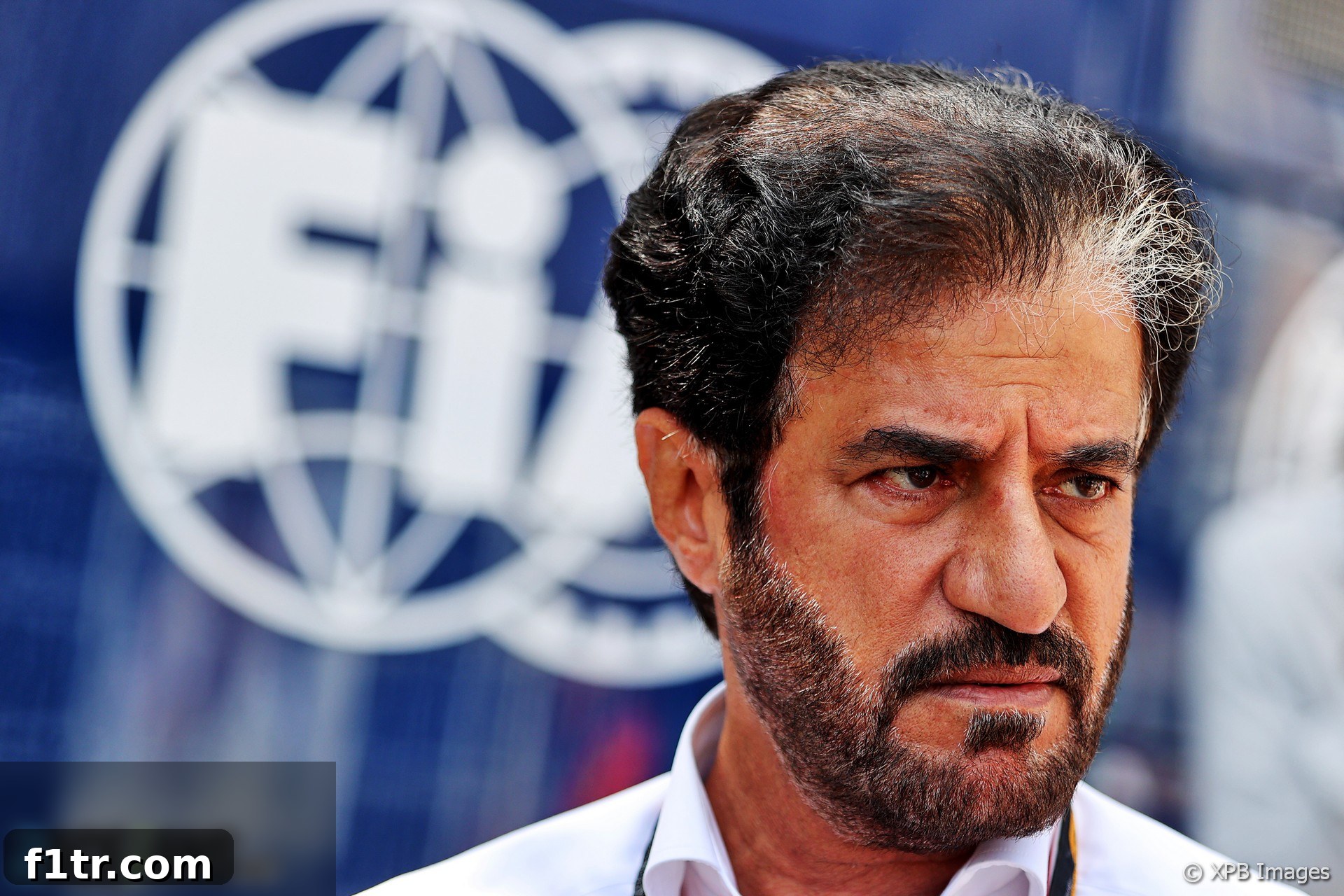
Mohammed Ben Sulayem, the president of motorsport’s global governing body, the FIA, has openly expressed his “surprise” at the “adverse reaction” surrounding the announcement of Andretti Global’s partnership with Cadillac for a Formula 1 entry. Ben Sulayem recently initiated a formal “expressions of interest” process, inviting prospective teams to demonstrate their capability to join the F1 grid in upcoming seasons. This proactive step by the FIA chief signals a clear intent to explore expansion, particularly if it brings strategic value and new manufacturers to the sport. Soon after this invitation, Andretti Global confirmed its audacious plan to apply, collaborating with the prestigious GM brand, Cadillac, a move Ben Sulayem publicly endorsed as a positive development for the sport.
Andretti’s aspiration to join Formula 1 is not new. The racing dynasty, led by former F1 driver and IndyCar legend Michael Andretti, has long harbored dreams of competing at the pinnacle of motorsport. Previous attempts, including a potential takeover of the Sauber-run Alfa Romeo team, ultimately fell through. However, the current bid is significantly bolstered by the formidable backing of General Motors, one of the world’s largest automotive manufacturers, through its luxury performance division, Cadillac. This partnership adds immense credibility and financial muscle to Andretti’s proposal, addressing some of the historical concerns around funding and long-term commitment that have plagued previous independent new team bids. The prospect of an iconic American brand like Cadillac entering Formula 1, especially given the sport’s surging popularity in the United States, is undeniably appealing to many, including the FIA president.
The Fortress of Opposition: Why Current Teams and F1 Resist Expansion
Despite the FIA’s open-mindedness, a notable wave of opposition persists within Formula 1 regarding the addition of new teams. This resistance stems from both the existing ten teams and Formula 1 management itself, led by CEO Stefano Domenicali. Domenicali has previously stated his belief that additional teams are not necessary for the championship, suggesting that the current grid size is optimal for competition and commercial viability. The primary concern articulated by teams revolves around the financial implications of an expanded grid. Formula 1’s commercial model sees prize money and TV revenue distributed among the participating teams. An 11th team would, by definition, dilute the share of these revenues for all existing competitors.
To mitigate this financial impact, Formula 1 introduced an “anti-dilution fee” of $200 million for any new entry. This substantial sum is intended to compensate the existing teams for the reduced share of prize money they would experience. Mercedes team principal Toto Wolff has been one of the most vocal critics, emphasizing the financial implications. “An 11th team means a 10% dilution for everybody else,” Wolff explained, underlining the significant financial hit each team would take. He added, “If one is able to demonstrate that, then we should all be sitting at the table and cheer for such an entry. But that hasn’t been demonstrated yet.” This sentiment reflects a widespread view among team principals, with an unnamed senior team source reportedly telling Reuters that Andretti’s chances of success remained “highly unlikely” and that a “strong majority” of current teams were against adding new competitors. Their arguments often extend beyond mere financial dilution, touching on logistical challenges, limited garage space in the pit lane, and the perception that new entries must add significant value, not just subtract from the existing pool of resources.
Andretti’s Ambition and Cadillac’s Global Play: A Strategic Alliance
Michael Andretti’s relentless pursuit of a Formula 1 entry is a testament to his deep-seated passion for the sport and his belief in his organization’s capabilities. Andretti Autosport has a storied history of success across various motorsport disciplines, including IndyCar, Formula E, and Extreme E. Bringing this wealth of racing expertise, coupled with a proven operational structure, to Formula 1 is a compelling proposition. Their readiness and understanding of competitive racing environments are clear strengths in their bid.
The alliance with General Motors and Cadillac, however, elevates this bid to an entirely new level. GM’s strategic entry into Formula 1 through Cadillac is a significant development, especially considering the global automotive landscape and F1’s burgeoning appeal in the North American market. For GM, participation in Formula 1 offers an unparalleled platform for technological innovation, brand exposure, and global marketing. Cadillac, as a premium performance brand, aligns perfectly with F1’s image of luxury, speed, and advanced engineering. Their involvement could attract new fans and sponsors from the United States, further solidifying F1’s presence in a key growth market. Furthermore, GM’s engineering capabilities and potential future development of F1 power units could bring a new manufacturer engine supplier to the grid, a goal that the FIA has actively encouraged as part of the 2026 technical regulations. This level of manufacturer commitment distinguishes the Andretti-Cadillac bid from many past attempts by independent outfits, making it a potentially transformative addition to the sport.
The FIA’s Vision for Growth, Diversity, and Global Appeal
In contrast to the conservative stance adopted by F1 management and existing teams, FIA President Ben Sulayem has firmly reiterated his belief that the Andretti-Cadillac application presents an overwhelmingly positive opportunity for the sport. Taking to social media, he underscored his perspective: “It is surprising that there has been some adverse reaction to the Cadillac and Andretti news. The FIA has accepted smaller, successful organisations in recent years. We should be encouraging prospective F1 entries from global manufacturers like GM and thoroughbred racers like Andretti and others. Interest from teams in growth markets adds diversity and broadens F1’s appeal.”
Ben Sulayem’s argument hinges on the idea of Formula 1 as a global sport that should continually seek to expand its reach and diversity. Welcoming major manufacturers like GM not only brings in significant financial investment and technological expertise but also opens up new fan bases, particularly in lucrative markets like the United States. Moreover, the FIA’s mandate is to govern and promote motorsport worldwide. Encouraging new, credible entries aligns with this mission, fostering greater competition, innovation, and overall growth for the sport. The President’s comments highlight a philosophical divide between the regulatory body, which sees expansion as beneficial for the sport’s health and future, and the commercial entities (F1 and the teams) that prioritize current revenue streams and perceived exclusivity.
Navigating the Path to 2026: The Evaluation Process and Future Outlook
The process of evaluating potential new entries into Formula 1 is rigorous and multi-faceted, expected to take several months. The FIA’s “expressions of interest” framework will assess various critical criteria, including the applicant’s technical capabilities, financial robustness, sporting pedigree, and the strategic value they would bring to the championship. For Andretti-Cadillac, this will involve demonstrating not only their immediate operational readiness but also their long-term vision, commitment to sustainability, and ability to be a competitive force in Formula 1.
Any new teams approved for entry would most likely join the grid when the significant new power unit regulations are introduced in 2026. This timing is strategic, as it offers a level playing field for engine development and could potentially allow Cadillac to develop its own F1 power unit in partnership with GM, rather than relying on existing suppliers. The 2026 regulations will feature a simplified and more cost-effective power unit, with an increased electrical component, aimed at attracting new manufacturers. While the anti-dilution fee remains a significant financial hurdle, the long lead time to 2026 allows Andretti-Cadillac ample opportunity to prepare their infrastructure, recruit personnel, and finalize their technical partnerships. The decision rests with the FIA and Formula 1, who together must determine if the undeniable strategic benefits of a new, major manufacturer-backed American team outweigh the concerns of existing competitors and the complexities of expanding the grid.
The Broader Implications for Formula 1
The potential entry of Andretti-Cadillac into Formula 1 carries broader implications for the sport’s future trajectory. On the one hand, it represents a significant opportunity to further capitalize on F1’s exploding popularity in the United States, bringing an authentic American brand and racing heritage to the forefront. This could translate into increased viewership, new sponsorship deals, and greater fan engagement globally. From a sporting perspective, an 11th team could inject fresh competition, provide more opportunities for drivers and engineers, and potentially lead to more diverse strategies on track.
On the other hand, the concerns raised by F1 and its existing teams are not entirely without merit. The delicate balance of competition, financial stability, and logistical feasibility must be carefully considered. Formula 1 has historically thrived on its exclusivity and the perception of being the pinnacle of motorsport, with only the best competing. Diluting the financial pool, even with a compensation fee, could impact the long-term health of smaller, privately run teams. Ultimately, the debate surrounding Andretti-Cadillac highlights the tension between growth and stability, tradition and innovation, that frequently defines the evolution of major global sports. The outcome of this bid will undoubtedly shape the future landscape of Formula 1 for years to come, determining whether the grid expands to embrace new titans or maintains its coveted ten-team exclusivity.