F1 Belgian Grand Prix: Schumacher, Verstappen, and Tsunoda Unveil Special Helmet Designs
The legendary Spa-Francorchamps circuit, a cornerstone of Formula 1 history, witnessed a heartwarming blend of personal tributes and national pride during the Belgian Grand Prix weekend. Three prominent drivers – Mick Schumacher, Max Verstappen, and Yuki Tsunoda – donned specially designed helmets, each telling a unique story of legacy, connection, and aspiration within the high-octane world of motorsport.
The tradition of special helmet designs in Formula 1 adds a personal touch to the gladiatorial contests on track. Drivers often use these unique canvases to mark significant milestones, pay homage to heroes, or celebrate connections to a particular race. At the 2021 Belgian Grand Prix, this tradition truly shone, creating memorable moments for fans and adding an extra layer of narrative to the racing action.
Mick Schumacher’s Emotional Tribute at the Belgian Grand Prix
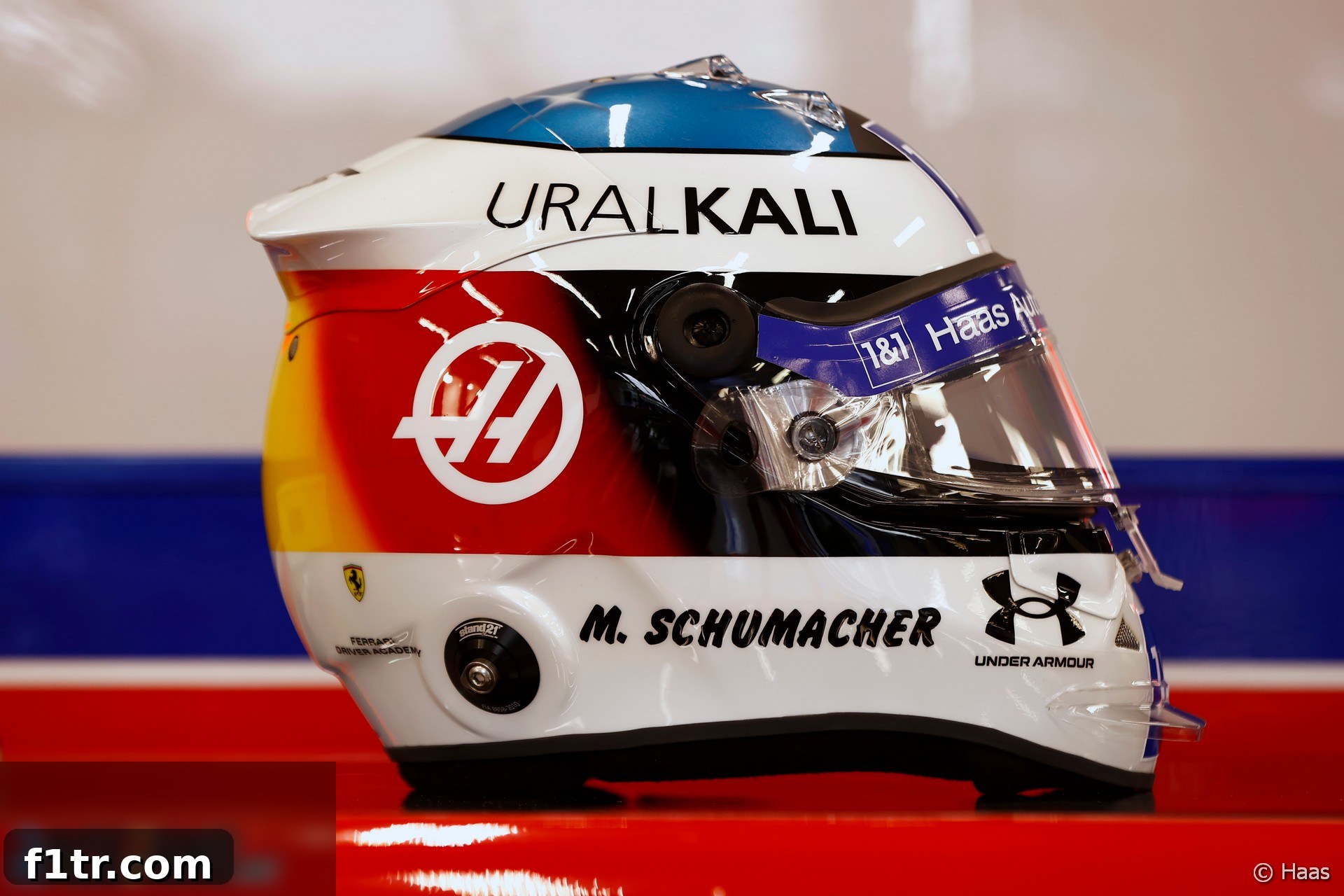
Perhaps the most poignant of the special designs belonged to Haas driver Mick Schumacher. In a deeply moving gesture, Mick chose to wear a helmet design that mirrored the one his legendary father, Michael Schumacher, famously sported at his Formula 1 debut 30 years prior. The setting couldn’t have been more fitting: the revered Spa-Francorchamps circuit, a track inextricably linked with the Schumacher family legacy.
A Legacy Forged at Spa: Michael Schumacher’s Debut and Triumphs
It was on August 25, 1991, at this very circuit, that Michael Schumacher burst onto the Formula 1 scene with Jordan. Although his debut race was short-lived due to a clutch issue, his electrifying qualifying performance, placing him seventh, immediately signaled the arrival of a prodigious talent. The helmet he wore that weekend, characterized by its distinctive blue and white pattern, became iconic as he embarked on a career that would redefine the sport.
Michael Schumacher retained this original design throughout his formative years in Formula 1, a period that saw him achieve his breakthrough victory at the Belgian Grand Prix in 1992 with Benetton. This win, an early demonstration of his wet-weather mastery, further cemented his connection with Spa. The blue and white motif remained unchanged as he secured his first two world championship titles with Benetton in 1994 and 1995, and continued into the initial phase of his illustrious tenure with Ferrari. It was only in 2000, the year he clinched his first of five consecutive championships with the Scuderia, that he eventually transitioned to his iconic red helmet, symbolizing his new era of dominance.
Mick Schumacher’s Personal Connection to Spa
For Mick, the Spa circuit is not merely a place of his father’s triumphs; it holds significant personal meaning as well. “I’ve had a few good races here,” the young Haas driver shared, reflecting on his own career milestones at the track. “I had my first pole position, my first race win in 2018 here in F3 which then became a streak of multiple race wins.” This historical success underscores his comfort and affinity for the demanding Belgian track. “So definitely it’s a track that I enjoy a lot and I enjoy coming back here. It’s close to home, a lot of fans come here and people that support me for numerous years,” he added, emphasizing the palpable connection he feels with the circuit and its passionate spectators.
This tribute not only celebrated his father’s enduring legacy but also highlighted Mick’s own journey in Formula 1, bridging generations of Schumacher talent at one of the sport’s most hallowed grounds. It served as a powerful reminder of the deep roots and personal narratives that underpin the competitive world of F1.
Max Verstappen Celebrates His Home Grand Prix
Another driver embracing a special lid for the Belgian Grand Prix was Red Bull Racing’s Max Verstappen. With strong ties to Belgium – he was born in Hasselt, just over the Dutch border, and his mother is Belgian – Spa-Francorchamps is often considered a spiritual home race for the Dutch superstar. This emotional connection frequently inspires Verstappen to unveil unique helmet liveries that resonate with his massive fanbase and celebrate his heritage.
Verstappen’s special design for the weekend typically incorporates elements that pay homage to his roots or feature specific graphic details for the occasion. Such helmets are a nod to the loyal orange army of fans who flock to Spa to support him, transforming parts of the circuit into a sea of Dutch pride. For a driver consistently battling for the championship, every detail, including the aesthetic representation on his helmet, carries significance, further motivating both himself and his dedicated supporters. The iconic nature of Spa as a fast, flowing circuit also often leads to dynamic designs that complement the high-speed action.
Yuki Tsunoda’s Special Design for a Memorable Circuit
The AlphaTauri rookie, Yuki Tsunoda, also presented a refreshed helmet design for the Belgian Grand Prix. While his special helmet for Spa might not carry the same generational weight as Schumacher’s, it certainly marked a significant career milestone for the young Japanese driver. Spa-Francorchamps holds a special place in Tsunoda’s journey to Formula 1, as it was at this very circuit during the 2020 Formula 2 season that he secured a memorable victory.
His Formula 2 triumph at Spa-Francorchamps was a critical moment, demonstrating his raw talent and potential, and ultimately helping to pave his way into Formula 1. Commemorating such a pivotal track in his early career with a special helmet design is a common practice among drivers, serving as a personal reminder of past achievements and a source of inspiration for future successes. For Tsunoda, a rookie navigating the demanding world of F1, these personal touches can offer a sense of connection and motivation.
The Enduring Allure of Spa-Francorchamps and F1 Helmet Artistry
The Belgian Grand Prix at Spa-Francorchamps is an event steeped in history and revered for its demanding layout. From the iconic Eau Rouge-Radillon complex to the sweeping Blanchimont, the circuit tests drivers and cars to their absolute limits, making victories here particularly sweet and memorable. It is this unique blend of challenge and prestige that often encourages drivers to express themselves through bespoke helmet designs, elevating their protective gear into works of art that tell a story.
These special helmets, whether they are deeply personal tributes like Mick Schumacher’s, celebrations of national pride like Max Verstappen’s, or acknowledgments of career milestones like Yuki Tsunoda’s, add significant color and narrative to the Formula 1 season. They provide fans with a deeper connection to their heroes and a glimpse into the drivers’ personalities, motivations, and the rich tapestry of motorsport history. The 2021 Belgian Grand Prix weekend certainly delivered on this front, showcasing not just incredible racing talent but also the heartfelt stories behind the visors.
As Formula 1 continues to captivate audiences worldwide, these small yet significant details—the personalized helmets—remain a cherished element, bridging the gap between the high-tech machinery and the human emotions that drive the sport. They serve as a constant reminder that beyond the pursuit of speed, F1 is a sport woven with narratives of legacy, aspiration, and profound personal connections.
2021 Belgian Grand Prix Related Articles
- Spa spectators who saw no racing offered prize draw for 2022 tickets
- ‘Wrong to award points for a couple of laps behind the Safety Car’ – Horner
- Hamilton offers “exclusive gift” to fans who attended Belgian GP wash-out
- Change rules to give points for qualifying if race can’t happen – Seidl
- “I apologised to the entire team for my mistake” – Perez
Browse all 2021 Belgian Grand Prix articles