The Fédération Internationale de l’Automobile (FIA), the global governing body for motorsport, has recently implemented a pivotal new regulation designed to bolster the integrity and fairness of Formula 1 and other championship series. This forward-thinking measure specifically prevents high-ranking officials within the organization from transitioning directly to roles within participating teams immediately after concluding their tenure. This move underscores the FIA’s unwavering commitment to maintaining a level playing field and preventing any potential conflicts of interest or the misuse of sensitive information.
Advert | Become a Supporter & go ad-free
The core of this new directive is enshrined in Article 9.17 of the International Sporting Code (ISC). This significant addition meticulously outlines the restrictions on activities that apply to former FIA presidents and former FIA deputy presidents for sport, once they step down from their influential positions. The regulation is a proactive step, meticulously crafted to safeguard the sport against any scenario where a team might inadvertently or intentionally gain an unfair competitive advantage due to insights or confidential information privy to these senior officials during their time at the helm of the governing body.
During their mandates, the FIA’s highest-ranking officers are regularly exposed to a wealth of highly sensitive and confidential information concerning the operational activities, strategic planning, and financial particulars of the various teams under the FIA’s jurisdiction. A prime example of such sensitive data includes the detailed disclosures made by teams in their annual budget cap submissions. This financial information is crucial for ensuring compliance with the stringent financial regulations of Formula 1, and its premature or unauthorized revelation could drastically undermine the competitive balance and financial integrity of the sport. Therefore, the necessity for a robust mechanism to protect such data, even after an official leaves their post, is paramount.
The specific wording of the new Article 9.17 leaves no room for ambiguity regarding the restrictions: “A competitor entered in a FIA championship may not engage or use the services of a former president of the FIA or a former FIA deputy president for sport (whether as an employee, independent contractor, consultant, or otherwise) until six months have elapsed since the date that they ceased to hold the post of president or deputy president for sport (as applicable), and in any event the aforementioned competitor may not, without time limit, obtain, benefit from or use confidential information obtained by a former president of the FIA or a former president-delegate for sport of the FIA during their mandate.” This comprehensive clause establishes a mandatory “cooling-off” period of six months, during which former senior officials are barred from joining any FIA-championship competitor. More significantly, it imposes a perpetual ban on the use or benefit of any confidential information acquired during their previous role, regardless of how much time has passed since their departure. This dual approach provides both an immediate buffer against potential conflicts and a long-term safeguard for sensitive data.
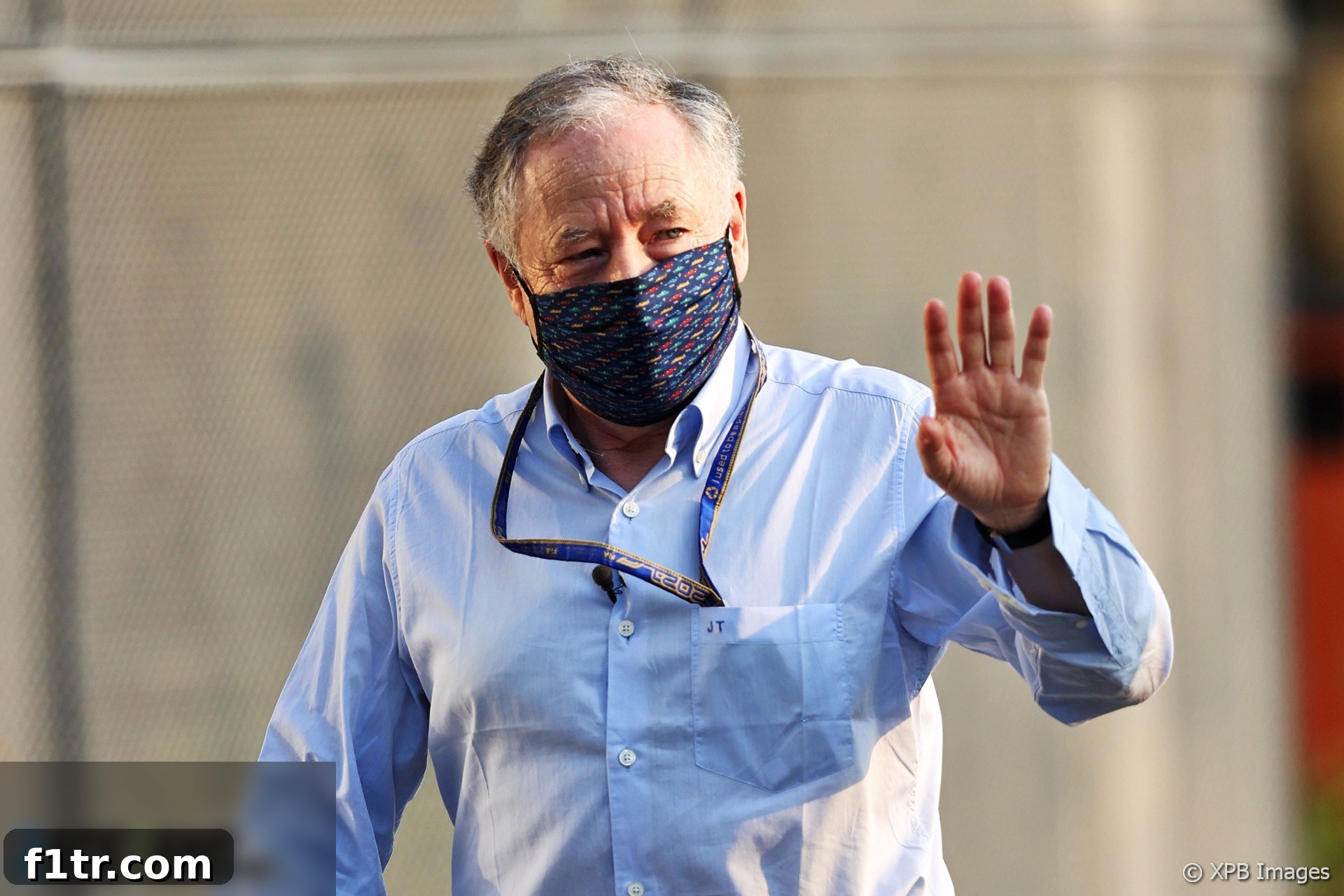
Understanding the implications of this rule requires a glance at the individuals it currently affects. Jean Todt, who concluded his highly impactful tenure as FIA president just over a year ago and was succeeded by the current president, Mohammed Ben Sulayem, is the only living individual who has previously held the esteemed position. Monsieur Todt currently serves as the FIA’s honorary president and continues to dedicate his efforts to various non-racing matters that were part of his prior responsibilities. Notably, he remains a leading figure in the United Nations’ critical work on enhancing global road safety, demonstrating his continued commitment to humanitarian causes beyond motorsport. His former deputy for sport, Graham Stoker, who ran for the FIA presidency but ultimately lost to Ben Sulayem, is also subject to these new restrictions. Robert Reid, a world championship-winning rally co-driver, now holds the position of deputy president for sport, further highlighting the lineage of influential figures affected by this new code of conduct.
In a parallel and equally significant update to the International Sporting Code, the FIA has substantially expanded the list of personnel that Formula 1 teams are required to register with the governing body. This staff registration system, initially introduced in 2010, was a direct response to past controversies and was designed to grant the FIA the necessary authority to bar individuals who commit serious breaches of the code from participating in any of its events. The historical context for this system traces back to the infamous ‘Crashgate’ affair of 2008, a scandal that shook the foundations of Formula 1 and underlined the critical need for greater oversight and accountability among team personnel. In that incident, deliberate actions were taken to influence the outcome of a race, leading to severe reputational damage and calls for stricter ethical guidelines within the sport. The 2010 introduction of the registration system was a pivotal step towards rebuilding trust and ensuring that such deliberate misconduct could be effectively addressed and punished by the governing body.
Prior to this latest amendment, teams were already mandated to register key operational and strategic roles with the FIA, including the race engineer, sporting director, team manager, team principal, and technical director. These roles are integral to the day-to-day running and performance of a Formula 1 team, and their registration ensures a clear line of accountability. The recent update further strengthens this framework by adding two crucial executive positions to the list: the Chief Financial Officer (CFO) and the Chief Executive Officer (CEO). The inclusion of the CFO is particularly pertinent in the current era of Formula 1, where financial regulations and the budget cap play an increasingly dominant role in team operations. The CFO is directly responsible for ensuring the team’s meticulous compliance with F1’s complex financial regulations, a task that carries immense weight given the severe penalties for breaches. Similarly, the addition of the CEO reflects the understanding that this individual is at the helm of the team’s most important executive decisions, encompassing strategic direction, commercial operations, and overall ethical conduct. By requiring the registration of these high-level financial and executive roles, the FIA aims to extend its oversight to the very top echelons of team management, thereby creating a more robust system of accountability that spans all critical operational and strategic areas. This ensures that responsibility for the team’s actions, both on and off track, can be clearly attributed, fostering a culture of transparency and adherence to the sport’s regulations and ethical standards.
Advert | Become a RaceFans supporter andgo ad-free
These new regulations collectively represent a significant stride by the FIA towards fortifying the ethical framework and competitive integrity of Formula 1 and other motorsport championships. By implementing strict cooling-off periods and perpetual bans on the use of confidential information for former senior officials, the governing body is proactively mitigating risks associated with potential conflicts of interest and ensuring that no team gains an unfair advantage from privileged insights. Concurrently, the expansion of the registered staff list, particularly to include key financial and executive roles, demonstrates a heightened commitment to transparency and accountability across all levels of team management. This move, rooted in lessons learned from past controversies like the ‘Crashgate’ affair, aims to prevent future ethical lapses and reinforce the FIA’s authority to maintain the highest standards of conduct. These measures are vital for preserving the trust of fans, participants, and stakeholders, ensuring that the integrity of motorsport remains uncompromised and that fair competition is always at the forefront.
2023 F1 season
- FIA president cleared of alleged interference in two 2023 races
- First week viewing figures for new Drive to Survive season fall again
- Max who? Drive to Survive season six prefers its favourite faces
- RaceFans’ complete 2023 season review
- The F1 drivers who pulled off the 10 biggest charges through the field in 2023
Browse all 2023 F1 season articles