As Formula 1 prepared for its highly anticipated return to racing, unprecedented challenges necessitated a complete overhaul of its operational framework. With the championship set to commence next week with races held behind closed doors, revised protocols for COVID-19 testing were announced. Personnel will now undergo testing every five days, a significant adjustment from the initial proposal of every two days. This evolution in strategy underscores Formula 1’s commitment to safety, balancing stringent health measures with the practicalities of operating a global sport in a pandemic environment.
Advert | Become a Supporter & go ad-free
Formula 1’s Evolving COVID-19 Protocols: Navigating the New Normal for Global Motorsport
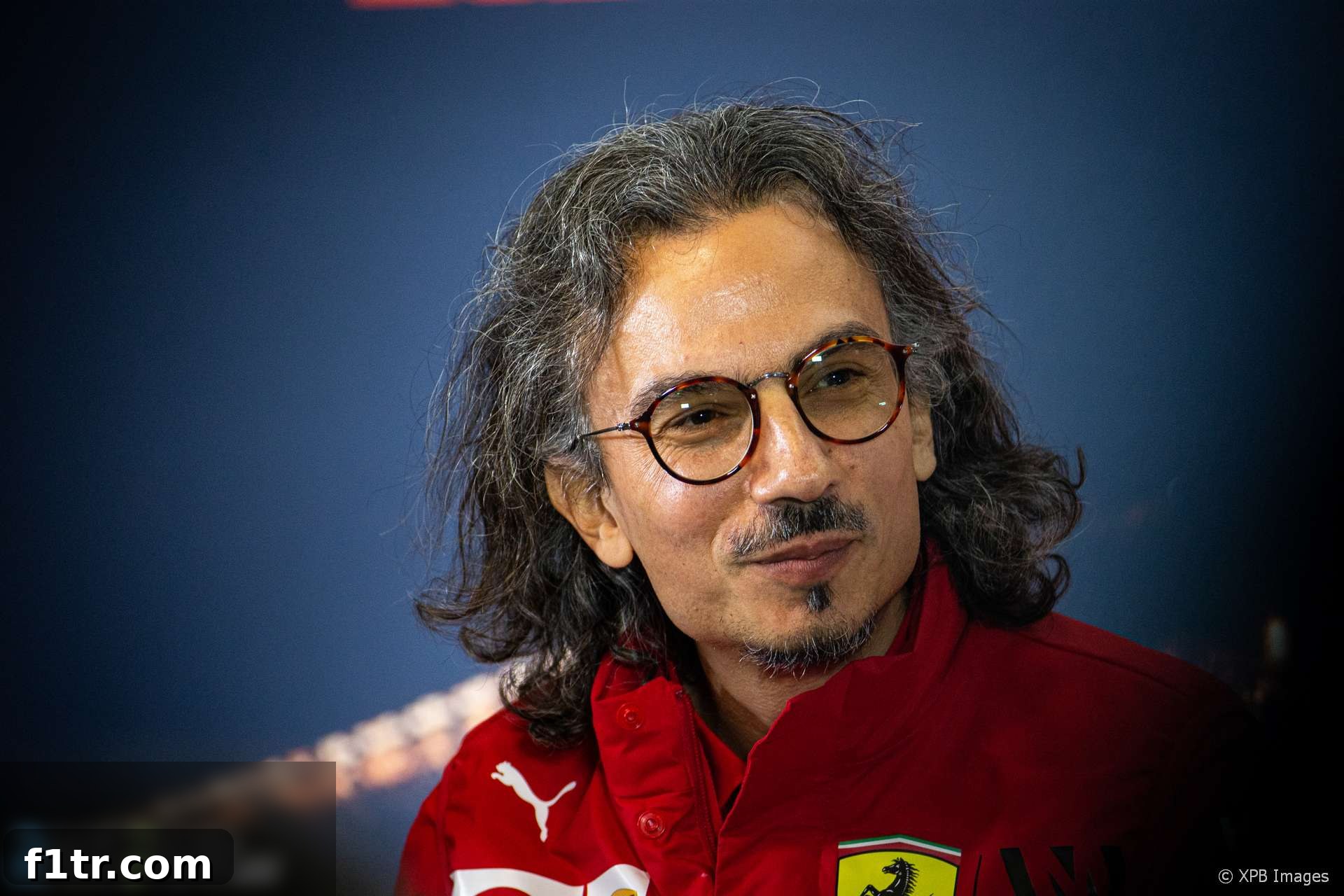
The global health crisis presented a formidable obstacle for Formula 1, a sport intrinsically linked to international travel, large gatherings, and close-contact team operations. The meticulously crafted ‘Closed Events’ plan aimed to create a secure environment, allowing the championship to proceed safely. Laurent Mekies, Ferrari’s sporting director, voiced support for the protocol adjustments, emphasizing that a degree of flexibility was crucial. Mekies highlighted that despite the relaxation from a two-day to a five-day testing interval, Formula 1’s operations would remain rigorously aligned with, and often exceed, national governmental safety requirements. This proactive approach ensures the well-being of all participants, from drivers and engineers to support staff and media personnel, while facilitating the return of high-octane racing.
The Paddock Bubble: An Unprecedented Health Screening Regime
Entry into the Formula 1 paddock, particularly for the inaugural races in Austria, demands an exhaustive health screening process for every individual. As Mekies elaborated, “Everybody will need a complete health screening in order to enter the Austrian paddock and the next ones.” This mandates a certified health status from attending doctors, confirming each individual is “fit to attend.” This phrase encapsulates a series of rigorous prerequisites designed to establish a protective shield around the racing community. Key among these is the requirement for a recent COVID-19 test.
Specifically, all personnel must undergo a Polymerase Chain Reaction (PCR) test less than four days before their arrival in Austria. This PCR test, widely recognized for its accuracy in detecting the virus, acts as the primary gatekeeper, ensuring that everyone entering the paddock has recently tested negative. “So everybody you will see in the paddock will have gone through a Covid-19 test, a PCR test, less than four days before,” Mekies affirmed. This initial screening is paramount for establishing a baseline of health within the enclosed environment of the F1 paddock.
Continuous Monitoring: Inside the F1 Paddock Bubble
Once inside the designated “F1 paddock bubble,” the safety protocols continue with an additional layer of vigilance. Given the unique scenario of back-to-back races in Austria, personnel will be present at the circuit for an extended period. To maintain the integrity of the bubble, re-testing becomes a routine. “Once we are in the paddock… every five days everybody will be re-tested,” Mekies explained. This ongoing surveillance is critical, even after initial negative tests, to promptly identify any potential infections and prevent wider outbreaks. This cyclical testing strategy forms the backbone of the continuous monitoring system, designed to adapt to the dynamic nature of the virus and the prolonged presence of personnel at race venues.
The Shift in Testing Frequency: From 48 Hours to Five Days
The adjustment in testing frequency from every two days to every five days represents a significant evolution in Formula 1’s COVID-19 strategy. Earlier in May, Formula 1 motorsport director Ross Brawn had indicated a more frequent testing schedule, proposing tests every 48 hours. Mekies provided valuable insight into the rationale behind this revision, explaining that the championship’s plans have consistently adapted to new information and logistical considerations. He revealed that “there have been in all 20 versions of our procedures” as teams and governing bodies worked to refine the protocols.
This iterative process underscores the complex balancing act between maximizing safety and ensuring operational feasibility. A two-day testing cycle, while offering heightened vigilance, presented considerable logistical and financial strain on teams and the sport as a whole. The shift to five days reflects a calculated compromise, deemed robust enough to mitigate risks effectively without rendering the season unsustainable. Mekies emphasized the dynamic nature of the situation: “It’s a fast-changing environment. You try to strike the right compromise.” The current protocols, developed collaboratively by the FIA and F1, are considered to operate “well above any national law or employment law,” indicating a high standard of care and responsibility.
Moreover, the protocol includes provisions for immediate testing should any individual develop symptoms during a Grand Prix weekend. This rapid response mechanism ensures that symptomatic individuals can be isolated and tested without delay, further containing potential transmission within the paddock. The flexibility to adjust to emerging situations and medical guidance is a cornerstone of F1’s approach to health and safety during these unprecedented times.
Balancing Safety with Operational Realities: The Rationale Behind Protocol Adjustments
The decision to relax the testing frequency from an initial two-day cycle to a five-day interval was not taken lightly. It reflects a maturing understanding of the virus, coupled with a pragmatic assessment of the extensive resources required for continuous, ultra-frequent testing across multiple international events. Mekies articulated this point clearly, stating, “Yes, we did talk about every two days at some stage. It’s been relaxed to five days.” He also hinted at the possibility of further adjustments: “I think you will see other iterations of that protocol in the coming weeks I hope in the same directions, in the direction of relaxing some of these things.” This forward-looking perspective suggests an ongoing commitment to refining protocols as global health circumstances evolve and more data becomes available.
The paramount objective remains the creation of the safest possible environment. Mekies concluded that, when viewed within the broader context, “the change between two and five days is not the ‘player’.” This suggests that the fundamental principles of the F1 paddock bubble – pre-entry screening, strict access control, social distancing measures, and regular testing – collectively form a comprehensive safety net. The specific frequency of testing, while important, is one component within a multi-layered strategy designed to protect everyone involved in the sport. The emphasis is on the overall robustness of the system rather than individual elements.
The Broader Context: F1’s Role in Global Sports Resumption
Formula 1’s detailed and evolving COVID-19 protocols serve as a significant case study for other major international sports navigating their return. The unique demands of F1 – its global footprint, reliance on intricate logistics, and the need for precision operations – make it a complex endeavor. The FIA and Formula 1’s collaborative efforts to establish these guidelines set a high benchmark for athlete and personnel safety in elite competitions. By carefully managing risks and adapting strategies, F1 aims not only to ensure the continuity of its championship but also to contribute valuable insights into how large-scale international events can responsibly resume amidst a pandemic. The success of the Austrian Grand Prix and subsequent races under these stringent new rules will offer crucial lessons for the wider sporting world.
The Road Ahead: Future Protocol Iterations and the Fan Experience
The protocols implemented for the initial races of the 2020 F1 season are undoubtedly comprehensive, yet they are not static. The ongoing dialogue and assessments, as indicated by Mekies, suggest a continuous evolution of these measures. As scientific understanding of the virus improves and global infection rates potentially decline, further relaxation of certain restrictions may be considered. Such future iterations could pave the way for a gradual return of spectators to the circuits, a vital component of the Formula 1 experience that is currently absent. The absence of fans, while necessary for initial safety, profoundly impacts the atmosphere and financial model of the sport.
The ultimate goal for Formula 1 is to safely return to its vibrant, global spectacle, complete with packed grandstands and the unmistakable roar of the crowd. The current ‘Closed Events’ provide a critical stepping stone, allowing the sport to restart, adapt, and learn. Each successful Grand Prix held under these new conditions strengthens the possibility of a more complete return to normalcy, gradually reintroducing elements that define Formula 1 as a pinnacle of motorsport and entertainment. The adaptive nature of these protocols highlights F1’s dedication not just to racing, but to its community and its future.
The Economic Imperative and the Spirit of Formula 1
Beyond the safety aspects, the resumption of Formula 1 racing carries significant economic implications for teams, manufacturers, sponsors, and countless associated businesses. The prolonged pause in racing generated substantial financial pressure, making a safe return an economic imperative. The commitment to such rigorous safety protocols, despite their cost and logistical complexity, underscores the deep-seated passion and resilience within the Formula 1 community. It reflects a collective desire to overcome adversity and deliver the thrilling competition that millions of fans worldwide eagerly await. The sport’s ability to innovate, adapt, and persevere in challenging times is a testament to its enduring spirit, ensuring that the spectacle of Formula 1 continues to captivate and inspire.
Advert | Become a RaceFans supporter andgo ad-free
2020 F1 Season: Related Articles & Insights
- Grosjean to make F1 test return tomorrow for first time since Bahrain horror crash
- Pictures: Wrecked chassis from Grosjean’s Bahrain fireball crash to go on display
- Bottas vs Rosberg: Hamilton’s Mercedes team mates compared after 78 races each
- F1 revenues fell by $877 million in Covid-struck 2020 season
- Hamilton and Mercedes finally announce new deal for 2021 season
Browse all 2020 F1 season articles