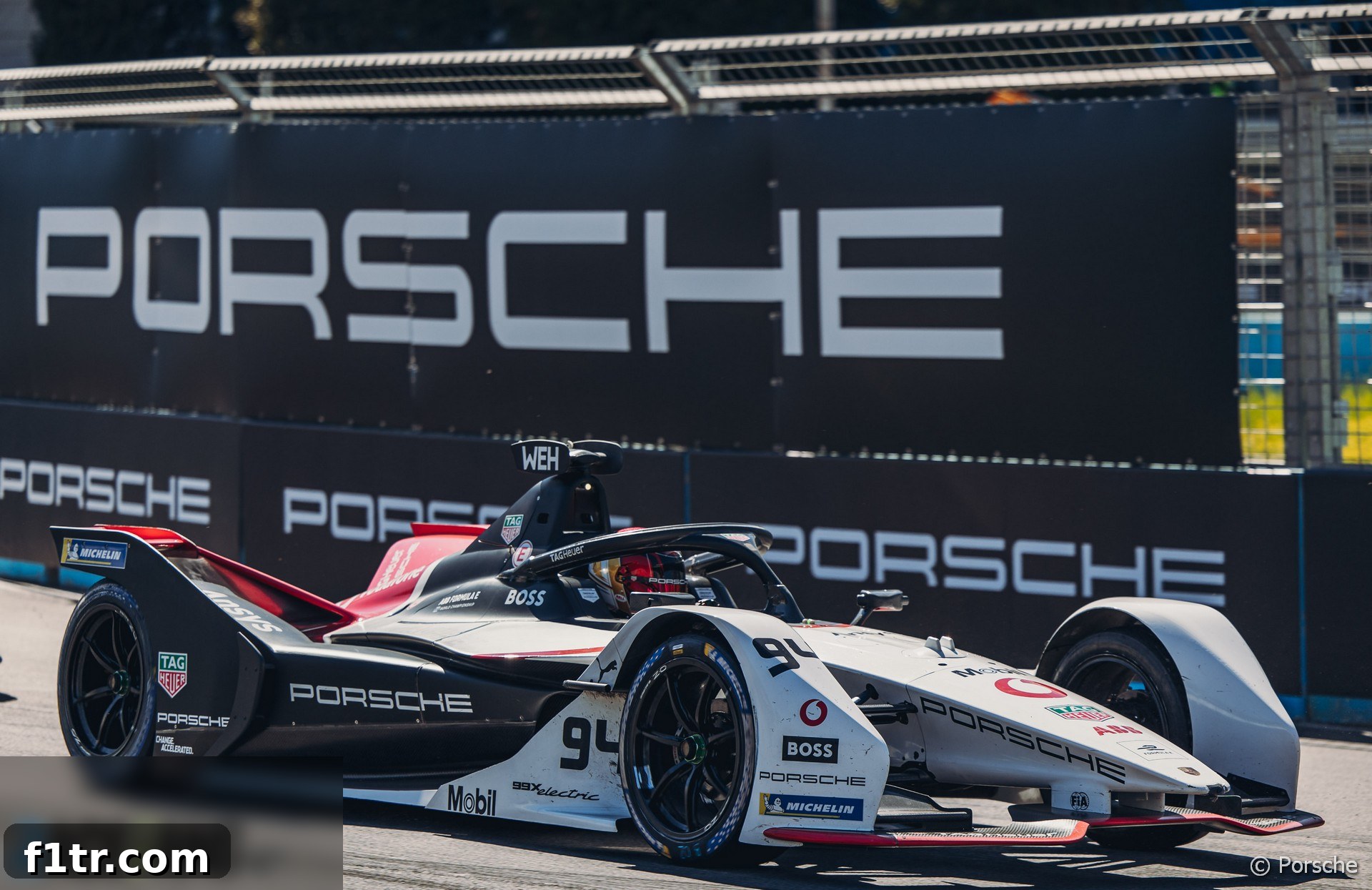
The world of Formula 1 is on the cusp of a revolutionary transformation, with the Volkswagen Group officially confirming the highly anticipated entry of its premium brands, Porsche and Audi, into the pinnacle of motorsport. This monumental decision, set to coincide with the introduction of significant new technical regulations in 2026, signals a seismic shift in the sport’s landscape, promising increased competition, heightened technological innovation, and an unparalleled marketing spectacle. Volkswagen Group CEO Herbert Diess definitively stated that both brands “have decided to enter Formula 1,” a move driven by the championship’s explosive global popularity and its ever-growing appeal to diverse audiences.
A Strategic Move: Capitalizing on F1’s Global Surge
The timing of Porsche and Audi’s entry is no mere coincidence; it is a meticulously calculated strategic maneuver designed to leverage Formula 1’s unprecedented resurgence. Diess emphasized that “Formula 1 is developing extremely positively worldwide” under the astute management of Liberty Media, which acquired the commercial rights in 2017. This positive trajectory is particularly evident in the United States, where the sport’s popularity has soared, largely attributed to the immense success of the Netflix docuseries “Drive to Survive.” The series has captivated new demographics, transforming casual viewers into ardent fans and significantly expanding F1’s footprint beyond its traditional European base. Simultaneously, interest among younger customer groups in Asia continues to grow exponentially, cementing F1’s status as a truly global phenomenon.
For premium automotive manufacturers like Porsche and Audi, this global reach translates into an unmatched marketing platform. As Diess succinctly put it, “If you do motorsport, you should drive Formula 1. That’s where the effect is greatest.” The championship offers an unparalleled opportunity to showcase cutting-edge technology, engineering prowess, and brand prestige to a worldwide audience of hundreds of millions. In an era where brand visibility and engagement are paramount, F1 provides a dynamic stage for these iconic marques to connect with existing customers and attract new ones, particularly within the affluent and technologically savvy demographic that often follows top-tier motorsport.
The 2026 Technical Regulations: An Open Door for New Entrants
The cornerstone of Porsche and Audi’s entry strategy lies firmly within the upcoming overhaul of Formula 1’s technical regulations in 2026. This significant rule change acts as the crucial “technology window” that Diess highlighted, stating, “You can’t get into Formula 1 unless a technology window opens. You need a rule change to get in there.” Attempting to enter the sport mid-cycle, against established teams with years of development under existing regulations, would be a daunting and potentially futile endeavor. The 2026 rules, however, promise a reset, offering new manufacturers a more level playing field upon which to build a competitive power unit from scratch.
The current V6 hybrid turbo power unit rules, introduced in 2014, have been lauded for their engineering complexity but have also presented a steep barrier to entry due to their intricate design, high development costs, and the mature nature of their development by existing manufacturers. The 2026 regulations aim to address these challenges while pushing Formula 1 towards a more sustainable future. Key changes include a significant increase in the electrical power generation of the engines, moving towards a 50/50 split between internal combustion and electrical power. This shift aligns perfectly with the automotive industry’s broader trend towards electrification and hybrid powertrains. Furthermore, the introduction of 100% sustainable synthetic fuels will drastically reduce the championship’s carbon footprint, making F1 a more relevant and attractive platform for manufacturers committed to environmental responsibility.
This commitment to sustainability, combined with efforts to reduce overall costs and complexity – particularly through the potential removal of the problematic MGU-H component – makes the 2026 regulations highly appealing. Manufacturers require approximately three to four years for new engine development, a timeline that Porsche and Audi have already initiated. Their foresight in beginning this intricate development work now ensures they will be prepared to hit the ground running when the new era dawns, maximizing their chances of immediate competitiveness rather than playing catch-up for years.
Porsche’s Grand Return: A Legacy Renewed
For Porsche, the 2026 entry marks a triumphant return to the highest echelon of motor racing after a three-decade absence. While not a constant presence, Porsche has a storied history in Formula 1, predominantly as an engine supplier. Their most notable period was in the mid-1980s, providing engines that, rebadged as TAG, powered McLaren to multiple world championships with Alain Prost and Niki Lauda. This rich heritage of engineering excellence and competitive spirit perfectly aligns with the demands of Formula 1. More recently, Porsche has dominated endurance racing, achieving unparalleled success at the 24 Hours of Le Mans and in the World Endurance Championship (WEC), demonstrating their capability to design, develop, and operate winning motorsport programs at an elite level.
Rumors surrounding Porsche’s F1 re-entry have long pointed towards a highly anticipated partnership with Red Bull Racing. This collaboration makes immense strategic sense. Red Bull, a formidable force in F1 with multiple constructors’ and drivers’ championships, possesses world-class chassis design and operational expertise. With their current engine partner Honda set to withdraw its full factory support, Red Bull has established its own powertrain division, Red Bull Powertrains, to design and build its future F1 engines. A strategic alliance with Porsche could see the German marque bringing its engine development capabilities and considerable resources to this project, potentially combining Porsche’s engine expertise with Red Bull’s chassis mastery to create a truly formidable pairing. Such a partnership would instantly position Porsche for a strong competitive showing, leveraging an existing, proven infrastructure rather than starting completely from scratch.
Audi’s F1 Debut: A New Chapter in Motorsport
In contrast to Porsche’s return, Audi’s entry into Formula 1 will mark a historic debut for the brand. Despite a glorious motorsport pedigree that includes an unprecedented run of victories at the 24 Hours of Le Mans with their groundbreaking diesel and hybrid prototypes, multiple DTM championships, and success in Formula E, Audi has never before graced the Formula 1 grid. This makes their venture into F1 an even bolder statement of intent, signifying their ambition to conquer the ultimate challenge in global motorsport.
While Porsche’s path seems to be aligning with Red Bull, Audi’s entry strategy appears to be more open, with links to several established F1 teams. McLaren, a team with a legendary history but facing recent challenges, has been consistently mentioned as a potential partner or even an acquisition target for Audi. The Woking-based outfit offers significant infrastructure and a strong brand, albeit one that would require substantial investment to return to championship-contending form. Other teams like Williams, a sleeping giant of F1, and Sauber, which currently operates the Alfa Romeo entry, have also been linked. Audi could opt for a full team acquisition, granting them complete control over their F1 project, or follow an engine supplier model, similar to what Porsche is rumored to be exploring. Either approach would require a monumental effort to build an F1 operation from the ground up or integrate with an existing one, but Audi’s track record of success in other demanding motorsport disciplines suggests they possess the drive and resources to succeed.
The Broader Impact: Reshaping the Future of Formula 1
The confirmed entry of both Porsche and Audi represents far more than just two new manufacturers joining the grid; it signifies a pivotal moment for the sport’s future. The implications are profound and multifaceted, promising a new era of prosperity and excitement for Formula 1.
Firstly, the influx of two premium brands with the engineering might and financial backing of the Volkswagen Group will undoubtedly escalate competition. More manufacturers mean more resources poured into development, pushing the boundaries of technology and potentially leading to closer, more thrilling racing. This increased investment will also ripple through the F1 ecosystem, attracting more sponsorship, talent, and innovation. The sport will become an even more vibrant and dynamic environment, challenging existing teams and propelling the entire championship forward.
Secondly, the focus on sustainable fuels and advanced hybrid technology under the 2026 regulations, championed by new entrants like Porsche and Audi, reinforces F1’s commitment to environmental responsibility. This alignment with global sustainability goals is crucial for the sport’s long-term relevance and appeal, showcasing F1 not just as an entertainment spectacle but as a proving ground for future automotive solutions. The technological advancements made in F1, particularly in hybrid efficiency and sustainable energy, often find their way into road car development, benefiting the wider automotive industry and society.
Finally, the addition of such iconic brands brings fresh narratives and rivalries that will undoubtedly captivate fans worldwide. The prospect of seeing Porsche and Audi battle it out against established F1 powerhouses like Mercedes, Ferrari, and potentially even each other, adds an irresistible layer of intrigue to the championship. This heightened drama and the increased competitive stakes will draw in new viewers and reinvigorate existing fan bases, ensuring Formula 1’s continued growth and prominence on the global sporting stage. The future, with Porsche and Audi on the grid, looks brighter and more exciting than ever for the world of Formula 1.