Formula 1 is on the cusp of a transformative era, with significant discussions underway to reshape the sport’s technical regulations for the 2026 season. Central to these changes is an ambitious goal: to make cars smaller and substantially lighter, addressing a growing concern among drivers and fans alike regarding the ever-increasing bulk of modern F1 machinery. This strategic shift aims to usher in a new generation of agile, high-performance vehicles, promising a revitalized spectacle on track.
The introduction of these new regulations will coincide with the debut of revised 1.6-litre V6 power units. While the draft specifications for these advanced hybrid engines were unveiled last year, the comprehensive chassis and body dimension regulations are still being finalized. This holistic overhaul signifies a critical juncture for Formula 1, pushing for innovation not just in power delivery but also in fundamental car design, aiming to balance cutting-edge technology with the core spirit of racing.
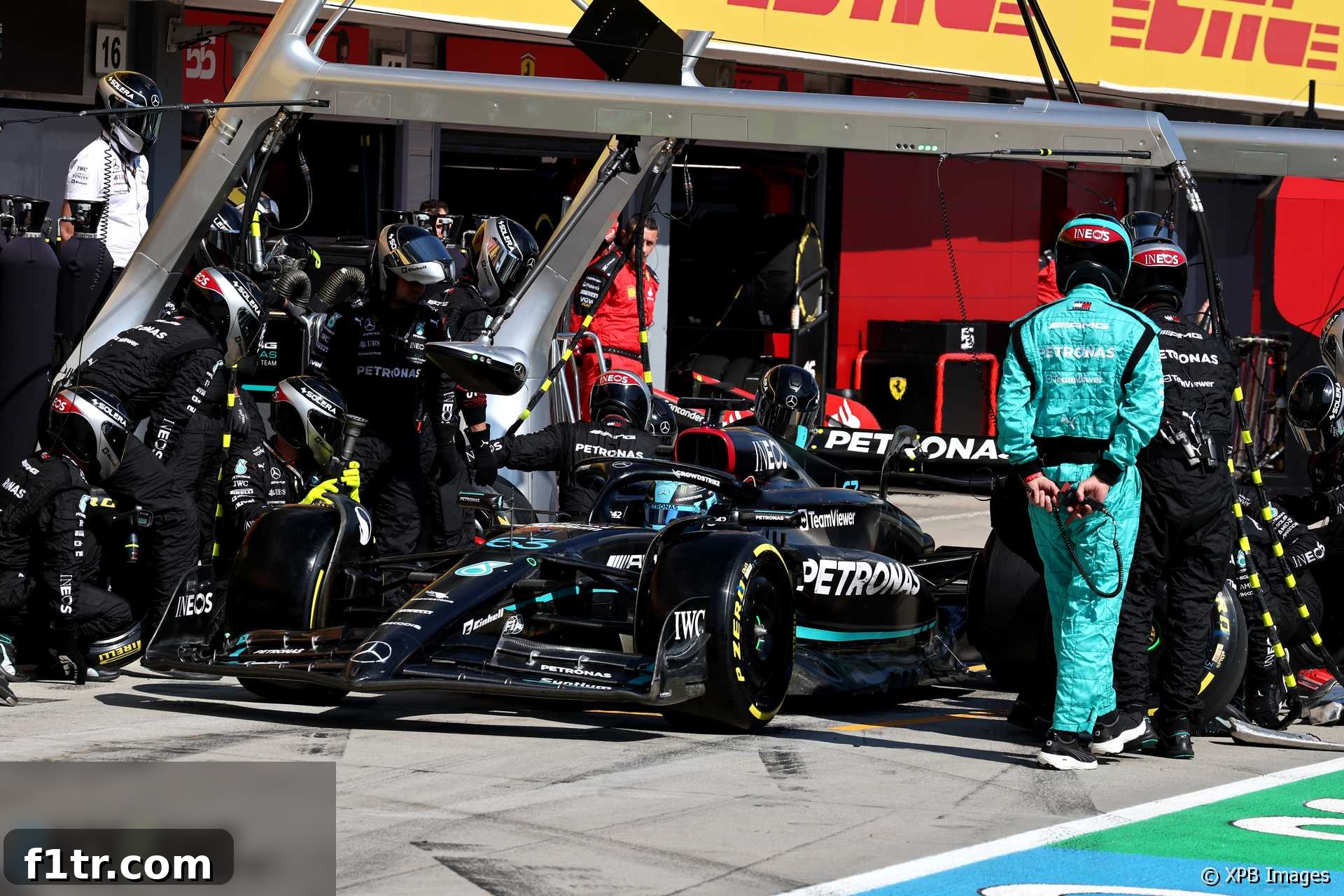
For several seasons, Formula 1 drivers have voiced strong criticisms about the escalating weight of their cars. The current generation of ground-effect machines, designed under the 2022 technical regulations, tip the scales at nearly 800 kilograms. This substantial weight has ramifications across all aspects of racing, impacting tire degradation, braking distances, aerodynamic sensitivity, and the overall agility that once defined Formula 1 cars. Many argue that heavier cars detract from the raw, visceral driving experience and make high-speed maneuvering more challenging, often leading to a perception of less thrilling on-track action.
In response to these pervasive concerns, the F1 Commission has confirmed that teams, alongside the FIA (Fédération Internationale de l’Automobile) and FOM (Formula One Management), are actively collaborating to draft a robust set of regulations for 2026. This collective effort is specifically geared towards tackling the critical issue of car weight. The dialogue in relevant Advisory Committees has been described as constructive, indicating a shared commitment to finding effective solutions that align with the sport’s future vision.
The F1 Commission recently released a statement underscoring the progress made: “While the core targets have remained unchanged, there has been constructive dialogue in the relevant Advisory Committees between the FIA, FOM and the teams that continues to shape the direction of the future regulations. Significant progress has been made on this project that is ongoing, and the FIA is currently analysing the most effective ways to achieve a significant reduction in the size and weight of the cars, as well as improving the energy management.” This commitment highlights a multi-faceted approach, not just focused on shedding kilograms but also optimizing the complex energy recovery systems inherent to modern hybrid power units, thereby ensuring both performance and sustainability.
Among the many prominent technical figures advocating for lighter cars is James Allison, the esteemed technical director at Mercedes. Allison has consistently echoed the drivers’ calls for a reversal of the weight trend, stressing the urgency of the matter ahead of the 2026 regulatory reset. His perspective, shared by many engineers within the paddock, underscores the profound engineering challenges inherent in this endeavor while also highlighting the imperative for change.
Speaking on the issue, Allison articulated his strong conviction: “This sort of inexorable upward trend in weight is something that has to be arrested and then reversed. Because year-on-year they were getting heavier.” He further explained the complexities involved in designing new rules: “It isn’t super-trivial to get the weight moving in the other direction. It is particularly tricky to dream up technical rules that are going to make the car much lighter.” Allison’s pragmatic suggestion to achieve this goal involves lowering the minimum weight limit, thereby compelling teams to innovate and make difficult design choices. “The way to make it lighter, I think, is to lower the weight limit and make it our problem,” he stated. “If cars are over the limit, then it forces us all to make some fairly difficult decisions about what we put in our cars and what we don’t. But not everyone agrees with that point of view. But that’s sort of, I think, the most guaranteed way to put downward pressure on the weight of the car.” This approach would shift the onus onto individual teams, encouraging creative engineering solutions within a more restrictive and demanding framework.
The Evolving Weight of Formula 1 Cars: A Historical Perspective (1961 – 2023)
The minimum weight limit in Formula 1 has undergone a fascinating evolution throughout the sport’s history, reflecting changes in technology, safety standards, and performance philosophies. From the relatively featherlight machines of the early decades to the increasingly robust and complex cars of the modern era, the upward trajectory of weight has been a constant subject of debate. The journey from rudimentary chassis designs to sophisticated hybrid power units and advanced aerodynamic packages tells a story of relentless innovation, but also of compromises and the cumulative effect of adding more components and safety features.
NB. Separate minimum weight limits were enforced for turbocharged and normally-aspirated cars in 1987 and 1988, highlighting early attempts to balance performance across differing engine concepts. This historical data provides critical context for understanding the current discussions surrounding the 2026 regulations.
In the nascent years of Formula 1, cars were inherently lighter, often weighing less than 500kg, relying on minimalist designs and simpler mechanical components. As technology advanced, particularly in areas like aerodynamics, engine power, and structural integrity, weight began to creep up. The introduction of turbocharging in the 1980s, followed by the V10 and V8 eras, saw incremental increases, often dictated by new safety requirements and the addition of sophisticated electronic systems. By the turn of the millennium, safety became an even more paramount concern, leading to stronger chassis, enhanced crash structures, and mandatory safety features like the HANS device, all of which added mass to the vehicles.
The most significant leap in weight came with the introduction of the hybrid power units in 2014. These highly complex systems, comprising internal combustion engines, advanced energy recovery systems (ERS), substantial batteries, and associated cooling apparatus, brought a considerable weight penalty. While offering unprecedented efficiency and power, they pushed the minimum weight limit significantly higher. Furthermore, larger tires and wheels, more elaborate aerodynamic appendages, and reinforced chassis to cope with increased G-forces and higher cornering speeds have all contributed to the current generation of F1 cars being the heaviest in the sport’s history.
Understanding this historical trend is crucial for appreciating the challenge faced by the FIA and teams. Reversing decades of weight increase, driven by a combination of performance gains, safety advancements, and technological complexity, requires a fundamental re-evaluation of design principles and materials. The 2026 regulations offer a unique opportunity to break this cycle and redefine what a Formula 1 car should embody in terms of weight, size, and agility, aiming for a more harmonious balance between technology and dynamic performance.
The Impact of Car Weight on Formula 1 Racing and Driver Skill
The current weight of Formula 1 cars has a profound impact on the racing spectacle and the demands placed on drivers. Heavier cars inherently lead to longer braking distances, reduced agility in directional changes, and a greater propensity for tire overheating and degradation. This can often translate into less dynamic on-track action, as drivers might be more hesitant to push the limits due to the car’s increased inertia and the persistent challenges of managing delicate tire temperatures. The sheer physical mass makes the cars less responsive and more challenging to maneuver through tight chicanes and high-speed corners.
Many purists and veteran drivers argue that the essence of Formula 1 lies in extreme agility and pinpoint precision, qualities that are diminished by bulkier machines. Lighter cars would allow for more aggressive driving, later braking, and swifter changes of direction, potentially leading to more thrilling overtakes and closer wheel-to-wheel battles. A significant reduction in weight could also reduce the car’s overall energy requirements, indirectly contributing to sustainability goals by potentially allowing for smaller fuel loads or more efficient energy regeneration cycles, as less energy would be needed to propel and stop the vehicle.
Moreover, the physical demands on drivers, while always immense, are subtly altered by car weight. While heavier cars undeniably require greater strength and endurance to manage over a race distance, lighter cars can demand a different kind of finesse and a more delicate touch at the limit, rewarding precision and sensitivity. The anticipated shift towards lighter vehicles is expected to bring back a more nimble and responsive driving experience, which many drivers and fans believe is fundamental to Formula 1’s identity and its appeal as the pinnacle of motorsport.
A Holistic Approach: The Broader Vision for 2026 Technical Regulations
While car weight reduction is a primary focus, the 2026 technical regulations represent a far more comprehensive overhaul of Formula 1. The new 1.6-litre V6 power units are designed to be significantly more sustainable, featuring a greater proportion of electrical power output (up to 50%) and running on 100% sustainable fuels. This unwavering commitment to environmental responsibility is a cornerstone of Formula 1’s future strategy, aiming to achieve Net Zero Carbon by 2030 and position the sport as a leader in sustainable innovation within the automotive sector.
The integration of these advanced, sustainable power units with a lighter chassis design presents a complex engineering challenge and a remarkable opportunity. The FIA’s commitment to “improving the energy management” signifies an intent to optimize the synergy between the internal combustion engine and the advanced electrical systems, ensuring maximum efficiency and performance within the new weight targets. The goal is to make the cars not only lighter but also smarter in how they utilize and regenerate energy throughout a race, pushing the boundaries of hybrid technology.
Furthermore, the chassis regulations will also consider aerodynamic simplification. The ground effect philosophy introduced in 2022, while largely successful in bringing cars closer together on track, might see adjustments to reduce sensitivity to dirty air and further enhance overtaking opportunities. The combination of smaller dimensions, reduced weight, and refined aerodynamics is intended to create a generation of Formula 1 cars that are inherently better for racing, more appealing to drivers, and more relevant to the automotive industry’s future trajectory towards efficiency and sustainability. This integrated approach promises a fundamental redefinition of what a Formula 1 car truly is.
Navigating the Challenges and Looking Ahead to 2026
Achieving a significant reduction in car weight, while simultaneously integrating advanced hybrid technologies and ensuring maximum safety, is not without its challenges. Safety remains the paramount concern in Formula 1, and any changes must not compromise the structural integrity of the chassis or the unparalleled protection offered to drivers. Engineers will need to explore truly innovative materials, advanced manufacturing techniques, and intelligent design strategies to shed weight without sacrificing strength, durability, or the crucial performance of hybrid components.
Balancing the interests of all ten teams, each with their own design philosophies, technical strengths, and resource capabilities, also presents a complex task for the FIA. The regulations must be fair, enforceable, and designed to promote competitive racing across the entire grid, preventing any single team from gaining an insurmountable advantage. The ongoing “constructive dialogue” in the Advisory Committees is therefore vital for ensuring that the final rules are robust, universally accepted, and conducive to a thrilling, unpredictable championship.
The anticipation for the 2026 season is building rapidly. Should the FIA and teams succeed in delivering on their promise of smaller, lighter, and more agile cars, combined with sustainable power units and enhanced energy management, Formula 1 could enter one of its most exciting and innovative periods. The potential for significantly enhanced racing, a reduced environmental impact, and a renewed focus on raw driver skill makes this comprehensive regulatory overhaul a pivotal moment for the sport’s future, capturing the imagination of fans worldwide.
Conclusion: A Lighter, Brighter Future for Formula 1
The ongoing discussions and significant progress towards reducing the size and weight of Formula 1 cars for the 2026 season mark a decisive and forward-looking step in the sport’s evolution. Driven by direct feedback from drivers, the inherent technical challenges of modern machinery, and an overarching desire for more dynamic and engaging racing, this regulatory shift aims to address fundamental issues that have emerged with the increasing complexity and mass of contemporary F1 vehicles. By embracing lighter designs, optimizing energy management systems, and integrating cutting-edge sustainable technologies, Formula 1 is poised to deliver a more agile, exciting, and environmentally conscious product to its global audience.
The road to 2026 will undoubtedly involve intricate engineering decisions, rigorous testing, and strategic choices from all stakeholders, but the promise of a revitalized racing experience offers a compelling vision for the future of motorsport’s pinnacle. This concerted effort towards smaller, lighter, and more sustainable cars is not merely a technical adjustment; it represents a commitment to the core values of speed, agility, and driver heroism that have always defined Formula 1, ensuring its continued relevance and appeal for generations to come.