Formula 1’s Grand Finale: Unpacking the Yas Marina Post-Season Test
The engines roared once more at the iconic Yas Marina Circuit in Abu Dhabi, marking the conclusive official Formula 1 track action of the year. This crucial post-season test serves a dual purpose: it’s a vital platform for Pirelli to evaluate new tire compounds for the upcoming season, and an invaluable opportunity for aspiring young drivers to experience the pinnacle of motorsport firsthand in an F1 car.
Every single one of the ten Formula 1 teams actively participated in this comprehensive test. Each team fielded two cars – one dedicated to the rigorous Pirelli tire development program, focusing on data acquisition and performance analysis for future compounds. The second car was allocated to a promising rookie or less experienced driver, offering them a taste of top-tier racing machinery and allowing teams to assess their potential and provide crucial track time for their development programs. This unique structure ensures both the evolution of the sport’s technical aspects and the nurturing of its future talent.
This article delves into the specifics of this pivotal test, highlighting the strategic importance, the key participants, and what each team aimed to achieve on the final day of official running before the winter break.
Strategic Significance: Why Post-Season Testing Matters
The post-season test at Yas Marina is far more than just an extended track day; it’s a cornerstone of Formula 1’s continuous development cycle. For Pirelli, the sole tire supplier, it represents the culmination of months of research and development. New tire constructions and compounds, designed to improve performance, durability, and safety, are rigorously put through their paces in real-world conditions. Teams provide invaluable feedback, helping Pirelli fine-tune their products to meet the evolving demands of the sport and the specific characteristics of the next generation of F1 cars.
Beyond tires, the test allows teams a rare chance to experiment without the pressure of a race weekend. They can trial new aerodynamic concepts, suspension setups, and electronic systems that might otherwise be too risky to introduce during competitive sessions. This data gathering is crucial for setting the direction of car development over the long winter break, potentially providing a competitive edge for the following season. It’s an early glimpse into the strategic thinking and technical ambitions that will define the next championship campaign.
Yas Marina: An Ideal Testing Ground
The selection of the Yas Marina Circuit in Abu Dhabi as the venue for this end-of-season test is no coincidence. Its modern facilities, diverse track layout, and consistently warm climate make it an ideal environment for comprehensive data collection. The circuit features a mix of high-speed sections, technical corners, and heavy braking zones, providing a full spectrum of conditions to test both car performance and tire wear. The stable weather conditions minimize variables, allowing for more consistent and reliable data comparison, which is paramount for both Pirelli and the teams as they prepare for the rigorous demands of the next Formula 1 season.
Pirelli’s 2024 Tyre Development Program
Central to the Yas Marina test is Pirelli’s mission to refine its tire offerings for the upcoming F1 season. Drivers spent considerable time evaluating various prototypes, focusing on aspects like degradation rates, thermal performance, and overall grip levels across different fuel loads and car setups. The objective is to identify the most suitable range of compounds that will deliver exciting racing while also meeting the performance targets set by the FIA and the teams. Feedback gathered on this day directly influences the final specifications of the tires that will be used in competitive Grands Prix, making every lap a critical piece of the puzzle for future performance.
Nurturing Future Talent: The Young Driver Test
Equally significant is the opportunity afforded to young and inexperienced drivers. This dedicated session allows rising stars from junior categories to get behind the wheel of an F1 machine, often for the very first time. It’s a high-stakes audition where they can demonstrate their speed, consistency, and ability to provide technical feedback to engineers. For many, it’s a dream realized and a potential stepping stone towards a full-time F1 seat. Teams use this opportunity to assess their academy drivers, identify new talents, and give them crucial mileage that aids their overall development, keeping the talent pipeline flowing for the future of Formula 1.
Teams and Drivers in Action: A Detailed Look
The paddock buzzed with activity as all ten Formula 1 teams deployed their cars. Each team had a clear agenda, whether it was validating new components, understanding tire behavior, or evaluating the capabilities of their prospective stars. Here’s a closer look at some of the notable participants and their roles during this critical test day:
Red Bull Racing
The reigning champions brought out Jake Dennis, their reserve driver and a highly accomplished simulator expert, alongside their experienced race driver Sergio Perez. Dennis focused on aero correlation work and providing consistent data on the new Pirelli compounds, leveraging his extensive simulator knowledge. Perez, meanwhile, helped to fine-tune car balance and provide comparative feedback on the new tires against the current specifications, ensuring Red Bull’s dominance continues into the next season.
Scuderia Ferrari
Ferrari utilized Carlos Sainz Jnr for their tire testing program, gathering crucial feedback on the new compounds with an experienced hand. Their young driver, Robert Shwartzman, impressed with consistent lap times, proving his capabilities and further cementing his position within the Ferrari driver academy. Charles Leclerc also had a stint behind the wheel, providing additional valuable input on the behavior of potential 2024 tires.
Mercedes-AMG Petronas F1 Team
Mercedes tasked George Russell with much of the tire development work, harnessing his analytical approach to provide detailed feedback on Pirelli’s prototypes. Rising star Frederik Vesti was given a significant amount of track time, demonstrating his potential and learning the intricacies of a complex F1 car under the watchful eyes of the Mercedes engineering team. Their focus was clearly on understanding the new tire characteristics and how they might influence their 2024 car design.
McLaren Formula 1 Team
Oscar Piastri, fresh off a stellar rookie season, contributed to McLaren’s tire testing agenda, providing his insightful feedback on the new compounds. Fan favorite Pato O’Ward, an IndyCar star, received another F1 opportunity, showcasing his speed and adaptability, further fueling speculation about his future in motorsport. McLaren aimed to maximize tire data and evaluate O’Ward’s continued progress.
Aston Martin Aramco Cognizant F1 Team
Aston Martin had a strong presence with Lance Stroll taking part in the tire testing, providing experienced input. Reigning Formula 2 champion Felipe Drugovich, a key part of Aston Martin’s development program, gained valuable mileage. Fernando Alonso also made an appearance, adding his vast experience to the data gathering efforts, especially regarding setup changes and their interaction with the new tires.
BWT Alpine F1 Team
Alpine utilized Esteban Ocon for their primary tire testing duties, focusing on understanding how the new compounds reacted to various car setups. Jack Doohan, an Alpine Academy driver, took the wheel for the young driver session, consistently delivering solid performance and demonstrating his continued growth within the F1 environment.
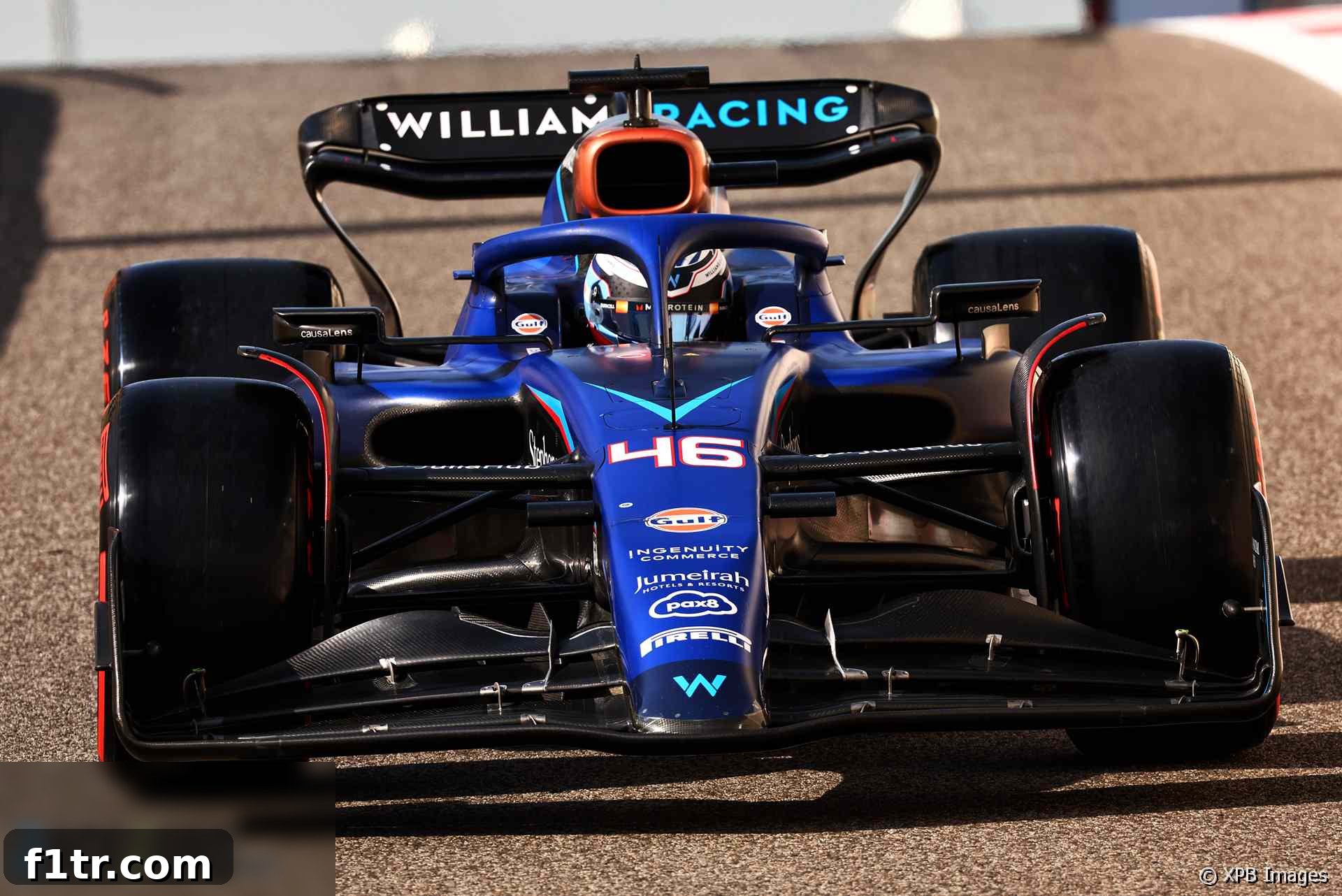
Williams Racing
Williams, eager to continue their resurgence, gave extensive running to Franco Colapinto, a promising young talent from their academy, and Zak O’Sullivan, another junior driver, both of whom gained invaluable F1 experience. Alexander Albon also contributed to the tire testing, ensuring the team collected comprehensive data from both seasoned and developing drivers.
Stake F1 Team Kick Sauber (Alfa Romeo in 2023)
Zhou Guanyu led the tire testing efforts for the Swiss outfit, providing important feedback for their future car development. Reigning Formula 2 champion Théo Pourchaire, who is a strong contender for a future F1 seat, was given significant track time, allowing him to further familiarize himself with the F1 car and impress the team with his speed and feedback.
Scuderia AlphaTauri
Daniel Ricciardo, looking ahead to a full season with the team, participated in the tire testing, offering his vast experience to guide AlphaTauri’s development. Japanese talent Ayumu Iwasa, a Red Bull junior, also had his opportunity in the F1 car, gaining essential experience and proving his capabilities on the grand stage.
MoneyGram Haas F1 Team
Haas relied on Pietro Fittipaldi for their tire testing program, utilizing his previous F1 experience to gather crucial data. Young Briton Oliver Bearman, a highly-rated Ferrari junior, spent significant time in the Haas car, showcasing his raw speed and technical prowess, making a strong case for future F1 opportunities.
Looking Ahead to 2024
As the final checkered flag fell at Yas Marina, signalling the official end of track activities for the year, the teams packed away not just their equipment, but also vast quantities of data. This information will be meticulously analysed over the winter months, shaping the design, development, and strategic direction for the 2024 Formula 1 season. The post-season test is a quiet yet profoundly influential period, setting the stage for what promises to be another thrilling championship battle.
F1 Pictures
- 2026 Japanese Grand Prix in pictures
- 2026 Japanese Grand Prix qualifying day in pictures
- 2026 Japanese Grand Prix practice in pictures
- 2026 Chinese Grand Prix in pictures
- 2026 Chinese Grand Prix qualifying and sprint race day in pictures
View more F1 pictures