World Endurance Championship Unveils Thrilling 2019-2020 Calendar: A New Era of Endurance Racing
The highly anticipated 2019-2020 season of the World Endurance Championship (WEC) is set to usher in a new era for motorsport fans and competitors alike. The provisional calendar, recently revealed by the championship organizers, promises a dynamic and engaging schedule, meticulously crafted to respond to invaluable fan feedback and enhance the spectacle of endurance racing. This upcoming season marks a significant evolution for the WEC, transitioning from the experimental ‘super-season’ format to a more conventional yet innovative approach.
Kicking off with a spectacular four-hour race at the legendary Silverstone Circuit, the season immediately signals a shift in strategy. This opener, traditionally a six-hour event, has been thoughtfully shortened to offer a more condensed and action-packed experience for spectators and a different strategic challenge for teams. Similarly, the third race on the calendar, held at the vibrant Shanghai International Circuit, will also adopt the four-hour format, moving away from its previous six-hour duration. These adjustments reflect a concerted effort by the WEC to diversify its race lengths and cater to a broader audience, ensuring each event offers a unique flavor of endurance competition.
Iconic Returns and Global Reach: Expanding the WEC Footprint
The 2019-2020 WEC calendar is notably enriched by the return of two beloved venues, significantly expanding the championship’s global footprint and bringing the thrill of endurance racing to passionate fans across different continents. Brazil is poised to make a grand comeback to the championship in 2020, hosting a WEC event for the first time since the dramatic 2014 season finale. This return to Sao Paulo not only reignites a strong connection with South American motorsport enthusiasts but also harks back to a rich history of endurance racing in the region, promising an electrifying atmosphere for drivers and teams alike.
Equally significant is the rejoining of the Bahrain International Circuit to the WEC schedule. Absent from the current extended ‘super-season’, Bahrain’s return ensures the championship maintains its vital presence in the Middle East, a crucial market for global motorsport. This desert race, known for its challenging conditions and strategic complexity, will be one of two exhilarating eight-hour events on the calendar, providing an intense test of endurance under the floodlights. The inclusion of Bahrain alongside the iconic Sebring International Raceway, whose final date is yet to be confirmed, underscores the WEC’s commitment to delivering a diverse range of challenges and showcasing the pinnacle of long-distance racing.
A Calendar Shaped by Fans: Diverse Race Durations
A standout feature of the 2019-2020 WEC calendar is its innovative approach to race lengths, a direct response to comprehensive fan surveys. WEC CEO Gerard Neveu articulated this fan-centric philosophy, stating, “Our fans spoke, we listened and have reacted.” This candid acknowledgement highlights a proactive championship that values its audience, striving to create a more engaging and accessible product. The calendar now boasts a spectrum of race durations: two four-hour sprints, three six-hour classics, two demanding eight-hour tests, and of course, the unparalleled 24 Hours of Le Mans.
This variation in race length is not merely a cosmetic change but a strategic one designed to cater to different aspects of endurance racing. The shorter four-hour races, such as those at Silverstone and Shanghai, aim for intense, action-packed events that are easier for new fans to follow and for established fans to enjoy without the full time commitment. The traditional six-hour races at Fuji and Spa-Francorchamps continue to represent the classic WEC format, balancing speed with strategic endurance. The eight-hour events at Bahrain and Sebring push teams and drivers further, demanding deeper strategic planning and greater physical resilience. Ultimately, this diverse format ensures that each round presents a unique challenge and spectacle, keeping the championship fresh and unpredictable throughout the season.
The Pinnacle: Le Mans and the Season Finale
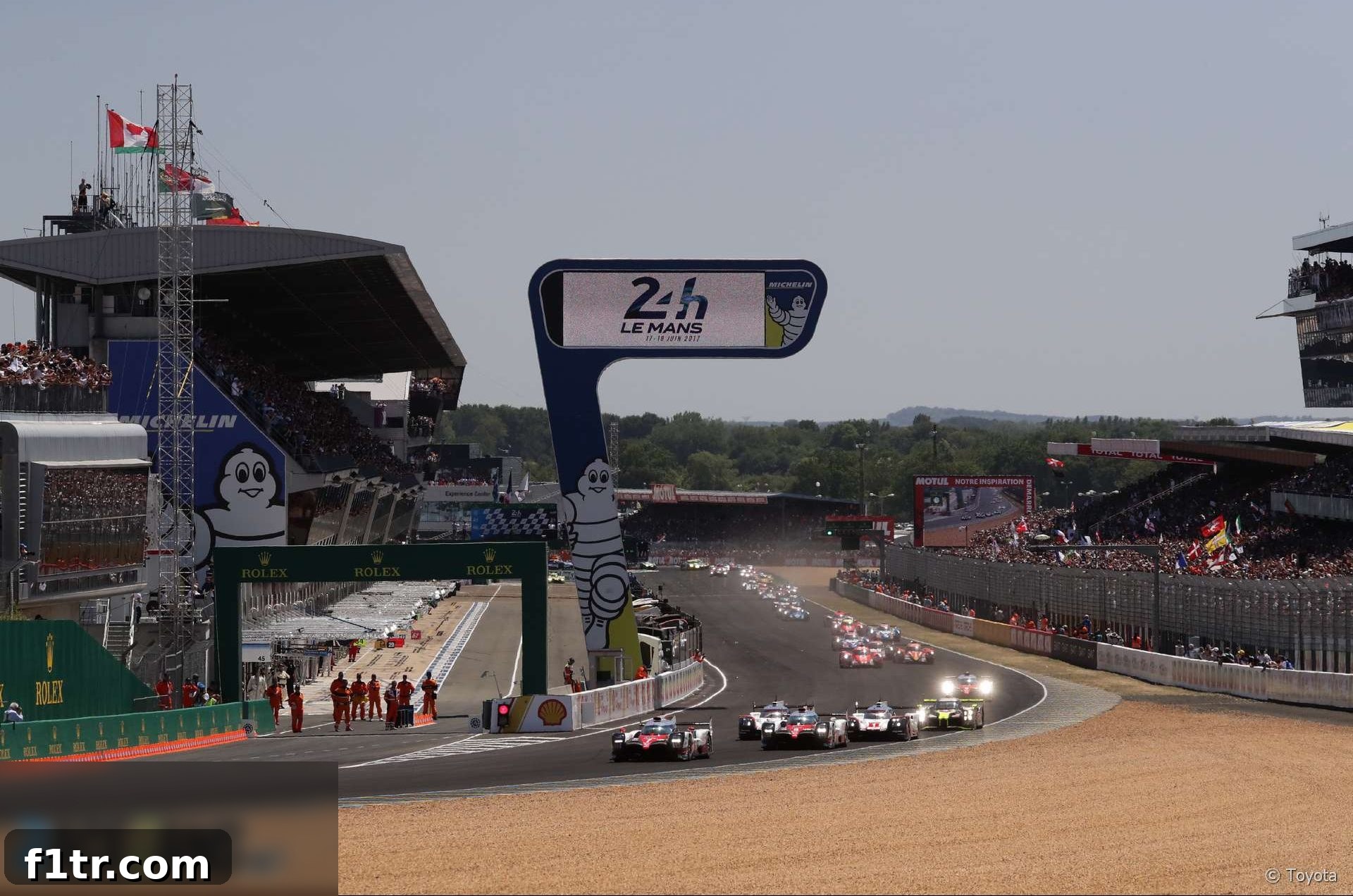
As tradition dictates, the Le Mans 24 Hours will retain its esteemed position as the grand finale of the World Endurance Championship season. Scheduled for June 13th-14th, 2020, this iconic event stands as the ultimate test of speed, endurance, and human spirit. Le Mans is more than just a race; it is a pilgrimage for motorsport enthusiasts, a crucible where legends are forged and dreams are realized. Its 24-hour non-stop challenge pushes prototypes and GT cars to their absolute limits, demanding flawless execution from drivers, engineers, and pit crews. Ending the season at Le Mans ensures a climactic conclusion, where championship titles are often decided in the most dramatic fashion possible.
Beyond Le Mans, the calendar offers a thrilling journey across some of the world’s most renowned racetracks. Fuji Speedway in Japan provides a distinctive challenge with its long straights and technical sector, while the legendary Spa-Francorchamps circuit in Belgium, with its unpredictable Ardennes weather and iconic Eau Rouge-Raidillon complex, consistently delivers breathtaking racing. These circuits, along with the returning venues, form a cohesive and compelling schedule that highlights the diverse nature of global motorsport and the comprehensive demands of endurance racing.
Strategic Planning and Future Ambitions
The revised calendar and varied race lengths also present new strategic challenges for competing teams. Driver stint management, fuel consumption, tire degradation, and pit stop timings will all need to be meticulously optimized for each specific race duration. The shorter races demand an aggressive, sprint-like approach from the outset, while the longer eight-hour and 24-hour events require a more measured, strategic pace and the ability to adapt to changing conditions and emerging scenarios. This strategic complexity adds another layer of intrigue for fans, who can follow the ebb and flow of fortune throughout each event.
WEC CEO Gerard Neveu further hinted at the championship’s ongoing commitment to growth, revealing plans to introduce an additional round to the 2020-2021 calendar. This ambition aims to create a schedule with “more or less an event every month to help maintain interest,” ensuring continuous engagement for fans and a steady rhythm for teams. This forward-thinking approach underscores the WEC’s dedication to solidifying its position as a premier global motorsport series, continuously evolving to meet the expectations of its stakeholders and the excitement of its loyal fanbase.
The 2019-2020 World Endurance Championship season is poised to be a landmark year, blending traditional endurance values with modern fan-centric innovations. With a diverse array of circuits, varied race lengths, and the promise of intense competition, the stage is set for an unforgettable journey through the world of top-tier motorsport.
Provisional 2019-2020 WEC Calendar
| Round | Date | Venue | Duration |
|---|---|---|---|
| 1 | 1st September 2019 | Silverstone | Four hours |
| 2 | 13th October 2019 | Fuji | Six hours |
| 3 | 17th November 2019 | Shanghai | Four hours |
| 4 | 14th December 2019 | Bahrain | Eight hours |
| 5 | 1st February 2020 | Sao Paulo | Six hours |
| 6 | TBA (March 2020) | Sebring | Eight hours |
| 7 | 3rd May 2020 | Spa-Francorchamps | Six hours |
| 8 | 13th-14th June 2020 | Le Mans | 24 hours |
Stay Updated with World Endurance Championship News
Follow the World Endurance Championship on social media for the latest updates:
- Join WEC on Facebook
- Follow WEC on Twitter
- Get email updates from the World Endurance Championship
More World Endurance Championship Articles
- WEC 2020 Season Preview: What to expect
- The Legendary History of Le Mans 24 Hours
- How Fan Feedback Shapes Modern Motorsport Calendars
- Top Drivers to Watch in WEC 2019-2020
Browse all World Endurance Championship articles