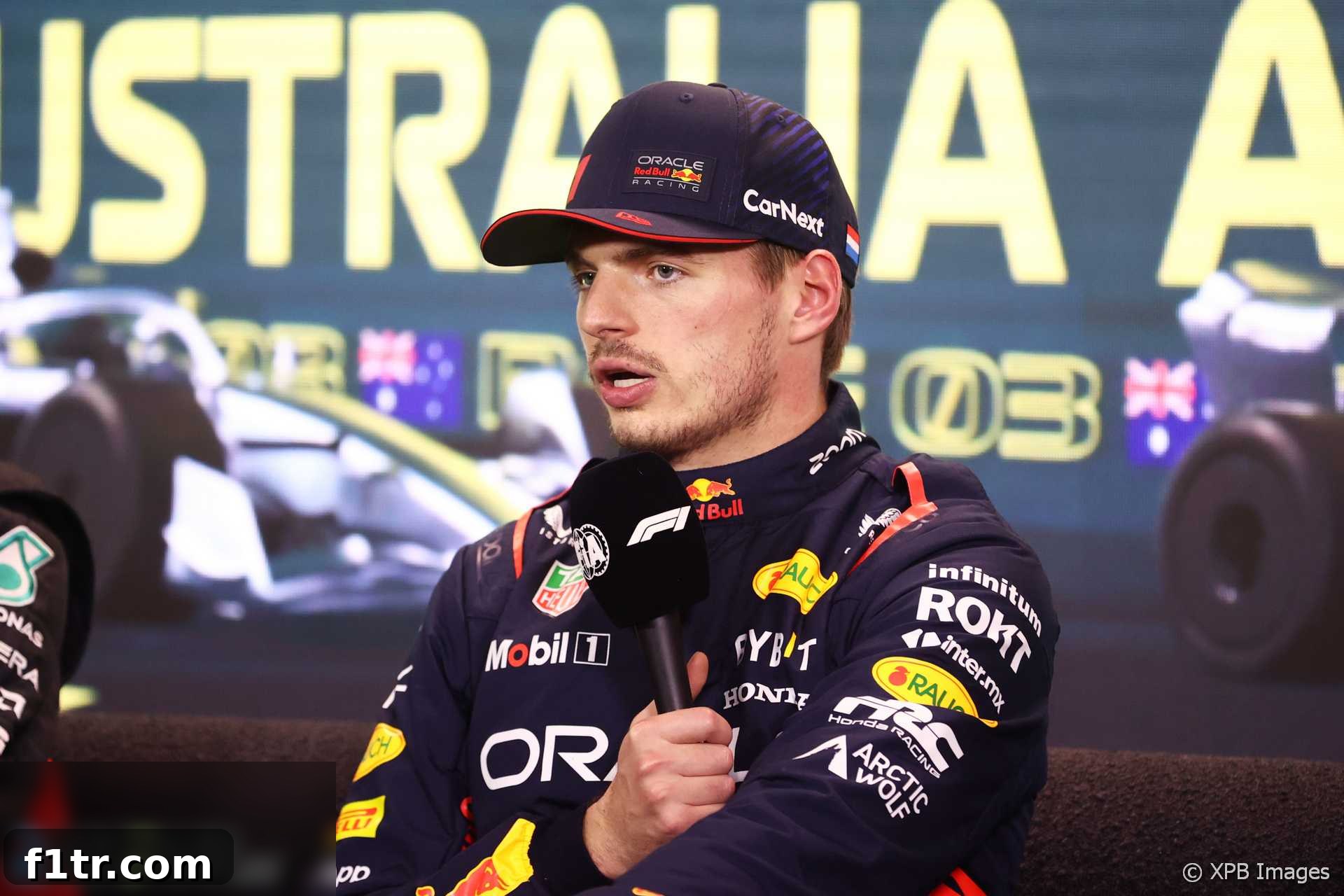
Two-time Formula 1 World Champion Max Verstappen has once again issued a stern warning to the sport’s governing bodies, reiterating his stance that further expansion of the sprint race format could ultimately lead him to reconsider his future in Formula 1. The Red Bull racing driver’s comments underscore a growing tension between traditionalists, driver welfare advocates, and Formula 1 management’s drive for increased spectacle and commercial opportunities.
Verstappen’s unequivocal statement, initially made yesterday, expressed that he “won’t be around for too long” should F1 continue to introduce more sprint races and additional competitive sessions into an already packed Grand Prix weekend schedule. This declaration comes at a critical juncture, as the series is actively evaluating potential modifications to the sprint format, with the first sprint event of the 2023 season slated to take place in Baku at the end of the month.
The 2023 Formula 1 calendar marks a significant shift in the sprint race landscape, seeing the number of these shorter competitive sessions double from three to six. This expansion is integrated into Formula 1’s longest-ever season, comprising a gruelling 23 rounds. For Verstappen, the increase in sprints is far from welcome. He candidly stated, “I’m not a fan of it at all,” expressing profound dissatisfaction with the direction the sport is taking regarding its weekend structure.
The Dutch sensation elaborated on his concerns, highlighting the intensified pressure and demands placed upon drivers and teams. “When we’re going to do all that kind of stuff, the weekend becomes even more intense, and we’re already doing so many races. So I think that is not the right way to go at it.” His comments resonate with the broader debate surrounding driver fatigue, mental strain, and the physical toll of a relentlessly expanding calendar, issues that have become increasingly prominent in recent seasons.
Verstappen’s outspoken views place him directly at odds with Formula 1 CEO Stefano Domenicali, who has consistently advocated for a more streamlined race weekend, favouring an increase in competitive running over extensive practice sessions. Domenicali’s vision aims to maximise excitement and engagement throughout the entire weekend, believing that every day should offer meaningful action for fans. However, Verstappen firmly believes that the current approach to achieving this goal is misguided.
While acknowledging the desire for constant excitement, Verstappen offered an alternative perspective on how F1 could enhance its appeal. “I understand, of course, they want to have like basically every day exciting. But then I think maybe it’s better to just reduce the weekend, only race on Saturday and Sunday and make those two days exciting.” This proposition suggests a focus on quality over quantity, concentrating the competitive elements into a more concise period, potentially enhancing the prestige and impact of each session rather than diluting it with additional events.
The repeated warnings from the reigning champion underscore his deep-seated conviction that Formula 1 is straying from its core values. Verstappen fears that the more the sport experiments with and alters the traditional race weekend format, the less personal enjoyment he derives from competing at the pinnacle of motorsport. With projections hinting at future seasons potentially featuring 24 or even 25 Grand Prix events, the prospect of adding further competitive elements like sprint races pushes him closer to his breaking point.
“We’re heading into seasons where you have at one point 24, 25 races because that’s where we’re going to head into,” Verstappen remarked. “And if we start adding even more stuff, it’s not worth it for me anyway. I’m not enjoying that.” This sentiment reflects a critical personal crossroads for a driver who has dominated the sport, suggesting that the pure joy of competition is being eroded by what he perceives as unnecessary and commercially driven format changes.
Despite Formula 1’s marketing efforts to highlight the entertainment value of sprint races, Verstappen remains unconvinced that they genuinely enhance the spectacle. For him, the strategic imperative in a sprint race is fundamentally different from a Grand Prix. “For me a sprint race is all about surviving. It’s not about racing,” he explained. This distinction is crucial, as it points to a tactical shift where drivers, especially those with a competitive car, prioritise safeguarding their machinery for the main event rather than engaging in risky, wheel-to-wheel battles. “For me, when you have a quick car, there’s nothing to risk. I prefer to just keep my car alive and make sure that you have a good race car for Sunday.” This pragmatic approach, while logical for a championship contender, inadvertently contradicts the very purpose of creating “exciting” sprint events.
Formula 1 has already demonstrated a willingness to revise the sprint race format since its inaugural introduction in 2021, and further changes are reportedly under consideration. However, Verstappen firmly believes that mere tweaks to the existing format are not the solution. His opposition runs deeper, rooted in a philosophical disagreement about the very essence of Formula 1.
“Even if you change the format, I just do not find it is the DNA of Formula 1 to do these kind of sprint races,” he asserted. For Verstappen, the sport’s authentic identity lies in a specific, time-honoured structure. “F1 is about getting the most out of it in qualifying and then have an amazing Sunday, a good long race distance. That’s the DNA of the sport and I don’t understand or I don’t know why we should change that.” This powerful statement champions the traditional Grand Prix weekend, where Saturday’s qualifying session is the ultimate test of single-lap pace and nerve, setting the stage for a strategic, enduring, and often dramatic Sunday race.
Instead of continually experimenting with the format of its events, Verstappen urged the series to concentrate its efforts on improving the fundamental quality of competition between the teams. He believes that genuine excitement and increased fan engagement will naturally follow if the playing field is levelled and more teams are genuinely capable of fighting for victories.
“I think the action has been good and how you get even more action is about getting the cars closer, getting more teams able to fight for the win,” he proposed. “I think naturally the show will be great if we have six, seven teams already fighting for a win, that would be insane, and you really don’t need to change anything.” This vision aligns with the sentiment of many F1 purists who long for an era of diverse winners and unpredictable races, driven by intense competition rather than artificial format variations. Achieving closer racing through stable technical regulations and a level competitive environment, rather than altering the weekend structure, is seen by many, including Verstappen, as the true path to enhancing Formula 1’s appeal and securing its long-term future without alienating its most valuable assets – its star drivers.
2023 Australian Grand Prix Insights
- Australian GP to forbid fans from entering track at end of this year’s race
- I only missed one chance to score points this year – Albon
- Formula 1’s stewards should listen to drivers less, not more
- Mercedes unsure whether gains seen in Melbourne were ‘track-specific’
- Why Ferrari saw a ‘real step forward in pure performance’ in point-less Australian GP
Browse all 2023 Australian Grand Prix articles