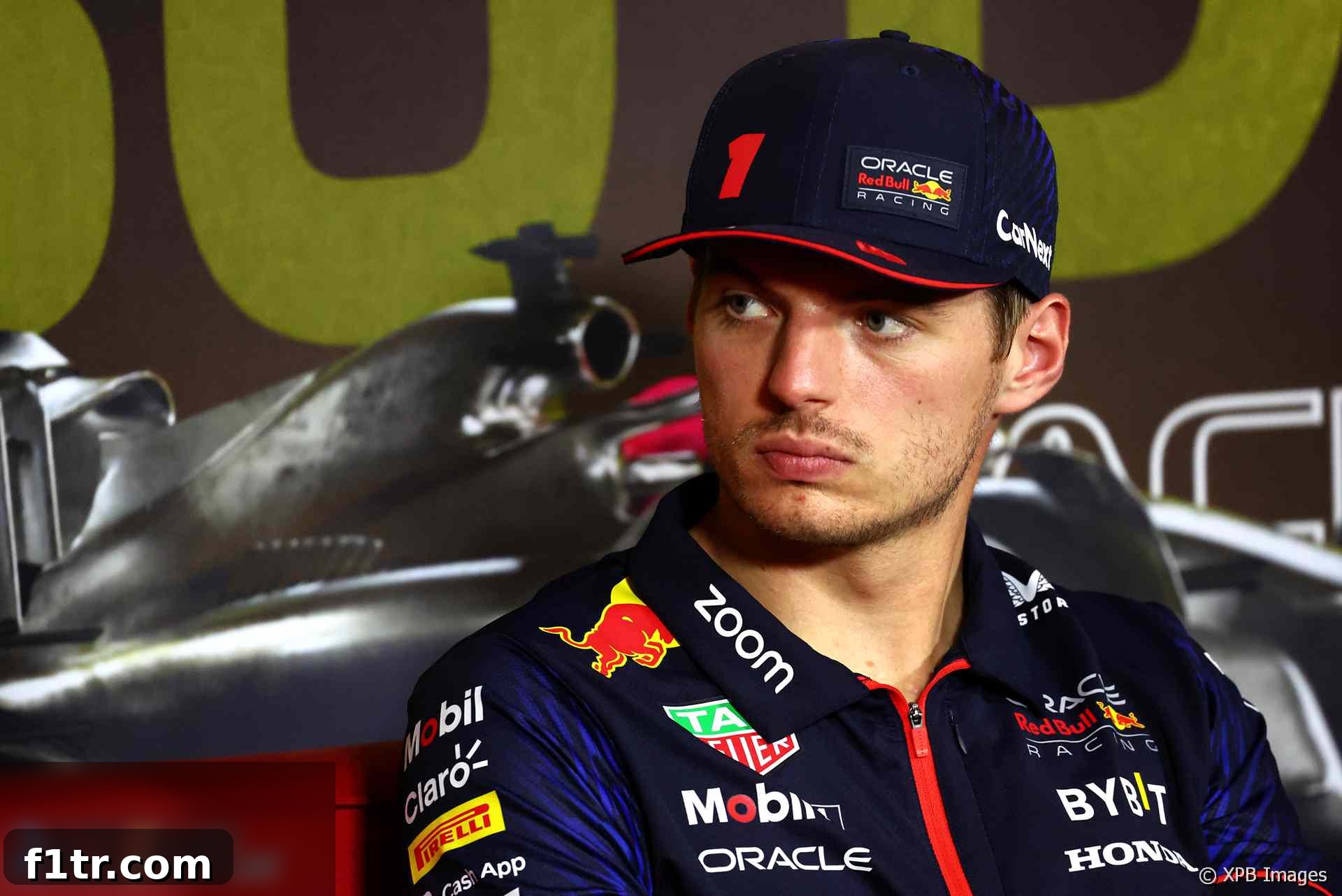
F1 Calendar Under Scrutiny: Verstappen Leads Calls for Rethink on Las Vegas-Middle East Back-to-Back Races
Formula 1’s ambitious global calendar, while expanding the sport’s reach, is increasingly facing criticism from within its own ranks. Reigning world champion Max Verstappen has been outspoken, urging F1 to reconsider the placement of its Las Vegas Grand Prix in immediate succession with rounds in the Middle East. This strategic clustering of races, particularly given the stark geographical and time zone differences, is sparking serious concerns among drivers and team personnel regarding sustainability and human well-being.
The core of the issue lies in the brutal effects of jet lag and the physical toll exacted by extreme time zone shifts. The recent schedule saw teams transition from the bright lights of Las Vegas to the season finale in Abu Dhabi in consecutive weekends. This journey involved a staggering 12-hour time difference, forcing bodies to adapt rapidly – a feat easier said than done, especially for athletes and critical staff operating at peak performance demands. Verstappen articulated the pervasive disorientation felt by many: “It’s a bit tough to understand what time zone that you’re in.” While acknowledging that the later timing of sessions in Vegas might offer a slight respite, allowing for more natural sleep patterns, the underlying challenge remains profound.
The Growing Challenge of Jet Lag for F1 Personnel
The gruelling nature of the Formula 1 calendar has long been a talking point, but the specific pairing of Las Vegas with the Middle Eastern rounds has brought the discussion to a head. For the 2023 season, Las Vegas was the first of two consecutive races. However, the 2024 F1 calendar intensifies this challenge, featuring a daunting triple-header at the end of the year: Las Vegas followed by Qatar and then Abu Dhabi. This sequence amplifies the logistical and physiological demands on every individual involved in the sport, from the elite drivers to the dedicated mechanics and engineers.
The physical and mental strain of constantly adjusting to new time zones can significantly impact performance, concentration, and overall health. Symptoms like fatigue, insomnia, digestive issues, and decreased cognitive function are common. For a sport where split-second decisions and precision are paramount, such widespread fatigue among personnel is a genuine concern for safety and competitiveness. Verstappen emphasized the need for a long-term solution, stating, “I definitely think for the future – of course for next year it’s not possible – but it’s a little bit odd that we are on the other side of the world basically before getting here.”
Sustainability: Beyond Carbon Emissions
Verstappen’s critique extends beyond individual discomfort to the broader implications for Formula 1’s stated commitment to sustainability. While F1 has made strides in addressing its carbon footprint by optimizing logistics and promoting greener technologies, the current calendar structure seems to contradict these efforts. The enormous distances covered in such a short span, requiring extensive air travel for hundreds of personnel and tonnes of equipment, inevitably generate substantial carbon emissions.
“Especially when you’re talking about sustainability,” Verstappen pointed out, “It’s probably not very sustainable, not only for the emissions but also for the human body.” This highlights a crucial distinction: sustainability in Formula 1 must encompass not only environmental responsibility but also the “human sustainability” of its workforce. The well-being of the entire paddock – the drivers, engineers, mechanics, strategists, and support staff – is vital for the sport’s long-term health and ability to attract and retain talent. While the F1 ecosystem is renowned for its resilience, there’s a limit to how much strain individuals can endure before performance, morale, and health are compromised.
Driver Experiences and Calls for Dialogue
Charles Leclerc offered a contrasting personal experience, having managed to mitigate the effects of jet lag by arriving in Los Angeles well in advance of the Las Vegas race. “I didn’t struggle at all, which normally I do in some races, but this time I think it’s so different,” he explained, attributing his successful adjustment to sufficient rest after a long flight. However, Leclerc was quick to acknowledge the widespread struggles among his peers and the wider paddock.
“But obviously then speaking around in the paddock and especially with the mechanics and engineers, everyone seems to be really, really tired and really struggling with it,” Leclerc revealed. This observation underscores that while individual coping strategies may vary, the systemic problem of calendar design disproportionately affects the vast majority of team personnel. Leclerc echoed Verstappen’s sentiment, adding, “which next year I think will be even more difficult because we’ll have three races in a row. After that I believe that we might rethink a little bit the way we organise this last part of the season.”
Both drivers are clear that this is a conversation that needs to happen with Formula 1 management. Verstappen indicated that drivers intend to engage with the sport’s organisers to explore potential adjustments: “We’ll talk to F1 about that, if there is something that we can do for the future to make it a little bit more of a normal end to the year. Because it’s already a lot of races, a lot of travelling in the end, after the summer break, basically.” He suggested that better geographical grouping of Grands Prix could significantly alleviate the burden. “I think we can do a little bit of a better job with placing the grands prix. But already for next year I think they are doing that at the start of the year, so that will help.”
F1’s Balancing Act: Global Expansion vs. Practicality
Formula 1 has already implemented some changes to its calendar structure to reduce travel and improve logistical efficiency, particularly in the earlier parts of the season. However, the commercial imperative to expand into lucrative markets like the United States and the Middle East often clashes with the practical realities of managing a truly global sporting spectacle. New races, especially in high-profile locations like Las Vegas, bring substantial revenue and exposure, which are critical for the sport’s growth and financial health.
The challenge for F1 management is to strike a delicate balance between commercial expansion and the operational sustainability of the sport. While the addition of new venues generates excitement and attracts new fans, it must not come at the cost of the well-being of the people who make the spectacle possible. Regionalizing the calendar, where races in similar geographical areas are grouped together, is a frequently proposed solution that could significantly reduce travel time, carbon emissions, and the impact of jet lag. While complex, such an approach could ensure that the sport’s global ambitions are realised in a manner that is both environmentally conscious and respectful of human limits.
Looking Ahead: Towards a More Balanced Calendar
The concerns raised by leading drivers like Max Verstappen and Charles Leclerc are not merely complaints; they are constructive feedback from individuals intimately familiar with the demands of the F1 circus. The increasing number of races, coupled with ambitious new venues, necessitates a continuous reassessment of the calendar’s structure. While immediate changes for the upcoming 2024 season may be challenging due to existing contractual obligations and logistical planning, the dialogue initiated by the drivers provides a vital opportunity for F1 to refine its long-term strategy.
Ultimately, a more thoughtfully organised calendar will benefit everyone involved, leading to healthier personnel, more consistent performance on track, and a more credible commitment to sustainability. The conversation about the Las Vegas Grand Prix’s placement within the Middle Eastern leg of the season is a critical step towards ensuring that Formula 1’s pursuit of global expansion aligns harmoniously with the well-being of its dedicated teams and its broader environmental responsibilities. As the sport continues to evolve, finding this equilibrium will be paramount for its sustained success and integrity.
2023 Abu Dhabi Grand Prix Related Articles
- Mercedes’ team photo shows we still have a long way to go on diversity – Hamilton
- Why luck was a factor in Perez’s penalty for “joke” comment
- Bottas and Zhou see encouraging signs from overhauled 2024 car
- Only Verstappen got the best from his car every weekend, rival team bosses admit
- How Sainz suffered the worst season finale for a driver since Schumacher in 1997
Browse all 2023 Abu Dhabi Grand Prix articles