Verstappen Stripped of Mexican GP Pole Position After Yellow Flag Infringement
A dramatic turn of events unfolded at the Autódromo Hermanos Rodríguez as Max Verstappen was controversially stripped of his pole position for the Mexican Grand Prix. The Red Bull Racing driver, who had initially set the fastest time in a thrilling qualifying session, was handed a three-place grid penalty by the FIA stewards. The ruling came after an investigation determined he failed to adequately slow down for yellow flags following Valtteri Bottas’s late crash in Q3.
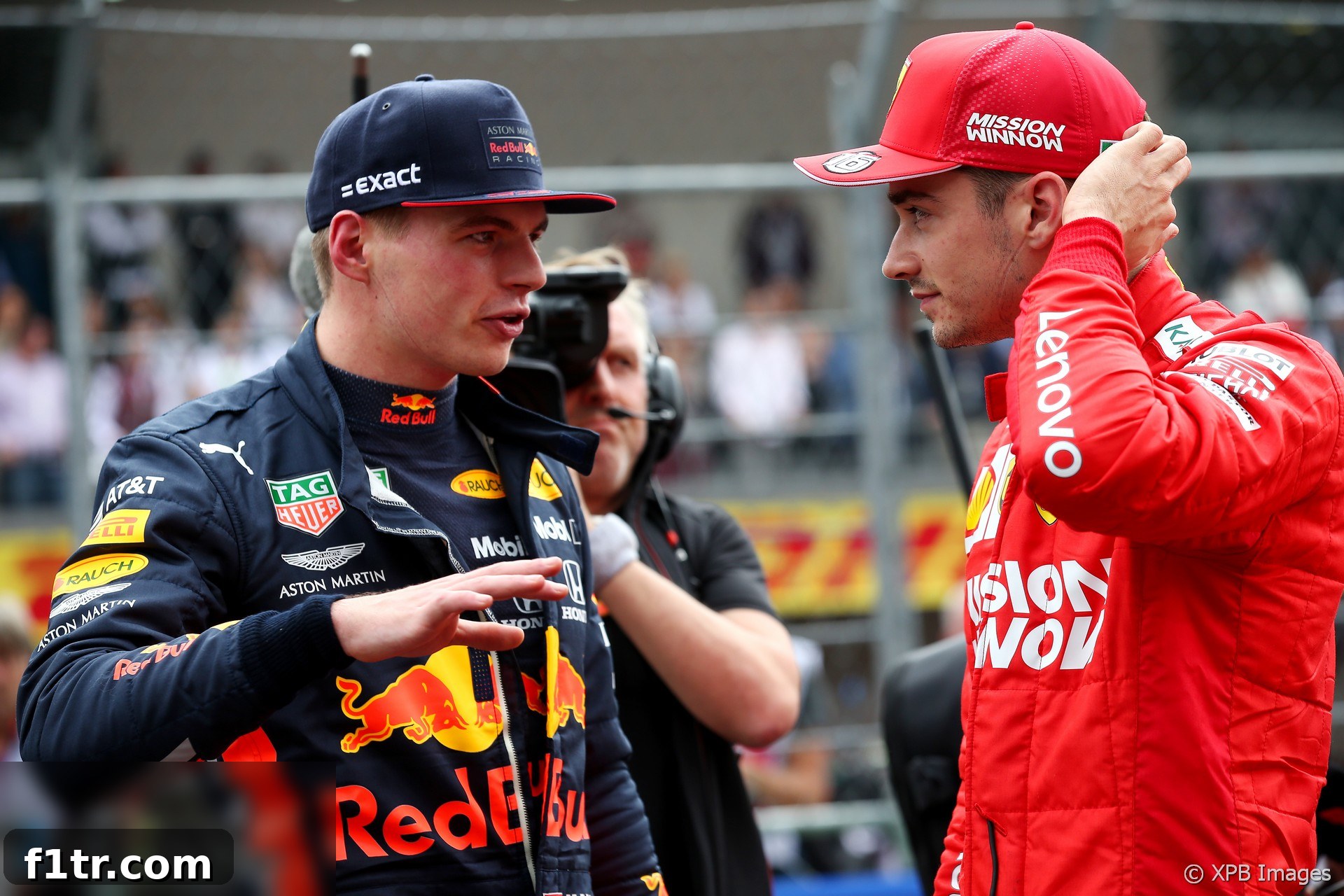
This penalty fundamentally reshapes the starting grid for tomorrow’s highly anticipated race. Ferrari’s Charles Leclerc now inherits pole position, elevating the young Monegasque driver to the front of the pack. Joining him on the front row will be his veteran Ferrari teammate, Sebastian Vettel, marking a crucial one-two start for the Scuderia. The decision sent shockwaves through the paddock, igniting debates over racing regulations and driver conduct under caution.
The Incident: Bottas’s Crash and the Yellow Flag Protocol
The pivotal moment occurred in the dying seconds of Q3 when Mercedes driver Valtteri Bottas suffered a high-speed crash at the demanding Peraltada corner. Bottas lost control of his W10, hitting the barriers hard and scattering debris across the track. This incident immediately triggered single waved yellow flags in the sector, signaling drivers to reduce speed and be prepared to change direction due to a hazard on or near the track. Yellow flags are a fundamental safety measure in motorsport, designed to protect marshals, medical personnel, and other drivers by ensuring reduced speeds in hazardous areas.
The FIA International Sporting Code, specifically its Appendix H, outlines stringent rules regarding yellow flags. A single waved yellow flag requires drivers to “reduce their speed significantly” and be prepared to take evasive action. It prohibits overtaking. A double waved yellow flag, which signifies a more severe obstruction or personnel on track, mandates drivers to “be prepared to stop” and further reduce speed. The stewards’ investigation focused on Verstappen’s adherence to these critical safety protocols in the immediate aftermath of Bottas’s incident.
Stewards’ Verdict: Verstappen’s Admission and Penalty
During the post-qualifying inquiry, the stewards summoned Max Verstappen to review the telemetry and onboard footage from his Red Bull car. Verstappen, in his testimony, admitted to being aware of Bottas’s crash, stating that he saw the damaged Mercedes on the left-hand side of the track. However, he claimed he was “not aware of the waved yellow flag” and crucially, “admitted not reducing his speed on the yellow sector.” This admission became a central point in the stewards’ final decision.
Advert | Become a Supporter & go ad-free
The stewards meticulously reviewed the onboard footage from Verstappen’s car (Car 33) and concluded that the waved yellow flag was “clearly visible and was shown with enough notice.” They further noted a stark contrast in behavior by other drivers. Specifically, Sebastian Vettel (Car 5), who was immediately ahead of Verstappen on track, “reduced the speed significantly as per the regulations.” This comparison underscored Verstappen’s non-compliance with the safety directive, making his infringement particularly clear to the officiating body.
Consequently, the stewards imposed a three-place grid drop for the infraction, pushing Verstappen down from pole to fourth on the starting grid. In addition to the grid penalty, Verstappen was also issued two penalty points on his Super Licence, bringing his total to four. Accumulating twelve penalty points within a 12-month period results in an automatic race ban, highlighting the seriousness of such infringements and the FIA’s commitment to driver safety.
Grid Reshuffle: Leclerc on Pole, Ferrari Locks Front Row
The stewards’ decision has profound implications for the Mexican Grand Prix grid and the strategic landscape of the race. Charles Leclerc, who had shown impressive pace throughout the weekend, now starts from the coveted pole position. This marks another significant achievement for Leclerc in his debut season with Ferrari and provides a strong platform for him to challenge for victory.
Joining Leclerc on the front row will be his experienced teammate Sebastian Vettel, creating an all-Ferrari lockout at the front. This is a tremendous boost for the Maranello squad, giving them a strategic advantage heading into the first corner. Starting side-by-side, the two Ferrari drivers will have the opportunity to control the pace and potentially work together to manage their rivals. This outcome is particularly favorable for Ferrari, who had been in strong form and were already considered contenders for the win.
Max Verstappen will now start from fourth position, behind Mercedes driver Lewis Hamilton, who moves up to third. This reordering places Verstappen directly behind his championship rivals, making his task of fighting for victory considerably more challenging. The Red Bull driver will need an exceptional start and a strong strategic race to overcome the disadvantage of starting further back on a track where overtaking can be tricky.
Verstappen’s Reaction and Historical Context
Following the stewards’ ruling, Max Verstappen expressed his disappointment. In a statement issued by his team, he described the penalty as “very disappointing.” His earlier comments in the post-qualifying press conference, where he suggested that not slowing down for the yellow flags didn’t matter because Bottas’s car was off to the side, likely influenced the stewards’ stern stance. These comments were widely perceived as demonstrating a lack of understanding or respect for the safety regulations, which are non-negotiable in Formula 1.
This is not the first time Verstappen has faced penalties for similar yellow flag infringements. He received an identical three-place grid penalty at the 2018 Russian Grand Prix for failing to slow down under yellow flags during qualifying. The recurrence of this specific offense raises questions about his interpretation of the rules and the need for consistent adherence to safety protocols, regardless of perceived risk. The FIA’s firm response underscores their commitment to ensuring drivers consistently respect yellow flag procedures, which are vital for the safety of everyone involved in the sport.
NB. The FIA’s official ruling on Verstappen’s penalty initially cited “Appendix H Article 2.4.5.1. (b) of the FIA International Sporting Code.” However, RaceFans understood from the FIA that the correct rule Verstappen actually broke was Article 2.5.5 (b). This clarification, while minor in its impact on the penalty, highlights the complexity and detail of the regulatory framework governing Formula 1.
The dramatic reshuffle of the grid promises an exhilarating Mexican Grand Prix. With Charles Leclerc and Sebastian Vettel leading the charge for Ferrari, and Lewis Hamilton and a determined Max Verstappen hot on their heels, the race is set to be a strategic battle from lights out to the checkered flag. The incident serves as a stark reminder of the precision and discipline required at the pinnacle of motorsport, where even a slight deviation from the rules can have monumental consequences.
- Updated 2019 Mexican Grand Prix grid
Don’t miss anything new from RaceFans
Follow RaceFans on social media for the latest updates and breaking news:
- Join RaceFans on Facebook
- Follow RaceFans on Twitter
- Get daily email updates from RaceFans
Advert | Become a RaceFans supporter andgo ad-free
Explore More from the 2019 F1 Season
- Crying in the Melbourne car park at 2019 grand prix was my career low – Ocon
- McLaren Racing reports reduced £71 million loss in 2019
- Kvyat: Hockenheim podium last year was “my biggest achievement” so far
- How the FIA’s new encrypted fuel flow meter targets Ferrari’s suspected ‘aliasing’ trick
- “He smashed my office door”: 23 must-see moments from ‘Drive to Survive’ season two
Browse all 2019 F1 season articles