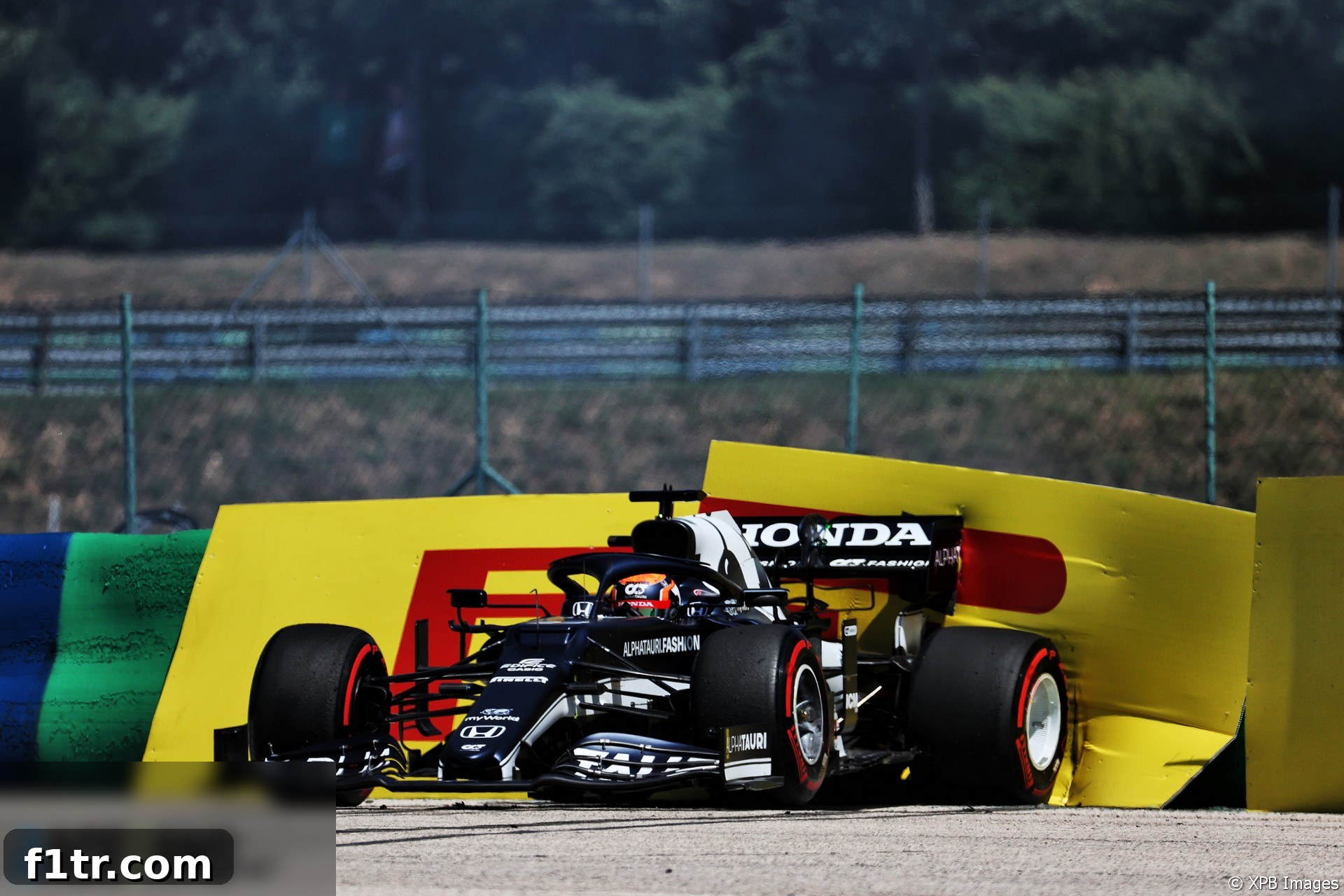
As the demanding Formula 1 season progresses into its crucial second half, AlphaTauri rookie Yuki Tsunoda faces a pivotal moment in his burgeoning career. The young Japanese driver has openly acknowledged the need for significant self-improvement, stating his firm intention to “settle more and control myself” on track. This introspection comes after a challenging inaugural season marked by a series of incidents that have often overshadowed flashes of undeniable speed and potential.
Tsunoda’s journey into the elite world of Formula 1 was met with considerable excitement, fueled by his rapid ascent through junior categories and his association with the prestigious Red Bull Junior Team. Known for his aggressive driving style and raw talent, many anticipated a swift transition to the pinnacle of motorsport. However, the reality of F1 has presented a steep learning curve, testing his resilience and demanding a level of consistency that he has, at times, struggled to maintain.
Throughout the initial eleven weekends of the 2021 season, Tsunoda unfortunately held the unenviable record for the highest frequency of incidents among the twenty drivers on the grid. From practice sessions to qualifying and race days, contact with the barriers, spins, and technical errors have become a recurring theme, culminating in yet another incident at the Hungarian Grand Prix. While such challenges are not uncommon for rookies adapting to the immense pressures and complexities of Formula 1 machinery and competition, the sheer number of mishaps has undoubtedly drawn scrutiny and highlighted areas for urgent development.
The young driver’s candid admission that he must curtail these costly mistakes speaks volumes about his understanding of the situation. “I just can’t keep continuing like that in the future,” Tsunoda remarked, acknowledging the unsustainable nature of his current trajectory. He added, “So I have to find out what’s the best way to settle more and control myself.” This declaration is a crucial first step towards addressing the core issues, suggesting a commitment to a more measured and strategic approach to his racing craft.
The stark contrast between Tsunoda’s tumultuous rookie year and the consistently strong performances of his experienced AlphaTauri teammate, Pierre Gasly, further underscores the challenges he faces. Gasly, a race winner and a seasoned competitor, has often extracted the maximum performance from the AT02 chassis, consistently scoring points and sitting a comfortable 32 points above Tsunoda in the Drivers’ Championship standings. This disparity not only highlights Gasly’s maturity and expertise but also provides a clear benchmark for Tsunoda to aspire to. Learning from a teammate of Gasly’s caliber offers an invaluable opportunity for the rookie to observe and adopt practices that lead to greater consistency and success.
Tsunoda himself points to the Azerbaijan Grand Prix as a prime example of an approach he wishes to emulate. That weekend in Baku showcased his potential, as he managed to reach the highly competitive Q3 qualifying session before a late incident slightly marred his efforts. Crucially, he recovered to deliver a strong performance in the race, crossing the finish line in a commendable seventh position. This result was not just about the points; it demonstrated a more controlled, strategic execution of a race weekend, an attribute he desperately needs to replicate.
“We need to really work hard to make the car better I would say for my side, especially my car,” Tsunoda noted, indicating his involvement in the technical development of the AlphaTauri machine. This feedback loop between driver and engineering team is vital in Formula 1. A driver’s ability to articulate the car’s behavior and guide its evolution is just as important as their outright speed. However, he quickly pivoted back to personal responsibility: “Also for my side, I have to change, almost, my approach. I would say the approach I took from Azerbaijan has been better and I still need to work hard.” This self-awareness is a positive sign, indicating a willingness to adapt his driving style rather than solely relying on external factors.
Developing Mental Fortitude and Race Craft
The demands of Formula 1 racing extend far beyond raw speed. Mental fortitude, consistency, and intelligent race craft are equally, if not more, critical for long-term success. Tsunoda’s early struggles can be attributed to a combination of factors, including the immense pressure of performing at the highest level, the technical complexity of the F1 cars, and the unforgiving nature of the circuits. Rookie drivers often find themselves pushing the limits not just of the car, but of their own experience and comfort zones, leading to mistakes.
To “settle more” implies a need to find a rhythm, to trust the car, and to make fewer impulsive decisions under pressure. This often comes with experience, but dedicated simulation work, deep data analysis, and close collaboration with engineers can accelerate the learning process. Controlling oneself involves managing aggression, understanding the fine line between pushing hard and overdriving, and making calculated risks rather than knee-jerk reactions. The difference between a minor slide and a full-blown crash can often be a fraction of a second in judgment.
The lessons from Azerbaijan are crucial. That weekend, Tsunoda demonstrated improved strategic thinking in managing his tires and positioning on track, translating into a strong points finish. Such performances are the building blocks for a successful career. They provide confidence, validate the hard work, and offer tangible proof that his natural speed can be harnessed effectively within the parameters of a Grand Prix weekend.
The Path Ahead: Second Half of the 2021 Season
For Tsunoda, the second half of the 2021 F1 season presents a golden opportunity to demonstrate his growth and potential. The focus will undoubtedly be on minimizing incidents, maximizing qualifying performances, and consistently bringing the car home in points-scoring positions. This consistency is what the Red Bull hierarchy, known for its strict and demanding approach to driver performance, will be looking for.
His development is not just about raw pace, but about building a complete F1 driver. This includes understanding tire degradation, managing fuel, executing flawless pit stops, and making intelligent overtaking maneuvers without compromising the race. It’s a holistic process that requires dedication both on and off the track. Intensive simulator sessions, debriefs with engineers, and perhaps even psychological coaching can play a vital role in refining his approach. Learning from Gasly’s methodical approach to race weekends will also be key. Gasly’s ability to extract performance consistently, qualify strongly, and manage races effectively offers a clear template for Tsunoda to study.
The talent is undeniably there. Yuki Tsunoda has shown glimpses of brilliant speed and tenacious racing. The challenge now is to channel that raw talent into a consistent, reliable force on the grid. His personal commitment to self-improvement is a promising sign that he is ready to tackle this challenge head-on. The motorsport world will be watching closely to see if he can transform his potential into sustained performance and secure his place in the competitive landscape of Formula 1 for years to come. The journey of a rookie is rarely smooth, but those who learn, adapt, and demonstrate resilience are the ones who ultimately succeed.
2021 F1 season
- Masi ‘basically gifted the championship’ to Verstappen says 2021 FIA steward Sullivan
- Las Vegas race backers looking to extend F1 deal beyond 2025
- Why Mercedes put ‘a reminder of joy and pain’ on display in their factory lobby
- Verdict on error in GT race suggests Mercedes would have lost 2021 Abu Dhabi GP appeal
- Title ‘stolen’ from Mercedes made us ‘underdogs people cheer for’ – Wolff
Browse all 2021 F1 season articles