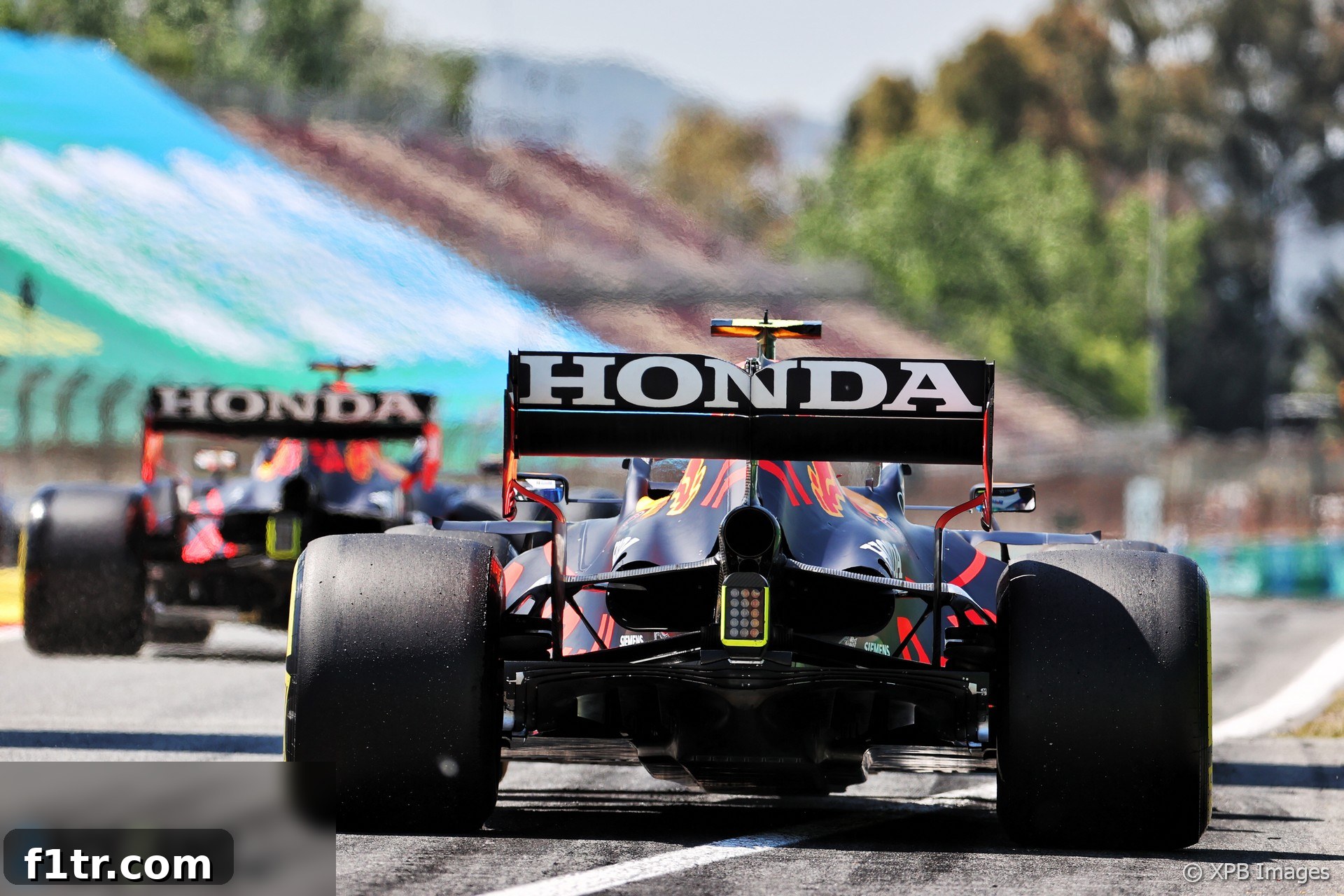
Unraveling the ‘Bendy Wing’ Controversy: F1’s Stricter Rear Wing Flex Tests
Formula 1, a sport synonymous with cutting-edge technology and relentless pursuit of performance, finds itself once again at the heart of an aerodynamic debate. The governing body, the FIA (Fédération Internationale de l’Automobile), is set to introduce significantly tougher tests designed to limit how much rear wings may flex at high speeds. This move comes amid concerns that some teams have been exploiting loopholes in the current regulations, allowing their rear wings to deform and reduce drag, thereby gaining an unfair top-speed advantage.
The Aerodynamic Arms Race: Exploiting Flex in Formula 1
In the high-stakes world of Formula 1, even a minuscule advantage can translate into crucial tenths of a second on the track. One area where teams frequently push the boundaries of technical regulations is aerodynamics, particularly concerning the rigidity of wings. While rules dictate specific dimensions and load-bearing capacities for aerodynamic components, the phenomenon of ‘aeroelasticity’ – where structures deform under aerodynamic loads – has often been a grey area.
A rear wing’s primary purpose is to generate downforce, pushing the car into the track and improving grip through corners. However, a rigid wing that provides excellent downforce at low and medium speeds can also generate significant drag at very high speeds, hindering straight-line performance. If a rear wing can subtly flex backwards or flatten out when subjected to immense airflow pressure at high speeds, it effectively reduces its angle of attack, cuts down drag, and boosts top speed without compromising downforce as much in slower sections. This creates a tantalizing performance window that ingenious designers are always eager to exploit.
A History of Aeroelasticity Debates
The concept of ‘bendy wings’ is not new to Formula 1. Throughout its history, teams have flirted with the limits of structural integrity. From flexible front wings that dipped towards the tarmac at speed to innovative floor designs, the sport has seen numerous instances where aeroelasticity became a battleground for engineers and regulators alike. The FIA’s role has always been to ensure fair competition and prevent designs that could compromise safety or deviate from the spirit of the regulations. Static load tests, which involve applying specific forces to components while the car is stationary, have been the traditional method for ensuring rigidity. However, the dynamic forces exerted on a car at speeds exceeding 300 km/h are vastly different from those experienced in a garage, creating a challenge for regulators to accurately simulate real-world conditions.
Hamilton’s Scrutiny and the FIA’s Swift Response
The current ‘bendy wing’ controversy gained significant traction following the Spanish Grand Prix. Mercedes driver and seven-time world champion, Lewis Hamilton, openly drew attention to the perceived flexibility of rival Red Bull Racing’s rear wing after qualifying. His comments sparked immediate debate within the paddock and among fans, placing Red Bull under intense scrutiny. Red Bull team principal, Christian Horner, swiftly dismissed the allegations, asserting that their car was fully compliant with all current FIA regulations and that the governing body was “completely happy with the car.”
Despite Horner’s assurances, the FIA evidently shared Hamilton’s concerns. Just days after the Spanish Grand Prix, Formula 1 teams received notification of a new technical directive, TD 18/21. This directive explicitly aims to curb the practice of rear wings rotating backwards or excessively deforming at high speed. The timing and swiftness of the FIA’s response underscore the seriousness with which they view potential breaches of aerodynamic integrity.
Understanding TD 18/21: Doubling Down on Rigidity
Technical Directive 18/21 introduces a significant overhaul of the static load tests applied to rear wings. Previously, wings were subjected to specific ‘pull-back’ and ‘push-down’ tests, designed to simulate aerodynamic forces and ensure they remained within permitted deflection limits. The new directive mandates a doubling of the loads applied during these crucial tests. This means that a wing that previously passed with a certain amount of flexibility will now need to be substantially stiffer to remain compliant.
- Pull-Back Test: This test typically involves applying a load to the trailing edge of the wing, simulating the drag forces attempting to pull the wing backward. Doubling this load will demand much greater longitudinal rigidity.
- Push-Down Test: This test involves applying a downward force to the wing’s surface, mimicking the downforce generated. Increased loads here will ensure the wing maintains its aerodynamic profile without excessive vertical deflection.
The FIA’s technical regulations inherently grant the governing body the authority to introduce such changes mid-season if deemed necessary for fairness or safety. This flexibility allows the FIA to react promptly to new technological developments or interpretative loopholes discovered by teams. The directive’s implementation date has been strategically chosen: it will officially come into force ahead of the French Grand Prix next month. This timeframe offers teams several weeks to meticulously revise their designs, conduct rigorous testing, and produce new, compliant components if their current designs fail to meet the heightened stiffness requirements. Consequently, teams will be permitted to continue using their existing wing designs for the upcoming races in Monaco, Azerbaijan, and Turkey, providing a crucial grace period to adapt.
Navigating the New Regulations: Challenges and Compliance
The introduction of TD 18/21 presents a formidable challenge for teams that may have been operating on the fringes of the previous regulations. Red Bull, in particular, will face intense scrutiny, given that their wing was the catalyst for the debate. Christian Horner, while maintaining his team’s innocence, expressed his “surprise” at Hamilton’s initial comments, subtly suggesting that Mercedes CEO Toto Wolff might have influenced the discourse. Such inter-team dynamics are a common feature of Formula 1, especially when competitive advantages are at stake.
Design and Cost Implications
For engineering teams, adapting to the stricter tests involves a complex process. Designers will need to reassess material choices, composite layups, and structural configurations to achieve the required rigidity without incurring a significant weight penalty. Strengthening a component often means adding material, which in turn adds weight – a critical factor in Formula 1 where every gram counts. Furthermore, the design and manufacturing of new rear wing elements are costly and time-consuming endeavors. In an era of budget caps, teams will need to carefully manage their resources to implement these changes while continuing to develop other areas of the car.
The grace period is vital for minimizing disruption. The circuits of Monaco and Azerbaijan, with their unique low-speed and street circuit characteristics, place different demands on aerodynamic setups compared to conventional racetracks. Turkey, too, presents its own set of challenges. This staggered implementation allows teams to focus on race-specific setups for these events before shifting their full attention to complying with the new wing regulations for the French Grand Prix and beyond.
Beyond the Bend: The Future of F1 Aerodynamics and Fair Play
The ‘bendy wing’ saga is a stark reminder of the perpetual cat-and-mouse game between F1 regulators and ingenious engineers. While teams strive to find every conceivable performance edge, the FIA’s mandate is to ensure a level playing field and uphold the integrity of the sport. Stricter tests for rear wing flexibility are a clear signal that the FIA is committed to closing loopholes and reinforcing the ‘spirit’ of the regulations, not just their literal interpretation.
This development could significantly impact the competitive landscape of the 2021 season, particularly if one team is found to have gained a substantial advantage through wing flexibility. It emphasizes the critical role of technical directives in responding to real-time competitive pressures and emerging technological interpretations. Moving forward, teams will likely adopt more conservative design philosophies for aeroelastic components, knowing that the FIA is prepared to intervene rapidly if concerns arise.
Ultimately, this directive aims to foster a fairer competition where performance gains are primarily derived from superior overall car design, driving talent, and strategic execution, rather than from exploiting grey areas in aerodynamic rules. As Formula 1 hurtles towards an exciting future, maintaining the delicate balance between innovation and regulation will remain a cornerstone of the sport’s appeal.
Related 2021 F1 Season Articles
- Masi ‘basically gifted the championship’ to Verstappen says 2021 FIA steward Sullivan
- Las Vegas race backers looking to extend F1 deal beyond 2025
- Why Mercedes put ‘a reminder of joy and pain’ on display in their factory lobby
- Verdict on error in GT race suggests Mercedes would have lost 2021 Abu Dhabi GP appeal
- Title ‘stolen’ from Mercedes made us ‘underdogs people cheer for’ – Wolff
Browse all 2021 F1 season articles