The Australian Grand Prix, a highly anticipated event on the Formula 1 calendar, could be poised for a dramatic relocation. Reports indicate that the vibrant city of Sydney is making a compelling bid to host the prestigious race, potentially taking over from Melbourne as the event’s long-term home. This strategic move highlights a significant shift in Australian motorsport and reflects New South Wales’ ambitious plan to boost its economy and global standing.
According to local reports, the New South Wales government is actively pursuing the opportunity to attract the Formula 1 Grand Prix away from its current Victorian capital. This initiative is a cornerstone of Sydney’s extensive economic revitalization strategy, designed to re-energize tourism, attract significant investment, and enhance international recognition following the global Covid-19 pandemic. Hosting an event of F1’s magnitude is viewed as a powerful catalyst for economic recovery, driving job creation and fostering sustained growth across various sectors.
Leading this high-profile campaign is Stuart Ayres, the New South Wales Minister for Jobs, Investment, Tourism, and Western Sydney. His resolute push to bring Formula 1 to Sydney for the first time underscores the state government’s commitment to securing world-class events that deliver substantial economic and social benefits. This potential transfer of the Grand Prix also accentuates the historic inter-state rivalry between New South Wales and Victoria, a competition that extends beyond sports into broader economic and cultural influence, as both states consistently vie for the status of Australia’s premier event host.
Sydney offers a strong case with its existing motorsport infrastructure and the undeniable allure of its iconic landscape. The city is already home to a permanent road course, Sydney Motorsport Park in Eastern Creek, a facility that has previously hosted notable international events, including the short-lived A1 Grand Prix single-seater series. While Sydney Motorsport Park provides a readily available venue with established infrastructure, potentially reducing initial setup costs and logistical complexities, the New South Wales government is believed to favour the creation of a spectacular street circuit. This preference for a temporary track, artfully woven through the city’s famous waterfront, would promise an unparalleled visual spectacle, drawing comparisons to iconic races in Monaco, Singapore, or Baku. Such a circuit would showcase Sydney’s universally recognized landmarks to a global audience numbering in the hundreds of millions, significantly enhancing the city’s international appeal.
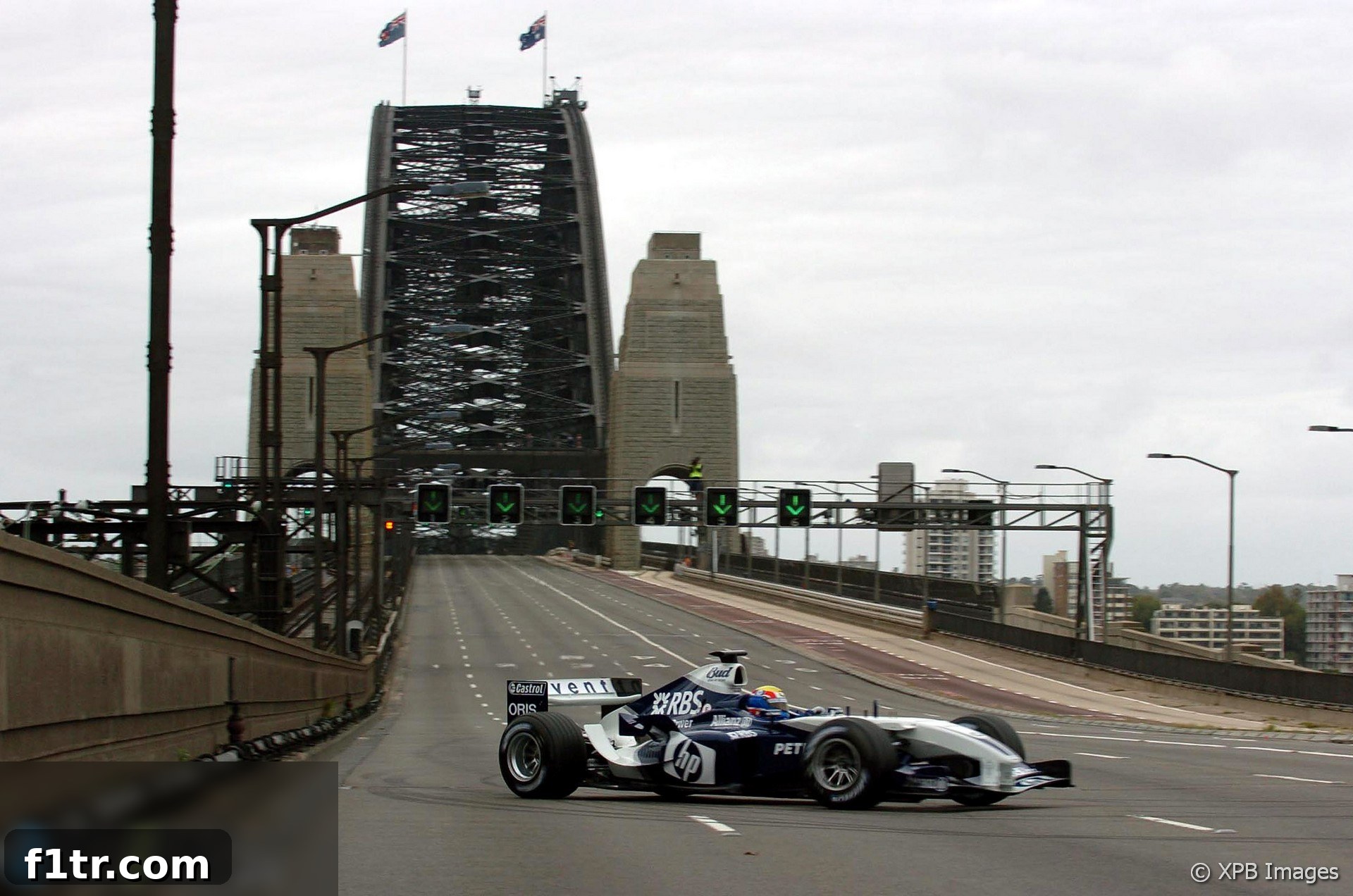
The vision of Formula 1 cars roaring against the backdrop of the Sydney Opera House or the Harbour Bridge is undeniably captivating. While the majestic Sydney Harbour Bridge itself, a critical six-lane highway, is not anticipated to be integrated into any potential track layout due to the immense logistical challenges and urban disruption it would cause, the city has a historical connection to F1 demonstrations. In 2005, Australian F1 legend Mark Webber famously showcased a Williams Formula 1 car, driving across the iconic Sydney Harbour Bridge. This memorable event offered a tantalizing preview of Formula 1’s potential to integrate with the city’s unique landscape, generating immense public excitement and widespread media attention. A future street circuit would aim to capture and amplify this magic, fusing high-octane racing with breathtaking urban scenery to create an unforgettable experience for fans and viewers worldwide.
Melbourne has proudly served as the host city for the Australian Grand Prix at the Albert Park Circuit since 1996, taking over the reins from Adelaide, which hosted the event from 1985 to 1995. Melbourne’s current contract to stage the race extends until 2025, providing a clear timeline for Sydney’s bid to potentially become effective from 2026 onwards. Melbourne’s long tenure has solidified its position as a cherished fixture on the F1 calendar, renowned for its vibrant atmosphere and the fervent local support for the sport. The city has cultivated a strong legacy, becoming synonymous with the season-opening race for many years.
The recent history of the Australian Grand Prix has, however, been significantly impacted by unprecedented global events. The races in both 2020 and 2021 were regretfully cancelled due to the challenges posed by the Covid-19 pandemic. The 2020 event, in particular, unfolded dramatically, being abandoned mere hours before Friday practice was scheduled to begin after a member of the McLaren team tested positive for the virus, leading to the team’s immediate withdrawal and a subsequent cascade of cancellations. These disruptions underscored the inherent fragility of hosting major international events during a global health crisis and highlighted the immense financial implications for both organizers and host cities, leading to difficult decisions and substantial losses.
Despite these considerable setbacks, Melbourne has consistently demonstrated its unwavering commitment to Formula 1. In anticipation of this year’s (now cancelled) round, significant investments were made to remodel several corners of the Albert Park circuit. These meticulous modifications were strategically designed to improve the quality of racing, promote more overtaking opportunities, and enhance the overall spectator experience, making the circuit more dynamic and engaging for modern Formula 1 cars. These proactive steps reflect Melbourne’s dedication to maintaining its status as a premier F1 host and its readiness to adapt the circuit to evolving racing dynamics. This commitment undoubtedly strengthens Melbourne’s argument to retain the Grand Prix beyond its current contractual period, showcasing its long-term vision and investment in the sport.
The emergence of Sydney’s bid introduces an intriguing and competitive dimension to the future of the Australian Grand Prix. Formula 1, under its current ownership, Liberty Media, has shown a clear strategic preference for street circuits and iconic city locations globally. Races in burgeoning markets and locations that offer a spectacular visual package are highly coveted, as they maximize global viewership, attract new demographics to the sport, and create a more immersive event experience. Sydney, with its universally recognizable landmarks and dynamic urban landscape, fits this modern F1 blueprint perfectly, potentially offering a fresh narrative and an unparalleled marketing opportunity for the sport in the pivotal Asia-Pacific region, tapping into new fan bases and commercial opportunities.
However, relocating such a well-established and logistically complex event is fraught with considerable challenges. The financial outlay for constructing a brand-new street circuit in a dense urban environment would be colossal, encompassing everything from bespoke track design and surfacing to the temporary infrastructure for grandstands, corporate hospitality suites, media centers, and a fully functional paddock. Beyond the financial aspect, environmental considerations, potential disruption to local residents and businesses, and the sheer logistical puzzle of transforming bustling city streets into a world-class race track for weeks each year are immense hurdles that any Sydney bid would need to meticulously plan for and address. Furthermore, the economic impact on Melbourne, should the race depart, would be significant, affecting tourism, local businesses, and the city’s hard-earned reputation as a major events hub.
Ultimately, the decision regarding the future home of the Australian Grand Prix will hinge on a compelling blend of financial viability, logistical feasibility, and the overall strategic vision presented by each city to Formula 1 management. Sydney’s bid represents a bold and exciting challenge to Melbourne’s long-held dominance, signifying a potential new chapter for the Australian Grand Prix. It promises either the continuation of a cherished legacy and ongoing innovation in Melbourne or the dawn of an exhilarating new era set against the iconic urban landscape of Sydney. For Formula 1 fans across Australia and the world, the prospect of such a dynamic future ensures that the discussion surrounding the Australian Grand Prix will remain a hot topic for years to come, eagerly anticipating where the roar of F1 engines will next echo Down Under.
Related Articles and Further Reading
- Understanding the Economics Behind Major Grand Prix Bids
- Street Circuits vs. Permanent Tracks: A Comparative Analysis for F1
- Melbourne’s Albert Park Circuit: The Evolution and Investment in a Classic F1 Venue
- A Deep Dive into the Rich History of the Australian Grand Prix
- Formula 1’s Global Expansion Strategy: Navigating New Horizons and Iconic Cities
Explore All Australian Grand Prix News and Updates