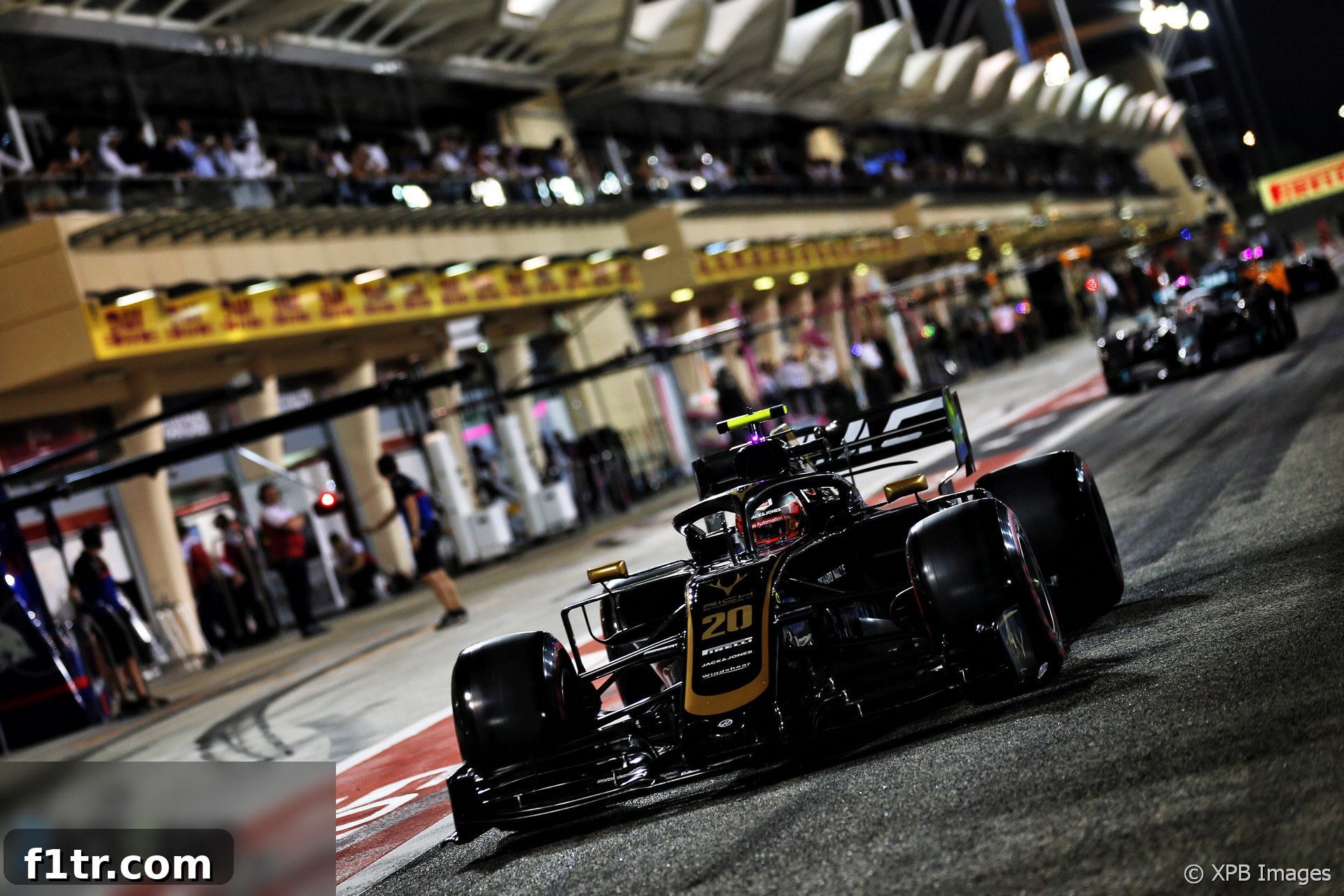
Formula 1 is continually exploring avenues to amplify the spectacle and deepen fan engagement, and a significant proposal is currently on the table for the 2020 F1 season: the introduction of a new ‘Q4’ qualifying session. This potential overhaul, first brought into public discourse by Haas team principal Guenther Steiner, aims to inject more drama and suspense into the qualifying hour, ultimately boosting television viewership and maintaining audience interest from start to finish. The initiative reflects F1’s ongoing commitment to evolving the sport, ensuring it remains dynamic and compelling for its global fanbase.
Enhance your experience: Become a Supporter & enjoy an ad-free journey
The proposed ‘Q4’ format is designed to fundamentally reshape the existing three-part knockout qualifying system. Under the new plan, the duration of Q1, Q2, and Q3 would all be shortened, creating a more intense, fast-paced environment in each segment. Crucially, the number of drivers eliminated in each round would shift from five to four, culminating in a new, decisive fourth session. Steiner highlighted that F1 bosses believe this modification would effectively “mix it up” during qualifying, thereby encouraging viewers to tune in for the entire session rather than just the latter stages. “It seems like a lot of the TV audience is switching on in Q2,” Steiner explained, articulating a key motivation behind the reform. “They don’t watch in Q1,” a trend the sport is keen to reverse to maximize viewership across the board.
The Rationale Behind Q4: Boosting Fan Engagement and Spectacle
The core philosophy behind the Q4 proposal stems from a desire to make every moment of qualifying count. In its current form, Q1, while essential, often sees the least competitive cars eliminated, leading to predictable outcomes that might not fully captivate audiences from the outset. By shortening the initial sessions and increasing the stakes with a fourth segment, F1 hopes to maintain a heightened level of excitement throughout the entire hour. The idea is to create a more condensed and aggressive qualifying sprint, where even small errors could have significant consequences, potentially leading to more unexpected eliminations and a less predictable grid for Sunday’s race. This strategic shift is aimed at converting casual viewers into dedicated spectators for the full qualifying spectacle, ensuring sustained interest and making every minute of the session a must-watch event.
A central point of discussion, however, revolves around the practical implications for teams, specifically concerning tyre allocation. Formula 1 teams operate under stringent regulations regarding the number of tyre sets they can use throughout a race weekend. An additional qualifying session, even a shortened one, inherently demands more tyres. Teams have been formally asked to conduct detailed studies to assess whether the current tyre allocation would be sufficient to participate effectively in an extra round of qualifying without compromising their race strategies or imposing undue financial burdens. The scarcity of fresh rubber can significantly impact performance, particularly for teams with tighter budgets.
Guenther Steiner voiced significant concerns regarding this aspect. “We have got some concerns with the tyres and there needs to be some studies done,” he stated, emphasizing the critical need for thorough analysis. The potential pitfall, as Steiner warned, is that an insufficient tyre supply could inadvertently hand an even greater advantage to the sport’s wealthier, top-tier teams – often referred to as the “big three.” If midfield teams struggle to find enough fresh rubber for Q4, they might be forced to conserve tyres, limiting their competitiveness and undermining the very goal of “mixing up” the grid. Such a scenario would contradict the spirit of fair competition and potentially widen the performance gap, rather than narrowing it, thereby reducing the desired unpredictability and excitement F1 seeks to achieve.
Balancing Innovation with Practicality: Steiner’s Cautious Optimism
Despite his pragmatic concerns, Guenther Steiner expressed broad support for the underlying concept of the Q4 system. “I think in principle the idea is not bad: having shorter sessions and people can mess up [and be eliminated],” he remarked. This sentiment underscores the appeal of increased unpredictability and the potential for drivers and teams to make crucial errors under pressure, which can lead to thrilling upsets. The Haas team principal believes that a more compact format could intensify the battle for pole position and grid slots, making qualifying a more gripping event for everyone involved. The prospect of an unexpected outcome, where a strong contender might falter, is a powerful draw for fans.
However, Steiner’s endorsement comes with a crucial caveat: the new system must be meticulously planned and executed. He stressed the importance of a collaborative approach, with all teams actively working on assessing the potential impacts and compiling their findings to be submitted to Ross Brawn, F1’s Managing Director of Motorsports. “Everyone is working on a little bit of a summary of what can happen and then send it to Ross [Brawn] and see what they’re going to do,” he explained. This consultative process is vital to ensure that any changes are well-considered and do not inadvertently detract from the sport’s integrity or competitiveness. Steiner’s ultimate warning encapsulates this cautious approach: “We just need to make sure that we don’t get it wrong because the qualifying system at the moment is not bad.” He added a timeless piece of advice, “If it isn’t broken, don’t fix it,” highlighting the risk of over-complicating a system that, for the most part, delivers exciting outcomes and is well-understood by the fan base.
The Evolution of F1 Qualifying: A Historical Perspective
Formula 1 has a rich history of experimenting with its qualifying formats, a testament to the sport’s continuous quest for perfection and entertainment. From the days of unlimited laps and fuel-burning runs to the single-lap “shootout” sessions and the aggregate timing systems, each iteration aimed to enhance the spectacle. The current knockout qualifying format, introduced in 2006, has largely been successful in providing a dramatic build-up to the race, with drivers constantly battling against the clock and the threat of elimination. This format itself has undergone minor tweaks over the years, demonstrating F1’s willingness to adapt. The Q4 proposal can be seen as the latest chapter in this ongoing evolution, demonstrating F1’s commitment to fine-tuning its product for a contemporary audience that demands instant gratification and continuous excitement. Understanding this historical context helps to frame the Q4 discussion not as a radical departure, but as another logical step in F1’s adaptive journey to remain at the pinnacle of motorsport entertainment.
Potential Impact on Race Strategy and Weekend Dynamics
The introduction of a Q4 session could have far-reaching implications beyond just the qualifying hour. Tyre strategy, already a cornerstone of Formula 1, would become even more critical. Teams might need to rethink how they manage their limited allocation of soft, medium, and hard compounds across practice sessions, qualifying, and the main race. This could lead to more strategic gambles, with some teams perhaps sacrificing track time in practice or even early qualifying sessions to preserve fresh tyres for Q4 or for Sunday’s Grand Prix, thereby adding another layer of tactical depth to the weekend. Furthermore, the intensified pressure of shorter sessions and an additional knockout round might influence driver performance, potentially favouring those who can perform under extreme duress and adapt quickly to changing track conditions. The risk of “messing up,” as Steiner noted, could mean that even top drivers find themselves unexpectedly out of contention for pole, adding an unpredictable element that could shake up race day narratives and offer more diverse starting grids.
Audience Engagement in the Modern Sports Landscape
In an era dominated by diverse entertainment options and fragmented attention spans, sports leagues worldwide are grappling with how to keep their audiences engaged. F1’s concern about Q1 viewership is indicative of this challenge. Modern viewers often seek immediate action and high stakes. The Q4 concept directly addresses this by aiming to elevate the excitement level from the very beginning of qualifying and sustain it through an extended, high-tension finale. By reducing the downtime and increasing the competitive intensity, F1 hopes to capture and retain a larger share of the audience, ultimately translating into stronger ratings and greater commercial appeal. This proposal is not merely about tweaking rules; it’s about strategically adapting to the demands of contemporary sports consumption, ensuring Formula 1 remains a leading global sports spectacle capable of captivating new generations of fans.
The Path Forward: Collaboration and Careful Consideration
Ultimately, the fate of the Q4 proposal rests on careful deliberation and the ability to address the practical concerns raised by teams like Haas. The collaborative feedback loop involving team principals, F1 management, and the FIA will be instrumental in determining whether this ambitious change moves from concept to reality. While the desire to enhance the spectacle and boost viewership is strong, the integrity of the sport and the fairness of competition must remain paramount. The potential benefits of increased excitement and engagement must be weighed against the challenges of tyre management, logistical complexities, and the risk of unintentionally disadvantaging certain teams. The discussions surrounding Q4 underscore Formula 1’s continuous effort to innovate while preserving the core elements that make it one of the world’s most thrilling motorsport championships, ensuring a sustainable and exhilarating future for the sport.
Advert | Become a RaceFans supporter andgo ad-free
Related F1 Insights and Analysis
Explore more in-depth analyses and breaking news from the world of Formula 1. Stay updated on team developments, driver perspectives, and technical regulations that shape the sport. Dive into discussions about past seasons, iconic races, and the personalities that define F1.
- Behind the Scenes: Driver Career Reflections
- Financial Trends in Formula 1 Teams
- Memorable Moments and Driver Achievements
- Technical Innovations and Regulatory Changes
- Impact of ‘Drive to Survive’ on F1 Popularity
Browse all Formula 1 articles for comprehensive coverage