Guenther Steiner Urges F1 to Embrace New Pirelli Tires for 2020 Season
Formula 1 is a sport where innovation and performance are paramount, and few components are as critical to a car’s overall behavior and a race’s strategy as its tires. For the upcoming 2020 F1 season, the debate around tire specifications has reached a fever pitch, with Haas team principal Guenther Steiner emerging as a vocal proponent for the adoption of Pirelli’s new tire compounds. His firm stance underscores the widespread dissatisfaction with the current generation of tires and highlights the urgent need for a change that could reinvigorate the sport.
Advert | Become a Supporter & go ad-free
The Current Tire Conundrum: A Season of Frustration
The 2019 Formula 1 season was characterized by numerous complaints regarding Pirelli’s tire performance. Drivers across the grid frequently voiced their frustrations, citing a narrow operating window, rapid overheating, and a propensity for degradation that often forced them into “lift and coast” strategies to manage tire temperatures. This management-heavy approach inevitably limited their ability to push their cars to the absolute limit, detracting from the spectacle for fans and leading to less exciting racing.
Steiner’s sentiments echo this broad dissatisfaction. He candidly stated that “nobody likes” the current tires, a view that is widely shared within the paddock and among the global F1 fanbase. “We all agree that the tyre this year wasn’t good,” he observed, pointing to the chorus of complaints from both participants and “spectators on TV” who felt the tires were “way off.” The recurring narrative of “Who can get a tyre to work?”, “My tyre is too hot,” and “I have to lift and coast because the tyre overheats” has become a pervasive issue, one that Steiner believes fundamentally undermines the quality of racing.
First Impressions: The US Grand Prix Prototype Test
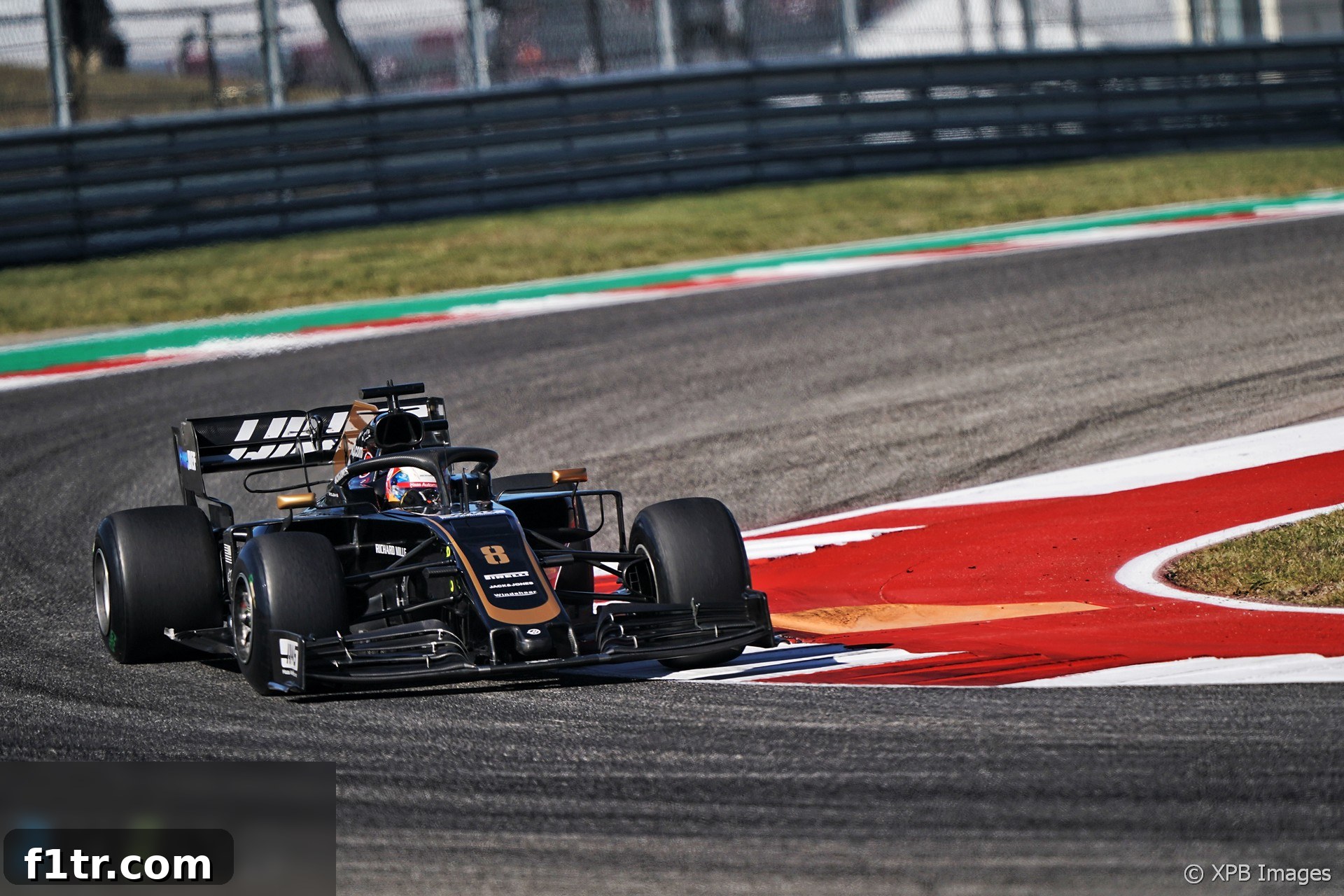
Pirelli, as the exclusive tire supplier, continuously works on developing compounds that meet the evolving demands of Formula 1. Their prototype tires for the 2020 F1 season were first introduced to teams and drivers during practice sessions at the United States Grand Prix at the Circuit of the Americas. However, the initial assessment from the drivers was largely negative. Many reported feeling underwhelmed by the new compounds, leading to concerns about their suitability for the upcoming season.
Despite these critical initial reactions, Guenther Steiner cautioned against making hasty judgments. He was one of the few voices to highlight the potentially unrepresentative conditions at the Circuit of the Americas. Pirelli itself pointed to the unusually cold ambient and track temperatures during the Austin test as a major factor skewing the results, a sentiment that Steiner heartily agreed with. “I think it’s the first time we really can get something out of these tyres. I was one of the few which, after Austin, said we cannot jump to conclusions after this first practice test,” he explained.
Steiner elaborated on why Austin’s feedback might not be definitive. “I’m not saying that the tyre is good, by no means, but what I say is we don’t know. After Austin we don’t know. The temperature was too low, the cars were not prepared for it. It looks like we have too high pressures so there was a lot of things if you think about it.” This perspective underscores the complexity of tire evaluation, where environmental factors, car setup, and even tire pressures can significantly influence perceived performance.
The Crucial Yas Marina Test: A Fair Shot for the Future
With the inconclusive results from Austin, the subsequent post-season test at Yas Marina in Abu Dhabi became absolutely paramount. This session offered teams and drivers another, and arguably more representative, opportunity to evaluate next year’s tires. Unlike the colder conditions of Texas, Abu Dhabi typically provides warmer, more consistent weather, offering a better environment to gather reliable data on tire performance.
Steiner emphasized the importance of this upcoming test, advocating for a thorough and objective comparison. “We need to give it a fair shot with the comparison to the current tyre,” he stated. The goal is to collect comprehensive data, enabling teams, Pirelli, and the FIA to “come to a conclusion which would give us the real result.” This data-driven approach is essential for making an informed decision about whether these new compounds should be “the tyre for the future or do we rather stay with the old one.”
Steiner’s Vision: Prioritizing Progress, Even Marginal
Steiner’s philosophy on the new tires is pragmatic and forward-looking. Despite not knowing the full extent of the new tire’s characteristics, his conviction is clear: “I don’t know what the new one is [like],” he admitted, “[but] if the new one is better, but just marginal, then go for the new one because we didn’t like this one. The new one needs to be really bad, to not take that one.” This powerful statement highlights a preference for any improvement over the status quo, indicating just how unsatisfactory the current tires are perceived to be.
His argument rests on the idea that even a slight improvement in tire performance and usability would significantly benefit the sport. Better tires could mean more consistent lap times, reduced thermal degradation, and crucially, drivers being able to push harder for longer. Such changes would directly address the complaints from both drivers and fans, leading to more competitive and engaging races. For Steiner, the risk of adopting a marginally better tire is far outweighed by the benefits of moving away from a known problematic product.
Pirelli’s Ongoing Challenge in Formula 1
Pirelli faces an unenviable task as Formula 1’s sole tire supplier. They must balance multiple, often conflicting, demands: producing durable tires that can withstand the immense forces generated by F1 cars, creating compounds with a specific degradation profile to encourage strategic variation, and ensuring performance consistency across various track types and weather conditions. All of this must be achieved while meeting stringent safety standards and the evolving technical regulations set by the FIA and Formula 1 management.
The feedback from teams and drivers is vital for Pirelli’s development cycle. However, interpreting this feedback can be complex, especially when factors like ambient temperature, track surface, and individual car aerodynamics heavily influence tire behavior. The challenge lies in developing a universal tire that performs optimally for all ten teams, each with their unique car designs and setup philosophies. This intricate dance between supplier, teams, and governing bodies makes the decision on tire specifications a multifaceted one, impacting everything from race strategy to championship outcomes.
The Impact of Tire Decisions on F1’s Future
The choice between adopting the new Pirelli compounds or retaining the current ones for the 2020 F1 season carries significant weight for the sport’s future trajectory. A well-received tire can unlock more aggressive racing, reduce the need for excessive tire management, and allow drivers to showcase their skills more freely. Conversely, a poorly performing tire can stifle competition, frustrate participants, and alienate viewers.
The decision will not solely rest on Steiner’s outspoken views but will involve a collective assessment by the teams, Pirelli, and the FIA. Data from the Yas Marina test, coupled with driver feedback, will be meticulously analyzed. Ultimately, the goal is to enhance the racing product, ensuring Formula 1 remains at the pinnacle of motorsport entertainment and technological advancement. Guenther Steiner’s unwavering commitment to embracing change, even if incremental, highlights a collective desire within the paddock to continually improve the sport for everyone involved.
Advert | Become a RaceFans supporter andgo ad-free
2020 F1 Season Related Articles
- Grosjean to make F1 test return tomorrow for first time since Bahrain horror crash
- Pictures: Wrecked chassis from Grosjean’s Bahrain fireball crash to go on display
- Bottas vs Rosberg: Hamilton’s Mercedes team mates compared after 78 races each
- F1 revenues fell by $877 million in Covid-struck 2020 season
- Hamilton and Mercedes finally announce new deal for 2021 season
Browse all 2020 F1 season articles