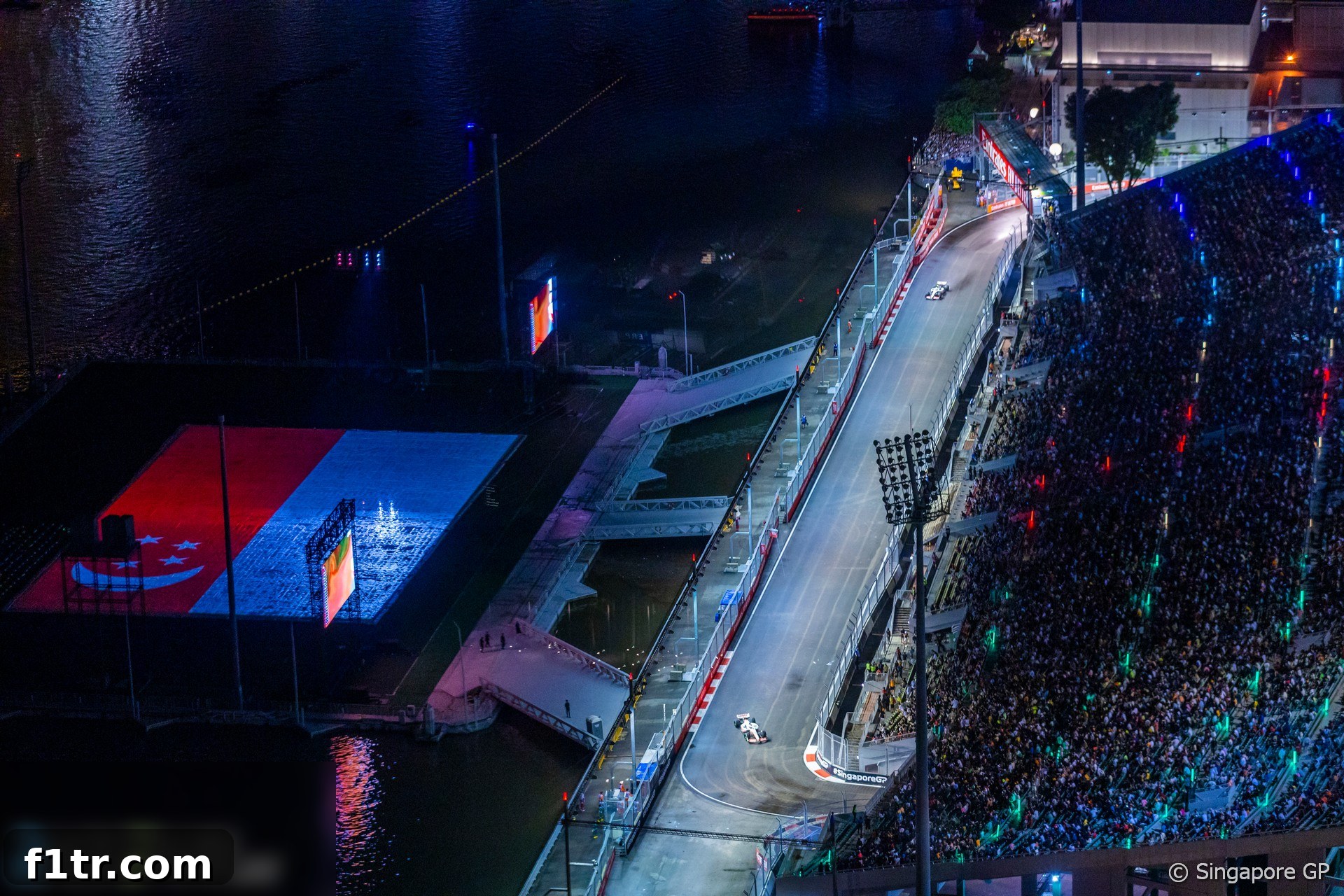
The highly anticipated Singapore Grand Prix is set to deliver an unprecedented spectacle this weekend, as Formula 1 teams anticipate a dramatic transformation in lap times. Significant revisions to the iconic Marina Bay Street Circuit are projected to make cars a remarkable 10 seconds faster than they were last year, ushering in a new era of speed and challenge at one of the sport’s most demanding venues.
Development work along the Marina Front, precisely where the final sector of the circuit is situated, has prompted event organizers to implement a substantial overhaul of the track layout for this year’s race. The most notable alteration involves redirecting the course from the former Turn 15 directly into what was previously Turn 20, effectively creating a long, high-speed straight. This strategic modification aims to enhance the flow of the circuit, elevate average speeds, and potentially create new overtaking opportunities.
This track revision represents the most significant change to the Singapore Grand Prix layout since the controversial removal of the slow ‘Singapore Sling’ chicane years ago. The current configuration is expected to remain in place for at least three seasons, with the extensive building work in the area slated for completion in 2026. This temporary, yet impactful, layout promises to redefine the racing experience for drivers and fans alike, introducing a fresh dynamic to a beloved night race.
Among the corners that have been permanently removed is Turn 17, a section of the track that gained notoriety during the inaugural Singapore Grand Prix. This was the scene of Nelson Piquet Jnr’s infamous crash, an incident that later emerged as a deliberate act orchestrated by his Renault team to trigger a Safety Car period. This controversial event allowed his teammate, Fernando Alonso, to capitalize on the strategy and ultimately win the race. Its removal not only contributes to the increased speed but also closes a chapter on one of F1’s most discussed scandals.
Additionally, the tight and often problematic Turn 18 will also be bypassed. This particular corner has historically been one of the most frequent accident spots on the circuit, often leading to costly Safety Car deployments and disrupting the race flow. By eliminating this bottleneck, organizers aim to reduce the likelihood of incidents, ensure more consistent racing, and potentially lead to fewer interruptions, benefiting both the competitors and the overall fan experience.
The impending track changes were initially announced 11 months ago, providing Formula 1 teams with ample time to integrate updated track models into their sophisticated simulators. This extensive preparation has allowed engineers and drivers to thoroughly analyze the revised layout, understand its implications for car setup, and explore optimal driving lines. The foresight of the organizers in providing early notice has been crucial for teams to prepare for what promises to be a very different racing challenge.
Initial forecasts, based on digital simulations using 2020 F1 car models, predicted a lap time gain of approximately eight seconds. It’s important to note that the 2020 cars did not race in Singapore and represent a different generation compared to the current machinery. However, as teams refined their simulations with their highly advanced 2023 cars, equipped with the latest aerodynamic packages and power units, the projected lap time gain has escalated even further. This indicates the profound impact the new layout will have on the performance capabilities of modern F1 cars.
Both the Mercedes-AMG Petronas F1 Team and MoneyGram Haas F1 Team have independently corroborated these projections, predicting that cars will lap the circuit a full 10 seconds quicker than in the previous season. This remarkable acceleration means that drivers are expected to complete a lap in less than one minute and 40 seconds. To put this into perspective, Charles Leclerc secured pole position at last year’s event with a time of 1 minute, 49.412 seconds. The reduction of over 10 seconds is a monumental shift in Formula 1 performance, underscoring the radical nature of these circuit modifications.
Beyond raw speed, the removal of four slow-speed corners will significantly reduce the strenuous demands placed on the Pirelli tires. In the previous layout, tires would frequently begin to overheat towards the end of the lap, leading to degradation and a loss of grip, compelling drivers to manage their pace meticulously. The introduction of a more flowing final sector, featuring the long straight, should enable drivers to keep their tires closer to the optimal operating window for longer durations. This could open up new strategic possibilities and allow for more aggressive racing throughout the stints.
Furthermore, fewer corners inherently translate into less demand on the gearbox. The Singapore Grand Prix circuit traditionally held the distinction of requiring the most gear changes per lap across the entire F1 calendar, placing immense stress on the cars’ intricate transmissions. With the revised layout, this record will undoubtedly change, alleviating a significant strain on the gearboxes and potentially improving reliability over the grueling race distance. This also subtly shifts the physical and mental demands on drivers, allowing them to focus more on managing energy and race pace rather than constant gear shifts.
To ensure the race adheres to the minimum distance requirement of 305 kilometers, a standard applied to all Grands Prix except Monaco, the shortening of the lap has necessitated an increase in the total lap count. This year, drivers will complete 62 laps around the Marina Bay Street Circuit, up from the previous count. This adjustment ensures that the competitive spectacle remains consistent with Formula 1 regulations, providing a full-length, strategic race for teams and fans.
Haas driver Kevin Magnussen shared his initial impressions of the changes, describing them as “interesting” and anticipating that they are “likely to make it slightly less demanding physically.” The Singapore Grand Prix is renowned as one of the most physically taxing races on the calendar due to its high temperatures, humidity, and the sheer number of corners requiring sustained concentration and physical exertion. A faster, more flowing layout, while still challenging, could indeed offer a marginal reprieve for the drivers.
“It’s going to be faster,” Magnussen elaborated, “so it’s probably going to last for a shorter time so we’ll lose less liquid and be slightly less demanding. Whether that will change anything for us as a team, time will tell.” His comments highlight the dual impact of speed and physical endurance. While the overall race duration might decrease slightly, the intensity of the faster laps will still demand peak performance. The true strategic and competitive implications for individual teams will only become apparent once cars hit the track for practice sessions and the race itself, as engineers and drivers adapt to the new rhythm of Marina Bay.
The revised Marina Bay Street Circuit thus presents a compelling blend of increased speed, potentially enhanced safety, and altered technical demands. It promises a fresh challenge for Formula 1 teams and drivers, pushing the boundaries of performance and strategy at an already iconic event. The anticipation is palpable as the sport prepares for a weekend where history will be made, and the records of the past will likely be shattered under the dazzling lights of Singapore.
Further Reading: 2023 Singapore Grand Prix Articles
- Sainz’s Singapore win made Leclerc focus on improving his race pace – Clear
- Singapore and Austin retirements cost me top 10 championship place – Ocon
- How Ocon’s “extreme” height for an F1 driver is helping other tall racers
- Steward’s admission Verstappen should have had penalty frustrates his rivals
- Drivers back Singapore qualifying tweak as rule changes again for Japanese GP
Browse all 2023 Singapore Grand Prix articles