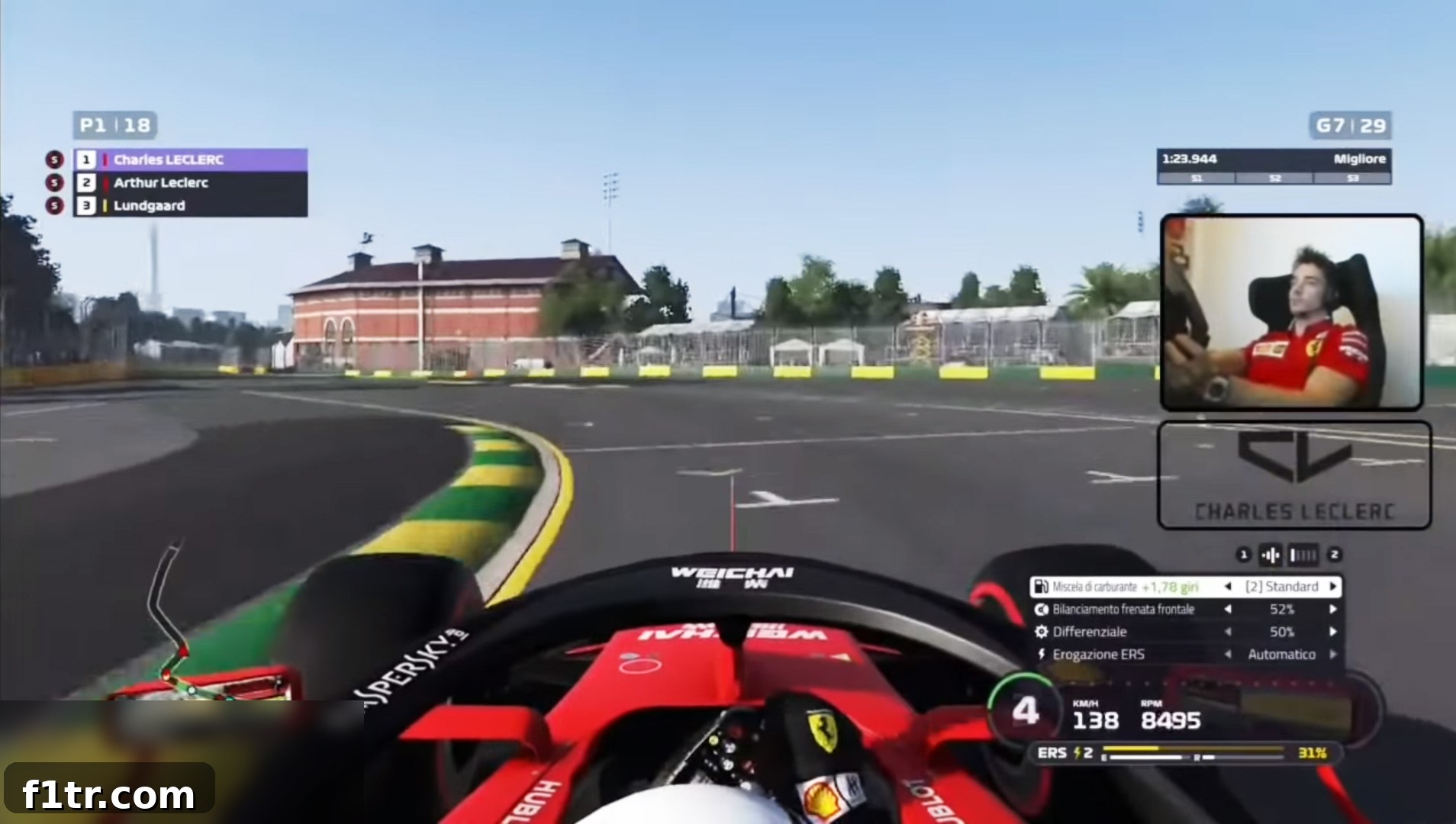
If nothing else, the global pandemic has accelerated the growth of simracing. Almost every major category now runs a virtual championship, and drivers have even run esports series to raise money for those in need.
Advert | Become a Supporter & go ad-free
The enforced pause in the real-world racing calendar, combined with the rise of simracing, has given drivers the chance to try categories they might not normally experience. In the virtual arena we can enjoy unusual matchups: Max Verstappen in Australian Supercars or Lando Norris taking on the IndyCar field.
Simracing also lets fans watch drivers’ reactions live via platforms such as Twitch and YouTube, providing much-needed entertainment while most professional sports are on hold. For some drivers, streaming has become a way to connect more directly with supporters than is usually possible during a typical race weekend. Lando Norris has been a standout among F1 drivers for embracing Twitch, building a large and engaged audience.
Others have adapted quickly as well, notably Charles Leclerc. “This was something I definitely did not expect to enjoy and I never saw myself doing that,” the Ferrari driver said. “But actually I really enjoyed it. For the people that follow me it’s the closest that you can get to the real me.” Leclerc has since gathered a large Twitch following, while Norris’s channel has also grown substantially.
IndyCar driver Conor Daly had some familiarity with streaming before the pandemic and has used Twitch to develop his brand while competing in the IndyCar iRacing series. “The Twitch stuff is really kind of funny for me,” he said. “I just did it two years ago just for fun because I play a lot of Call of Duty. Sometimes we might say hilarious things, Colton Herta and I play a lot, and some of the other guys. It’s all about building your brand. You have four different areas where your brand can build: Twitch, Facebook, Instagram, Twitter, that’s more than, I guess, you’re used to with just the Facebook or Twitter or even Instagram.”
Advert | Become a RaceFans supporter andgo ad-free
Simracing also gives drivers and teams a valuable way to keep their sponsors visible when real racing is paused. Daly pointed out the importance of representing sponsors online: “We have this incredible looking US Air Force car and we want to put it out on the internet because they’ve committed to us in real life and they’re willing to invest in me and our sport. In this difficult time we’ve got to give them as much as possible for being willing to commit to us in the first place.”
While virtual racing removes the physical danger of motorsport, it does not eliminate professional risk. Mistakes made during live streams can have real-world consequences. Twitch broadcasts are public and permanent in the same way tweets or Facebook posts are, and inappropriate behaviour can damage careers and reputations.
That reality was demonstrated when NASCAR Cup driver Kyle Larson used a racial slur during an iRacing livestream on a NASCAR-affiliated channel. The fallout was swift: within 48 hours he was dismissed by Chip Ganassi Racing, several sponsors ended their partnerships, and he was suspended by NASCAR and iRacing. Larson later apologised on social media, acknowledging the severity of his mistake and its consequences.
Although Larson’s case is an extreme example and the responsibility for his actions rests with him alone, it serves as a reminder to all competitors that the virtual world is public and that streaming brings both opportunities and risks. Simracing can expand reach, strengthen fan engagement and provide creative outlets for drivers and teams — but it also requires the same professionalism expected in real-world competition.
Advert | Become a RaceFans supporter andgo ad-free
Gaming
Browse all Gaming articles