The Abu Dhabi Young Driver Test: A Ferrari-McLaren Standoff Over Carlos Sainz and the Alonso Precedent
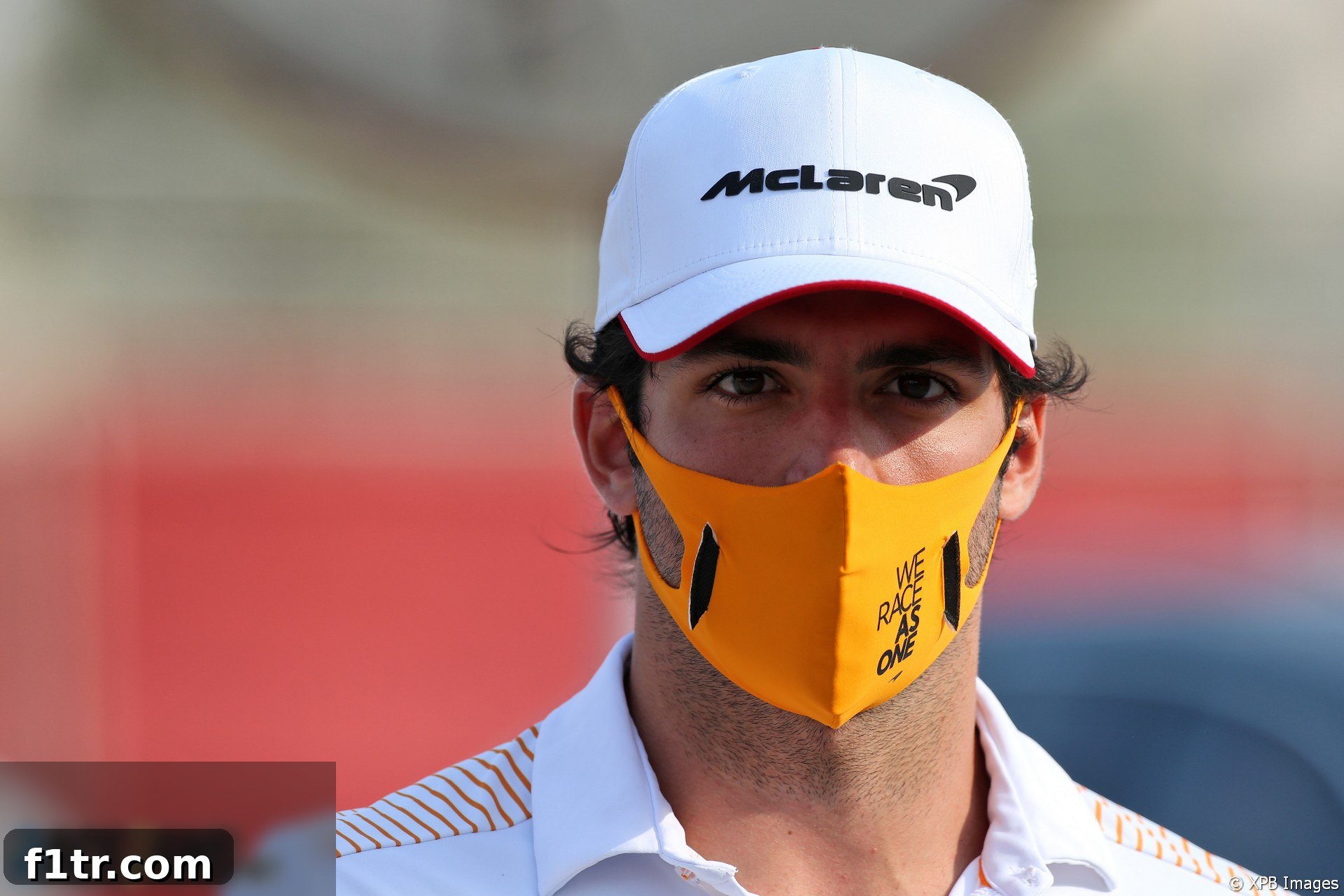
The post-season Formula 1 Young Driver Test at the Yas Marina circuit in Abu Dhabi, typically a low-key affair designed to give promising talent a taste of top-tier machinery, has ignited a fierce debate, casting an unexpected shadow over the conclusion of the racing season. At the heart of this controversy lies the future move of Carlos Sainz Jnr from McLaren to Ferrari for the 2021 season, and his desire to participate in the upcoming test with his new team. This ambition has met staunch opposition from his current team principal, Andreas Seidl of McLaren, who insists the regulations are unambiguous: the test is exclusively for young drivers.
The situation has been further complicated by a contentious exception granted to Renault, allowing two-time world champion Fernando Alonso, a driver with unparalleled experience, to participate. This decision has fueled arguments for a more flexible interpretation of the rules, particularly from Sainz, who is eager to begin his integration with the Scuderia as early as possible.
Sainz’s Aspiration and Contractual Arguments
Carlos Sainz Jnr, a driver who has consistently impressed during his tenure at McLaren and is poised for a high-profile move to Ferrari, publicly expressed his strong desire to join his future team for the December 15th test in Abu Dhabi. This test is scheduled just two days after the season finale, marking a crucial window for driver and team preparation ahead of the demanding 2021 campaign. Sainz yesterday stated that his contract contains provisions that would permit him to join Ferrari for this test, an assertion that immediately put him at odds with McLaren’s management.
For a driver transitioning to a new team, particularly one of Ferrari’s stature, every moment spent acclimating to new systems, personnel, and car characteristics is invaluable. The opportunity to drive the Ferrari SF1000, even for a single day, would offer Sainz an early head start, allowing him to familiarize himself with the team’s operational procedures, steering wheel intricacies, and engine characteristics. Such an early integration could be crucial for hitting the ground running in 2021, a season expected to be intensely competitive.
McLaren’s Firm Stance: Adherence to Regulations
Andreas Seidl, the McLaren team principal, has been unequivocal in his stance against Sainz participating in the test. Speaking on the matter, Seidl firmly stated that the regulations governing the post-season test are “clear” and leave no room for ambiguity. “First of all, we never speak in public about the details of our contracts with our drivers,” he began, reinforcing a professional boundary. He then immediately pivoted to the core issue: “The regulations are clear so I don’t see any way that Carlos is driving the car.”
McLaren’s position is rooted in the literal interpretation of the rules, which mandate that the test is reserved for “young drivers” – typically defined as those with limited F1 experience, usually no more than two Grand Prix starts. From McLaren’s perspective, allowing an experienced driver like Sainz, who will start his 117th Grand Prix this weekend, to participate under the guise of a “young driver” test would fundamentally undermine the spirit and purpose of the event. Seidl’s rigidity reflects a broader concern within certain quarters of the paddock regarding the integrity of sporting regulations and the avoidance of competitive advantages gained through loopholes.
The Missed Opportunity for Daniel Ricciardo
Adding another layer of complexity to McLaren’s position is their own decision regarding the test. McLaren themselves could have utilized this opportunity to give their incoming driver, Daniel Ricciardo, his first taste of the McLaren MCL35. Ricciardo is set to join the Woking-based squad for 2021, and an early run would undoubtedly be beneficial for his own transition. However, McLaren, in adherence to what they understood as the strict interpretation of the rules, opted not to participate in the test when the decision was made in April that it would be restricted solely to young drivers.
Seidl emphasized that it is now too late for McLaren to reverse this decision. “For us it’s clear that based on the regulations that exist we can’t run there with an active Formula 1 driver. That is why we made the decision, together with all the other teams already in April, that [we] don’t take part in this test. And at the moment I think that is it still valid. From our point of view, there’s no plan to do this test.” This highlights the logistical challenges and financial commitments involved in preparing for such an event, making a last-minute reversal impractical. McLaren’s principled stand, therefore, comes at the cost of an early integration opportunity for their own star signing, reinforcing their belief in the fairness of strict adherence to the rules.
The Alonso Precedent: A Twist in the Tale
The debate has been dramatically intensified by the decision to grant Renault permission for Fernando Alonso to participate in the very same test. Alonso, a 39-year-old two-time world champion and the third most experienced F1 driver of all time with 311 Grand Prix starts, is undeniably far from being a “young driver” by any conventional definition. His participation represents a clear departure from the stated purpose of the test, prompting widespread scrutiny and raising questions about the consistency of regulatory enforcement.
Renault argued that Alonso’s participation was crucial for his re-adaptation to Formula 1 after a two-year hiatus, framing it as a vital part of his preparation for his return with Alpine (Renault’s rebranded team) in 2021. While the FIA ultimately approved Renault’s request, this decision has created a powerful precedent that undermines McLaren’s argument against Sainz. If an exception can be made for a driver as experienced as Alonso, many argue, then the regulations are not as “clear” as Seidl suggests, and other teams should be afforded similar flexibility, particularly for drivers moving teams.
This situation has thrown a spotlight on the often-complex nature of Formula 1’s sporting regulations, which can be subject to interpretation and, at times, special dispensations. The optics of Alonso’s presence at a “young driver” test, especially given his vast experience and championship pedigree, inevitably strengthen the case for Sainz, making McLaren’s principled stance appear somewhat isolated and perhaps even disadvantaged.
Implications for Fair Play and Future Regulations
The standoff over Carlos Sainz’s participation in the Abu Dhabi test extends beyond the immediate concerns of McLaren and Ferrari. It raises fundamental questions about fair play, the spirit of the regulations, and how the sport manages driver transitions in an increasingly competitive environment. If drivers are allowed to test for new teams early, it could provide a significant competitive advantage, especially with stable regulations leading into 2021, where even minor gains could prove pivotal.
The FIA’s role in granting exceptions, as seen with Alonso, also comes under scrutiny. While flexibility can sometimes be necessary, inconsistent application of rules can lead to grievances and accusations of favoritism. Many in the paddock are now calling for greater clarity and consistency in how such tests are defined and regulated for the future. Teams invest heavily in developing their cars, and allowing a driver to gain early insight into a rival’s machinery, especially before a significant transfer, is a sensitive issue.
Seidl reiterated that there are “no further meetings planned on this topic” between F1 teams, indicating that McLaren views the discussion as closed from their end. “And again from our side, the decision is made that we do not take part in this test. All our logistics, equipment and our personnel is done and we have no plans to change that,” he affirmed, underscoring the finality of their position and the logistical impracticality of an eleventh-hour change.
The Road Ahead for Carlos Sainz and Ferrari
Barring an unexpected reversal or a last-minute change of heart from McLaren or the FIA, it appears Carlos Sainz Jnr will have to wait until the official pre-season testing in 2021 to drive for Ferrari. While this delay is certainly not ideal for a driver aiming for peak performance from day one, Sainz is a professional capable of adapting quickly. His focus will now shift entirely to maximizing his remaining time with McLaren and then diligently preparing for his new chapter at Maranello without the benefit of an early test run.
For Ferrari, the inability to get Sainz in the car early might represent a minor setback in their meticulously planned integration process. However, they possess the resources and expertise to ensure Sainz is thoroughly prepared through simulator work, technical briefings, and physical training. The underlying controversy, however, leaves a lingering question mark over the interpretation of Formula 1’s testing regulations, highlighting the need for clearer guidelines to prevent similar disputes in the future.
Ultimately, the Abu Dhabi Young Driver Test, initially intended as a simple platform for nascent talent, has become a microcosm of the intense political and competitive dynamics within Formula 1. It underscores the high stakes involved in every decision, every rule interpretation, and every advantage sought by the sport’s elite teams and drivers, even in the off-season.
Related Articles: Exploring the 2020 Sakhir Grand Prix and F1 Driver Transitions
- Leclerc Will Choose His Fights Better to Avoid More “Silly” First-Lap Crashes
- 2020 Bahrain and Sakhir Grand Prix Star Performers: Analysis
- Sakhir Performance Risked Making Me Look a Fool, Admits Bottas
- Perez Makes His Case for 2021 Chance with Masterful Recovery Drive for First Win
- Perez Breaks Webber’s Record with 190-Race Wait for First Win
Browse all 2020 Sakhir Grand Prix articles and more F1 insights