Welcome to our comprehensive Formula 1 news roundup, meticulously curated to bring you the latest insights and happenings from the dynamic world of motorsport. In this edition, we delve into the intricate challenges faced by drivers during a crucial qualifying session, significant developments in the junior categories shaping future champions, and groundbreaking initiatives by F1 teams striving for a sustainable future. From rookie reflections on the unforgiving nature of track limits to strategic tyre gambles and pioneering environmental pledges, there’s a wealth of information to unpack from the ever-evolving F1 landscape.
Formula 1 Brief: Key Developments from the Paddock
This section offers a quick yet detailed overview of the most impactful stories currently circulating, ensuring you stay informed on driver comments, team strategies, and the broader implications for the sport’s present and future.
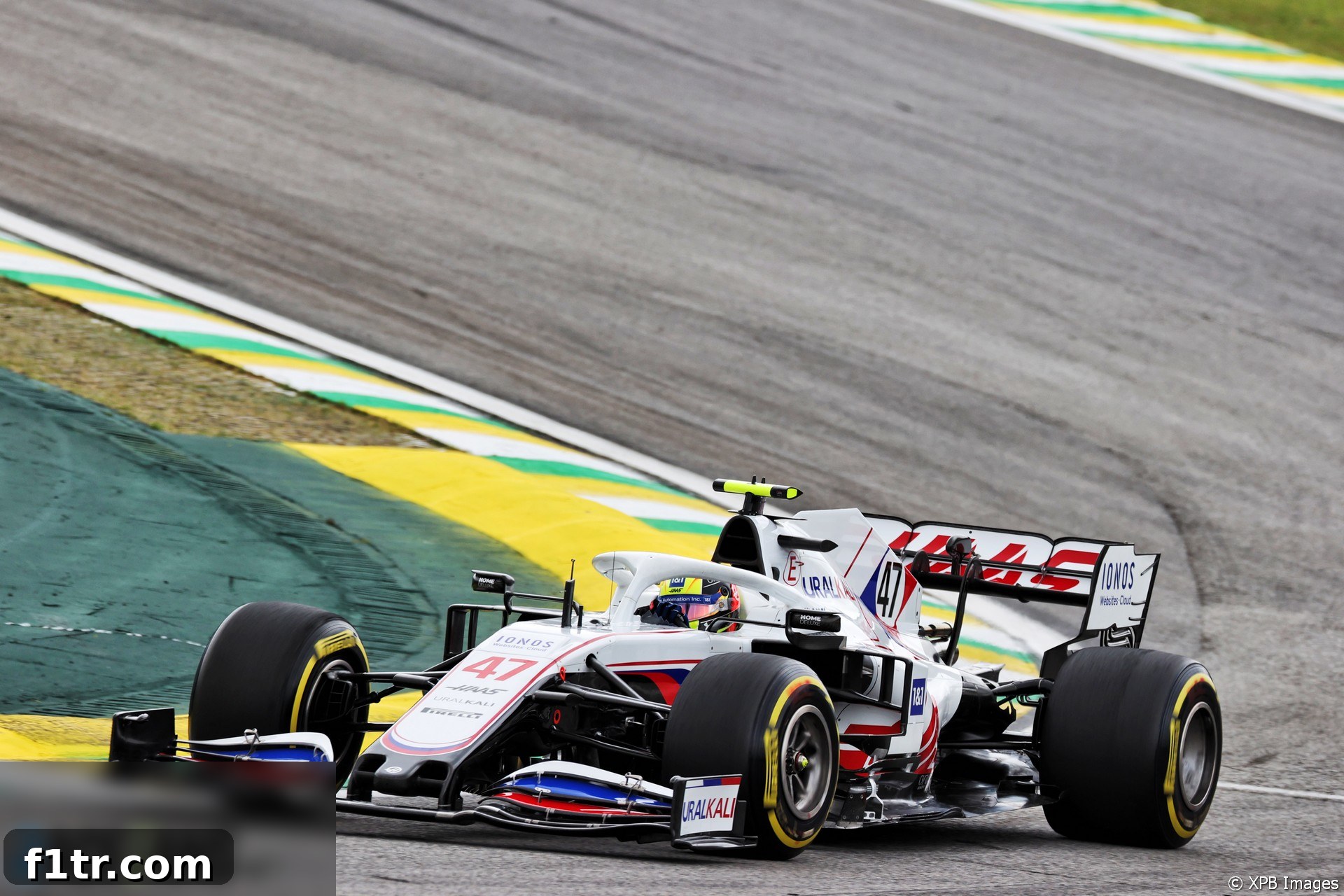
Mick Schumacher Reflects on Dashed Q2 Hopes at Interlagos: “Hopefully Next Year We’ll Be Much Better Prepared”
The Interlagos circuit often serves up high drama and unexpected turns, and the qualifying session was no exception, particularly for rookie Mick Schumacher. The Haas driver found himself grappling with the fine margins of Q1, ultimately missing out on a coveted spot in Q2. Despite completing a lap that “felt good,” Schumacher’s best effort was unfortunately deleted due to a track limits infringement. While this penalty meant he couldn’t advance to the second stage of qualifying for the third time this year, it’s worth noting that even a clean lap would have placed him within a mere five thousandths of a second of George Russell’s Williams – a stark testament to the incredibly competitive nature of the field, especially at the back of the grid where every millisecond counts.
Schumacher articulated his disappointment with characteristic candor, stating, “unfortunately we didn’t manage to get out of Q1. I think the hopes were high that we [would]. But we’ll live and we’ll learn from those weekends and hopefully next year we’ll be much better prepared.” His remarks underscore the steep learning curve inherent for any rookie in Formula 1, especially when driving for a team like Haas, which has consistently battled performance deficits. The subtle nuances of track limits, combined with the immense pressure to extract every ounce of speed, present an intense challenge for even the most experienced drivers, let alone those still finding their feet in the pinnacle of motorsport.
The young German elaborated on the tight competition, observing that it was “a case of everybody being so compressed, everybody’s so tight together.” This compression means that even a minor imperfection in driving or a slight inherent car deficit can prove catastrophic for qualifying prospects. Schumacher openly acknowledged the car’s current limitations, adding, “Unfortunately, maybe the car just has that little bit of a deficit, and it seems like I couldn’t really do the difference this time.” Despite the palpable frustration, his focus remained firmly on the positives and future progression: “But you know, we live and we learn. It’s something to be frustrated about because we still managed to get something out of the car, which felt great. And so hopefully for the race we will be a bit closer.” This resilience and forward-thinking attitude are absolutely crucial for any driver aiming for a long and successful career in Formula 1. His determination to extract maximum performance from challenging machinery bodes exceptionally well for his future development with Haas, particularly with the significant regulation changes anticipated for the 2022 season offering a fresh start.
Advert | Become a Supporter & go ad-free
Giovinazzi’s Qualifying Strategy Undermined by Tyre Management: “Only Had One Set” Left for Q2
Antonio Giovinazzi, representing Alfa Romeo Racing, demonstrated a promising turn of pace in Q1, securing an impressive sixth-fastest time – a commendable effort that strongly hinted at potential for a deeper run into the qualifying stages. However, his Q2 performance was unfortunately cut short by a critical error and a strategic miscalculation. Giovinazzi recounted the sequence of events that led to his early exit: “it was a good lap in Q1 but in Q2 we had a lock up in turn one, on my new sets of tyres and then the lap was over.” A lock-up on a fresh set of softer compound tyres, especially early in a crucial flying lap, is often disastrous. It damages the tyre, leading to vibrations and a significant loss of grip, effectively forcing the driver to abandon the attempt and return to the pits, thereby ending their chances of improving their time.
The Italian driver subsequently revealed a critical strategic misstep regarding his tyre usage during the session. He explained, “We used three sets in Q1 so had nothing left for Q2 so, unfortunately it’s like this. We tried everything in Q1 and so we knew we only had one set.” This aggressive approach in Q1, while initially yielding a strong time and showcasing the car’s potential, left him with minimal options for the subsequent, more competitive session. In Formula 1 qualifying, tyre management, especially of the precious soft compound, is paramount. Teams often try to save fresh sets for Q2 and Q3, where the margins are even tighter and optimal grip is absolutely essential for extracting peak performance. Sacrificing multiple sets in Q1, even to secure a comfortable progression, can severely compromise performance later in the session, a lesson vividly illustrated by Giovinazzi’s experience.
Despite the significant setback, Giovinazzi remained optimistic about the upcoming sprint qualifying session, which offered a distinct chance for redemption: “But still tomorrow, we have the sprint quali so we will try to gain some positions.” The sprint race format, a relatively new addition to the F1 calendar, provides an opportunity for drivers to recover from a poor Friday qualifying result. It offers another competitive session on Saturday to improve their starting grid position for Sunday’s main Grand Prix, meaning his Sunday hopes were not entirely dashed. This dual-opportunity weekend structure can be both a blessing and a curse for teams and drivers, demanding adaptable strategies and consistent performance across multiple competitive sessions, adding another layer of complexity to Grand Prix weekends.
Andrea Kimi Antonelli Continues Promising F4 Journey with Prema for 2022
The future of motorsport is continually shaped by the exceptional talent emerging from junior categories, and one name generating significant buzz among experts and fans alike is Mercedes junior driver Andrea Kimi Antonelli. Confirming his commitment to full-time Italian Formula 4 competition in 2022 with the esteemed Prema Racing team, Antonelli is set to build on an already impressive foundation. Having participated in three rounds of the championship with Prema in the preceding year, his progression to a full season indicates strong confidence from both the driver and the renowned team in his considerable capabilities and potential.
Prema Racing, a veritable powerhouse in junior formulae, boasts a long-standing and illustrious reputation for nurturing some of the sport’s brightest talents, many of whom have gone on to achieve success in Formula 1. Team principal Angelo Rosin lauded Antonelli’s potential as “remarkable,” expressing eager anticipation for his upcoming achievements: “Preparations will be paramount, so we are fully focused on supporting Kimi as he further hones and refines his impressive skills.” This ringing endorsement from a highly respected figure in junior motorsport speaks volumes about Antonelli’s raw talent and the meticulously structured development path Mercedes and Prema are laying out for him. Formula 4 serves as a critical stepping stone in a young driver’s career, providing them with their first taste of single-seater racing in a highly competitive environment, teaching essential race craft, technical understanding, and crucial media skills.
Antonelli’s brief excursions into Italian F4 in 2021 already yielded remarkable results, offering a compelling glimpse into his potential. He was notably the fastest rookie in four of the races he entered and, impressively, stood on the outright podium three times against more experienced competitors. These early successes vividly highlight his natural speed, innate racing intelligence, and remarkable ability to adapt quickly to new machinery and circuits. His consistent performance against a field of seasoned rivals signals a driver with a strong competitive instinct and a clear trajectory towards higher levels of motorsport. As he embarks on a full season, all eyes will undoubtedly be on Antonelli to see if he can translate his raw potential into championship success, further solidifying his status as one of Mercedes’ most promising young proteges and a future star of the sport.
McLaren Racing Accelerates Sustainability Efforts with New Director Appointment and UN Commitment
In a significant and commendable move reflecting the growing global imperative for environmental responsibility, McLaren Racing has taken substantial steps to embed sustainability into the very core of its operations. The prestigious Formula 1 team has announced the appointment of its first-ever Director of Sustainability, signaling a dedicated and comprehensive focus on green initiatives across its extensive racing portfolio. This unwavering commitment is further underscored by McLaren becoming a proud signatory to the United Nations’ Sport for Climate Action Commitment, aligning its ambitious objectives with broader global efforts to combat climate change and promote ecological stewardship.
Kim Wilson, formerly a key figure at EDF Energy, a prominent energy company, has been appointed to this pivotal and newly created role. Her broad mandate extends across McLaren’s diverse racing endeavors, encompassing not only the flagship Formula 1 team but also their dynamic entries in IndyCar and Extreme E. This holistic approach ensures that sustainability principles and practices are integrated into every facet of their motorsport activities, ranging from complex logistics and cutting-edge manufacturing processes to trackside operations and energy consumption strategies. The appointment of a dedicated director unequivocally highlights McLaren’s proactive stance and long-term vision for environmental stewardship within the high-performance and high-impact world of racing.
The UN Sport for Climate Action Commitment obligates McLaren Racing to rigorously measure, diligently reduce, and transparently report its greenhouse gas emissions. Furthermore, the commitment sets an ambitious target for all signatories to achieve net carbon zero by 2040. However, McLaren has demonstrated even greater ambition and leadership, having already declared its own internal intention to reach net zero a full decade earlier, by 2030. This accelerated timeline showcases McLaren’s profound dedication to pioneering sustainable practices within the highly visible and influential arena of international motorsport. Their efforts are not merely about compliance but are deeply rooted in setting a benchmark for the entire industry, striving to prove that high-octane racing can not only coexist with but also actively champion a profound commitment to environmental preservation and a healthier planet.
Advert | Become a RaceFans supporter andgo ad-free
Social Media Buzz: Voices from the F1 World
Social media continues to serve as a vibrant and immediate hub for Formula 1 discussions, offering candid insights and breaking news directly from journalists, teams, and prominent personalities within the sport. Here’s a look at some notable posts making waves and sparking conversations:
Feel for those poor guys and girls in F1 teams working through the night due to the late arrival of the freight. Middle race in a brutal triple header (Mexico, Brazil & Qatar). Plus, the added headache of a sprint race. Physical and mental health at risk.
— Ben Hunt (@benjhunt) November 11, 2021
Esteemed journalist Ben Hunt highlighted the immense strain placed upon Formula 1 team personnel, particularly during the arduous “triple-header” events like the intense Mexico, Brazil, and Qatar sequence. He expressed heartfelt empathy for the crews often compelled to work through the night due to unforeseen freight delays, a recurring logistical challenge that puts significant pressure on an already demanding schedule. The added complexity of a sprint race weekend further exacerbates the workload, raising legitimate concerns about the physical and mental well-being of the dedicated men and women who meticulously keep the F1 circus moving across continents. This poignant tweet brought much-needed attention to the often-unseen human cost behind the glamorous facade of Grand Prix racing, prompting wider discussion about calendar sustainability for all involved.
Images circulating on social media claiming to show changes to the shape of Spa’s Eau Rouge and Raidillon corners for 2022 are not authentic, according to a circuit representative.
— Keith Collantine (@keithcollantine) November 12, 2021
Keith Collantine, a widely respected and authoritative voice in F1 journalism, took to Twitter to address a rapidly circulating rumor regarding potential changes to the iconic Eau Rouge and Raidillon corners at the Spa-Francorchamps circuit for the 2022 season. He decisively clarified that images purportedly depicting these modifications were “not authentic,” directly citing a representative from the circuit itself. This timely intervention served as a crucial fact-check, effectively quelling widespread speculation and preventing the further spread of misinformation among an eager fanbase. It unequivocally underscores the vital importance of reliable reporting in a sport where rumors can spread like wildfire, particularly when concerning beloved and historically significant track layouts. Spa’s unique challenges and breathtaking high-speed sections are universally revered, and any proposed changes naturally draw intense scrutiny and passionate debate from the global F1 community.
Did you know that a driver’s visor can be as much of a personal choice as their helmet design? Well, now you do. Tom Clark, @OconEsteban’s performance coach takes us through the ins and outs of driver visors.#BrazilGP pic.twitter.com/d4SFil1Nye
— BWT Alpine F1 Team (@AlpineF1Team) November 12, 2021
The BWT Alpine F1 Team provided an engaging and highly informative glimpse into the intricate technical details behind a Formula 1 driver’s essential equipment, specifically focusing on the often-overlooked yet critical role of visors. This educational social media post, featuring Esteban Ocon’s performance coach, Tom Clark, revealed that visor choice is a surprisingly highly personalized decision, almost as intricate as helmet design itself, significantly impacting a driver’s visibility, comfort, and ultimately, performance. Factors such as tint levels, advanced anti-fog properties, and the strategic use of tear-offs are all crucial considerations, meticulously adapted to varying light conditions and dynamic weather scenarios. Such insightful behind-the-scenes content offers fans a deeper appreciation for the meticulous preparation and customization involved in Formula 1, where every small detail, no matter how seemingly minor, can profoundly influence both performance and safety. It serves as a powerful reminder that F1 excellence extends far beyond the car itself, down to the most intimate and specialized components of a driver’s personal gear.
There were some special guests at Fiorano this afternoon 👀
It was a pleasure to have Jean Todt, Mattia Binotto and Benedetto Vigna at the track to meet the #GirlsOnTrack drivers and @WeugMaya this afternoon 🏎#FDA @fia @fiawim pic.twitter.com/5vDE86TQ6E
— Scuderia Ferrari Driver Academy (@insideFDA) November 12, 2021
The Scuderia Ferrari Driver Academy (FDA) shared an inspiring update from its iconic Fiorano test track, detailing a significant visit from high-profile guests including Jean Todt (then FIA President), Mattia Binotto (Ferrari Team Principal), and Benedetto Vigna (Ferrari CEO). The visit was primarily centered around meeting the aspiring “Girls On Track” drivers and Maya Weug, a promising talent within the highly regarded FDA program. This crucial initiative, strongly supported by the FIA and its Women in Motorsport commission, aims to proactively identify, nurture, and develop female talent in karting and single-seater racing, fostering greater diversity within the sport. Such high-profile engagements highlight Ferrari’s unwavering commitment to diversity and inclusion within motorsport, showcasing the robust support system in place for young drivers as they climb the competitive ranks. The prominent presence of senior figures from both the FIA and Ferrari unequivocally underscores the profound importance placed on these vital developmental programs for the future of motorsport.
Raced a world champion in his own car. At a track I don’t know. In the wet. Just waiting for the reserve driver contract to roll in now….. 😅. #formulae pic.twitter.com/5JbM6fhFdf
— Rory Reid (@MrRoryReid) November 11, 2021
Renowned automotive presenter and personality Rory Reid offered a lighthearted yet thrilling account of an unforgettable experience where he found himself racing against a world champion in their own car, on an unfamiliar, wet track. His playful remark, “Just waiting for the reserve driver contract to roll in now….. 😅,” added a delightful touch of humor, cleverly suggesting he might be eyeing a coveted spot in Formula E as a potential reserve driver. This engaging post vividly captures the sheer excitement and formidable challenge of driving high-performance racing vehicles, even for experienced enthusiasts, and provides a relatable moment for countless fans who dream of one day getting behind the wheel of a professional racing car. It also subtly but effectively promotes Formula E, showcasing its unique appeal and the often-challenging conditions drivers frequently encounter in the fast-paced world of electric racing.
- Find more official F1 accounts to follow in the F1 Twitter Directory
F1 News & Insights: Beyond the Track
Explore these interesting links providing further context and detailed information on key developments across the broader motorsport landscape:
Alfa-Sauber 2022 with Zhou next to Bottas (Blick – German)
Reports from the prominent Swiss publication Blick suggested a significant and potentially groundbreaking shake-up in the highly competitive F1 driver market, particularly concerning the Alfa Romeo team. This piece highlighted the highly anticipated news that Chinese driver Guanyu Zhou (22) was on the verge of joining Alfa-Sauber for the upcoming 2022 season, set to partner with the vastly experienced Valtteri Bottas (32). Zhou’s arrival would undeniably mark a historic moment as the first full-time Chinese Formula 1 driver, opening up immense commercial opportunities for the sport in the lucrative Asian market. His anticipated move to F1 was also a powerful testament to his strong and consistent performances in junior categories, leading to widespread speculation and excitement about how he would fare against a seasoned Grand Prix winner like Bottas in the dawn of a new era of F1 regulations.
Trident Motorsport increases presence in motorsport élite (Trident)
Trident Motorsport announced an ambitious expansion of its presence within the motorsport elite, reinforcing its unwavering commitment to identifying and nurturing talent across various feeder series. Starting from the 2022 season, the Italian squad, renowned for its strong performances and championship-winning pedigree in junior categories, was set to significantly add a Formula Regional European Championship by Alpine program to its extensive operations. This significant new endeavor would run seamlessly alongside its long-standing and highly successful commitments to the FIA Formula 2 Championship and FIA Formula 3 Championship. This strategic expansion by Trident unequivocally underscores the critical importance of a comprehensive and well-structured driver development ladder, allowing them to effectively identify and progress promising young drivers from regional championships all the way to the very doorstep of Formula 1, further solidifying their reputation as a key and influential player in the junior motorsport landscape.
We always endeavour to credit original sources. If you have a tip for a link relating to single-seater motorsport to feature in the next RaceFans round-up please send it in via the contact form.
Advert | Become a RaceFans supporter andgo ad-free
Fan Voice: Debating the Impact of the Sprint Race Format on F1 Qualifying
The introduction of the sprint qualifying format in Formula 1 has ignited considerable and ongoing debate among fans, pundits, and drivers alike. Following a qualifying session that determined the grid for a subsequent sprint race, a keen F1 enthusiast, @GT-Racer, offered a compelling and thought-provoking reflection on whether this new weekend structure might be inadvertently diluting the traditional tension and raw excitement that Saturday qualifying historically provided. Their observations resonate with a broader sentiment regarding the sprint format’s profound impact on the overall Grand Prix weekend flow and narrative.
I don’t know if it’s because of the weekend format putting qualifying on Friday with a day’s gap before the main race or because of knowing this isn’t what sets the grid for the main race on Sunday but that session was just lacking something and I don’t know if it was just me but even Croft and Brundle sounded less into it than they normally would be for a qualifying session.
Regardless of my feelings about the actual Saturday race I think the biggest downside for me of these sprint weekends has been how it’s altered the feeling and relevance of the other sessions in a way which I feel has been negative. I saw another commenter raise how the flow of the weekend has been altered and I have to say that I think I agree with that and I don’t think that has been a positive change.
@GT-Racer
@GT-Racer articulated a common and deeply felt concern among traditional F1 followers: the shift of the “main” qualifying session to Friday, often followed by a full day’s gap before the Grand Prix, and the crucial fact that it no longer directly sets the grid for Sunday’s ultimate showpiece event. This fundamental restructuring, they argue, inevitably diminishes the immediate significance and dramatic build-up that traditional Saturday qualifying historically provided. The insightful observation that even seasoned and usually effusive commentators like David Croft and Martin Brundle seemed less enthusiastic suggests a perceptible and widespread change in the atmosphere and perceived stakes surrounding these revamped sessions.
The comment further delves into the broader and more nuanced impact on the overall “flow” of the race weekend. For many loyal F1 fans, the established sequence of free practice sessions, followed by a dramatic qualifying battle, and culminating in the main race, created a logical, escalating, and highly anticipated narrative. The sprint format, by introducing a Saturday race that itself determines the Sunday grid, inevitably fragments this cherished narrative. While the sprint race is designed with the laudable aim of adding more excitement and competitive action to the weekend, some critics argue it inadvertently detracts from the purity, significance, and emotional weight of the original qualifying format and the ultimate Grand Prix itself. This ongoing discussion vividly highlights the delicate challenge Formula 1 faces in innovating its format and attracting new audiences while simultaneously retaining the cherished traditions, dramatic elements, and deep historical resonance that have defined the sport for many decades. Finding the right balance between novelty and legacy remains a key and complex consideration for the sport’s long-term future and enduring appeal.
Happy Birthday to Motorsport Enthusiasts!
A very special shout-out and our warmest wishes go out to our esteemed fellow motorsport enthusiasts celebrating their birthdays today: Thenikii, Sid90, and Piotr Zukowski! May your day be filled with exhilarating speed, immense joy, and all things racing!
On This Day in Motorsport History: A Classic Brazilian Grand Prix
- Five years ago today Lewis Hamilton won a soaked, red-flagged Brazilian Grand Prix in which Max Verstappen starred
Recalling an unforgettable race from exactly five years ago, this day marks the significant anniversary of the 2016 Brazilian Grand Prix – a race indelibly etched into Formula 1 history for its dramatic, rain-soaked conditions and its pivotal moments in what was a tense championship battle. Lewis Hamilton delivered a truly masterful performance, expertly navigating the treacherous Interlagos circuit through torrential downpours to claim a crucial and hard-fought victory. The race was marred by multiple red flags and lengthy safety car periods due to the severe weather, rigorously testing the patience, skill, and nerve of every single driver on the grid in extraordinary circumstances.
However, amidst the chaos and challenging conditions, it was a young Max Verstappen who truly captivated audiences and stole headlines, delivering a breathtaking display of wet-weather driving prowess. His daring overtakes, remarkable car control, and audacious line choices, particularly through the final sectors of the circuit, saw him scythe through the field from a seemingly impossible position, showcasing raw talent and fearless aggression. Verstappen’s performance that day was an undeniable signal of the generational talent he possessed, powerfully solidifying his burgeoning reputation as a future world champion and an absolute force to be reckoned with in challenging conditions. This memorable race remains a testament to both Lewis Hamilton’s championship-winning composure and strategic brilliance, and Max Verstappen’s electrifying emergence onto the global stage, providing endless discussion points and revered highlights for fans revisiting one of Formula 1’s modern classics.