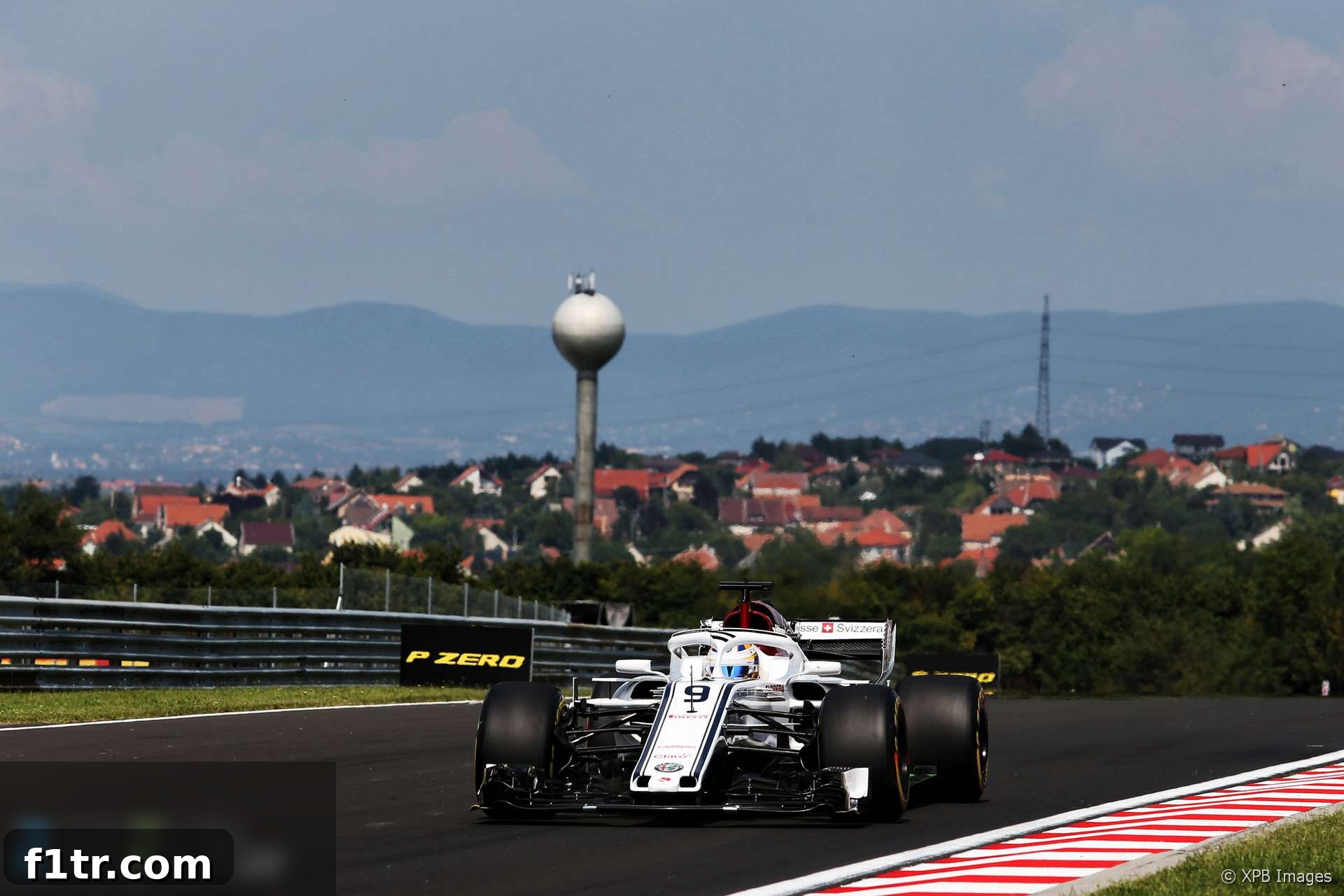
In a sport where precision and safety are paramount, Formula 1 teams operate under incredibly strict regulations, especially concerning pit lane operations. An incident during a Free Practice session saw the Sauber F1 team incur a significant penalty from race stewards. Sauber was fined €5,000 for releasing Swedish driver Marcus Ericsson’s car in an unsafe condition during the second practice session of a Formula 1 Grand Prix weekend. This decision underscored the FIA’s unwavering commitment to upholding the highest safety standards in the high-stakes environment of motorsport.
Advert | Become a Supporter & go ad-free
The incident unfolded when Ericsson, having completed his pit stop, was given the signal to rejoin the track. However, the stewards meticulously reviewed video evidence and determined that the car was released without one of its wheels being properly secured. This critical oversight posed a substantial safety risk, not only to Ericsson himself but also to pit lane personnel and other competitors. The prompt and decisive action taken by the team and driver immediately after the unsafe release, however, played a crucial role in mitigating what could have been a far more serious situation.
Stewards’ Decision and Its Implications for F1 Safety
Following a thorough investigation, the race stewards summoned a representative from the Sauber team to present their findings and hear the team’s account. The review process highlighted the gravity of the infraction and the established protocols designed to prevent such occurrences.
The stewards reviewed the video of the pit stop of Car 9 at 16:07 and heard from the team representative. Their investigation unequivocally determined that the car was released in an unsafe condition, constituting a direct breach of Article 28.13(b) of the Formula 1 Sporting Regulations. This article specifically mandates that “a car must not be released from a pit stop position unless it is safe to do so.” In this particular instance, the primary failing was that the wheel was not properly attached to the car at the moment of release, a fundamental safety requirement.
Despite the severity of the initial breach, the stewards also acknowledged the immediate and responsible reaction from the Sauber team. Upon realizing the unsafe condition, the team reacted instantly, instructing the driver to stop the car without delay. Marcus Ericsson, demonstrating exemplary professionalism and quick thinking, responded by stopping the car in a safe and controlled manner immediately after being alerted. This swift action prevented the car from proceeding further into the fast lane or on track with a loose wheel, thereby averting a potentially dangerous scenario.
Consistent with previous decisions of a similar nature, where drivers have acted appropriately to rectify an unsafe release at the first available opportunity, the stewards opted not to apply the more severe grid place penalty mentioned within Article 28.13(b). This particular clause allows for a grid penalty in cases of unsafe release, but the mitigating circumstances of the driver’s prompt and safe actions were taken into account. Accordingly, the stewards decided to fine the team €5,000. This financial penalty serves as a deterrent and a clear reminder to all teams of their strict responsibilities regarding pit lane safety and operational protocols.
The stewards’ ruling not only addresses the specific incident but also reinforces the comprehensive framework of safety regulations governing Formula 1. Article 28.13(b) is a cornerstone of pit lane safety, designed to prevent catastrophic failures that could result from improper wheel attachment. Pit stops, while a spectacle of speed and efficiency, are inherently high-risk operations where tenths of a second can separate success from severe consequences. The smallest human error or mechanical oversight can have far-reaching implications, making strict adherence to protocols absolutely essential.
Advert | Become a RaceFans supporter andgo ad-free
The Unwavering Commitment to Safety in Formula 1
Formula 1 has a long and often tragic history, which has relentlessly driven the sport towards ever-increasing safety standards. Incidents involving loose wheels, while rare today, serve as stark reminders of past dangers. The FIA (Fédération Internationale de l’Automobile), as the governing body, continuously reviews and updates regulations to ensure driver safety, pit crew protection, and overall event security. This particular incident, though minor in its outcome thanks to swift action, highlights the constant vigilance required from every team member, from the strategists to the mechanics handling the wheel guns.
Modern F1 pit stops are a ballet of synchronized motion, typically completed in under three seconds. This incredible speed is achieved through sophisticated technology and rigorous training. Wheel guns are pneumatic powerhouses, designed for rapid removal and attachment of wheels. However, human element remains crucial. Teams employ advanced sensor systems and visual indicators to confirm that all four wheels are securely fastened before a car is released. These systems act as a final safeguard, providing immediate feedback to the pit crew and the driver. An unsafe release can occur if these systems fail, or if human error overrides their warnings, even for a split second.
The €5,000 fine, while not exorbitant for an F1 team, carries a significant symbolic weight. It underscores the FIA’s zero-tolerance policy for safety breaches and serves as a public declaration that safety protocols are non-negotiable. For teams like Sauber, a financial penalty, alongside the reputational damage, reinforces the importance of meticulous attention to detail and continuous improvement in pit stop procedures. Every team strives for perfection, knowing that any lapse in safety could have severe consequences beyond just financial penalties, potentially impacting their championship aspirations and brand image.
Context: Sauber’s Journey and Pit Stop Evolution in 2018
The 2018 Formula 1 season was a period of transition and development for many teams, including Sauber. Marcus Ericsson was a key part of their driver line-up, and the team was working hard to improve its performance and reliability. In such a competitive environment, every element of performance, including pit stop efficiency, is scrutinized. However, this incident serves as a crucial reminder that efficiency must never compromise safety. The incident with Ericsson’s car during practice was a learning moment, highlighting the continuous need for teams to balance the quest for speed with an unyielding commitment to operational safety.
The evolution of pit stop rules has seen various iterations, from refueling bans to stricter regulations on car release. These changes are always driven by a dual objective: enhancing safety and promoting fairer competition. The fact that the stewards differentiate between an initial unsafe release and one where the driver immediately corrects the situation speaks to a nuanced understanding of race dynamics and accountability. It encourages drivers to be proactive in mitigating risks, even when an error has occurred on the team’s part.
Conclusion: A Constant Pursuit of Perfection
The incident involving Sauber and Marcus Ericsson serves as a potent reminder of the ever-present dangers in Formula 1 and the stringent measures in place to mitigate them. While the thrill of racing and the pursuit of speed define the sport, safety remains the foundational pillar upon which all other aspects are built. The €5,000 fine issued to Sauber for an unsafe release is more than just a monetary penalty; it is a clear message from the FIA that adherence to safety regulations is paramount, and continuous vigilance is expected from every team in the paddock. It highlights the complex interplay between human error, mechanical integrity, and regulatory oversight that defines the cutting edge of motorsport safety.
Browse More Articles from the 2018 F1 Season
Explore further insights and developments from a memorable year in Formula 1:
- F1 feared “death knell” for Drive to Survive after Ferrari and Mercedes snub
- McLaren staff told us we were “totally crazy” to take Honda engines in 2018 – Tost
- ‘It doesn’t matter if we start last’: How Red Bull’s junior team aided Honda’s leap forward
- Honda’s jet division helped F1 engineers solve power unit problem
- McLaren Racing losses rise after Honda split
Browse all 2018 F1 season articles