Formula 1 Insights: Mercedes’ Triumphant Comeback, Sim Racing Drama, and Junior Series Evolution
The world of motorsport is a relentless arena of innovation, high-octane drama, and evolving narratives. From the pinnacle of Formula 1 to the foundational junior categories and the burgeoning sphere of esports, every corner presents compelling stories of challenge, triumph, and strategic shifts. This comprehensive update delves into recent developments, offering an in-depth look at the key moments shaping the racing landscape, driver perspectives, and the intricate business decisions driving the sport forward.
Mercedes’ Resilient 2022 Recovery: George Russell on Team Tension
Navigating Early Season Challenges
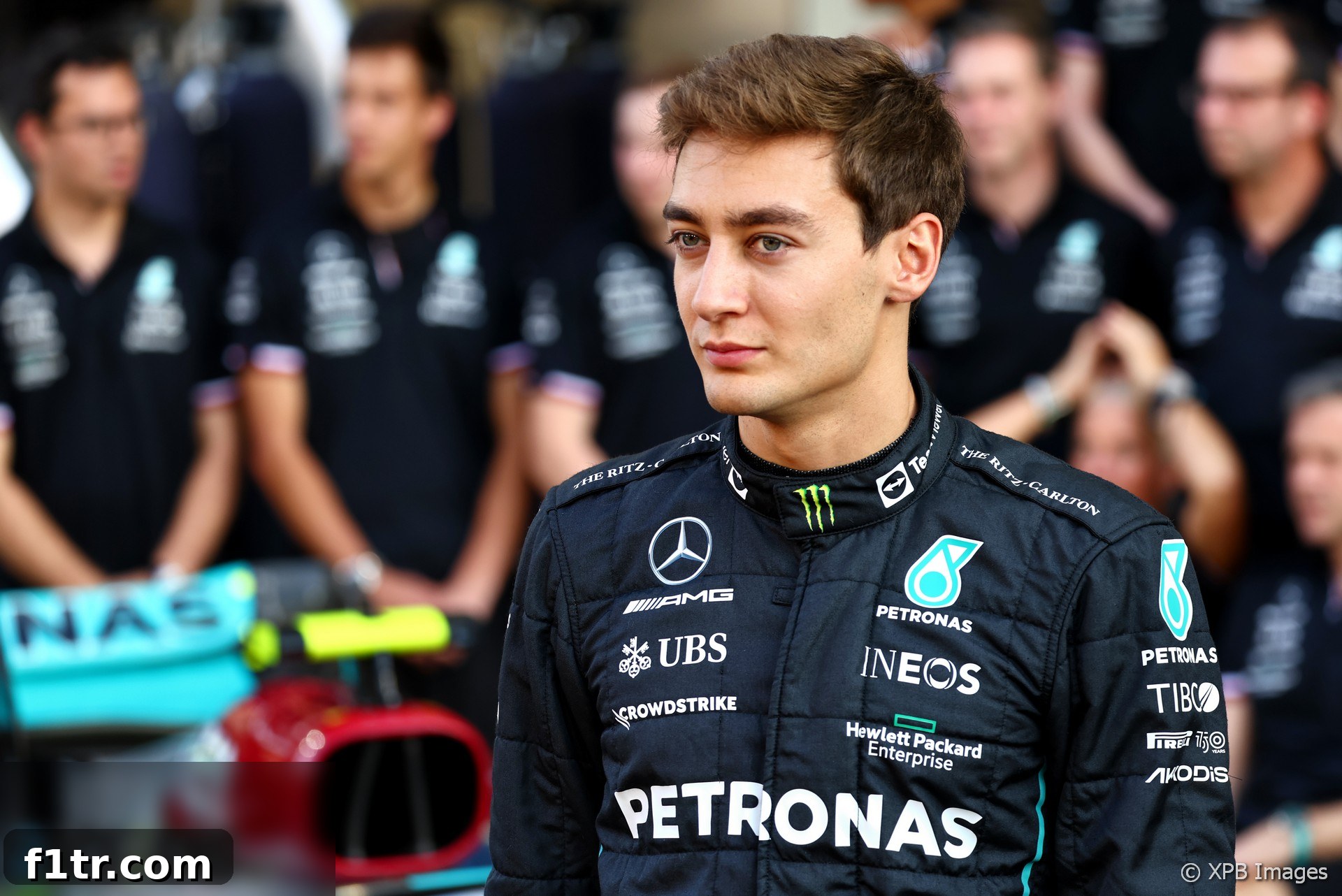
Mercedes-AMG Petronas F1 Team driver George Russell has shed light on the intense atmosphere within the team as they grappled with a challenging start to the 2022 Formula 1 season. What began with the high hopes of defending their constructors’ championship quickly transformed into a rigorous battle for recovery. The team faced significant hurdles, primarily an aggressive aerodynamic phenomenon known as ‘porpoising’ that severely hampered their W13 challenger’s performance in the early races. This unexpected struggle saw the reigning champions trailing formidable rivals Red Bull and Ferrari, a stark contrast to their dominant form in preceding years.
The early struggles weren’t just about lap times; they created a palpable sense of tension and urgency within the Brackley and Brixworth factories. Russell, reflecting on the season during an appearance on the High Performance Podcast, candidly admitted that the internal dynamics would have been vastly different had they rolled out the fastest car from day one. Instead, the team found itself in unfamiliar territory, necessitating late nights, exhaustive data analysis, and difficult conversations among drivers, engineers, and designers.
The Road to Victory and Long-Term Vision
The core challenge revolved around a fundamental question: “Are we on the right track?” The pressure to find solutions was immense, leading to debates about whether to pursue incremental improvements or embark on more drastic redesigns. Russell emphasized that these were “very difficult conversations,” often fraught with conflicting opinions and the weight of championship expectations. Yet, it was through navigating these challenging dialogues that Mercedes forged a stronger, more cohesive unit. The shared adversity, rather than fracturing the team, led to a deeper understanding and a unified push towards a common goal.
The fruits of their perseverance became evident as the season progressed. Mercedes meticulously worked to understand and mitigate the porpoising effect, gradually unlocking more performance from their car. This culminated in a momentous victory at the Brazilian Grand Prix, where George Russell secured his maiden Formula 1 win, marking the team’s only triumph of the season. This significant achievement was not merely a standalone victory but a powerful validation of their recovery efforts and the unwavering leadership within the organization. Russell firmly believes that the trying experience of 2022 will serve as a foundational building block for “more long-term success,” highlighting how resilience in the face of adversity can translate into sustained competitive advantage in the high-stakes world of Formula 1.
Sim Racing Thrills: Verstappen’s Le Mans Virtual Podium Miss
High Stakes at Sebring
Beyond the asphalt, the virtual racing realm continues to captivate, drawing in top-tier talent from real-world motorsport. Double Formula 1 world champion Max Verstappen recently demonstrated his prowess in the digital domain, competing in the latest round of the prestigious Le Mans Virtual Series simracing championship. Representing Team Redline, a formidable presence in esports, Verstappen was poised for a podium finish during the intensely competitive 500 Miles of Sebring esports event.
Throughout the final stint, Verstappen, collaborating with Redline teammates Jeffrey Rietveld and Maximilian Benecke, held a strong third position. However, the closing stages of the race witnessed a dramatic turn of events. Mercedes-AMG driver James Baldwin, a recognized talent in both real and virtual racing, launched a relentless pursuit. Baldwin successfully reeled in and ultimately overtook Verstappen, denying the F1 champion a podium spot by just under two seconds at the chequered flag. The race itself was a masterclass in endurance sim racing, ultimately won by the Porsche Coanda drivers Mack Bakkum, Laurin Heinrich, and Joshua Rogers, underscoring the high level of competition and strategy involved in these virtual events.
The Rise of Esports in Motorsport
Verstappen’s participation and near-podium finish highlight the growing convergence between traditional motorsport and its virtual counterpart. Sim racing is no longer merely a hobby but a serious competitive discipline that attracts professional drivers, showcasing their skills and competitive spirit in a different format. Events like the Le Mans Virtual Series offer a global platform for both established stars and emerging talents, further legitimizing esports within the broader motorsport ecosystem and providing fans with additional avenues to engage with their favorite drivers and teams.
Future of Junior Motorsport: German F4 Championship Discontinued
A Legacy of Talent
The landscape of junior motorsport is constantly shifting, and recent news from Germany signals a significant change. The ADAC (Allgemeiner Deutscher Automobil-Club) has confirmed that the German Formula 4 championship will not proceed in 2023. This decision comes as a direct result of dwindling entries over recent seasons, indicating a broader challenge within the national junior single-seater categories. The German F4 series, since its inception, has served as a vital stepping stone for numerous aspiring racers, providing a competitive platform for young drivers to hone their skills before progressing to higher tiers of motorsport.
Over the years, the championship has been a launchpad for many talents who have gone on to achieve success in Formula 3, Formula 2, and even Formula 1. Notable past champions include Juri Vips, Theo Pourchaire, Johnny Edgar, and Ollie Bearman, all of whom have demonstrated immense potential in their respective careers. The 2022 series title was claimed by Mercedes junior Andrea Kimi Antonelli, a highly-rated prospect who now looks set for a bright future. The discontinuation of such a prominent series raises questions about the health and accessibility of national junior racing programs.
ADAC’s New Direction
In response to the declining participation, the ADAC has announced a strategic shift in its junior single-seater involvement. Instead of organizing its own Formula 4 championship, the German motorsport federation will instead run a team in the French Formula 4 championship next year. This move suggests a consolidation of efforts and resources, potentially aiming to provide a stronger, more competitive environment within a regional framework. While the absence of a national German F4 series will undoubtedly be felt, the ADAC’s pivot to the French championship ensures that German talent will still have a clear pathway within the F4 ladder, albeit under a different organizational structure. This development underscores the economic pressures and evolving dynamics within junior motorsport, where collaboration and strategic international alignment may become increasingly common for sustaining driver development programs.
Motorsport Links & Insights
Stay informed with these pivotal stories shaping the motorsport world:
Driver Focus: Perez’s Quest for Consistency
Perez Chasing Improved Consistency for 2023 (Speedcafe)
Sergio Perez, Red Bull Racing’s experienced driver, is keenly focused on improving his consistency for the upcoming 2023 Formula 1 season. Reflecting on his 2022 campaign, Perez acknowledged that a “couple of bad races” significantly derailed his championship challenge, despite strong performances in other rounds. This self-assessment highlights the incredibly high stakes and razor-thin margins at the top echelon of F1, where even minor fluctuations in form can have profound consequences. Working closely with the Red Bull team, Perez aims to maintain a consistent competitive edge throughout the year, an essential factor if he is to launch a sustained title bid, particularly if Red Bull provides a car of similar competitive prowess next season. His quest for unwavering performance will be a crucial storyline to follow.
Paving the Way: Jamie Chadwick’s Indy NXT Challenge
Why Jamie Chadwick’s Announcement Should Scare The FIA (F1 Chronicle)
Jamie Chadwick’s move to Indy NXT marks a pivotal moment for women in motorsport, sending a clear message about her ambitions and potential. Having dominated the W Series, Chadwick is now set to test her mettle in a robust feeder series that offers a direct pathway to IndyCar. This opportunity is not just a personal career advancement; it’s a critical proving ground where she will race alongside established talents and former FIA juniors. Success in Indy NXT would unequivocally demonstrate her capability to progress beyond the W Series, challenging existing narratives and potentially accelerating the integration of female drivers into top-tier single-seater categories. Her journey could inspire a new generation and fundamentally alter how the FIA approaches diversity and inclusion in its motorsport ladders.
F1’s Economic Impact: Miami Grand Prix Success
Small Business Owners Look Forward to Year 2 of Formula 1 in Miami Gardens (CBS)
The inaugural Formula 1 Miami Grand Prix proved to be a significant economic boon for local businesses, and anticipation is high for its second iteration. Small business owners in Miami Gardens expressed immense satisfaction with the exposure and revenue generated by the event, highlighting its unexpected positive impact on their ventures. The Grand Prix not only brought international attention but also created unique opportunities for local enterprises to engage with a global audience. This success story underscores F1’s growing footprint in the United States and its capacity to stimulate local economies, transforming host cities into vibrant hubs of commercial activity during race weekends. The event’s ability to blend global spectacle with local entrepreneurship sets a strong precedent for future F1 expansions.
McLaren’s Strategic Asset Sales for Artura Upgrades
McLaren Sells Historic Cars to Raise Cash for Artura Upgrades (Automotive News Europe)
McLaren, a brand synonymous with motorsport heritage and high-performance road cars, has made a strategic decision to sell off some of its historic vehicles to generate capital for upgrades to its Artura supercar. A company spokesperson confirmed the sale of several heritage assets to its main shareholder, a move designed to secure crucial funds without disclosing specific details of the cars involved. McLaren’s extensive collection of heritage vehicles includes 54 rare Formula 1 racing cars and iconic F1 supercars, as detailed in its 2021 annual report. This tactical divestment highlights the financial pressures faced by even luxury automotive brands and their strategic agility in leveraging valuable assets to reinvest in future product development, ensuring their competitiveness in the rapidly evolving automotive landscape. The decision underlines McLaren’s commitment to innovation, even if it means parting with pieces of its illustrious past.
The Technological Marvel: Evolution of F1 Steering Wheels
The Incredible Evolution of F1 Steering Wheels (Driver61 via YouTube)
Formula 1 steering wheels have undergone a mind-boggling transformation, evolving from simple devices for directing the car to sophisticated command centers packed with more computing power than many modern laptops. This fascinating video by Driver61 meticulously chronicles this evolution, illustrating how advancements in technology have revolutionized driver interaction with the car. It showcases the journey from rudimentary wooden wheels of yesteryear to today’s intricately sculpted carbon fibre units, which integrate an array of buttons, switches, and digital displays. These modern marvels allow drivers to manage complex engine maps, brake bias, differential settings, and communicate with the pit wall, all at speeds exceeding 200 mph. The video provides a compelling visual history of how F1 technology continually pushes boundaries, transforming every component into a high-performance instrument.
Inside the Paddock: Screaming Meals Podcast
Corrupting Jak Crawford (Screaming Meals via YouTube)
For an unfiltered and engaging perspective from the world of motorsport, the “Screaming Meals” podcast offers a refreshing listen. The latest episode, titled “Corrupting Jak Crawford,” features a lively discussion with new IndyCar recruit Marcus Armstrong, accomplished F2 racer Clement Novalak, and their friend James Blair. Known for its eclectic blend of racing anecdotes, personal insights, and candid conversations, the podcast provides fans with a unique glimpse into the lives and minds of rising stars in the racing world. It’s a testament to the growing trend of drivers connecting directly with their fanbase, offering content that extends beyond the race track and reveals the personalities behind the helmets.
We always endeavour to credit original sources. If you have a tip for a link relating to single-seater motorsport to feature in the next F1 Insights round-up please send it in via the contact form.
Social Media Buzz
A quick look at some notable posts from drivers and teams across social media platforms:
Driver Updates and Team Highlights
Valtteri Bottas shared a moment from his #offseason, giving fans a glimpse into his life away from the track and hinting at how drivers recharge during the break.
— Valtteri Bottas (@ValtteriBottas) December 3, 2022
The BWT Alpine F1 Team posted a compilation of their #Alpine #F1 2022 highlights, celebrating key moments and achievements from their season, showcasing team spirit and on-track performance.
— BWT Alpine F1 Team (@AlpineF1Team) December 3, 2022
Juan Manuel Correa provided a personal update, sharing that he “Had surgery to remove some metals earlier this week, so this has been life lately.” His post offered a candid look at his ongoing recovery journey following his previous racing accident.
— Juan Manuel Correa (@JMCorrea__) December 3, 2022
Dale Earnhardt Jr. offered a fascinating insight into NASCAR aerodynamics, explaining how “15 Bud decals stacked one on top of the other in front of the roof cam” could reduce drag, emphasizing the meticulous work of engineers like the Eurys to gain even tiny advantages.
— Dale Earnhardt Jr. (@DaleJr) December 3, 2022
- Find more official F1 accounts to follow in the F1 Twitter Directory
Community Voice: Comment of the Day
Envisioning a New F1 Team
The prospect of Canadian businessman Calvin Lo exploring the establishment of a new Formula 1 team has ignited considerable discussion among fans and experts alike. Today’s insightful comment comes from reader AlanD, who thoughtfully outlines the multifaceted benefits a genuinely new and well-funded team could bring to the sport.
AlanD posits that a fresh team, especially one that quickly achieves competitiveness, would be a tremendous asset to Formula 1. A key advantage, as he highlights, is the potential for financial stability. If an investor like Lo can substantially underwrite the team’s operations during its formative years, it would significantly reduce its reliance on the often-fickle nature of commercial sponsorships. This financial robustness could foster a more stable and strategic development path, allowing the team to focus purely on performance rather than constantly navigating funding challenges.
Furthermore, AlanD points out the positive ripple effect such a team would have on engine manufacturers. By introducing another customer, a new team would offer increased demand and opportunity for current power unit suppliers, which currently include Ferrari, Mercedes, Red Bull Powertrains (formerly Honda), and Renault. He suggests that, with the current healthy number of engine builders, it seems reasonable for each to be mandated to support up to three teams. To ensure fairness and promote competition, AlanD proposes that regulations should include a fixed, pre-determined price that engine builders must adhere to when supplying power units to independent third-party teams. This measure would prevent price gouging and help level the playing field for new entrants, fostering a more equitable and competitive environment across the grid.
Motorsport Milestones
Happy Birthday!
Warmest wishes go out to Noel and Sw6569 on their birthdays!
On This Day In Motorsport History
- Born on this day in 1957: Raul Boesel. A talented Brazilian racer, Boesel competed in Formula 1 for two seasons with March and Ligier before embarking on a distinguished career in IndyCar racing, where he achieved notable success. Later in his life, he diversified his interests, becoming a renowned DJ. His journey encapsulates the diverse paths and passions that can emerge from a career in elite motorsport.