The Strategic Masterstroke: How Mercedes and Hamilton Conquered the Mexican Grand Prix
In a sport often defined by raw speed and driver skill, the 2019 Mexican Grand Prix proved to be a powerful testament to the critical role of strategic acumen. Mercedes-AMG Petronas F1 Team, led by their star driver Lewis Hamilton, executed a high-stakes strategy gamble that ultimately clinched a pivotal victory. This audacious approach, surprisingly, drew its initial inspiration from the unexpected performance of Daniel Ricciardo’s Renault on hard compound tyres.
Starting from third on the grid, Hamilton faced a challenging proposition. The high altitude of Mexico City and its unique track characteristics often make tyre management and race strategy particularly complex. Mercedes Team Principal Toto Wolff openly admitted that a conventional approach from their grid positions (Hamilton in third, Bottas in sixth) would likely not suffice against their fiercely competitive rivals. “We knew that we had to take a risk,” Wolff stated, highlighting the team’s proactive mindset. “When you are starting third and sixth it is easier to come up with some bold strategies provided that you have a good car, which we had today, and fantastic drivers.”
The Unexpected Inspiration: Daniel Ricciardo’s Hard Tyre Pace
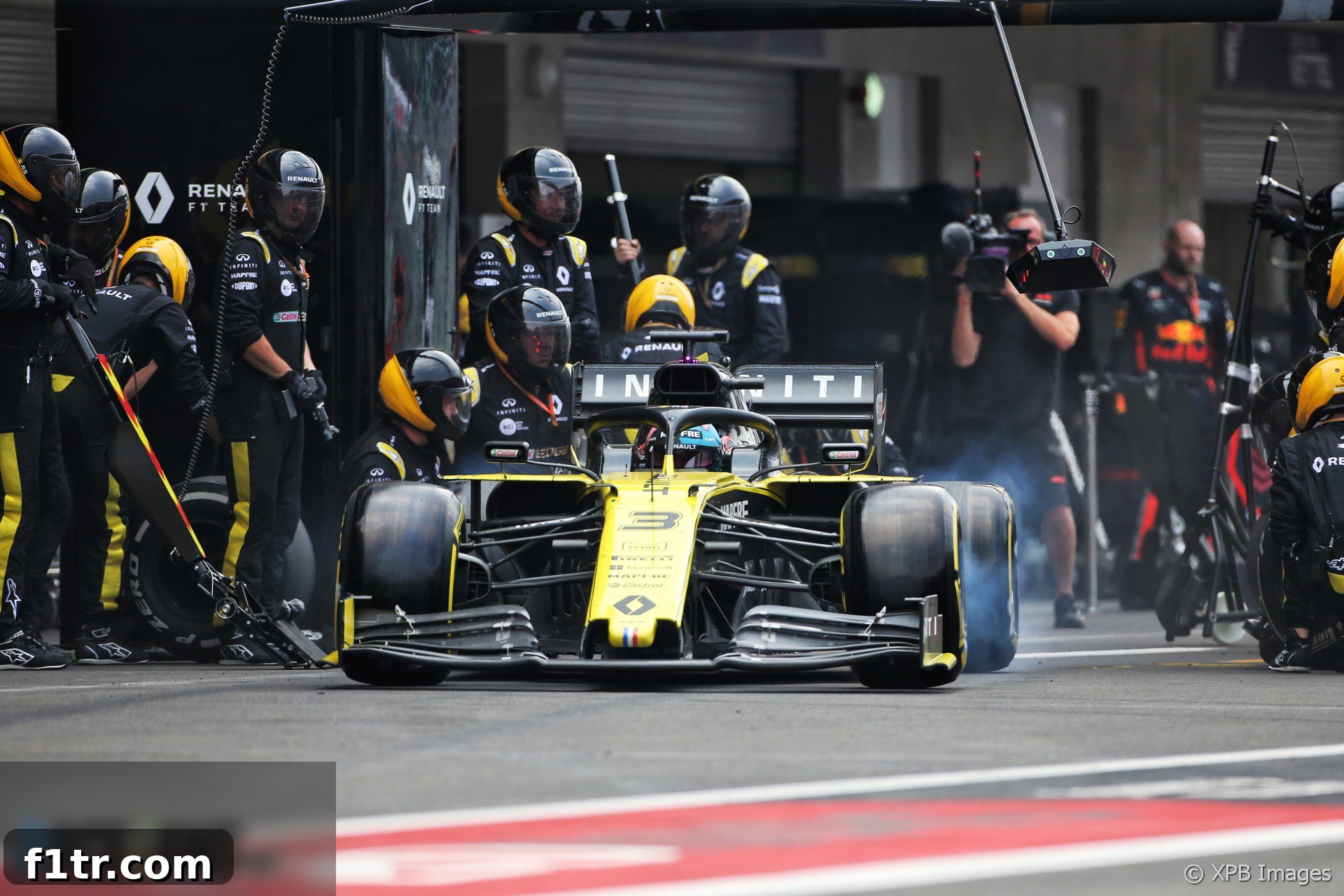
The pivotal moment of inspiration arrived early in the race. Daniel Ricciardo, the only driver in the top ten to begin the Grand Prix on the hard compound tyres, began demonstrating an impressive and sustained pace. His lap times, initially observed with curiosity, soon became a crucial data point for the Mercedes strategy team. Ricciardo’s ability to extract consistent performance from the durable hards offered a glimpse into an alternative, potentially winning, race trajectory.
“We knew we had to do something different,” Wolff elaborated. “Then we saw Ricciardo going long on the hard tyres with intriguing lap times. Then we had quite some discussion and at the end what James [Vowles, Chief Strategist] and his strategy partner opted for was to go long worked out.” This real-time analysis of a competitor’s performance underscores the dynamic nature of Formula 1 strategy, where plans are constantly refined based on unfolding track conditions and rival tactics. The decision to emulate, or at least be influenced by, a midfield team’s tyre choice for their championship-contending car was a testament to Mercedes’ pragmatism and readiness to adapt.
Hamilton’s Initial Doubts and the Power of Reassurance
While the strategy eventually paid dividends, it was not without its moments of tension and doubt, particularly from the cockpit. Lewis Hamilton, renowned for his acute understanding of race dynamics and tyre performance, initially expressed reservations about the early timing of his first pit stop. Communicating over team radio, he repeatedly questioned the team’s decision, fearing they had compromised his race by pitting too soon and forcing him onto an extended stint on hard tyres.
This internal friction is a common element in high-pressure F1 environments. A driver, isolated in the car, lacks the comprehensive overview of the race that the pit wall possesses. Recognizing Hamilton’s concerns, Mercedes took a decisive step: they put Chief Strategist James Vowles directly on the radio. Vowles, a calm and highly respected figure within the team, personally reassured Hamilton, explaining the rationale behind the strategy and reaffirming the team’s confidence in their plan. “When you are out there in the car alone and you have not the visibility [of] what is happening around you it is, even for the best one, good to get reassurance,” Wolff explained, shedding light on the psychological aspect of elite motorsport. “I think that is kind of a psychology that works.” This direct communication from Vowles not only calmed Hamilton but also reinforced the trust between driver and strategist, a bond essential for success.
A Team Effort: Praising the Stand-in Engineer and Team Depth
The Mexican Grand Prix victory was not just a triumph of strategy and driving, but also a showcase for Mercedes’ exceptional team depth. In a significant change, Lewis Hamilton was without his long-serving and highly experienced race engineer, Peter “Bono” Bonnington, who was absent due to personal medical reasons. Stepping into these massive shoes was Marcus Dudley, who had to quickly adapt to the demanding role of guiding a multiple world champion through a crucial race.
Toto Wolff was effusive in his praise for Dudley’s performance: “[He did a] phenomenal job. Not easy managing Lewis in the race but it shows that we have a deep strength in the team. Bono stepping to the side for one race, handing over the baton. Marcus did a really good job together with Dom [Riefstahl, who took over from Dudley as performance engineer]”. Dudley’s seamless integration and effective communication with Hamilton under intense pressure underscored Mercedes’ robust talent pipeline and the professionalism of its personnel. It demonstrated that even with key members temporarily sidelined, the team could maintain its championship-winning standards, a true mark of an enduring dynasty.
The Implications of a Strategic Triumph
The strategic victory in Mexico City held significant implications for the 2019 Formula 1 season. It not only added another win to Hamilton’s impressive tally but also underscored Mercedes’ ability to outmaneuver rivals like Ferrari and Red Bull, even when starting at a perceived disadvantage. The race served as a masterclass in adapting to circumstances, trusting data, and fostering psychological resilience within the team.
This victory was more than just three points; it was a psychological boost, a validation of Mercedes’ strategic prowess under pressure, and a testament to the collective strength that defines their championship campaigns. It highlighted that in Formula 1, success isn’t solely about raw pace; it’s about the intricate dance between driver instinct, engineering brilliance, and daring strategic calls that can turn the tide of a race and, ultimately, a championship.
The Mexican Grand Prix of 2019 will be remembered not just for Lewis Hamilton’s win, but for the bold decision-making process that delivered it, a strategy gamble inspired by an unlikely source and executed with unwavering belief from the pit wall to the cockpit.
More from the 2019 F1 Season
- Ocon: Crying in the Melbourne car park at 2019 Grand Prix was my career low
- McLaren Racing reports reduced £71 million loss in 2019
- Kvyat: Hockenheim podium last year was “my biggest achievement” so far
- How the FIA’s new encrypted fuel flow meter targets Ferrari’s suspected ‘aliasing’ trick
- “He smashed my office door”: 23 must-see moments from ‘Drive to Survive’ season two
Browse all 2019 F1 season articles