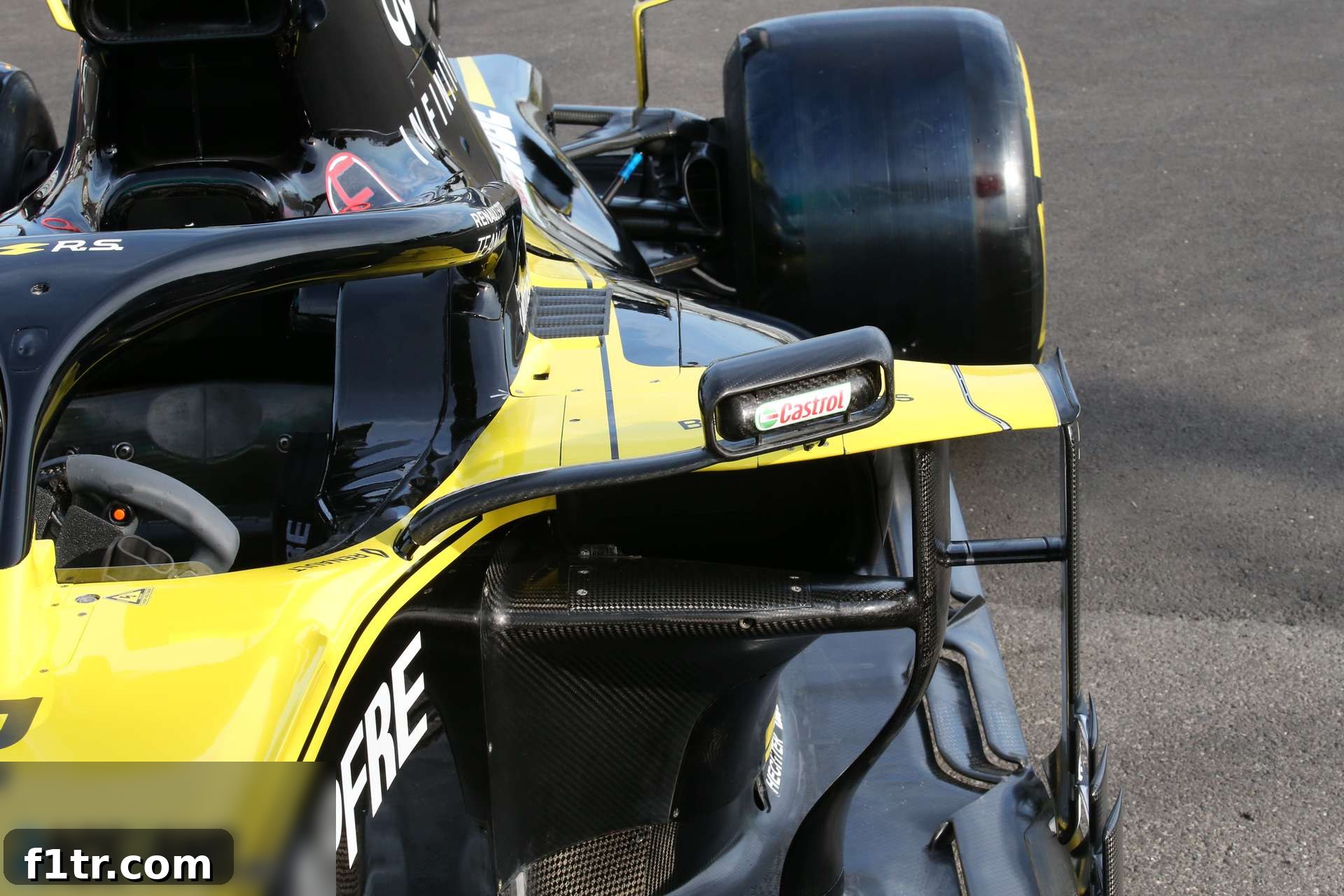
In the fiercely competitive realm of Formula 1, marginal gains often dictate success. For the Renault F1 team, the 2019 season presented a formidable challenge to assert their position in the midfield. Following a commendable and much-needed upturn in performance at the Canadian Grand Prix, the team arrived at their pivotal home event with renewed optimism. Their goal was clear: to build on that momentum by introducing a comprehensive series of aerodynamic upgrades for their RS19 chassis at Paul Ricard, demonstrating their relentless pursuit of performance and their ambition to reclaim a stronger competitive standing.
The 2019 season had begun with high hopes for the Enstone-based squad, particularly after their fourth-place finish in the Constructors’ Championship the previous year. However, the initial races painted a challenging picture. The midfield pack was tighter than ever, and minor deficiencies were amplified, leading to inconsistent results. A significant hurdle in the early phase of the season was persistent unreliability emanating from their power unit, which required a concentrated effort from the engineering team to diagnose and resolve. Once these critical reliability issues were largely brought under control, Renault shifted its full focus to its development programme. This strategic pivot allowed their aerodynamicists and designers to push forward with aggressive upgrades, the most prominent of which were an innovative under-nose cape and heavily revised sidepod fronts, aimed at unlocking significant performance enhancements.
Advert | Become a Supporter & go ad-free
The under-nose cape has rapidly evolved into one of Formula 1’s most prevalent and potent aerodynamic concepts. Its widespread adoption by leading teams such as Mercedes, McLaren, and Williams underscored its effectiveness in optimizing front-end airflow. Renault’s decision to integrate this device into their RS19 demonstrated their commitment to embracing cutting-edge aerodynamic trends and extracting every possible fraction of a second. This move was not merely about following the pack; it was a testament to a deep understanding of advanced airflow management. The primary function of the cape is to meticulously sculpt and guide the turbulent air generated around the front of the car, directing it efficiently towards crucial downstream components like the bargeboards and sidepods. This intelligent manipulation of airflow is fundamental for generating consistent downforce and enhancing overall vehicle stability at high speeds.
Renault’s RS19 featured a more conventional “thumb-tip” nose design, which required a thoughtful and integrated approach to incorporate the new cape. Unlike some rivals who might have engineered their nose cone specifically to accommodate this device, Renault’s design team had to adapt the cape concept to their existing aerodynamic architecture. Their ingenious solution involved initiating the cape’s form directly from the underside surface of the nose cone and extending it from the front wing mounting pylons. From these attachment points, the intricate carbon fibre structure curves sharply downwards, creating a distinct, aggressive scoop. This steep descent then transitions into a gentle upward sweep towards its trailing edge. This unique and precise contouring is paramount for generating the necessary aerodynamic effects, ensuring the cape functions optimally to control airflow and contribute positively to the car’s overall aerodynamic balance without compromising the existing nose structure.
The meticulously crafted, more extreme shape of Renault’s under-nose cape is a critical component in orchestrating the precise pressure differences that are indispensable for modern F1 aerodynamics. By strategically manipulating the air in this fashion, the cape is engineered to initiate and optimize the formation of powerful vortices that extend backward along the car’s body. These vortices are highly organized, rotating columns of air that actively energize the surrounding airflow, preventing undesirable flow separation and encouraging it to remain attached to the car’s intricate surfaces. In essence, the cape functions as a sophisticated, large-scale vortex generator. Its strategic design and placement enable it to effectively supersede and improve upon the performance of the smaller, traditional front turning vanes that were once commonly affixed beneath the nose. By generating these influential vortices at a higher and more central point, the cape significantly enhances and influences a wider swathe of the car’s aerodynamic flow, leading to more predictable and potent downforce generation downstream, particularly impacting the crucial performance of the bargeboards and sidepod inlets.
Advert | Become a RaceFans supporter andgo ad-free
Once the airflow has been meticulously conditioned and energized by the new under-nose cape, it transitions seamlessly to the critical mid-section of the car, where the intricate dance between the bargeboards and sidepod vanes truly comes into play. As a pivotal part of the comprehensive upgrade package, Renault introduced heavily revised sidepod fronts and a subtly updated bargeboard configuration. A particularly noticeable alteration in this area was the integration of new horizontal wings positioned atop the sidepod, which now elegantly merge with the vertical vanes along the car’s flank. This sophisticated, multi-element arrangement is engineered to significantly augment the already complex task of the bargeboards, which are primarily responsible for cleanly splitting and precisely guiding the airflow around the car. The objective is twofold: to meticulously channel the clean, high-energy air flowing along the vehicle’s centerline towards the underfloor and diffuser, thereby maximizing downforce generation, and simultaneously to aggressively push away the turbulent, “dirty” airflow—primarily generated by the rotation and drag of the front tyres—from the car’s sensitive aerodynamic surfaces. This prevents the turbulent air from disrupting the crucial underfloor flow and minimizes drag, ensuring optimal aerodynamic performance.
Further down the car’s profile, and complementing the sidepod modifications, the floor edge received significant attention from Renault’s aerodynamicists. Recognising the critical role of the floor in generating overall downforce through ground effect, the team meticulously reworked this area. They introduced a small yet remarkably intricate three-element vaned set-up, precisely positioned on the outer edge of the floor. The fundamental purpose of these complex vanes is to strategically flick up the airflow that is escaping from underneath the car. By doing so, they create a highly effective, albeit invisible, “skirt” of high-pressure air along the car’s side. This aerodynamically generated skirt acts as a crucial seal, effectively containing and enhancing the low-pressure zone beneath the car, which is the cornerstone of generating powerful ground effect downforce. Furthermore, this upward flick helps to mitigate “tyre squirt”—the disruptive turbulent air generated by the spinning tyres—preventing it from infiltrating the sensitive underfloor area and compromising the laminar airflow essential for peak performance. This seemingly minor detail underscores the advanced and meticulous nature of the aerodynamic development undertaken by the team.
While the under-nose cape, revised sidepods, and innovative floor edge were the most conspicuous and extensively discussed upgrades, it is highly probable that Renault simultaneously implemented a myriad of other, less visible modifications across the RS19. Formula 1 development is an ongoing, iterative process, with teams routinely introducing small, incremental improvements at nearly every race event. For Renault, this significant aerodynamic overhaul at their cherished home Grand Prix represented a substantial step forward, designed to build upon the cumulative gains achieved from previous, smaller updates throughout the season. The team’s primary expectation was that these comprehensive modifications would deliver a performance uplift comparable to or greater than their preceding adjustments. The overarching goal was to effectively close the performance gap to their closest midfield rivals and restore their relative competitiveness to the robust level they had enjoyed in the previous season. However, the unforgiving nature of F1 means that progress for one team often necessitates intensified efforts from all others. The intense competition, particularly from their engine customers McLaren, who consistently demonstrated strong pace, highlighted the continuous pressure on Renault to push relentlessly in their quest for top midfield honors and beyond.
Advert | Become a RaceFans supporter andgo ad-free
F1 Technology & Aerodynamic Innovation
The relentless pursuit of aerodynamic excellence stands as the foundational pillar of Formula 1, compelling teams to perpetually innovate and meticulously refine every surface of their cars to extract the absolute maximum performance. Renault’s RS19 upgrades introduced at Paul Ricard serve as a prime example of this unwavering drive, showcasing sophisticated engineering solutions such as the advanced under-nose cape, intricately designed sidepod structures, and meticulously sculpted floor edges. These diverse aerodynamic elements are engineered to function in perfect concert, managing complex airflow patterns, generating crucial downforce, and minimizing drag with surgical precision. This delicate yet powerful synergy underscores the intricate balance and profound understanding required to compete at the zenith of global motorsport. Every minute adjustment, when flawlessly integrated into the car’s holistic design, contributes significantly to the overall speed, stability, and responsiveness of the vehicle, often being the critical determinant between securing vital championship points and falling behind. The continuous evolution of F1 technology, fueled by an insatiable competitive spirit and dynamic regulatory frameworks, guarantees that each race weekend brings forth new developments, perpetually pushing the boundaries of engineering prowess and innovative design.
- McLaren, Red Bull and Ferrari bring rear corner updates to Imola
- Ferrari, McLaren and Red Bull bring upgrades again for Saudi Arabian Grand Prix
- McLaren introduce major floor upgrade for Norris’ car at Mexican Grand Prix
- McLaren, Mercedes and Red Bull detail upgrade packages for United States GP
- Red Bull remove engine cover ‘cannons’ in major RB20 update – but they may return
Browse all F1 technology articles