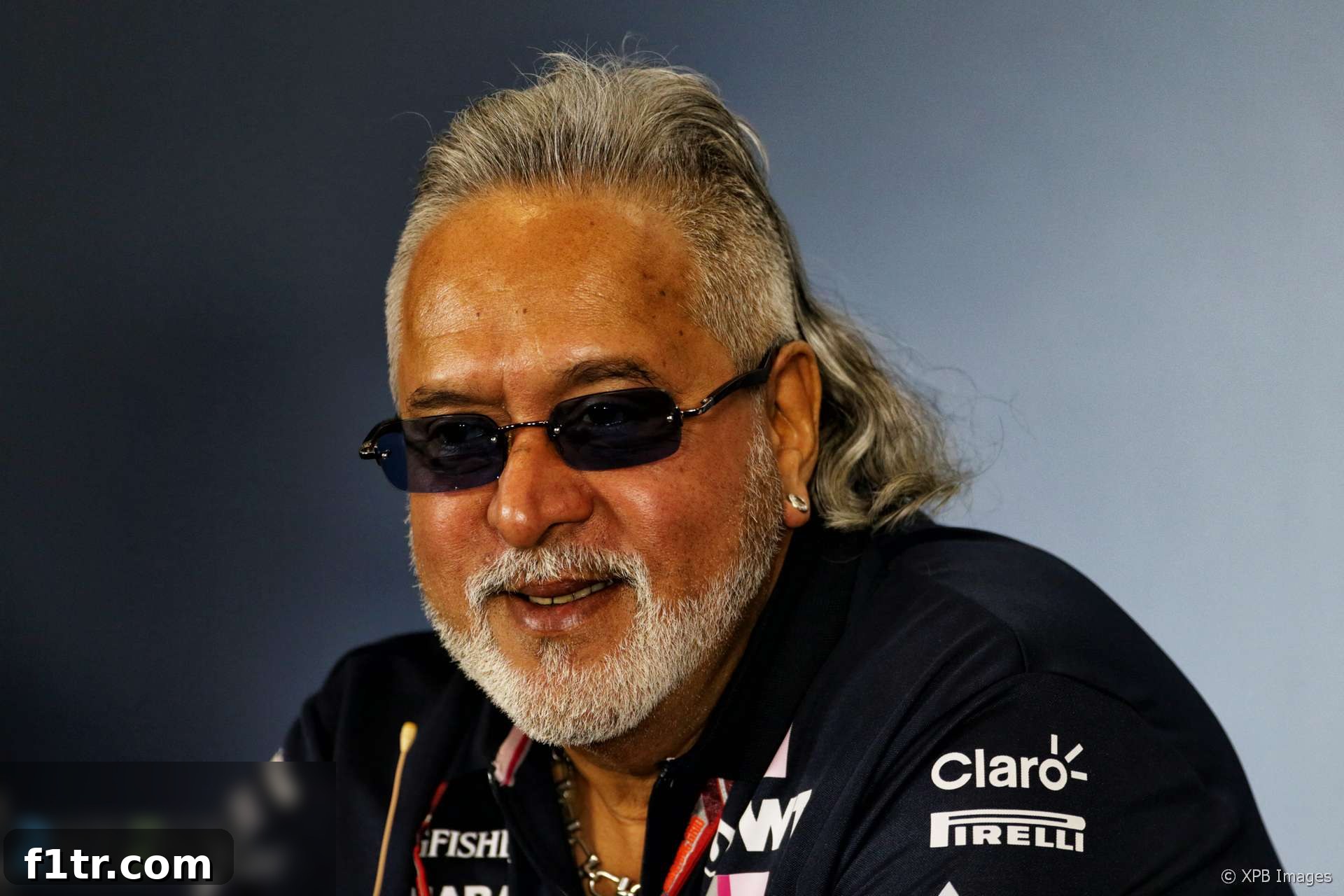
The British Grand Prix at Silverstone is always a highlight of the Formula 1 calendar, a revered institution that marries rich racing heritage with the thrill of modern motorsport. This particular weekend offered an additional layer of intrigue and warmth, not just from the surprisingly benevolent British summer sun, but also from the palpable enthusiasm throughout the F1 paddock. Among the familiar faces, one stood out for his resilient spirit: Force India co-owner Vijay Mallya. Given his ongoing legal challenges and the attempts by India to extradite him, Silverstone represents the solitary F1 event he is able to attend. Yet, despite his travails, he was found in remarkably good spirits, a sentiment that seemed to permeate the entire circuit, turning what could be a stressful professional environment into a surprisingly convivial gathering for everyone present, especially after a period of intense global travel.
8 AM: A Glorious Morning in Charwelton
The day began with the quintessential British experience: a hearty full English breakfast. Piled high with sizzling bacon, succulent sausages, perfectly fried eggs, grilled tomatoes, mushrooms, and a generous helping of baked beans, it was a cholesterol-rich feast designed to fuel a long day at the track. Accompanied by several strong cups of coffee, it provided the perfect start before embarking on the journey to Silverstone. The weather was unexpectedly glorious – a rare and welcome gift from the British summer. With the sun beaming down from a clear blue sky, it was an irresistible invitation to put the car’s roof down, letting the crisp morning air and warm sunlight wash over me as I hit the road.
The journey itself was a pleasant surprise. The drive to Silverstone, covering approximately 15 miles of winding, leafy country lanes from Charwelton, was incredibly smooth. Without a single stop, I reached the main gate of the iconic circuit in a mere 20 minutes, a testament to the significant improvements made to the local infrastructure. This seamless travel allowed ample time for reflection on how much the British Grand Prix experience has evolved over the years. My first visit to Silverstone as a journalist dates back to 1997, though I had attended as a fan prior to that. I vividly recall the arduous treks from either the M40 or M1 motorways and the A43, often enduring traffic jams that would stretch for two hours to cover just twenty-odd miles. The memory of those chaotic journeys makes the current efficiency all the more remarkable.
The transformation is truly impressive. Thanks to comprehensively upgraded access roads, intelligently designed one-way systems, efficient park-and-ride services, and vastly improved camping facilities, getting to and from Silverstone is now a far more enjoyable experience. This is especially crucial given the massive surge in spectator numbers, largely attributable to the “Lewis Hamilton factor.” The sheer magnetism of a British world champion has drawn unprecedented crowds, yet the facilities now largely cope admirably. This thought inevitably brought to mind a biting critique from a former F1 supremo – who, ironically, remains a BRDC member despite his frequent disparagement of Silverstone – who once dismissively branded the event a “country fair masquerading as a grand prix.” Contrasting this with the utterly chaotic and poorly organised French Grand Prix just a fortnight prior, an event held at Paul Ricard, a circuit controlled by his family trust, highlights the stark irony and the British Grand Prix’s true success.
10 AM: Bridging Eras of Tyre Technology
My morning appointment was a particularly special one, bridging the rich history of Formula 1 with its cutting-edge present. I had arranged for my dear friend Cedric Selzer to visit the paddock. Cedric is a living legend in F1 history, having been Jim Clark’s mechanic during Lotus’s halcyon 1963 season, a year that saw Clark dominate and secure his first World Championship. His insights into the sport’s past are invaluable. Our destination was the Pirelli hospitality suite, where I had set up a chat with Mario Isola, Pirelli’s Head of Racing, a man at the forefront of modern tyre technology.
The conversation quickly turned into a fascinating comparison of tyre technology across the decades. Cedric listened with wide-eyed amazement as Mario detailed the intricacies of modern F1 tyres. Mario explained that Pirelli now produces seven different compounds for a Formula 1 season, meticulously tailored for varying track conditions and car characteristics. For a single grand prix weekend, Pirelli transports an astonishing 1,800 tyres to the circuit. Even more striking for Cedric was the revelation that all unused, fitted tyres are scrapped for safety reasons after the event, a testament to the extreme demands placed on these high-performance components and the paramount importance of driver safety.
For his part, the Italian tyre guru was equally amused by Cedric’s anecdotes from Jim Clark’s era. Cedric recounted a time when a single set of (treaded) tyres would typically last through four entire grands prix – a concept utterly alien in today’s rapid-wear, high-performance world. He chuckled as he described a simpler time, devoid of the complex array of slicks, intermediate, or wet weather tyres. Back then, “you run what you brung,” regardless of the prevailing weather conditions. If it rained, you simply had to make do with your dry tyres, albeit with significantly reduced grip. Cedric shared a particularly charming anecdote about Dunlop introducing a slightly softer compound known as ‘Green Spot’ tyres. These were technically not permitted for dry running, but resourceful mechanics found a workaround: “we just painted over the spot with black paint…” he revealed with a knowing smile, perfectly illustrating the ingenuity and pragmatism of motorsport in earlier times. This exchange beautifully underscored the monumental leap in technology and complexity that F1 has undergone.
Noon: A Welcome Return for Vijay Mallya
The FIA team bosses’ conference is always a pivotal gathering, offering a snapshot of the sport’s leadership and strategic discussions. It was a genuinely positive moment to see Vijay Mallya present once again, his first appearance at such a forum in a year. Regardless of one’s personal opinions on the Indian mogul, his profound passion for racing is undeniable and has been a driving force behind Force India’s remarkable journey. It is largely thanks to his unwavering vision and financial patronage that the team recently celebrated its 200th Grand Prix under the Force India banner. Indeed, it’s not an exaggeration to say that the team, which has historically operated under various guises such as Jordan, Midland, and Spyker, would likely have ceased to exist without Vijay’s consistent support and strategic direction. His presence at Silverstone, even under the shadow of his legal battles, radiated a quiet determination and an enduring love for the sport that resonated deeply within the paddock.
1:30 PM: A Taste of Mayfair at Silverstone
Lunch offered a delightful interlude and a chance to recharge. We were graciously invited by Mario Isola to join him at the Pirelli hospitality for a meal with Cedric and my editor, Keith. Time was tight, however, as we needed to cover the crucial second practice session, and Cedric had a scheduled engagement as an observer with the Toro Rosso team. This meant opting for the efficiency of a buffet rather than lingering over the very tempting a la carte menu. Nonetheless, the spread on offer was exceptional, rivaling the culinary standards of a top-class restaurant in London’s prestigious Mayfair district. We settled for a delicious tuna penne pasta, generously adorned with olives and capers, providing a fresh and zesty flavor. This was followed by, as is almost obligatory during the British summer, a serving of fresh, ripe strawberries, a light and refreshing end to a perfect paddock lunch. The brief respite allowed for more informal conversation and strengthened the camaraderie before plunging back into the intensity of the track action.
3:30 PM: Post-Practice Paddock Buzz
After the conclusion of Second Practice (FP2), the paddock typically buzzes with activity, as journalists scramble to gather insights and reactions. My first task was to interview the two Williams drivers, an opportunity to gauge their progress and challenges from the session. Following this, there’s always a period of waiting, usually until around 5 PM, while drivers attend their crucial debriefs with engineers and fulfill their obligations at the FIA briefing. This downtime, however, is often used by teams to prepare for media sessions, and for journalists to strategise their next interviews. Eventually, I attended the highly anticipated Renault media session, which also included key figures like Nick Chester, the two Force India drivers, both Haas pilots, and members of the Force India management team. This was a prime opportunity to engage with multiple key players.
During this session, I couldn’t resist posing a pointed question to Vijay Mallya. Given the persistent rumors and claims by various parties stating they were “close to completing a purchase” of Force India, none of which ever materialised, I asked him why he didn’t seek cease and desist orders against such individuals. Without missing a beat, and with a wry smile, he shot back, “Don’t you think I have enough legal issues without starting another action?” The response drew a chuckle from those present, a clear indication that despite the immense pressures and personal difficulties he faces, Vijay had certainly not lost his sharp wit or his characteristic sense of humour. It was a moment that revealed the man behind the headlines – resilient and spirited.
My media commitments concluded with the Toro Rosso team. It was here that I was thoroughly amused by a journalist’s question to Pierre Gasly. The reporter, noting that Lewis Hamilton had expressed an interest in attending the World Cup in Moscow should France progress far, asked Gasly if he too would consider flying to Russia. Pierre’s response was classic: “Ask Lewis whether he has a spare seat in his plane,” he quipped, “then I’ll go…” It was a perfectly timed, light-hearted retort that perfectly captured the camaraderie and friendly rivalry within the F1 community, providing a humorous end to a busy afternoon of interviews.
7 PM: Celebrating British Motorsport’s Future
As evening drew in, the focus shifted from the immediate racing action to the future of British motorsport. My next stop was the annual British Racing Drivers’ Club (BRDC) BBQ, an eagerly anticipated event for the British media contingent. This gathering serves a dual purpose: it’s a social occasion for those involved in the sport, but more importantly, it’s a platform for the BRDC to introduce and champion its ‘Superstars’ programme. This initiative identifies and supports promising young British talents, providing them with crucial mentoring, financial backing, and career guidance as they climb the motorsport ladder.
The current contingent of BRDC Superstars showcased at the BBQ was incredibly impressive and offered a clear indication of a very bright future for British racing. Among them were burgeoning F2 stars like George Russell, a highly-rated Mercedes young driver who would soon make his mark in Formula 1, and Lando Norris, a McLaren protégé whose charisma and speed were already generating considerable buzz. Also present was F3 winner Dan Ticktum, a Red Bull junior driver who was already being linked with a potential Toro Rosso seat for the following season, demonstrating the rapid progression possible within the Red Bull system. Rounding out this stellar group was GP3 star Callum Ilott, a Ferrari-affiliated driver known for his raw speed and aggressive racing style. Witnessing such an assembly of talent, all passionately supported by the BRDC, was a powerful reminder of the deep roots and thriving development pathways within British motorsport. The atmosphere was one of optimism and excitement, celebrating not just the present, but the potential of future champions.
9 PM: Winding Down and Looking Ahead
With a full day of paddock activities, interviews, and social engagements behind me, it was time to head back to my digs. The evening was dedicated to preparing for the next day’s schedule – reviewing notes, planning interview angles, and ensuring everything was in order for another packed day at the British Grand Prix. The surprisingly hot summer weather, which had graced Silverstone throughout the day, promised to continue, setting the stage for more thrilling action and a vibrant atmosphere. As I finally settled into bed, the hum of the paddock and the anticipation of what lay ahead filled my thoughts, ready for another memorable day at one of Formula 1’s most historic venues.
2018 British Grand Prix Insights
- Hamilton Equalled Another Senna Record at Silverstone
- 2018 British Grand Prix Star Performers
- Top Ten Pictures from the 2018 British Grand Prix
- Vettel Denies Hamilton at Home as Ferrari and Mercedes Clash Again
- Paddock Diary: British Grand Prix Day Four
Browse All 2018 British Grand Prix Articles