F1 Post-Race Round-up: Ocon’s Frustration, Blue Flag Debates, and Ferrari’s Driver Conundrum
In this comprehensive Formula 1 round-up, we delve into the paddock’s key discussions following a pivotal race weekend. From a driver’s candid frustrations despite scoring points to passionate debates ignited on social media and critical insights from top teams, this report captures the essence of the ongoing F1 season. We’ll explore Esteban Ocon’s reflections on a challenging performance, the persistent controversy surrounding blue flags, and the fervent fan discussions regarding Ferrari’s future driver lineup.
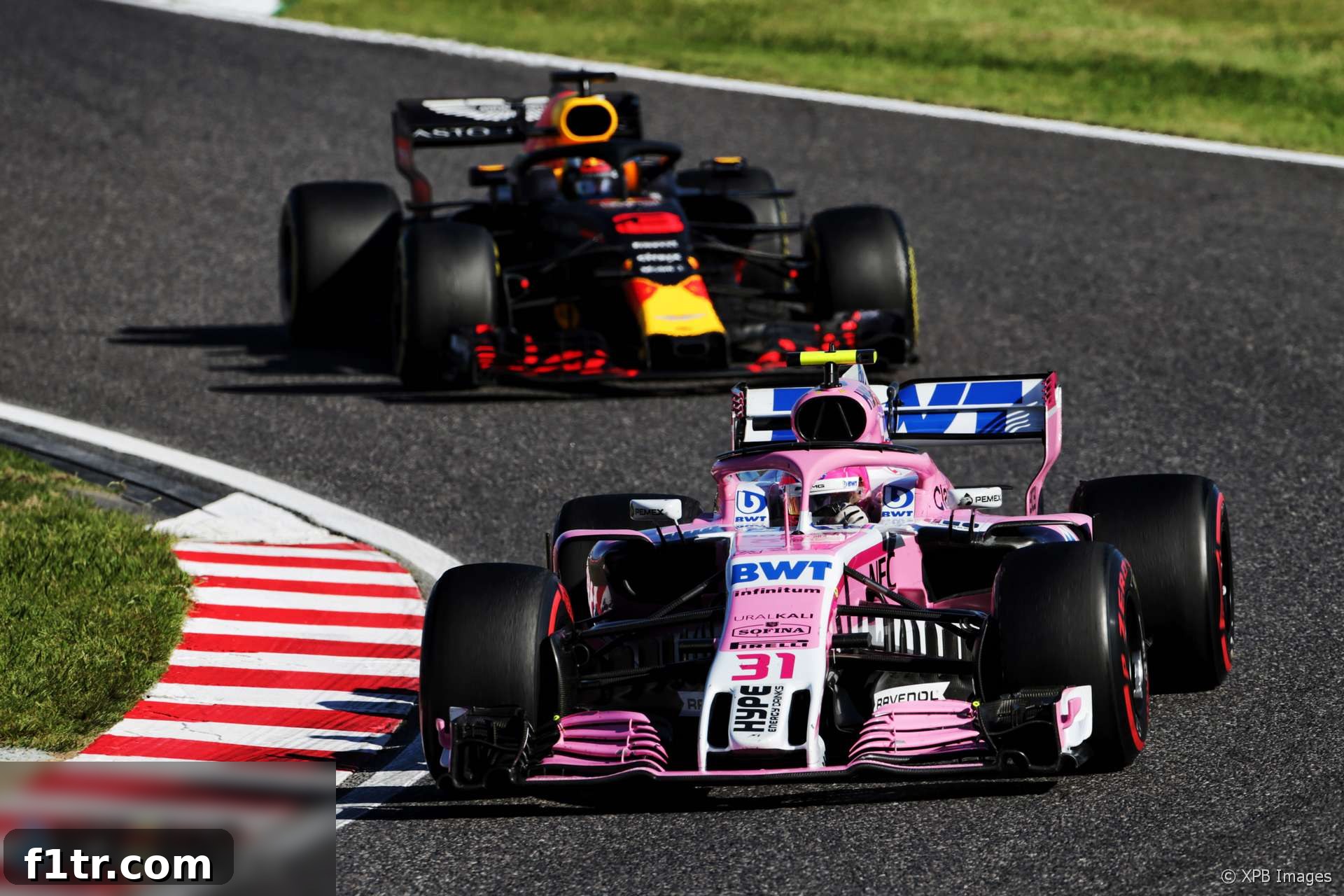
Esteban Ocon Reflects on a Challenging Weekend: Performance vs. Penalties
Despite securing a ninth-place finish and adding valuable points to his championship tally, Esteban Ocon openly expressed his dissatisfaction with his overall weekend performance. His comments highlight the fine margins that define success and failure in Formula 1, where a single incident can significantly impact a driver’s outcome and morale.
“I’m not happy with our weekend, with my weekend. We were, I think, clearly the fourth fastest team on track, possessing strong potential. However, the three-place grid penalty I received undeniably dictated the flow of our race weekend from the very start. It put us on the back foot, dropping me behind my team mate, Sergio Perez, and forcing us into a relentless recovery drive.
We demonstrated solid race craft by managing to grab some crucial positions right at the start, and continued to make progress through the field with determined overtakes during the race itself. But even with a strong recovery drive, and despite performing well under pressure, I’m simply not satisfied with the end result. My ambition is always higher.
Looking ahead to the next race, our primary focus must be on improving our qualifying performance, eliminating any mistakes, and ensuring we can execute a clean weekend from practice through to the checkered flag. Only then can we truly unleash our car’s potential and pull away from our rivals, securing the results we truly believe we are capable of achieving.”
Quotes: Dieter Rencken
Ocon’s comments underscore the frustration of knowing his team had a strong package, potentially capable of challenging higher up the order, only for a penalty to compromise their starting position and subsequent race strategy. His resolve to perform better in qualifying and avoid penalties in future races is a clear indication of his competitive spirit and his commitment to maximizing every opportunity.
Advert | Become a RaceFans supporter and go ad-free
Social Media Buzz: The Enduring Debate on Blue Flags and Team Dynamics
The world of Formula 1 social media is always alight with passionate discussions, and this week was no exception. A notable post ignited a fresh wave of debate surrounding the intricate dynamics between customer and factory teams, particularly concerning blue flags and their perceived influence on race outcomes. This ongoing conversation highlights the complexities of F1’s ecosystem, where alliances and commercial interests can sometimes blur the lines of pure sporting competition.
The ease with which the customer teams let their factory ‘rivals’ by in these kinds of racing situations (e.g. Leclerc and Vettel just then) should leave no one in any doubt that scrapping blue flags is a terrible idea. #F1 #JapaneseGP
— Keith Collantine (@keithcollantine) October 7, 2018
The tweet, referencing an incident from the Japanese Grand Prix involving drivers like Charles Leclerc and Sebastian Vettel, suggests that the current system of blue flags, which mandates slower cars to yield to faster cars approaching from behind, is crucial for maintaining fair play and allowing leading contenders to race unhindered. The underlying point is that if blue flags were abolished, the strategic advantages and team affiliations between engine suppliers and their customer teams could lead to scenarios where slower cars from allied outfits might unintentionally (or intentionally) impede the progress of rival factory teams. This could fundamentally alter the competitive landscape, potentially diminishing the pure racing spectacle.
Critics of removing blue flags argue that it would introduce unnecessary chaos and unfairness, allowing backmarkers to significantly influence the front of the race. Proponents of rethinking blue flags, on the other hand, sometimes argue for a more organic racing experience where drivers are always fighting for track position, regardless of who is behind them. However, as the tweet points out, the existing dynamics, where customer teams often show deference to their engine suppliers, make such a change fraught with potential complications and ethical dilemmas. The debate continues to simmer, reflecting the sport’s constant quest to balance tradition, competition, and commercial realities.
- Find more official F1 accounts to follow in the F1 Twitter Directory, your go-to resource for staying connected with the pulse of Formula 1 on social media.
F1 News Round-up: Team Reactions and Industry Insights
Beyond the immediate race results, the Formula 1 paddock is a constant hive of activity, with teams, drivers, and management constantly reacting to developments and planning for the future. Here’s a closer look at some interesting insights and official reactions from various corners of the motorsport world, offering a glimpse into the strategic thinking and challenges faced by different outfits.
Advert | Become a Supporter & go ad-free
Japanese GP: Race reaction (Red Bull)
Red Bull Racing’s post-race reaction to the Japanese Grand Prix highlighted a sense of achievement despite not reaching the very top step of the podium. Max Verstappen’s fourth-place finish, particularly after starting from a less-than-ideal grid position, was celebrated within the team as a significant triumph. The quote, “So, fourth is like a little victory from the back on this track and it was good to see our strong pace against Ferrari,” encapsulates their satisfaction. This suggests that the team recognized the inherent difficulties of the Suzuka circuit for overtakes and valued their car’s performance against a direct rival, seeing the result as a testament to their strategic execution and raw speed.
Japanese GP (Williams)
The Japanese Grand Prix proved to be another challenging event for Williams, a team that has faced significant struggles throughout the season. Their race report candidly discussed Sergey Sirotkin’s difficulties, noting, “(Sirotkin) lost quite a few places in the opening laps, therefore, we chose to gamble with an earlier stop, but for various reasons that didn’t work out, so we had to make a second stop.” This excerpt paints a picture of a team grappling with fundamental performance issues, leading them to take strategic risks in an attempt to salvage their race. The failure of this “gamble” and the necessity for a second pit stop underscores the deep-seated challenges Williams was contending with during that period, highlighting the difficult decisions teams make when trying to mitigate poor qualifying or race starts.
Carey calls F1 teams to extra meeting (Autosport)
An Autosport report revealed that then-Formula 1 CEO Chase Carey convened an additional meeting with team principals, signifying the importance of ongoing discussions about the sport’s future. The detail that “After the meeting, Ferrari team principal Maurizio Arrivabene joined Christian Horner and Helmut Marko in Red Bull hospitality for further discussions” is particularly telling. Such high-level, inter-team meetings are crucial for shaping the sport’s regulations, commercial agreements, and overall direction. The fact that key figures from rival teams like Ferrari and Red Bull continued their discussions privately suggests that significant, potentially sensitive, topics were on the agenda—perhaps related to upcoming rule changes, budget caps, or even specific incidents that required a consensus among the sport’s major players. These discussions are the bedrock upon which the future of Formula 1 is built, ensuring that the sport remains competitive and sustainable.
We always endeavour to credit original sources and provide diverse perspectives from the world of motorsport. If you have a tip for a link to feature in the next RaceFans round-up, or discover something noteworthy, please don’t hesitate to send it in here:
- Contact RaceFans
Advert | Become a RaceFans supporter and go ad-free
Fan Perspective: Ferrari’s Driver Dilemma – The Vettel, Raikkonen, Alonso, Leclerc Equation
One of the most passionate and consistently debated topics among Formula 1 fans is the composition of Ferrari’s driver lineup. With Kimi Raikkonen’s departure imminent, the discussion broadened significantly, prompting a fan to ask: should Ferrari consider dropping Sebastian Vettel too? This question opens up a fascinating strategic contemplation, especially considering the availability and past history of other prominent drivers.
“Ferrari needs Alonso, and Alonso needs a competitive car in F1. Both parties should honestly have swallowed their pride and joined forces once more, but each is maybe as arrogant and proud as the other.
I think they should have kept a Vettel/Alonso pairing for 2019, then promote Leclerc for 2020 or 2021 in place of whoever quits/retires of the two. And this isn’t just purely out of a reaction from Vettel’s mistake today, I’ve been thinking along these lines for months now.”
@Mashiat
@Mashiat’s comment encapsulates a long-standing sentiment among a segment of the F1 fanbase: the allure of a return for Fernando Alonso to Ferrari. The argument posits a mutually beneficial scenario where Alonso, renowned for his exceptional talent and ability to extract performance from any car, could elevate Ferrari, while Ferrari could provide Alonso with the competitive machinery he craves. The suggestion that both parties’ pride prevented such a reunion highlights the personal and political complexities within F1’s top echelons.
Furthermore, the proposal of a Vettel/Alonso pairing for 2019, with Charles Leclerc’s promotion delayed until 2020 or 2021, offers an intriguing strategic roadmap. This approach would have leveraged the experience of two multi-world champions, potentially providing a formidable force while allowing Leclerc, a rising star, more time to develop before stepping into the immense pressure cooker of a Ferrari seat. The foresight mentioned by the commenter, indicating these thoughts predated any specific race incidents, underlines the depth of strategic thinking present within the F1 fan community. This perspective emphasizes a desire for Ferrari to prioritize immediate, proven talent while meticulously planning for the long-term future with young prodigies like Leclerc, rather than making rapid, potentially reactive, driver changes.
Happy Birthday!
Wishing a very happy birthday to Rob Tsintas! We hope you have a fantastic day celebrating.
If you’d like a birthday shout-out in a future round-up, you can let us know when yours is via the contact form or by adding your name to our special list here. We love celebrating with our readers!
On This Day in F1 History: Gilles Villeneuve’s Maiden Victory
- Exactly 40 years ago today, Formula 1 witnessed a moment of pure magic and national pride as Gilles Villeneuve secured his popular maiden Grand Prix victory. This historic win unfolded at his home track, marking a truly unforgettable occasion for the Canadian hero and his legions of fans. The race saw a dramatic twist of fate for Jean-Pierre Jarier, who had been leading comfortably but was forced to retire due to an unlucky mechanical issue, paving the way for Villeneuve’s triumph. This victory not only launched Villeneuve’s legendary career but also etched itself into the annals of F1 history as one of the most cherished and emotional first wins ever, solidifying his status as a national icon and a fearless competitor.