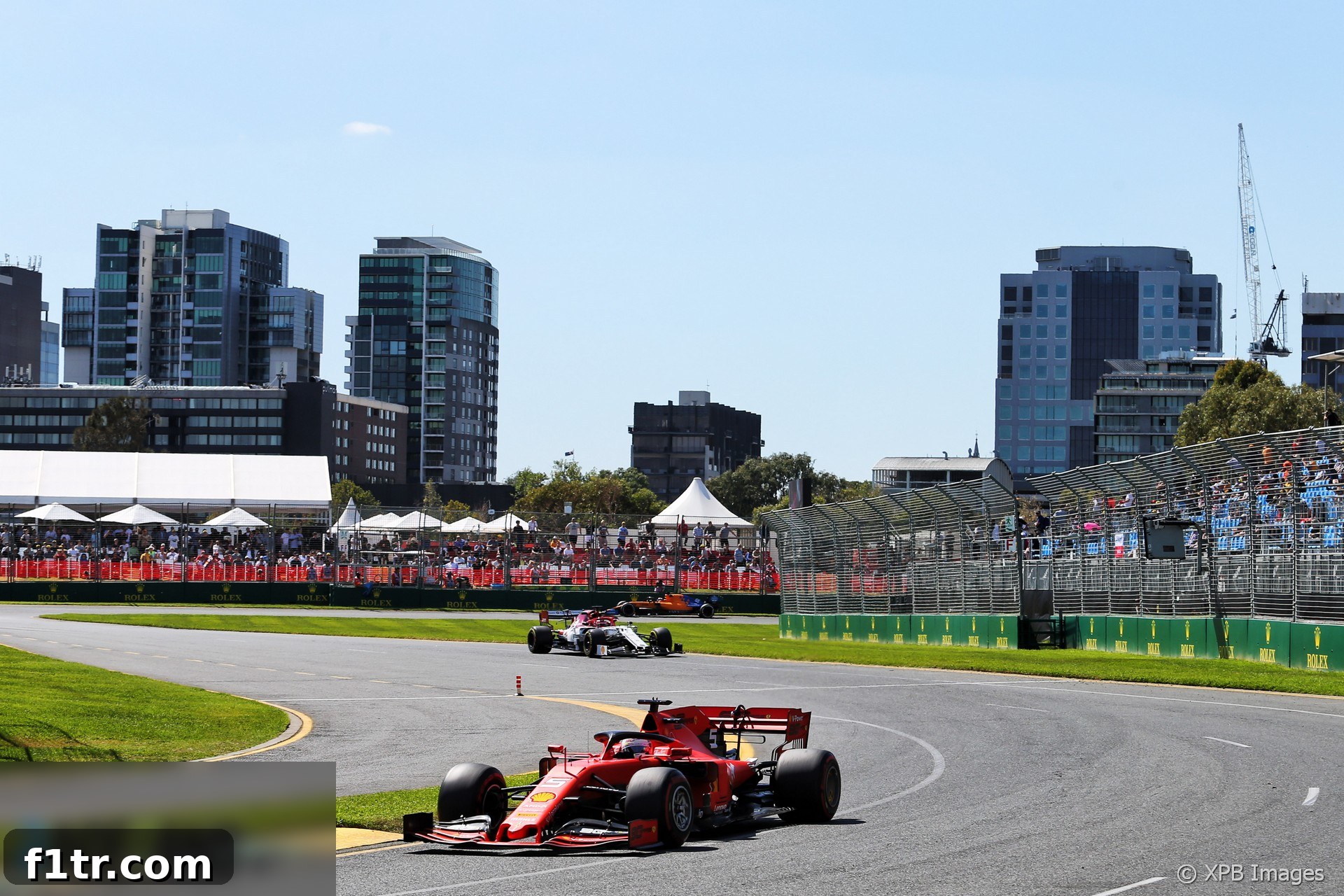
In the high-stakes world of Formula 1, initial impressions can often be deceiving. Following an emphatic victory at the opening race of the 2019 F1 season in Melbourne, Mercedes-AMG Petronas Motorsport’s Team Principal, Toto Wolff, maintained a surprisingly cautious stance. Despite their dominant performance, Wolff reiterated that Mercedes still considered themselves the “challengers” to pre-season testing pace-setters, Scuderia Ferrari. This strategic humility set the tone for what promised to be an enthralling championship battle, highlighting the depth of competition expected in the 2019 Formula 1 season.
The Australian Grand Prix saw Mercedes clinch a maximum 44 points, a flawless start to their campaign. Valtteri Bottas delivered a career-defining performance to take the win, expertly managing his tires and demonstrating the W10’s formidable pace. His teammate, reigning world champion Lewis Hamilton, secured a strong second place, ensuring a perfect one-two finish for the Silver Arrows. This stunning display in Albert Park contradicted much of the narrative that had emerged from the winter testing sessions in Barcelona, where Ferrari had consistently topped the timing sheets and appeared to hold a significant advantage.
Scuderia Ferrari, on the other hand, experienced a weekend far below their lofty expectations. Sebastian Vettel and Charles Leclerc struggled to find pace and balance throughout the Melbourne race, ultimately finishing outside the podium positions. Their performance raised questions within the F1 paddock about whether their pre-season speed was truly representative or if they had encountered unforeseen challenges with tire management and car setup. This unexpected turn of events immediately intensified the scrutiny on both teams as they prepared for the second round of the championship, the Bahrain Grand Prix.
Wolff acknowledged the triumphant start, stating, “Claiming the maximum 44 points from the first race was a fantastic result; we could not have asked for a better start to the season. It was a testament to the hard work and dedication of every single member of the team back at the factories in Brackley and Brixworth, and a brilliant drive from both Valtteri and Lewis.” However, he was quick to temper expectations, emphasizing that the season is a marathon, not a sprint. “But the fight has only just begun. Melbourne was just one chapter in a very long book. Ferrari will try everything they can to hit back with full force, and the initial showing in Australia indicated that Red Bull Racing, with their new Honda power unit, will also have something significant to say in the fight at the very front.”
The prospect of Ferrari’s resurgence loomed large, especially considering their strong track record at the Bahrain International Circuit. Ferrari had won Formula 1’s last two visits to the Sakhir desert, showcasing their car’s adaptability to the unique demands of the circuit. These past successes meant that expectations for a strong Ferrari performance in Bahrain were inherently high, regardless of their Australian struggles. Wolff, however, projected confidence in his team’s ability to adapt, stating he expected to see a “very different race” this weekend, implying Mercedes would be well-prepared to challenge for victory on a track that had historically favored their rivals.
Reflecting on the pre-season assessments, Wolff elaborated on Mercedes’ tactical approach. “After the Barcelona test, we genuinely felt that we were the challengers. Ferrari had demonstrated incredible pace, especially on longer runs, and appeared to be a step ahead. Whatever the Melbourne result says, our core mindset hasn’t changed since then. We continue to operate with the mentality of chasing perfection and improving at every opportunity, rather than resting on the laurels of a single race win.” This persistent “challenger” mentality, even when leading the championship, is a hallmark of Mercedes’ dominant era in Formula 1, fostering continuous development and preventing complacency from setting in. It underscores a strategic brilliance that prioritizes constant improvement over momentary triumphs.
The F1 paddock widely understood that a single race, particularly the season opener which can often be an anomaly, does not definitively determine the pecking order for the entire season. Teams are constantly evolving their machinery, and what works well on one track might not translate effectively to another. “We need to extract every single bit of performance from our package in Bahrain, which is a very different circuit profile to Melbourne,” Wolff stressed. “We must keep on working incredibly hard to understand and improve the car over the weekend to ensure we are competitive against what we know will be a formidable challenge from both Ferrari and Red Bull.” The Sakhir circuit, with its high temperatures, abrasive track surface, and numerous heavy braking zones, demands a different setup philosophy and tire management strategy compared to the semi-street circuit of Albert Park.
The Bahrain Grand Prix itself has a history of delivering thrilling and unpredictable races, often under the dramatic lights of a night race. Its layout, featuring long straights followed by tight corners, provides ample overtaking opportunities, leading to intense wheel-to-wheel battles. The demanding nature of the circuit also places a significant emphasis on engine power and effective cooling, adding another layer of complexity for the teams. “We’ve had some truly great racing in recent years in Bahrain, often coming down to strategic brilliance or a fierce battle on track,” Wolff concluded. “The atmosphere under the floodlights is always special, and I’m genuinely looking forward to what I anticipate will be a thrilling and exciting weekend, where the true competitive landscape might become clearer.”
For Ferrari, Bahrain represented a crucial opportunity for redemption. With their SF90 car showing undeniable raw speed in testing, the focus would be on unlocking that potential in race conditions. They would need to address their tire degradation issues and refine their setup to exploit the Sakhir track’s characteristics, which traditionally favored their engine power. Similarly, Red Bull Racing, with Max Verstappen showcasing strong form in Melbourne and Honda’s engine proving its reliability and improved power, was poised to further establish itself as a genuine threat. Their ability to mix it with Mercedes and Ferrari, especially on a power-sensitive circuit like Bahrain, would be a strong indicator of their championship credentials for the season.
The early stages of an F1 season are always characterized by rapid development and shifting dynamics. While Mercedes enjoyed a dream start, the underlying strength of their rivals, particularly Ferrari’s potential, meant that the battle was far from over. The Bahrain Grand Prix was not just another race; it was a pivotal moment for all three top teams to recalibrate, demonstrate their true pace, and stake their claim for championship contention. The narrative of Mercedes as the “challengers,” despite their win, underlined the team’s strategic acumen and respect for their competitors, promising a season filled with relentless pursuit of excellence and unforgettable Formula 1 action.
Related 2019 F1 Season Articles and Insights
- Esteban Ocon Reflects on His Career Low: The 2019 Australian Grand Prix
- McLaren Racing’s Financial Performance in 2019: A Reduced £71 Million Loss
- Daniil Kvyat on His Hockenheim Podium: “My Biggest Achievement So Far”
- FIA’s Enhanced Fuel Flow Meter and Ferrari’s Suspected ‘Aliasing’ Trick
- Must-See Moments from ‘Drive to Survive’ Season Two: Unforgettable F1 Drama
Browse all 2019 F1 season articles for deeper insights and analyses.