Welcome to our comprehensive Formula 1 and global motorsport roundup, where we dissect the week’s most compelling stories and strategic shifts shaping the racing world. From team principals offering candid assessments of car performance and future directions to broader discussions on the sport’s regional popularity and significant moments across various disciplines, we bring you the essential headlines and deeper analysis. This edition delves into Mercedes’ nuanced approach to extracting more pace from their W14 without major overhauls, the intriguing and concerning decline of F1’s footprint in Germany, Alfa Romeo’s relentless pursuit in the tight midfield battle, and a host of other captivating narratives from the paddock and beyond.
Formula 1 Weekly Roundup: Strategic Insights, Market Dynamics, and Racing Milestones
Mercedes’ Strategic Pursuit of Performance: Optimising the W14 Without Major Upgrades
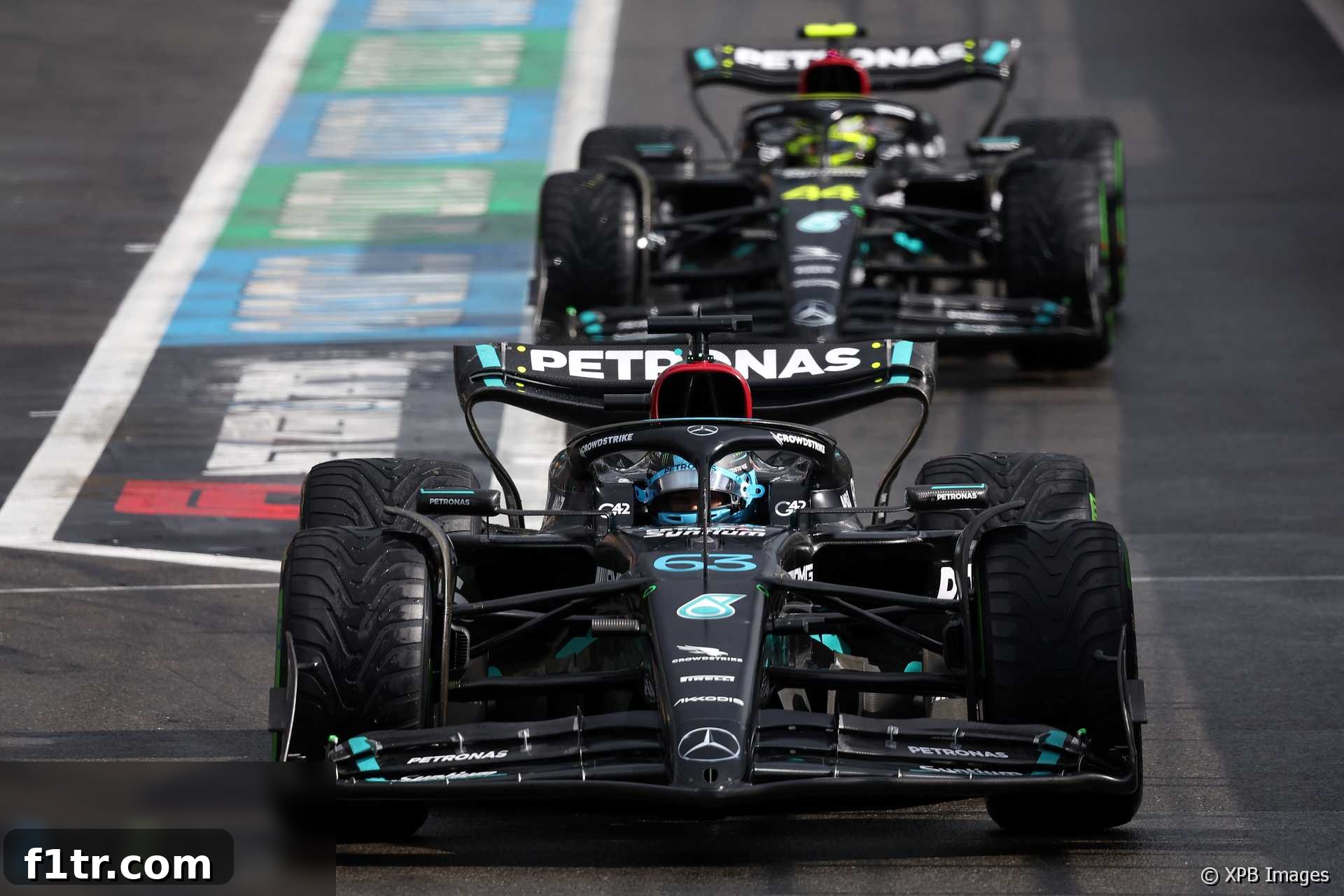
In a revealing statement, Mercedes team principal Toto Wolff has conveyed a strong belief in the team’s ability to achieve substantial performance enhancements from their current W14 challenger. Crucially, these anticipated gains are expected to materialize not through the introduction of significant new upgrade packages, but rather by meticulously optimizing the existing car platform. This strategic declaration marks a pivotal moment for the Silver Arrows as they navigate the remainder of the Formula 1 season, balancing immediate competitive aspirations with the long-term vision for their 2024 contender.
Wolff elaborated on this philosophy, indicating that while “development on their 2023 car has almost stopped” in terms of major conceptual changes or large-scale, costly upgrades, this cessation does not equate to a halt in finding more pace. Instead, the focus has shifted inwards, emphasizing a profound understanding and refinement of the car’s inherent characteristics. “I find it good because there’s so much we can optimise on the current car without looking too much onto upgrades,” Wolff stated in a video produced by the team. He articulated the dual benefit of this approach: “Let’s see how we can really get it into more of a sweet spot whilst gaining lots of understanding for next year.” This strategy is designed to maximize the W14’s current potential while simultaneously gathering invaluable data and insights that will directly inform the design and development of their next-generation Formula 1 car, ensuring that lessons learned this season are effectively carried forward.
A primary objective for this optimization effort, as highlighted by Wolff, is to furnish the drivers with a more predictable and stable racing machine. “I think the main areas of improvement is just to give the drivers a more reliable car. It’s not about absolute amount of downforce, but it’s just for them to know that the car is going to be stable when they turn into the corner, which isn’t the case at the moment.” This insight underscores the critical importance of driver confidence in unlocking peak performance in modern F1. While outright aerodynamic downforce is undeniably vital, a car’s stability and predictability through corners allow drivers like Lewis Hamilton and George Russell to consistently push the limits without fear of unexpected snap oversteer or understeer. The W14 has, at times, been criticized for its unpredictable handling traits, making it challenging for drivers to extract its maximum potential consistently. By enhancing stability, Mercedes aims to instill greater confidence in its drivers, enabling them to exploit the car’s sweet spot more effectively, leading to improved consistency and ultimately, better race results in a fiercely competitive season.
Advert | Become a Supporter & go ad-free
The German Grand Prix Paradox: F1’s Diminishing Popularity and Green Concerns in Germany
Germany, a nation that has historically served as a powerhouse of Formula 1 talent and engineering, is currently grappling with a noticeable and concerning decline in the sport’s local popularity. Haas driver Nico Hulkenberg, a native German, offered his perspectives on this phenomenon, suggesting that a confluence of factors, including a changing perception of the automotive industry, contributes to F1’s struggle to capture the nation’s imagination as it once did. The stark reality is that Germany has not hosted an F1 race since 2020, and domestic viewing figures have shown a decline, contrasting sharply with the significant growth observed in other countries in recent years.
Hulkenberg reflected on Germany’s golden era in Formula 1, acknowledging the immense legacy that once fueled the sport’s appeal. “I think it’s a few things,” he began, when asked about the decline. “Obviously Germany was always spoilt in racing with Michael [Schumacher] then with Sebastian [Vettel], [Nico] Rosberg, Mercedes – we’ve always had a very strong presence in Formula 1, at least in the last 30 years or so.” This period of sustained German success, marked by multiple world champions and the dominance of the Mercedes team, cultivated a passionate and widespread fan base. However, Hulkenberg also pointed to the natural cyclical nature of sports popularity: “Naturally I think sometimes the sport is more popular and in higher demand and then probably it tails off sometimes.” While such fluctuations are normal, deeper societal shifts appear to be exerting a more profound influence in Germany.
A critical contributing factor, according to Hulkenberg, is the evolving public perception of the automotive industry within Germany, especially concerning environmental issues. “But then also I think in Germany to the perception of, in general, the automotive industry – it’s like responsible for climate change, it’s not sustainable. And I think that rubs off onto motorsport and that’s why I think there’s a perception and what politics tell the people is that this is bad and somehow that has a negative impact on racing in Formula 1.” This insightful observation highlights a growing societal emphasis on environmental sustainability and the impact of traditional industries. As Germany increasingly champions green initiatives and sustainable living, the high-octane, carbon-intensive image of Formula 1, despite its efforts towards hybrid power and net-zero targets, struggles to align with this prevailing public consciousness. The political discourse, often underscoring climate responsibility, inadvertently casts a shadow over motorsport, contributing to a less favorable public perception. This cultural shift, combined with the current absence of German drivers consistently contending for championships and the lack of a home Grand Prix, creates a challenging landscape for F1 to rekindle its former glory within the country.
Alfa Romeo’s Midfield Ambitions: The Relentless Hunt for Seventh Place
Alfa Romeo’s head of trackside engineering, Xevi Pujolar, candidly admitted that the team had fallen short of its ambitious target of securing seventh place in the constructors’ championship by the summer break. The Formula 1 midfield, a notoriously competitive arena, means that every point, every position, and every strategic decision are fiercely contested, with standings capable of shifting dramatically over just a few race weekends. Despite missing their immediate objective, Pujolar expressed a pragmatic optimism, underscoring the razor-thin margins that characterize the midfield battle and the team’s unwavering commitment to continuous development.
Pujolar articulated the intensity of the competition faced by Alfa Romeo: “Everything is very, very tight in the midfield and we just need to keep working hard and developing.” The midfield is often likened to a ‘mini-championship’ within Formula 1, where multiple teams are locked in a relentless struggle for marginal gains that can translate into invaluable points. Alfa Romeo currently finds itself embroiled in this demanding contest, keenly aware of the advancements their direct competitors may introduce after the traditional factory shutdown period. However, the team is far from passive; Pujolar confirmed that “we have some upgrades in the pipeline,” signaling a clear intent to intensify their challenge and climb the standings in the latter half of the season.
While the goal of achieving P7 before the shutdown was missed, the minimal points deficit means the fight is far from concluded. “The main target for us, we wanted to be in P7 before the shutdown, but we’re still within these two points, so everything can change very quickly in the next couple of races again.” This acknowledgment highlights the dynamic and fluid nature of the constructors’ standings, where a few strong performances can rapidly alter a team’s position. For Alfa Romeo, the paramount focus now is to prevent the gap to seventh place from widening further and to ensure that their car’s pace and overall performance are competitive with, or ideally superior to, their immediate rivals. The efficacy of their forthcoming upgrades will be absolutely critical in this ongoing battle for midfield supremacy, carrying significant financial and reputational implications for the team as the season draws to a close.
Advert | Become a RaceFans supporter andgo ad-free
Motorsport Horizons: Engaging Stories from Beyond the F1 Paddock
Beyond the immediate excitement of the Formula 1 grid, the wider world of motorsport continues to deliver captivating narratives, groundbreaking developments, and profound tributes. Here’s a closer look at some interesting stories and insights from across the diverse racing spectrum:
Formula 1 Tickets at Costco: A New Frontier for US Fan Engagement
Formula 1 is selling United States Grand Prix tickets at Costco now (Jalopnik)
In a fascinating and strategically significant move aimed at broadening its appeal within the rapidly expanding American market, Formula 1 has initiated the sale of tickets for the United States Grand Prix at the Circuit of the Americas through the popular bulk retail giant, Costco. This unconventional sales channel underscores F1’s aggressive strategy to embed itself deeper into the American cultural landscape. As humorously noted by Jalopnik, “It is our constitutional right as Americans to buy anything and everything at bulk superstores like Costco — and now, that even includes your Formula 1 tickets.” This innovative approach allows fans to purchase general admission passes conveniently alongside their everyday bulk groceries, effectively democratizing access to the sport and reaching a wider, potentially new, demographic of consumers. The initiative aligns perfectly with F1’s overarching goal to make the sport more accessible and ingrained in the American public’s consciousness, leveraging the unique retail habits of U.S. consumers. It represents an intriguing experiment that could potentially pave the way for similar partnerships in other markets, fundamentally reshaping how Formula 1 engages with its potential fan base globally.
Historic Minardi Day: Celebrating a Century of Savio Circuit and Racing Legacy
Seventh editions of the Historic Minardi Day celebrates the Centenary of the Savio circuit (Minardi)
The seventh edition of the Historic Minardi Day is poised to be a spectacular celebration, commemorating the centenary of the historic Savio circuit. This prestigious event serves as a vibrant and passionate homage to motorsport’s rich and storied past, bringing together an array of unique racing machinery, legendary figures, and enthusiasts from across the globe. It stands as a testament to the enduring legacy of teams like Minardi, renowned for their unwavering passion, innovative spirit, and significant contributions to Formula 1, even if major victories often remained just out of reach. The celebration also skillfully bridges the gap to modern F1, with the AlphaTauri team honoring the occasion by showcasing their STR05 car. This display symbolizes the continuity of international competitions in the region, particularly highlighted by the triumphant return of the Imola track to the Formula 1 world championship calendar. Events such as the Historic Minardi Day are indispensable for preserving motorsport heritage, allowing fans to connect intimately with the past glories, technological evolution, and heroic narratives of the sport, thereby inspiring future generations of racers, engineers, and enthusiasts.
Advert | Become a Supporter & go ad-free
Lamborghini’s Ambitious Leap: Taking on Ferrari at Le Mans with LMDh
Lamborghini’s plans to take on Ferrari at Le Mans – and win (Motor Sport)
The esteemed Italian supercar manufacturer Lamborghini is making a highly anticipated and bold entry into the brutally competitive world of endurance racing. Their sights are firmly set on a monumental challenge: directly confronting and triumphing over their arch-rival, Ferrari, at the legendary 24 Hours of Le Mans. This marks a significant strategic pivot for Lamborghini in top-tier motorsport. Unlike Ferrari’s bespoke 499P Hypercar, which was meticulously designed and engineered from the ground up specifically for the Hypercar class, Lamborghini is adopting a different, yet equally potent, strategy. Their formidable contender will be built to the LMDh (Le Mans Daytona h) regulations, which involve utilizing a chassis already designed by Ligier and integrating a standardized hybrid powertrain. This approach offers a more streamlined and cost-effective entry into the premier class of the World Endurance Championship (WEC), allowing Lamborghini to leverage established components while focusing their expertise on performance optimization.
This endeavor represents a truly historic moment for Lamborghini, as it will be the first time one of their factory-backed cars directly competes for overall victories in the pinnacle of endurance classics. The LMDh regulations, alongside the Hypercar rules, now form the unified top class of endurance racing, meticulously designed with a Balance of Performance (BoP) system. This BoP system is crucial, as it aims to ensure competitive parity between the two distinct technical philosophies, allowing both Hypercars and LMDh cars to contend for overall wins in the WEC. The prospect of Lamborghini, a brand synonymous with raw power and exotic design, directly challenging its long-standing rival Ferrari on the hallowed grounds of Le Mans, promises an exhilarating and dramatic new chapter in Italian motorsport rivalry on the global stage. This move adds immense excitement and anticipation to future WEC seasons, captivating fans with the promise of legendary battles.
Remembering Neil Brown: A Legendary Engine Builder’s Enduring Legacy
Renowned engine builder Neil Brown dies aged 74 (Formula Scout)
The global motorsport community is deeply saddened by the passing of Neil Brown, a truly respected and iconic figure in the realm of engine building, who died at the age of 74. Brown’s profound legacy is indelibly etched into the annals of junior single-seater racing and the vibrant domestic touring car scenes, particularly across Britain. His company, Neil Brown Engineering, which he founded in 1973, swiftly became synonymous with unparalleled excellence, reliability, and innovation in engine development and preparation over several decades. Brown’s exceptional expertise and unwavering dedication played a pivotal role in shaping the careers of countless aspiring racing drivers, providing them with the meticulously crafted, competitive engines essential for honing their skills and ascending the demanding motorsport ladder. His significant contributions extended far beyond mere technical prowess; he was widely recognized for his intense passion and steadfast commitment to the sport, actively helping to nurture the careers and successes of many who navigated through the formative junior categories. Neil Brown’s indelible impact on motorsport, though often operating behind the scenes, was profound and will forever be remembered as a cornerstone of British motorsport engineering and development.
Aston Martin’s Behind-the-Scenes Glimpse: “Mike on, Mike on…”
Mike on, Mike on… (Aston Martin via YouTube)
Fans eager for an exclusive and intimate peek into the inner workings of the Aston Martin Formula 1 team can now enjoy “Mike on, Mike on… | Part One,” a captivating video released via the team’s official YouTube channel. This type of behind-the-scenes content offers an invaluable perspective, allowing supporters to connect more deeply with the team, its dedicated personnel, and the intense, meticulous preparations that characterize a Grand Prix weekend. It’s a fantastic way to humanize the high-tech world of F1 and foster a stronger bond between the team and its global fan base.
We always endeavour to credit original sources. If you have a tip for a link relating to single-seater motorsport to feature in the next RaceFans round-up please send it to us via the contact form.
Advert | Become a RaceFans supporter andgo ad-free
Social Media Spotlight: Engaging with the F1 World Online
Social media platforms continue to serve as dynamic and vibrant hubs for Formula 1 teams, drivers, and fans to interact, share real-time insights, and engage with the sport. Here’s a selection of notable posts that have been circulating online, offering glimpses into driver activities, fan contests, and official team communications:
Lando Norris Launches Exciting Helmet Design Contest
DESIGN A PIECE OF LANDO’S HELMET 🎨
We are inviting YOU to be a part of the @Quadrant X @LandoNorris helmet for the Singapore Grand Prix!
4 designs will be chosen 👀
Ends August 14th ⏰
Download the template and submit your design here 👇https://t.co/vHfSmh6Vek#QUADhelmet pic.twitter.com/fL7r9CrQBO
— Quadrant (@Quadrant) August 7, 2023
Quadrant, in an engaging collaboration with McLaren’s dynamic driver Lando Norris, has unveiled an exciting new contest. Fans are invited to design a specific piece of Norris’s helmet, which will then be incorporated into his race lid for the highly anticipated Singapore Grand Prix. This interactive initiative not only significantly boosts fan engagement but also provides supporters with a unique opportunity to leave a tangible and creative mark on their favorite driver’s race weekend, fostering a deeper connection with the sport.
Fernando Alonso Shares Glimpse of Well-Deserved Vacation
Vacaciones 👏🏻 ☀️🏁 @CircuitoMuseoFA pic.twitter.com/3fhFAykM6E
— Fernando Alonso (@alo_oficial) August 7, 2023
Two-time world champion and Aston Martin driver Fernando Alonso took to social media to share a glimpse of his well-deserved vacation. His post, indicating a break from the relentless demands of the Formula 1 schedule, highlights that even the sport’s most fiercely competitive figures require time to recharge. Alonso’s casual update offers fans a rare, relaxed view of the driver away from the intense pressures and spotlight of the racetrack.
FIA Insights: Behind the Scenes of the F1 Drivers’ Press Conference
Episode 3 – FIA Insights: Inside the FIA F1 Drivers Press Conference. 🎤#FIA #F1 #FIAInsights #Formula1 @f1 pic.twitter.com/0to8FhgWVG
— FIA (@fia) August 7, 2023
The FIA (Fédération Internationale de l’Automobile) has unveiled the third episode of its insightful “FIA Insights” series, offering an exclusive, behind-the-scenes look at the crucial F1 Drivers’ Press Conference. This compelling series provides fans with a rare and valuable peek into the media obligations and often intense interactions that form a fundamental, yet frequently unseen, component of any Grand Prix weekend. It helps demystify the process and highlights the roles of both drivers and officials in communicating with the media.
Advert | Become a RaceFans supporter andgo ad-free
- Find more official F1 accounts to follow in the F1 Twitter Directory
Fan’s Voice: A Deep Dive into Ferrari Driver Performance and Team Challenges
Our “Comment of the Day” section shines a spotlight on an insightful and candid perspective from reader @slowmo, who offers a nuanced critique of Carlos Sainz Jnr’s performance at Ferrari, particularly when evaluated against his teammate, Charles Leclerc. Despite the seemingly close championship points tally that separates the two drivers, the comment delves into the underlying consistency and perceived missed opportunities by Sainz, while also acknowledging the broader context of Ferrari’s performance.
I think Sainz gets a lot of unfair criticism sometimes but in fairness he really hasn’t pushed on when he’s had opportunities at Ferrari. He was very consistent in his last year at McLaren and seemed a safe pair of hands but at Ferrari he’s performed below par too often and not really been able to string together a strong series of races that I can recall.
Leclerc as been marginally better than Sainz particularly from the perspective of seemingly outperforming his car on occasions but ultimately he still seems very error prone and it’s not like he’s just a young rookie anymore.
Unfortunately for both drivers, Ferrari are pretty woeful and have made far too many mistakes again which almost gives both drivers a free pass. I can’t see any compelling reason to replace either driver until the team fix their issues. On balance I thought Leclerc has hit the higher highs so far but he’s still had some disappointing lows along the way.
slowmo
Slowmo commences by acknowledging that Carlos Sainz Jnr sometimes faces undue criticism, but fairly posits that during his tenure at Ferrari, Sainz has not consistently capitalized on critical opportunities in the manner he demonstrated during his highly consistent final season with McLaren, where he was often regarded as a reliable “safe pair of hands.” The reader suggests that Sainz has “performed below par too often” for the Scuderia, indicating a perceived lack of ability to string together a sustained series of strong performances that could solidify his position as a truly top-tier contender vying for championships.
In evaluating Charles Leclerc, the sentiment leans towards him being “marginally better,” especially highlighted by his remarkable ability to seemingly extract more performance from the car than its inherent capabilities on certain occasions. However, the critique also points out Leclerc’s persistent “error prone” nature, a concern that perhaps becomes more pronounced given his experience and the fact that he is no longer considered a “young rookie” still learning the ropes of Formula 1. This suggests a need for greater consistency and fewer unforced errors from the Monegasque driver.
Ultimately, the comment attributes a significant portion of both drivers’ struggles to the overarching and systemic issues within the Ferrari team itself. The consistent “woeful” decision-making, strategic missteps, and frequent operational mistakes from the team are seen as so prevalent that they “almost gives both drivers a free pass” from harsher individual scrutiny. Slowmo concludes with a pragmatic view: that until Ferrari comprehensively addresses its fundamental operational and strategic shortcomings, replacing either driver might not yield the desired improvements in performance or results. While Leclerc is credited with achieving “higher highs” in terms of peak performance, both drivers are viewed as experiencing “disappointing lows,” underscoring the collective challenge faced by the legendary Italian outfit in its quest for championship glory.
Happy Birthday!
No RaceFans birthdays today.
Motorsport History: On This Day
Pausing to remember significant moments and celebrate iconic figures from motorsport’s storied past:
- Born 70 years ago today: Future Formula 1 and CART IndyCar champion Nigel Mansell. A true icon of British motorsport, Mansell’s aggressive, fearless driving style, and sheer determination earned him legions of devoted fans and a remarkably memorable career across multiple top-tier disciplines. His ‘Red 5’ era remains legendary.
This week’s Formula 1 and wider motorsport news offers a rich tapestry of strategic reflections, profound cultural shifts, and thrilling competitive updates. From Mercedes’ meticulous quest for hidden performance gains within their existing package to the intriguing challenges facing F1’s popularity in historically dominant regions like Germany, and the relentless midfield battles defining the constructors’ championship, the sport continues to evolve dynamically on and off the track. The diverse array of stories, ranging from fan engagement initiatives to top-tier endurance racing and tributes to engineering legends, vividly highlight the enduring passion, relentless innovation, and deep history that collectively drive the entire motorsport world forward.