Mercedes Prepares for High-Stakes Hungarian Grand Prix: Ferrari Threatens from the Start
The highly anticipated Hungarian Grand Prix consistently presents unique challenges on the Formula 1 calendar, and in 2018, the stakes were particularly high for Mercedes-AMG Petronas Motorsport. Team Principal Toto Wolff openly acknowledged that the most significant threat to his Silver Arrows would undoubtedly emerge during the opening moments of the race, specifically from their fierce rivals, Scuderia Ferrari.
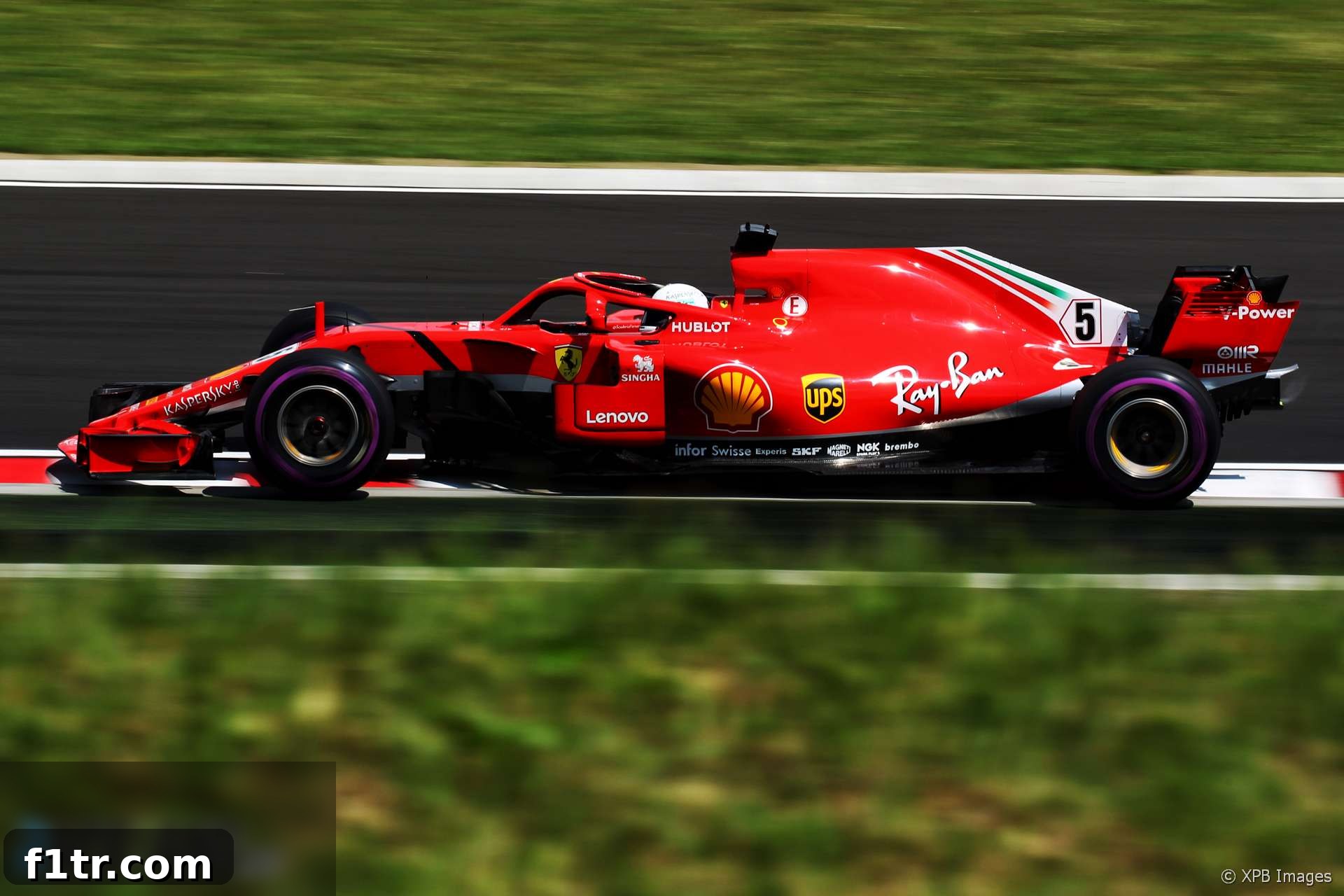
Ferrari’s SF71H chassis had demonstrated formidable strength off the line in preceding races, coupled with a notable straight-line speed advantage that had often put Mercedes on the back foot. Wolff’s assessment underscored the potential vulnerability for his team as the cars hurtled towards the challenging Turn 1 at the Hungaroring, a critical juncture that could define the entire race outcome.
Advert | Become a Supporter & go ad-free
The Crucial Opening Lap: A Battle of Nerves and Power
The Hungaroring circuit, often dubbed “Monaco without the walls” due to its tight, twisty, and technical nature, is notoriously difficult for overtaking. This characteristic elevates the importance of qualifying performance and, perhaps even more so, the initial moments of the race. “I think in Hungary it’s extremely difficult to overtake. So everything’s going to depend on the start of the race,” Wolff stated, emphasizing the strategic bottleneck of the track.
The run down to Turn 1 at the Hungaroring is deceptively long, offering ample opportunity for a car with superior launch capabilities or outright power advantage to gain significant ground. For a team like Mercedes, starting from the front row, this extended sprint became a source of considerable concern. “The run down to turn one is very long so any start advantage or power advantage can be a threat for us in the first row. And we’ve seen that the Ferraris have been very strong in that area in the past races,” Wolff elaborated, highlighting a recurring pattern that Ferrari had exploited to great effect.
The unpredictable nature of race starts, combined with the Hungaroring’s layout, meant that early positions were paramount. Wolff articulated the high stakes: “Insofar, it’s very difficult to make predictions. If we are able to hold on to one and two after the start then obviously that would be very positive.” This sentiment perfectly encapsulated the strategic tightrope Mercedes found themselves walking, where a clean getaway was not just desirable, but absolutely essential to control the race from the front.
Strategic Tyre Gambles and the Art of Race Management
Beyond the raw power and launch of the cars, tyre strategy always looms large in Formula 1, and the Hungarian Grand Prix was no exception. Teams constantly weigh the benefits of different compounds – softs for maximum grip but shorter life, mediums for a balance, and hards for durability – against potential risks. Wolff remained coy when pressed on Mercedes’ specific tyre choice for the race start, particularly whether they would opt for the softer compound. While softer tyres could offer a crucial grip advantage off the line and a potential strategic edge later in the race, they also carried the inherent risk of increased vulnerability to a charging Ferrari on the long run to Turn 1.
The banter from Wolff, “I think the only tyre that really works on our car is the heavy wet. Maybe we take that one,” was a humorous nod to Mercedes’ struggles for outright pace in dry conditions that weekend. This quip, however, subtly underscored the strategic complexities and the high pressure on strategists to make the correct call. The preceding wet qualifying session had masked some of Mercedes’ dry-weather deficits, but the race itself, if dry, would expose any fundamental differences in car performance. Choosing the right tyre compound at the start could either cement their advantage or leave them exposed, making it one of the most pivotal decisions of the race.
Lewis Hamilton’s Unyielding Spirit: A Champion’s Resolve
Despite Mercedes’ general struggles with Ferrari’s pace in dry conditions, a torrential wet qualifying session had dramatically shifted the dynamic, thrusting the team into contention for pole position. It was Lewis Hamilton, demonstrating his unparalleled skill in challenging conditions, who ultimately seized pole. Wolff expressed immense admiration for Hamilton’s ability to consistently rebound from difficult practice sessions, a trait that epitomized his champion’s mindset.
“What particularly impresses me is that he didn’t have the easiest of sessions during this weekend,” Wolff remarked, drawing parallels to Hamilton’s previous performance. “Hockenheim in the race he came back and it was one of the best drives I’ve seen from him.” This resilience was once again on full display in Hungary. After a challenging Free Practice 3 session where Hamilton confessed he wasn’t entirely happy with his own driving, and teammate Valtteri Bottas seemed to hold a pace advantage, Hamilton flipped the switch when it truly mattered.
The Q3 segment of qualifying, where the ultimate grid positions are decided, saw Hamilton rise to the occasion. “Then from qualifying, the session that matters, Q3, the last few laps, he was there. That is a great champion’s ability,” Wolff asserted. This capacity to extract peak performance under immense pressure, especially when the conditions are at their most demanding, is a hallmark of truly great drivers. It highlights not just raw speed, but also mental fortitude, adaptability, and an unwavering belief in one’s abilities to find that extra tenth of a second when it counts the most. Hamilton’s performance at the Hungaroring, snatching pole against a seemingly faster Ferrari in dry trim, was a testament to his extraordinary talent and strategic acumen in capitalizing on transient conditions.
The 2018 Formula 1 season was a thrilling championship battle, with Mercedes and Ferrari exchanging blows at nearly every race. The Hungarian Grand Prix, with its unique track characteristics and the ever-present threat from Ferrari at the start, was set to be another pivotal moment in this captivating rivalry. The outcome would hinge not only on raw speed but also on strategic brilliance, flawless execution, and the ability of drivers like Lewis Hamilton to deliver under the most intense pressure.
Advert | Become a RaceFans supporter andgo ad-free
2018 F1 season
- F1 feared “death knell” for Drive to Survive after Ferrari and Mercedes snub
- McLaren staff told us we were “totally crazy” to take Honda engines in 2018 – Tost
- ‘It doesn’t matter if we start last’: How Red Bull’s junior team aided Honda’s leap forward
- Honda’s jet division helped F1 engineers solve power unit problem
- McLaren Racing losses rise after Honda split
Browse all 2018 F1 season articles