The Unseen Shift: Why McLaren Ditched Digital Ads for Raw F1 Performance
Formula 1 is a sport where technological innovation often clashes with the relentless pursuit of speed. In a striking example of this dynamic, McLaren’s groundbreaking onboard digital advertising technology, once hailed as a “game-changer” for sponsor engagement, is conspicuously absent from their new car for the upcoming 2025 season. This decision signals a clear priority shift, underscoring the extreme measures teams are willing to take to gain even the slightest performance advantage in the hyper-competitive world of Grand Prix racing.
Advert | Become a Supporter & go ad-free
Pioneering Digital Engagement: McLaren’s Vision for F1 Sponsorship
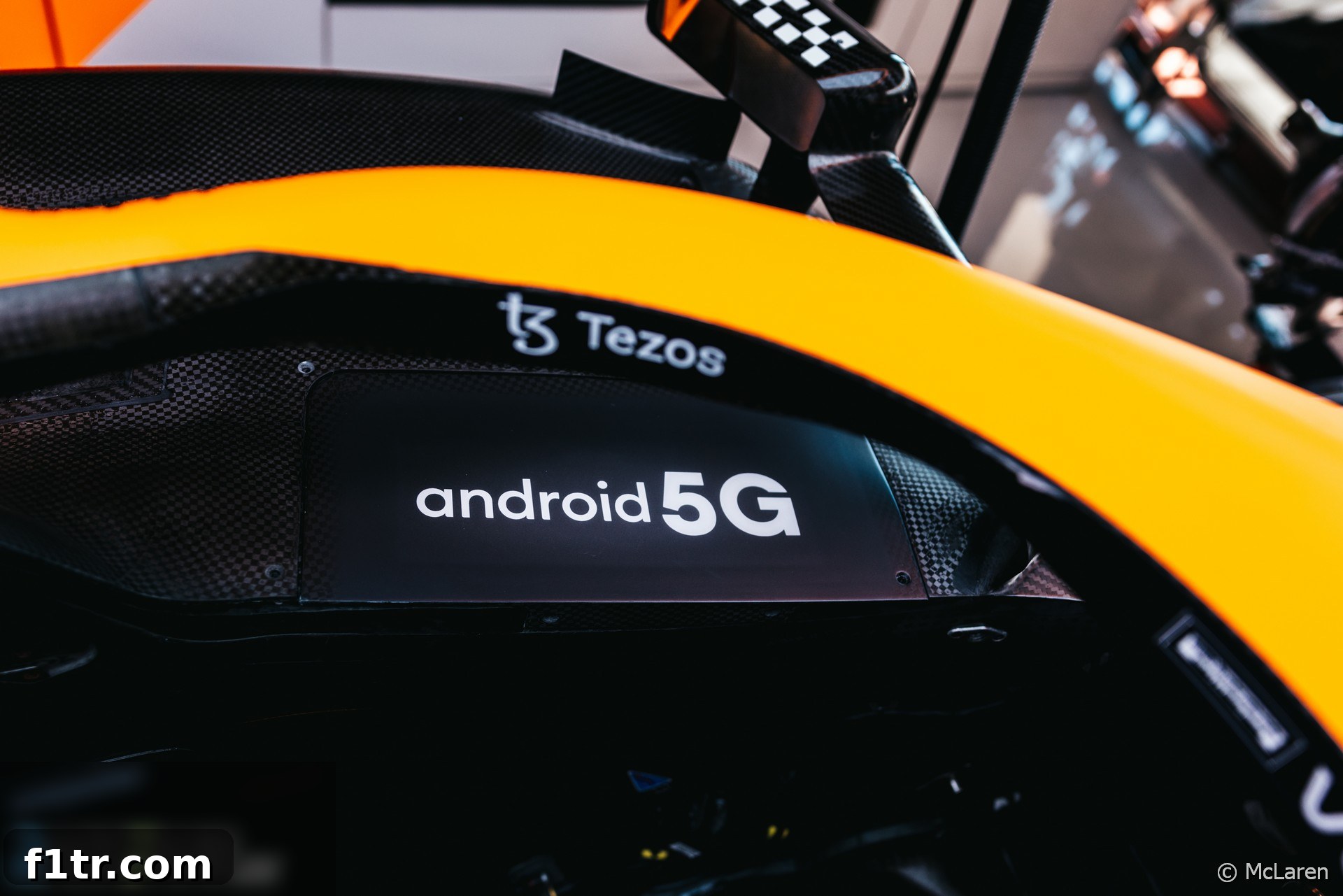
Three years ago, McLaren introduced a revolutionary concept to Formula 1: dynamic digital advertising panels integrated directly onto their race cars. The team proudly unveiled this technology during practice for the United States Grand Prix in 2022, showcasing its potential to redefine sponsor visibility and engagement. The hardware, a marvel of miniaturized display technology, was developed by Seamless Digital. Mark Turner, the CEO of Seamless Digital, eloquently articulated the vision behind this innovation, stating that the panels could be used to “communicate situationally relevant messages.” This meant a dynamic canvas for advertisers, allowing for real-time changes to logos, slogans, and branding messages throughout a race weekend, or even during a race itself, based on evolving circumstances like track conditions, race position, or geographical broadcast region.
During the last two seasons, these high-tech panels became a distinctive feature of McLaren’s cars. Strategically positioned on each side of the cockpit aperture, they were perfectly placed to fall within the field of view of the crucial onboard cameras. This ensured maximum exposure for McLaren’s partners, capturing the attention of millions of viewers globally who tuned in to watch the pinnacle of motorsport. Several prominent McLaren sponsors capitalized on this capability, rotating their brands, logos, and specific slogans, demonstrating the flexibility and commercial appeal of such a system. The ability to update content remotely and instantly offered an unprecedented level of adaptability for marketing campaigns within a traditionally static advertising environment.
The Trade-Off: Performance Reigns Supreme
Despite the initial excitement and perceived commercial advantages, the digital panels quietly disappeared from McLaren’s cars partway through the 2024 season. Now, their absence is confirmed on the new MCL39, the team’s challenger for 2025, currently undergoing testing at the Bahrain International Circuit. Instead of the cutting-edge digital displays, the new chassis features conventional, static advertising panels, a return to traditional livery design.
The reasoning behind this shift is simple and, for Formula 1, entirely predictable: performance. A team spokesperson confirmed to RaceFans that the panels were removed primarily to “maximise the car’s performance.” While the digital technology represented a significant leap in potential sponsorship activation, it came with an undeniable, albeit seemingly minor, drawback: weight. The system was understood to add a small amount of extra weight to the car, believed to be as little as 200 grams. In the unforgiving world of Formula 1, where every fraction of a second is meticulously fought for, 200 grams can translate into measurable lap time differences, influencing car balance, tire degradation, and overall aerodynamic efficiency.
Advert | Become a RaceFans supporter andgo ad-free
The Weight-Saving Arms Race in Modern F1
McLaren’s decision to shed the digital advertising panels highlights a broader, intense weight-saving arms race that has swept through Formula 1, particularly since the introduction of the current generation of technical regulations in 2022. These regulations brought about significantly heavier cars, making weight reduction an even more critical factor for achieving competitive lap times. Teams are constantly striving to get as close as possible to, or even below, the minimum weight limit set by the FIA, knowing that excess weight is a direct detriment to performance.
This relentless pursuit of “marginal gains” sees teams leaving no stone unturned. The 200 grams associated with McLaren’s digital panels, while seemingly trivial to an outsider, can make a difference in a sport where races are won and lost by milliseconds. This philosophy is echoed across the paddock. Last year, for instance, Red Bull Racing, who successfully guided Max Verstappen to another drivers’ title, famously shelved plans to run special liveries designed by fans. The reason? The additional paint required for these intricate designs added unwanted weight, which the team deemed an unacceptable compromise in their quest for ultimate performance. Similarly, many teams have resorted to stripping back the amount of paint on their cars, leaving significant portions of the carbon fibre chassis exposed to save even a few grams. This trend illustrates the almost obsessive degree to which teams analyze and optimize every component, every material, and every gram.
The competition at the front of the grid is fierce, as evidenced by McLaren’s own impressive resurgence last year, where they mounted a season-long challenge against Ferrari for the constructors’ championship. In such a high-stakes environment, even minuscule disadvantages are unacceptable. Engineers meticulously calculate the impact of every gram on lap time, and the decision to remove the digital panels, despite their innovative potential, underscores the absolute primacy of performance in Formula 1’s hierarchy of values. It serves as a stark reminder that while technological advancements and commercial opportunities are important, pure speed will always be the ultimate currency in this sport.
Future Implications and the Evolution of F1 Technology
McLaren’s pragmatic decision raises questions about the future of such innovative advertising solutions in Formula 1. Is this a temporary setback for onboard digital displays, or does it signal that the technology, in its current form, simply cannot meet the stringent demands of top-tier motorsport? It’s possible that as display technology continues to evolve, becoming even lighter, thinner, and more energy-efficient, such panels could make a return in the future. The challenge for innovators like Seamless Digital will be to develop solutions that offer the dynamic advertising benefits without any measurable performance compromise.
Formula 1 has always been a hotbed of technological innovation, with advancements often finding their way into road cars and other industries. However, it is also a sport governed by tight regulations and an unyielding focus on lap time. The balance between commercial imperatives, fan engagement, and raw sporting performance is a delicate one. McLaren’s choice to prioritize performance over cutting-edge sponsor visibility in this instance reflects the current competitive landscape and the specific challenges posed by the 2022 regulations. It reinforces the idea that in Formula 1, engineering excellence and speed will always take precedence, even over promising new commercial frontiers.
Miss nothing from RaceFans
Get a daily email with all our latest stories – and nothing else. No marketing, no ads. Sign up here:
Formula 1
- F1 returning to India soon after 2027 sounds like wishful thinking
- Verstappen loathes F1’s new generation of cars – but what do his rivals reckon?
- The ‘throwback weekend’ is back in fashion. But it’s a flawed concept – especially for F1
- Is Formula 1’s double race cancellation a blessing in disguise?
- Todt admits Schumacher crashed on purpose – but did it really cost him two titles?
Browse all Formula 1 articles