Formula 1 Sprint Qualifying: Drivers Weigh In on the Evolving Weekend Format
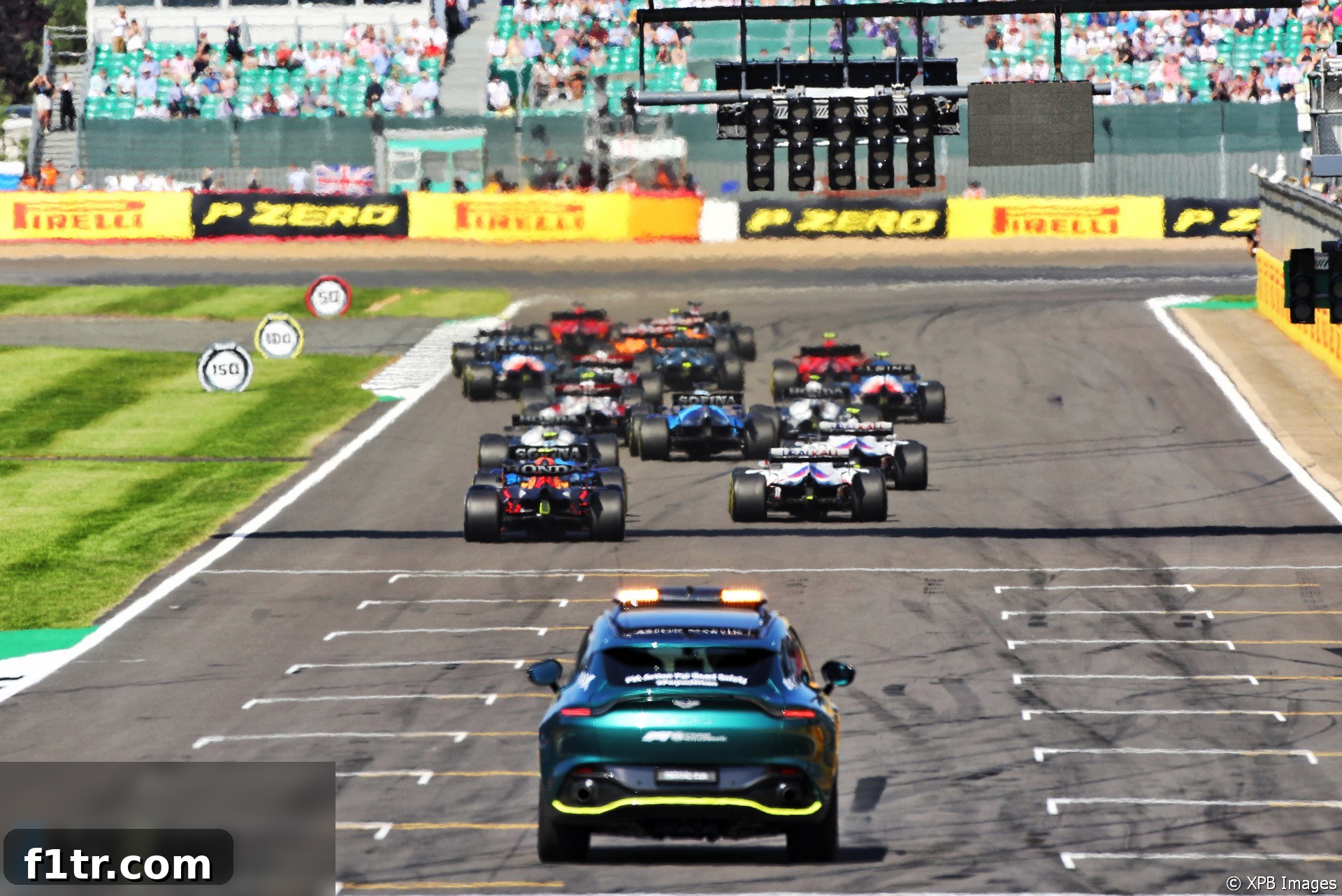
Formula 1’s pursuit of innovation led to the introduction of a revamped weekend structure featuring sprint qualifying, a format designed to inject more excitement and competitive action into Grand Prix weekends. First trialed at the British Grand Prix, this controversial yet intriguing concept has sparked considerable debate among fans, teams, and crucially, the drivers themselves. As the sport continues to evaluate its future, key figures like Charles Leclerc and Lando Norris have offered their insights, highlighting both the successes and the areas ripe for improvement in this bold new era of Formula 1.
The core premise of sprint qualifying involves shifting the traditional qualifying session to Friday, which then sets the grid for a short “sprint race” on Saturday. The outcome of this Saturday sprint subsequently determines the starting order for Sunday’s main Grand Prix. This radical departure from the long-standing format aimed to create a more dynamic and engaging spectacle, ensuring every day of a race weekend held significant competitive weight.
Charles Leclerc, the Scuderia Ferrari ace, has been vocal about his experiences with the new format, suggesting that while it offers clear advantages, a crucial tweak could elevate it further. Leclerc believes the sprint qualifying format would be significantly enhanced if Saturday’s race was treated as a standalone event, separate from its current direct influence on the Grand Prix starting grid. This separation, in his view, would allow for more aggressive racing in the sprint, freeing drivers from the apprehension of compromising their Sunday prospects.
Leclerc’s Vision for an Improved Sprint Format
Leclerc’s primary commendation for the new structure centers on the invigorated Friday schedule. “I really enjoyed it,” he stated, contrasting it sharply with the traditional, often subdued start to a Grand Prix weekend. Under the previous format, Fridays typically consisted of three free practice sessions, often leading to a sense of monotony for drivers who are eager for competitive action. “The Friday normally is so boring. Honestly in the car I just want the Friday to be done,” Leclerc admitted, perfectly articulating the sentiment of many within the paddock.
The revised schedule, with its immediate demand for performance, resonated deeply with the Monegasque driver. “Now finally we have a Friday where FP1 straightaway we need to be on it, we have qualifying straight after, which I enjoyed a lot more. Then a sprint qualifying, that makes it exciting, and the Sunday, a great race.” This immediate pressure from the outset forces teams and drivers to be sharp and adaptable, transforming Friday from a data-gathering exercise into a critical day of competitive intensity. The reduced practice time means setup choices are more impactful, and there’s less room for error, adding a layer of strategic depth that was previously absent.
However, Leclerc’s appreciation for the format is tempered by a significant proposed modification. His core suggestion revolves around decoupling the sprint race results from the Grand Prix grid. “If I give my personal opinion I think maybe the qualifying should be the start of the race,” he explained. Instead, he advocates for regular qualifying on Friday to determine the grid for Sunday’s Grand Prix, with the Saturday sprint race serving as a standalone event, perhaps offering additional points or even a separate trophy, but not dictating the main race start order. “The format needs to be maybe a little bit modified but overall I think it is definitely a gain, in my opinion. Maybe the Saturday do a race but keep the starting grid from the qualifying.”
This subtle but impactful change aims to encourage more fearless racing during the sprint. Currently, drivers are often observed being conservative in the sprint race, prioritizing a clean finish and a good starting position for Sunday over taking risks for a few extra points. Leclerc’s vision would unleash the full potential of the sprint race, transforming it into a flat-out, no-holds-barred dash for glory, entirely distinct from the strategic chess match of the main Grand Prix.
Lando Norris: Embracing the Challenge, Cautious on Frequency
McLaren’s Lando Norris echoed Leclerc’s enthusiasm for the streamlined Friday schedule, particularly the compressed preparation time before qualifying. Like Leclerc, Norris found the immediate transition from a single practice session into a crucial qualifying battle to be a refreshing challenge. “I enjoyed Friday a lot, just having one practice straight into quali,” Norris remarked, drawing parallels with his experiences in junior categories.
“I think it’s quite cool, it’s similar to what we did in Formula 2 and Formula 3 and things like that,” he added. This format, he suggests, acts as a more rigorous test not just for the drivers’ immediate adaptation skills, but also for the engineering teams. “So I enjoy it. I think it’s more of a test, not just for us as drivers, but also for engineers and things like that to try to get on top of everything quicker instead of having a whole day and then the night to kind of perfect everything and put so much time into it.” The condensed timetable demands sharper decision-making, quicker adjustments, and a greater reliance on initial simulator work and pre-weekend preparation, adding an intriguing layer of complexity to the competition.
However, Norris displayed a more reserved stance regarding the sprint qualifying race itself, particularly its potential frequency. While he appreciated the novelty, he stressed that he would not want to see it implemented at every round of the world championship. “I think it’s good to just race, but it’s not something I would want to do every single weekend,” he articulated. His preference aligns with the idea of sprint races being special events, deployed strategically at select Grand Prix weekends to amplify the excitement without diluting the prestige of the traditional Sunday race.
Norris believes that “having it every now and then is good, I think it is good for the fans if you have it in specific races.” This balanced perspective suggests that while sprint races can offer an additional layer of entertainment for the fans, the charm of the “normal one with the qualifying and then the build up to Sunday, the main race” remains paramount. “I’m mixed on it. But for us it’s not important if like it or not, I don’t mind it, if it was a better show for the fans and it means they enjoy a Saturday more then I’m happy with it.” This pragmatic view underscores a driver’s willingness to adapt if the overall outcome benefits the sport and its global fanbase.
Addressing the “Inconsequential FP2” Debate
One critique leveled against the new sprint format was that it rendered the Saturday morning second free practice session largely inconsequential. With qualifying already done and the sprint race approaching, the urgency of this session seemed diminished. However, Norris remained unconvinced that this was a significant drawback, challenging the very notion of practice sessions as primary entertainment vehicles. “Is there ever entertainment from FP sessions?” he pointedly asked, implying that their intrinsic value lies in technical preparation rather than crowd-pleasing action.
Norris conceded that “Maybe FP3 is a little bit more exciting because you see the pace of everyone before qualifying so you get to judge things maybe a little bit yourself and people like doing that.” However, he quickly tempered this by emphasizing that the core purpose of most practice sessions, particularly in the traditional format, is for “long runs and race pace,” which are not inherently designed for spectator thrill. “Everyone likes qualifying, one-lap shoot-out. That’s the only thing that makes FP3 a bit more entertaining. But FP1 and FP2’s never entertaining so I don’t see it being any different to normal really.” His comments suggest that criticism regarding an ‘inconsequential’ FP2 might be missing the point, as practice sessions, by their very nature, are not typically the highlight of a race weekend for most viewers.
The Future of F1’s Dynamic Format
Formula 1 has indicated its commitment to reviewing the sprint qualifying format after its initial three-race trial, signaling a willingness to adapt and refine the concept based on feedback from all stakeholders. The introduction of sprint races represents a significant strategic move by F1 to attract new audiences and maintain the engagement of existing fans by offering more meaningful on-track action throughout the Grand Prix weekend.
The debate surrounding the sprint format highlights the perpetual challenge faced by Formula 1: balancing tradition with innovation. While the core Grand Prix remains sacred, the sport’s administrators are constantly seeking ways to enhance the spectacle and ensure its continued relevance in a rapidly evolving entertainment landscape. The insights from drivers like Charles Leclerc and Lando Norris are invaluable in this process. Their firsthand experiences on track provide critical feedback on how changes affect competitive integrity, driver enjoyment, and ultimately, the quality of the show for the millions watching worldwide.
Whether F1 adopts Leclerc’s suggestion to separate the sprint race from the main grid, or modifies the points system, or even chooses to limit sprint races to only a few circuits, the conversation is far from over. What is clear is that the sport is dedicated to an ongoing evolution, with the aim of delivering the most compelling and entertaining motorsport spectacle possible, ensuring that every race weekend, from Friday practice to Sunday’s checkered flag, is packed with drama and excitement.
2021 F1 Season Insights
- Masi ‘basically gifted the championship’ to Verstappen says 2021 FIA steward Sullivan
- Las Vegas race backers looking to extend F1 deal beyond 2025
- Why Mercedes put ‘a reminder of joy and pain’ on display in their factory lobby
- Verdict on error in GT race suggests Mercedes would have lost 2021 Abu Dhabi GP appeal
- Title ‘stolen’ from Mercedes made us ‘underdogs people cheer for’ – Wolff
Browse all 2021 F1 season articles