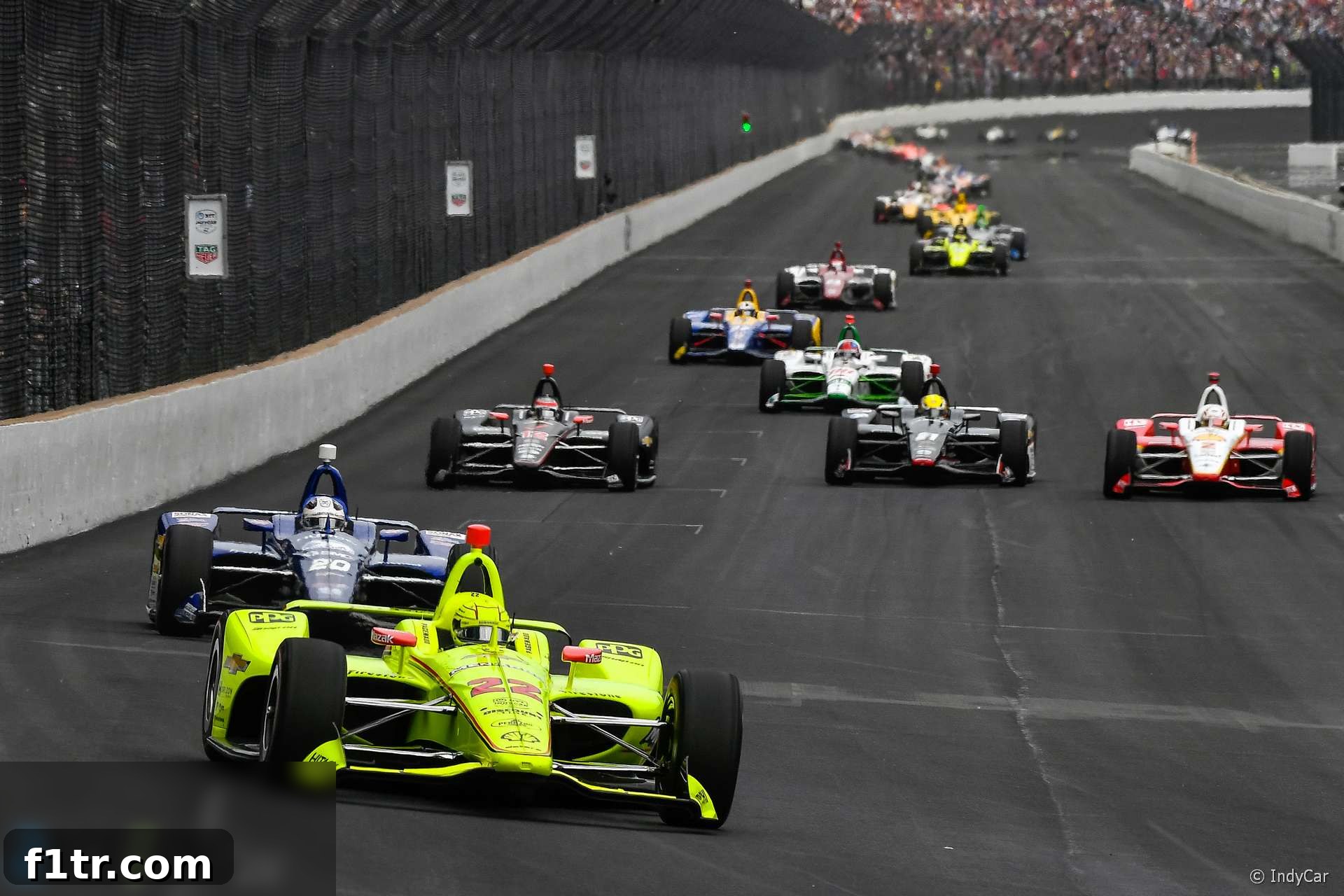
The world of motorsports, a realm traditionally defined by roaring engines, high-speed thrills, and packed grandstands, found itself at a crucial juncture, navigating unprecedented challenges. As events globally faced postponements and cancellations, the Indianapolis 500, often dubbed “The Greatest Spectacle in Racing,” became a focal point of discussion. IndyCar chief executive Mark Miles openly addressed the possibility of postponing this iconic race, signaling a pivotal moment for one of America’s most cherished sporting traditions. This concession underscored the widespread impact on sporting calendars worldwide, forcing organizers to re-evaluate schedules and prioritize the health and safety of participants, staff, and fans above all else.
The notion of the Indy 500 moving from its traditional Memorial Day weekend slot was significant, highlighting the scale of disruption across the entire racing landscape. Miles’s statements reflected a proactive and pragmatic approach, acknowledging the fluidity of the global situation while maintaining a clear commitment to delivering a full and compelling season whenever circumstances permitted. This period of uncertainty prompted a collective effort from teams, drivers, and governing bodies to adapt, innovate, and find new ways to connect with their dedicated fan bases, ensuring the spirit of competition remained vibrant even when physical races were on hold. The focus shifted towards contingency planning, exploring alternative dates, and maintaining open communication with all stakeholders to navigate a challenging and rapidly evolving environment.
Motorsports in the Digital Sphere: Social Media Highlights
In an era defined by global connectivity and rapid information flow, social media became an indispensable tool for motorsports teams, drivers, and organizations to stay connected with their fans. As traditional racing events faced unprecedented disruptions, the digital sphere lit up with updates, insights, and behind-the-scenes glimpses, offering a vital lifeline for engagement. Drivers shared their training routines, teams offered technical deep dives, and fans participated in lively discussions, keeping the passion for racing alive and thriving.
Platforms like Instagram, Twitter, and Facebook served as crucial conduits for maintaining community spirit. Posts ranged from motivational messages and training updates from drivers adapting to new realities to official announcements regarding race schedules and team activities. These snippets of digital content provided a unique window into the personal and professional lives of those within the sport, fostering a deeper connection with the global fanbase. Below, we highlight some notable posts that captured the essence of motorsports during this dynamic period:
Instagram Post Example 1
Instagram Post Example 2
These examples illustrate how teams and drivers leveraged visual storytelling and direct communication to keep their audiences engaged, providing a sense of continuity and excitement even in the absence of on-track action. The digital landscape proved invaluable in bridging the gap between events, ensuring that the anticipation for racing’s return remained as strong as ever.
- For enthusiasts looking to deepen their connection with the world of Formula 1, our comprehensive F1 Twitter Directory offers a curated list of official accounts. Discover and follow your favorite teams, drivers, journalists, and personalities to get real-time updates and exclusive content directly from the paddock and beyond.
Advert | Become a RaceFans supporter andgo ad-free
Motorsport Insights: A Roundup of Key Headlines and Discussions
The global motorsports community faced an unprecedented period of adjustment, with headlines reflecting the significant challenges and strategic decisions being made across various championships. From the future of iconic races to the logistical hurdles confronting teams and suppliers, the industry grappled with uncertainty while striving to maintain its vibrant spirit. This section compiles some of the most compelling insights and discussions from leading motor racing publications, offering a snapshot of the prevailing sentiment and the innovative solutions being explored.
These stories provide a deeper understanding of the complex landscape that organizers, teams, and drivers navigated, underscoring their dedication to the sport amidst a rapidly changing world.
Advert | Become a Supporter & go ad-free
Indy 500 Top Priority as IndyCar Eyes Revamped Season (AFP)
The venerable Indianapolis 500 stands as the jewel in the crown of the IndyCar series, an event steeped in over a century of tradition and unparalleled spectacle. Its potential postponement sparked widespread discussion and concern among fans and stakeholders alike. IndyCar chief executive Mark Miles articulated the series’ unwavering commitment to hosting the race, emphasizing its paramount importance to the championship’s integrity and economic health. “Our objective is to stay the course, for now, and to see if it’s possible to do it as scheduled mid-May. If that’s not possible, we’ll find another date. But that’s a decision we’ll come to when it’s clear what the future looks like,” Miles stated. This sentiment highlighted the delicate balance between adhering to a planned schedule and adapting to global health imperatives. The challenge involved not only finding a suitable alternative date but also coordinating with the myriad of logistical elements, from broadcast partners to team availability, to ensure the event could be staged safely and successfully. The determination to prioritize the Indy 500 underscored its iconic status and the series’ dedication to preserving one of motorsport’s most significant annual traditions.
Horner: Hard to Criticise F1 Chiefs Over Australia Cancellation (Autosport)
The dramatic cancellation of the Australian Grand Prix just hours before Friday practice sent shockwaves through the Formula 1 community, signaling the scale of the crisis facing global sports. Red Bull Racing team principal Christian Horner offered his perspective on the difficult decision, acknowledging the complexity of the situation for F1 organizers. “I think the problem is, it’s a moving target. If the guy that tested positive before, then we wouldn’t come and then obviously we’d have all been saved a trip,” Horner remarked. His comments reflected the frustration and logistical nightmare of teams traveling across the globe, only for the event to be called off at the eleventh hour. The incident highlighted the immense pressure on F1 management to make rapid, health-driven decisions in an evolving global landscape. It also brought into sharp focus the intricate planning required for each Grand Prix, from freight and personnel movement to fan attendance and local health protocols. The Australian cancellation became a stark reminder of the unprecedented challenges confronting the pinnacle of motorsport, influencing subsequent decisions regarding the remainder of the season’s calendar.
The Lockdown Diaries: Pirelli and the Impact on Motorsport Supply Chains (Racer)
Beyond the race tracks and team garages, the global situation had a profound impact on the vital supply chain that keeps motorsports running. Pirelli, the exclusive tyre supplier for Formula 1 and a key provider for many other series, offered a unique insight into the operational adjustments required. “We’ve halted production for the other races until we know if and when they are taking place, while existing tyres that haven’t yet been put onto rims can be carefully stored and then used later,” a Pirelli spokesperson explained. This glimpse into the “Lockdown Diaries” revealed the massive logistical and manufacturing challenges faced by industry giants. Tyre production is a meticulously planned process, calibrated to specific race conditions, compounds, and delivery schedules. Halting production not only affects immediate inventory but also necessitates complex storage solutions for existing tyres, ensuring their integrity and performance are preserved for future use. This situation underscored how every facet of the motorsports ecosystem, from the smallest component supplier to the largest manufacturer, had to adapt and innovate to weather the storm.
A Legendary 12 Hours: Echoes of Endurance Racing (Ferrari)
Amidst contemporary challenges, the timeless allure of motorsport history provides a powerful reminder of the sport’s enduring drama and legendary figures. Ferrari’s recounting of a “legendary 12 hours” transports us back to an era of raw courage and mechanical fortitude, epitomized by iconic drivers like Mario Andretti. The narrative captures the essence of endurance racing, where meticulous planning meets unforeseen circumstances. “Previously a lap down, he now found himself ahead of the white Porsche. But then came another twist of fate. Forghieri had warned Andretti that the Ferrari might be low on fuel, and sure enough the light flickered on,” the article describes. This vivid detail perfectly illustrates the precarious nature of long-distance racing, where victories can turn into heartbreaks in an instant due to factors like fuel management or unexpected mechanical glitches. It speaks to the incredible human and engineering effort involved in pushing both man and machine to their absolute limits for extended periods. Such historical accounts are not merely nostalgic; they serve to inspire new generations and remind us of the sport’s rich heritage of triumph, adversity, and legendary moments that continue to captivate enthusiasts worldwide.
The Rise of Esports Racing: All-Star Esports Battle Round Two (YouTube)
With traditional racing schedules paused, the burgeoning world of esports racing stepped into the spotlight, offering a thrilling alternative for fans craving competitive action. This digital shift saw real-world racing drivers, celebrities, and dedicated sim racers converge in virtual arenas, showcasing their skills in a compelling new format. The “All-Star esports Battle Round Two” exemplified this phenomenon, transforming virtual circuits into battlegrounds for intense competition and entertainment. These events were more than just temporary fillers; they became platforms for innovation, attracting new audiences and demonstrating the powerful synergy between virtual and real-world motorsports. The embedded video below provides a fantastic insight into the excitement and professional level of competition found within these esports events. Featuring professional commentary, strategic racing, and dramatic finishes, it mirrors the thrills of live racing, proving that the competitive spirit of motorsport can thrive in any medium.
The accessibility and interactive nature of esports racing allowed fans to engage with the sport in entirely new ways, often seeing their heroes compete in virtual environments they themselves could access. This rapid rise of sim racing highlighted its potential not only as a complementary activity but as a significant and growing segment of the motorsports landscape.
We always endeavour to credit original sources and appreciate contributions from our readers. If you have a compelling tip for a link to feature in an upcoming RaceFans round-up, or any breaking news you think our community would be interested in, please do not hesitate to send it in via our dedicated contact form. Your insights help us keep our content fresh and relevant for all motorsports enthusiasts.
Advert | Become a RaceFans supporter andgo ad-free
Community Voice: The Esports Phenomenon and Fan Engagement
The unprecedented shift towards virtual racing sparked a significant debate among motorsports fans: how does esports compare to traditional racing, and is it a sustainable form of entertainment? Many found themselves engaging with esports for the first time, driven by the absence of live motor racing. This created a fascinating dialogue within our community, encapsulated by thoughtful comments such as this one:
It’s funny how only a week after the Australian Grand Prix was cancelled (and it’s felt like a very long week), we’re almost already at saturation point with ESports!
I get it, but it’s almost turning into a bandwagon that everyone feels they need to join to stay relevant. I’ll probably still check out maybe one race of each flavor, but for me, ESports fall into the category of things I like to ‘play,’ but would never watch, like snooker, chess, golf, tennis and cycling.
@Eurobrun
This sentiment from @Eurobrun highlights a common perception: while esports offers a compelling interactive experience, watching it may not appeal to everyone in the same way traditional sports do. The rapid proliferation of virtual events, while providing much-needed content, also raised questions about market saturation and the distinct preferences of different fan segments. Some embraced the virtual spectacle wholeheartedly, enjoying the accessibility and the chance to see their favorite drivers compete in a new environment. Others, like @Eurobrun, preferred the hands-on engagement of playing rather than passively watching, drawing parallels to other individual sports that are often more engaging to participate in than observe. This ongoing discussion underscores the diverse ways fans connect with motorsports and the evolving landscape of sports entertainment in the digital age.
Celebrating Milestones: Happy Birthday to Our Community!
At RaceFans, we believe in celebrating the passion and loyalty of our incredible community. A very special happy birthday goes out to Hamilton Wc 09, Juan Pablo Heidfeld, Shaneb457, Chris, and Mike Shefford! We hope you all have a fantastic day filled with joy and perhaps a little bit of motorsports magic.
Would you like to receive a birthday shout-out on our platform? We’d love to celebrate with you! Simply let us know your birth date by reaching out to us via the contact form. Alternatively, you can add your special day to our growing list here. Join our tradition and let us make your birthday a little extra special for the entire RaceFans community!
On This Day in F1 History: A Look Back at Brands Hatch, 1970
- Fifty years ago today, the Race of Champions at Brands Hatch delivered a dramatic narrative that saw a legend narrowly miss out on victory. Jack Brabham, a three-time Formula 1 World Champion and a true icon of the sport, was poised for a memorable win when a late ignition problem cruelly robbed him of the top step of the podium. Brabham, competing in his own BT33 chassis, had shown formidable pace and looked set to dominate. However, the capricious nature of motorsport intervened, denying him what would have been a significant triumph.
- Seizing the opportunity, Jackie Stewart, driving his March 701, put on a masterclass performance. The future three-time world champion skillfully navigated the challenging Brands Hatch circuit, leading home Jochen Rindt’s Lotus by an impressive 36 seconds. This victory was a testament to Stewart’s driving prowess and the competitive edge of the March team during that era. Rindt, in his Lotus 72, demonstrated his own formidable talent by securing second place, further cementing his reputation as a formidable contender. The 1970 Race of Champions remains a poignant reminder of both the glory and the heartbreak inherent in Grand Prix racing, an event where fortunes could change in an instant, forever etched in the annals of F1 history.