Revolutionizing Fan Engagement: Interactive Displays Set for F1 Cars in 2021
Formula 1, the pinnacle of motorsport, is constantly seeking ways to innovate and enhance the spectator experience. A significant stride in this direction was outlined in the draft regulations for the 2021 F1 season, which proposed the mandatory integration of dynamic display panels directly onto the cars. This visionary concept aimed to transform how fans receive real-time information, making the action on track more accessible and engaging than ever before. These regulations specified the fitment of six distinct display panels, strategically placed to maximize visibility and impact.
Dynamic Information at Your Fingertips: The Proposed Display System
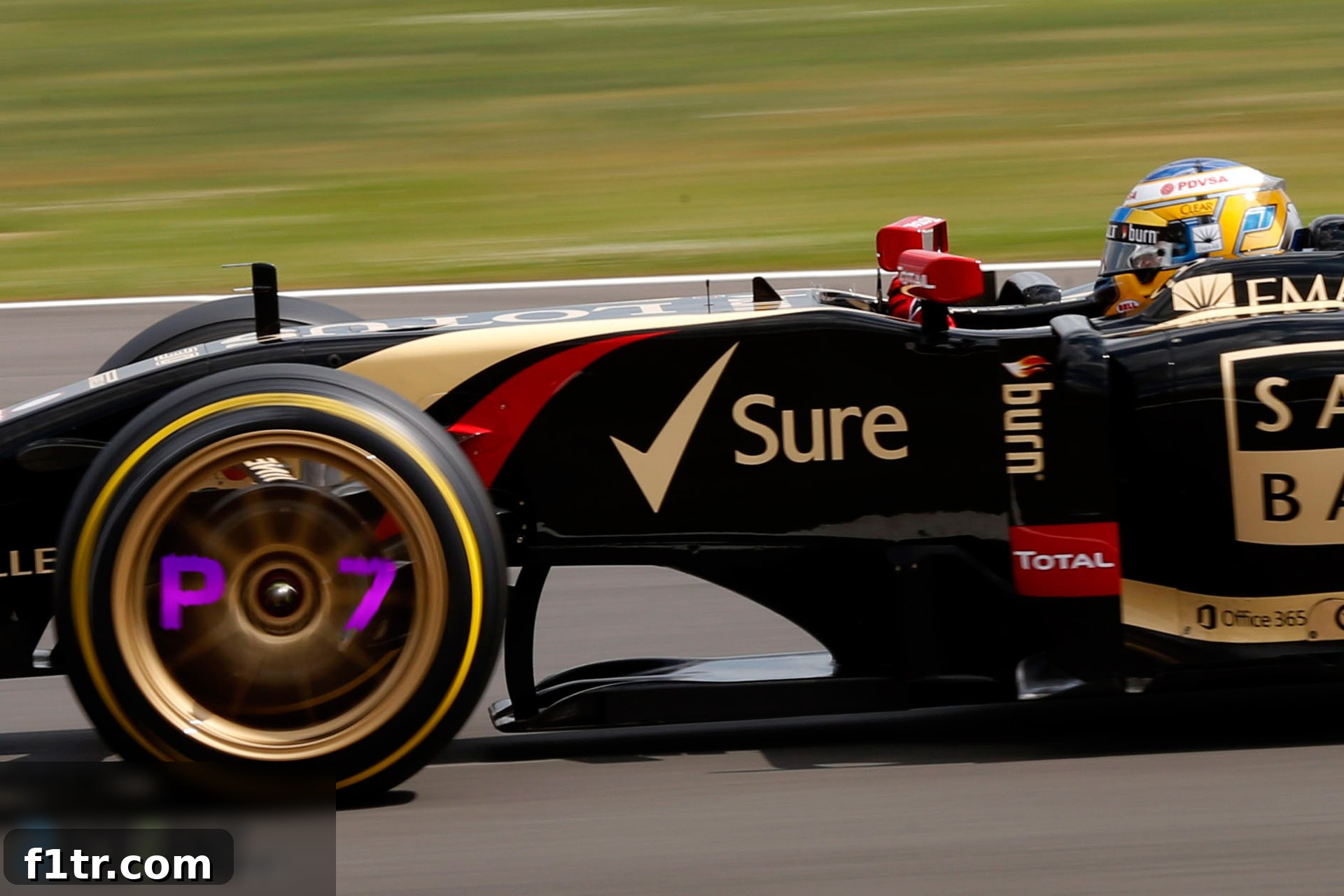
The core of this groundbreaking initiative involved six advanced display panels on each F1 car. Two of these panels were earmarked for the car’s bodywork, positioned prominently on either side. These larger displays offered a canvas for conveying a wealth of information, from driver names and team logos to critical race data. However, perhaps the most visually striking and technologically ambitious aspect was the introduction of four rotating LED display panels integrated into the wheel rims. This concept was particularly exciting, promising a unique visual spectacle as the cars sped around the track.
The timing of this display innovation coincided with another major technical overhaul: the introduction of 18-inch wheels. This synergy presented an ideal opportunity, as the larger wheel size provided more surface area for the integration of these sophisticated LED panels, making the visual impact even more significant. Imagine an F1 car, with its larger wheels adorned with vibrant, changing data, offering a dynamic narrative of the race unfolding in real-time. The rendering depicting how these wheel rim lights could appear on an F1 car running the new 18-inch wheels offers a tantalizing glimpse into this future.
What Information Would These Displays Convey?
The primary purpose of these display panels was unequivocal: to provide crucial information directly to spectators, both at the trackside and potentially enhancing television broadcasts. This immediate data delivery was designed to bridge the gap between the raw speed of F1 cars and the intricate strategies unfolding during a race. Information could include, but was not limited to:
- Current Race Position: Allowing fans to instantly identify a car’s standing in the race.
- Number of Pit Stops: A quick visual cue indicating a car’s pit strategy, vital for understanding race progression.
- Tyre Compound: Displaying the type of tires currently in use (e.g., Soft, Medium, Hard), a critical strategic element.
- Safety Car/VSC Status: Alerting fans to safety car deployments or Virtual Safety Car periods.
- Driver-Specific Information: Potentially showing driver initials or a unique identifier.
- Team-Branding/Sponsor Logos: Offering dynamic advertising opportunities for teams and their partners.
This level of real-time, on-car information would not only make the sport more comprehensible for new fans but also deepen the understanding and engagement of long-time enthusiasts, allowing them to follow specific battles and strategies more closely without constantly referring to timing screens or commentary.
Technological Horizon and Implementation Challenges
While the concept of interactive displays on F1 cars promises an exciting future, its implementation comes with significant technological and logistical challenges. Designing displays that can withstand the extreme conditions of Formula 1 racing – including immense vibrations, high temperatures, potential impacts, and varying weather – requires cutting-edge engineering. Weight is always a critical factor in F1, so the chosen technology must be exceptionally lightweight and energy-efficient. Furthermore, integrating these displays seamlessly into the car’s aerodynamics without compromising performance would be paramount. The synchronization of data across all panels and ensuring robust reliability throughout a Grand Prix weekend are also crucial considerations.
For the rotating wheel rim displays, specific challenges include power delivery to a constantly spinning component and maintaining data integrity. Wireless power transfer and sophisticated data transmission systems would likely be necessary. The visibility of these displays under diverse lighting conditions – from bright daytime sun to night races under floodlights, and even in rain – is another design hurdle that requires innovative solutions, possibly involving advanced LED or OLED technologies with adaptive brightness.
A Look Back: Precedents and Lessons from Motorsport History
The idea of displaying information directly on racing cars is not entirely new, with various series and teams having explored similar concepts in the past. These earlier attempts provide valuable insights and highlight both the potential and the difficulties inherent in such innovations.
The Force India ‘Info Wing’ (2014)
In 2014, the Force India team (now Racing Point) conducted a notable test of a visual display system they dubbed the ‘Info Wing’. Mounted to its onboard camera, this device was specifically designed to show a driver’s position to fans. While an ingenious attempt to enhance fan interaction, the ‘Info Wing’ ultimately did not make it past the testing phase and was never formally introduced into competition. The reasons for its non-adoption could have ranged from regulatory hurdles and technical reliability to potential distractions or aerodynamic implications. Nevertheless, it marked an early recognition of the desire to make race information more immediate for spectators.
IndyCar’s Ventures into On-Car Displays
Across the Atlantic, the IndyCar series has also experimented with various on-car display technologies. In 2015, IndyCar notably tested wheel rim display lights, a concept strikingly similar to F1’s 2021 proposal. However, these lights never progressed to full-time race usage. The company responsible for producing the test versions later ceased operations, underscoring the commercial and technical fragility that new motorsport technologies can face. Beyond the wheel rims, IndyCar also incorporated display panels on its cars for a period, intended to provide information to fans. However, these devices were eventually removed after three races due to unspecified “problems.” These issues could have encompassed anything from reliability and visibility concerns to data accuracy or maintenance difficulties, serving as a cautionary tale for F1’s ambitious plans.
Simpler Displays in Other Series: The WEC Model
While F1’s proposal is at the cutting edge, simpler display lights are a well-established feature in other motorsport categories, such as the World Endurance Championship (WEC). In WEC, cars are equipped with LED panels that typically indicate the car’s overall position or its class within multi-class races. These simpler, static displays are primarily designed for quick identification by marshals, other competitors, and fans, offering a more basic but effective way of conveying essential information. F1’s 2021 vision, however, represents a significant leap in complexity and dynamic information delivery compared to these existing systems, aiming for a far richer and more interactive experience.
Impact on Teams, Sponsors, and the Fan Experience
The introduction of interactive car displays would have multifaceted implications across the sport. For the teams, it would necessitate integrating new hardware and software into already complex car designs, potentially influencing aerodynamics and weight distribution. However, it also presents unprecedented opportunities for dynamic sponsorship activation. Imagine a sponsor’s logo subtly animating or changing based on race events, offering a level of visibility and engagement previously unavailable.
Crucially, the ultimate beneficiary would be the fan. For those attending races trackside, the displays would offer an immediate, visceral understanding of the on-track narrative. No longer would fans need to constantly check large screens or rely solely on commentators to know a driver’s position or pit strategy. The cars themselves would become dynamic billboards of information. For television audiences, this could pave the way for enhanced broadcast graphics, perhaps even allowing viewers to customize the information they see on virtual car overlays. This move aligns with Formula 1’s broader strategy to make the sport more accessible, understandable, and captivating to a global audience, attracting new demographics while deepening the connection with existing fans.
The Future of F1: Innovation and Engagement
Formula 1 has always been a crucible for technological innovation, with advancements on track often finding their way into road cars and other industries. The proposed interactive displays for 2021 underscored F1’s commitment not only to pushing engineering boundaries but also to prioritizing the fan experience. By transforming race cars into dynamic information hubs, F1 aimed to create a more immersive and informative spectacle, ensuring that the thrill of Grand Prix racing is conveyed with unparalleled clarity and excitement. While the precise details and final implementation may evolve, the intent behind such initiatives firmly establishes Formula 1 at the forefront of sports entertainment, continually striving to connect fans closer to the heart of the action.