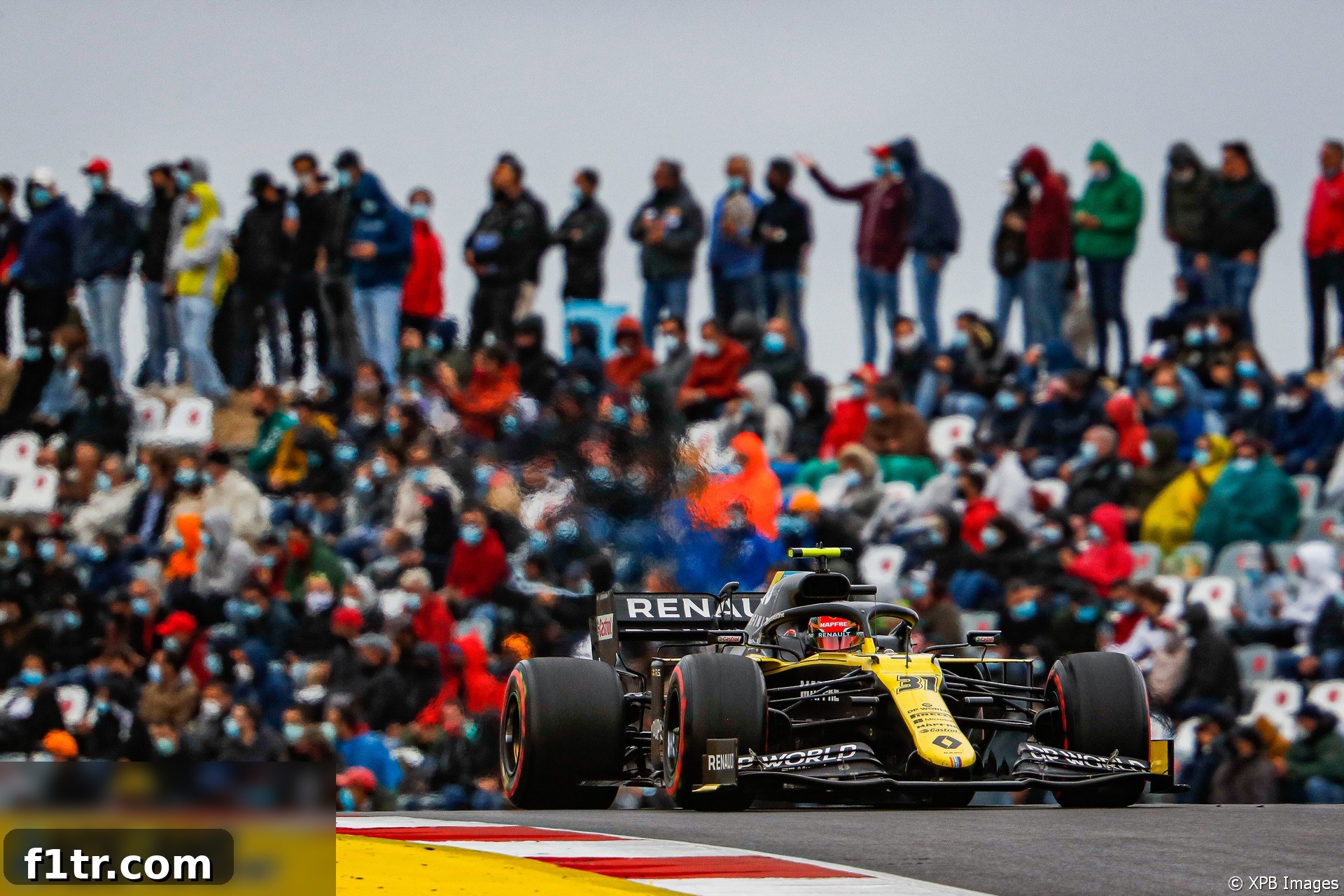
The exhilarating world of Formula 1 is constantly evolving, and with its global popularity reaching new heights, the sport faces the intricate challenge of balancing growth with sustainability. A significant shift being explored by F1 management is the introduction of two-day race weekends at select Grand Prix events. This format, which was notably trialed at the Emilia-Romagna Grand Prix, aims to alleviate the considerable strain on Formula 1 teams and personnel as the racing calendar expands, pushing the boundaries of what’s logistically feasible.
With an increasingly packed schedule, featuring what have recently been record-breaking numbers of rounds, the conventional three-day Grand Prix format places immense demands on travel, setup, and recovery for all involved. Consequently, discussions around optimizing the weekend structure have intensified, leading to the pivotal question: how can Formula 1 ensure that fans attending these streamlined events still receive exceptional value and an unforgettable experience?
The Evolving F1 Calendar: A Necessity for Change
Formula 1’s ambition to broaden its global footprint has led to a significant expansion of its race calendar. What was once a schedule of around 15-18 races has steadily grown, with recent seasons pushing towards or exceeding 23 rounds. While this offers more opportunities for fans worldwide to witness the pinnacle of motorsport, it simultaneously escalates the operational challenges for teams. Mechanics, engineers, drivers, and support staff endure a relentless travel schedule, leading to fatigue and mental strain. This intense pace impacts not only individual well-being but also the environmental footprint of the sport, fueling the drive for more efficient event formats.
The concept of two-day F1 race weekends emerges as a pragmatic solution to this logistical dilemma. By condensing the core Formula 1 track action, the sport can potentially fit more races into a season without adding prohibitive pressure on its personnel. However, the success of such a move hinges entirely on F1’s ability to maintain, or even enhance, the fan experience. Fans invest considerable time and money to attend these events, and any perceived reduction in value could be detrimental to the sport’s burgeoning appeal.
Balancing Efficiency and Fan Engagement
Addressing the critical aspect of fan value, Chloe Targett-Adams, Formula 1’s global director of race promotion, offered insights into how the sport envisions these condensed weekends. She emphasized that while the Formula 1 racing format might be two days, the overall Grand Prix event can, and often will, span three or even four days, depending on the venue and local context. The key lies in diversifying the offerings and creating a comprehensive “experience event” that extends beyond just the Formula 1 sessions.
Beyond the Main Event: Redefining the Race Weekend Experience
The strategy involves curating a rich tapestry of activities and entertainment to engage fans throughout the entire event duration. This means leveraging support categories like Formula 2, Formula 3, and the Porsche Supercup, which consistently deliver thrilling racing action and showcase the stars of tomorrow. These categories provide invaluable track time and entertainment, filling the void left by a reduced F1 presence on a particular day.
Targett-Adams drew an apt analogy to music festivals, stating, “If you’re going to Glastonbury, for example, you don’t expect to see the headline acts every day, people go for a whole week.” This comparison highlights the idea of a broader festival atmosphere, where the main attraction is part of a larger, curated experience. Fans attend for the overall ambiance, the variety of entertainment, and the shared passion with fellow enthusiasts, not solely for every moment of the headline act.
For Formula 1 weekends, this philosophy translates into a concerted effort to enhance off-track activations. This could include interactive fan zones, driver meet-and-greets, pit lane walks, car displays featuring classic F1 machinery, esports competitions, simulator experiences, and even concerts or cultural performances. The goal is to provide a continuous stream of engagement, ensuring there’s always something exciting happening for fans, irrespective of whether an F1 car is on track.
The Cultural Tapestry of Grand Prix Events
Another crucial element in successfully implementing two-day F1 race formats is recognizing and embracing local variations and cultural norms. Formula 1 is a global sport, and what works in one market might not be suitable for another. Targett-Adams pointed out that Grand Prix events already exhibit significant local adaptation. For instance, in Middle Eastern races, where Sunday is a working day, the core F1 action often shifts to Thursday, Friday, and Saturday to maximize attendance and engagement. This demonstrates F1’s existing flexibility in catering to regional specificities.
This adaptability extends to community engagement programs. The Australian Grand Prix in Melbourne, for example, has successfully run a “community day” on Thursday, inviting university and school children to attend as part of an educational curriculum. Such initiatives not only add social benefit and positive community impact but also provide an additional layer of value and activity for fans and local residents around the race weekend. These bespoke local programs underscore the importance of avoiding uniformity at the expense of innovation and relevance to specific markets.
Enhancing Fan Value: Strategies for a Dynamic Weekend
To truly make two-day F1 race weekends a success, promoters and F1 must be proactive in curating an experience that justifies the ticket price and travel for fans. It’s about perception of value, and that perception can be shaped by more than just the roar of F1 engines.
Maximizing Track Action
While the number of F1 sessions might be reduced, their impact can be heightened. This could involve exploring formats that guarantee more competitive running, such as sprint race weekends, which condense qualifying and add a short, intense race on Saturday. Ensuring that every F1 session offers meaningful stakes, whether for championship points or grid positions, is crucial. Moreover, careful scheduling of support categories can ensure continuous, high-quality racing on track throughout the event’s operating hours, providing a constant spectacle.
Immersive Off-Track Experiences
Beyond the asphalt, the potential for fan engagement is vast. Developing sophisticated fan zones with interactive displays, virtual reality experiences, and opportunities to test reaction times or simulated driving skills can keep attendees entertained for hours. Organizing autograph sessions, Q&A panels with drivers and team principals, and masterclasses with F1 engineers offer unique insights and access. Furthermore, integrating local culture through food festivals, artisanal markets, and musical acts can transform a Grand Prix into a vibrant community celebration, drawing in a broader audience and enhancing the overall appeal.
Digital Integration and Accessibility
Technology can play a pivotal role in augmenting the on-site experience. Dedicated event apps offering live timing, personalized schedules, interactive maps, and exclusive content can empower fans to make the most of their visit. Leveraging augmented reality (AR) to provide trackside information or virtual overlays of car data can add a cutting-edge dimension. For those not always at the track, robust digital content pipelines can extend the event’s reach, offering behind-the-scenes glimpses and highlights that complement the live experience.
Challenges and Considerations
Despite the clear benefits and innovative potential, the transition to more two-day F1 race weekends is not without its challenges. Fan expectations, deeply rooted in the traditional three-day format, will need careful management. Concerns about reduced F1 content must be addressed through transparent communication and a clear demonstration of added value elsewhere. The quality and variety of support acts and off-track activities will be under scrutiny, as these elements become even more critical to the overall experience. Pricing strategies will also need to be re-evaluated to ensure perceived value aligns with ticket costs, preventing fan alienation.
The Future of Formula 1 Weekends
Ultimately, Formula 1’s journey towards more two-day race weekends reflects its commitment to a sustainable and dynamic future. It’s a testament to the sport’s willingness to adapt and innovate, not just on the track, but in every facet of its operation. By embracing flexibility, fostering local relevance, and prioritizing a diverse range of fan engagement opportunities, F1 aims to expand its calendar and reduce team strain while simultaneously delivering an enriched and memorable experience for its global fanbase. The emphasis will remain on ensuring that the “superstars of our show”—the Formula 1 elements—remain prominent, but within a broader, more diversified event framework.
The lessons learned from experiments and the continuous feedback from fans and stakeholders will guide F1 in shaping a Grand Prix format that is both efficient for the teams and exceptionally rewarding for those who gather to celebrate the thrill of motorsport.
Explore More F1 Insights
- Understanding the Logistics Behind an F1 Season
- The Push for Sustainability in Formula 1
- New Strategies for Engaging the F1 Fanbase
- How the F1 Calendar Has Evolved Over the Decades
- Ensuring Driver and Team Well-being in a Demanding Sport
Browse all Formula 1 articles