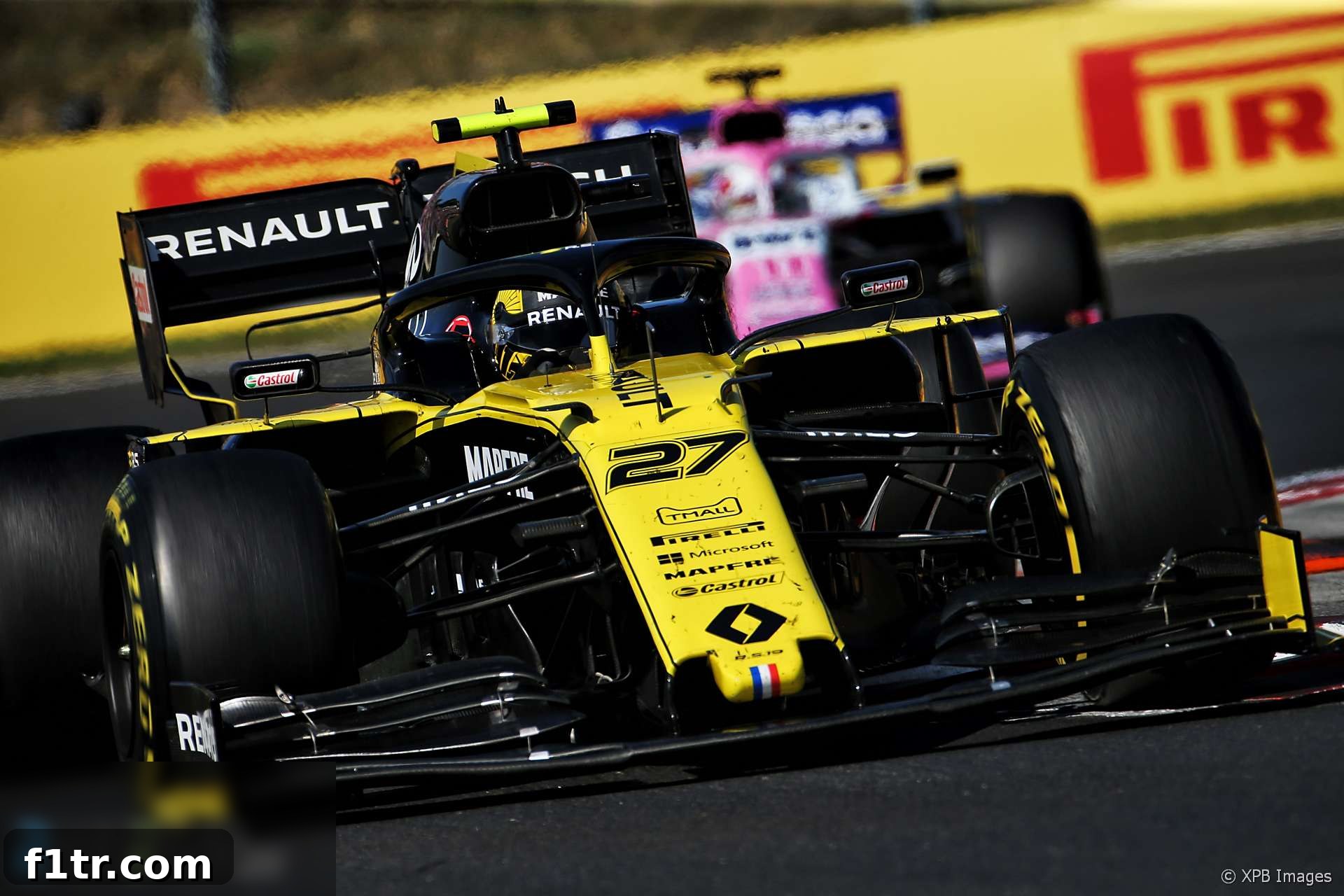
Renault F1’s Alarming Stagnation: Hulkenberg Calls for Serious Introspection
In the unforgiving arena of Formula 1, stagnation is a death knell. For the Renault F1 team, the mid-season reports are less about progress and more about a worrying regression. Veteran driver Nico Hulkenberg has unequivocally stated that the team must confront “serious questions” regarding its alarming lack of advancement over the past 18 months. What began with ambitious projections of bridging the gap to the front-running teams has instead transformed into a desperate fight for relevance, casting a long and concerning shadow over the French constructor’s long-term aspirations in motorsport’s pinnacle.
Renault’s grand return to Formula 1 as a full-fledged factory team was met with considerable enthusiasm and lofty objectives. Their declared intent was not merely to occupy a spot on the grid but to genuinely compete, aiming to challenge the formidable dominance of established giants like Mercedes, Ferrari, and Red Bull. Following a commendable fourth-place finish in the constructors’ championship the preceding year, there was a tangible surge of momentum and optimism. The team, headquartered across technical bases in Enstone (chassis) and Viry-Châtillon (power unit), had channeled significant investment into infrastructure, talent acquisition, and development programs, all meticulously designed for a consistent climb up the competitive ladder. This positive trajectory suggested that the current season would serve as a pivotal stepping stone, solidifying their position among the grid’s elite and bringing them closer to challenging for regular podium finishes. However, the unfolding reality on the racetrack has been a stark and disheartening contrast to these high expectations, painting a vivid picture of a team grappling to find its direction in the relentless pursuit of peak performance.
A Season Defined by Underperformance and Deep-Seated Frustration
The current Formula 1 season has proven to be an exceptionally challenging chapter for Renault, marked by glaring inconsistency and a disheartening regression in competitive standing. As the championship reached its traditional summer break, the team found itself positioned in a disappointing sixth place in the constructors’ standings, a significant fall from the promising fourth-place finish achieved just twelve months prior. This substantial decline is vividly underscored by their points haul: a meager 39 points accumulated across the initial 12 races, representing less than half of the 82 points they had successfully secured at the identical stage in the previous season. This considerable points deficit speaks volumes about their ongoing struggle to consistently extract competitive performance and effectively contend against their rivals, particularly against the likes of McLaren, who have demonstrated remarkable and unexpected improvements this year, effectively leapfrogging Renault.
Nico Hulkenberg, a driver celebrated for his forthright and unbiased assessments, has consistently been at the sharp end of these profound struggles. He openly disclosed that a persistent and costly engine control problem alone accounted for a critical three-tenths of a second per lap during a recent Grand Prix – an absolutely monumental handicap in a sport where outcomes are frequently decided by mere milliseconds. Beyond these specific and identifiable technical glitches, Hulkenberg characterized the car as “quite difficult to drive” on race day, pointing directly to fundamental and pervasive balance issues within the chassis. “Didn’t really feel together at all today so it was fighting the front axle, the rear axle and just didn’t have the pace. With these things you can’t expect too much,” he elaborated with stark honesty, vividly portraying a car that demands constant wrestling and compromise from the driver, rather than facilitating the precise and fluid driving style required for optimal performance. Such candid feedback from an experienced and highly respected driver like Hulkenberg profoundly underscores the deep-seated problems with the R.S.19 chassis or its complex integration with the Renault power unit, detrimentally affecting both their crucial qualifying pace and their essential race endurance over long stints.
Hulkenberg’s Unflinching Call for Comprehensive Internal Review
The German driver did not temper his words when offering his reflections on the team’s overarching trajectory and current predicament. Acknowledging that the season has been “a tough one,” he candidly admitted, “It’s obviously quite below our expectations and our targets.” This sentiment extends far beyond mere disappointment; it signifies a profound and troubling misalignment between the ambitious objectives set by the team and the actual, tangible execution witnessed within the organization. Hulkenberg’s frustration is palpable and resonates deeply, particularly when he highlights the stark imbalance of their experiences: “But there’s been far more lows than highs unfortunately. Not really satisfying.” This candid and critical assessment, originating directly from within the cockpit, serves as an undeniable and stark warning to the senior leadership and technical staff at Enstone and Viry. It unequivocally implies that the current methodologies and developmental approaches are simply not yielding the desired results, and that a fundamental, comprehensive re-evaluation of their entire strategy is not just overdue, but absolutely imperative.
His pointed call for introspection is anything but vague; it represents a direct and potent challenge to the very core of the team’s developmental philosophy and operational methodology. “I think we need to ask ourselves some serious questions and review a couple of things internally,” Hulkenberg urged with a sense of urgency. He specifically honed in on the disheartening lack of tangible impact derived from their extensive development efforts: “how we go about things and where we’ve come the last 18 months with the car. What we’ve been doing and the fact it’s had not that much of an effect.” This extremely critical observation strongly suggests a potential disconnect or inefficiency between the various stages of design, development, and the eventual on-track performance, inevitably raising serious questions about the efficacy of their upgrade strategy, their allocation of precious resources, and ultimately, their overall technical direction. For any Formula 1 team striving for consistent success, the paramount ability to translate complex aerodynamic, mechanical, and power unit advancements into measurable and sustainable lap time improvements is absolutely crucial. Hulkenberg’s comments serve as a clear indicator that Renault is currently struggling immensely in this vital area, with numerous updates seemingly failing to deliver the expected “yield” and, consequently, failing to propel the team “forward” in a truly competitive sense.
The Road Ahead: An Urgent and Comprehensive Strategic Overhaul Is Required
The profound implications of Renault’s ongoing performance crisis resonate far beyond the immediate results of a single season. For a global automotive manufacturer like Renault, which has historically and significantly invested in Formula 1 as a crucial marketing platform and a technological showcase, sustained periods of underperformance can severely erode its global brand image, significantly dampen the morale of its dedicated employees, and potentially deter future talent and valuable sponsorship opportunities. The team’s ambitious project to rejoin the elite echelon of F1 now faces a truly critical juncture. Leadership and key technical personnel will undoubtedly be subjected to intense scrutiny, with pertinent questions arising about the effectiveness of current management structures, technical directives, and overall strategic planning. The pressure to deliver not just visible improvements in the latter half of the current season, but more importantly, to articulate and demonstrate a clear, credible path for sustained future competitiveness, is immense and unavoidable.
The composition of the driver lineup, too, might inevitably come under close examination. While Daniel Ricciardo’s highly publicized and high-value move to Renault was widely perceived as a bold statement of their championship intent, his considerable natural talent has yet to be fully harnessed or realized due to the significant limitations of the car. Nico Hulkenberg’s own future with the team, a topic of ongoing speculation, could very well hinge on the outcomes of these crucial internal reviews and the visible, tangible commitment from the team to decisively rectify the current systemic issues. The competitive landscape of Formula 1 is relentlessly unforgiving; rival teams are in a constant state of evolution and aggressive development, and any team that stagnates risks being permanently left behind. With significant regulatory changes looming on the horizon for future seasons, understanding and effectively addressing the fundamental root causes of their current struggles becomes even more critically important for laying a robust and adaptable foundation for long-term success. Renault’s rich and storied heritage in Formula 1 is undeniable, but legacy alone will not guarantee future triumphs. A swift, decisive, and genuinely effective strategic overhaul is not merely desirable but absolutely imperative to reignite their competitive spirit and to ensure that their presence at the pinnacle of motorsport is not just for participation, but for genuine, consistent contention for victories and championships.
Further Reading: Insights into Formula 1 Challenges
- Team Strategies and Development Challenges in Modern F1
- The Critical Impact of Engine Control Units on Race Performance
- Driver Feedback: How It Shapes F1 Car Evolution and Design
- Understanding Formula 1 Constructors’ Championship Battles
- The Pivotal Role of Factory Teams in Contemporary Motorsport
Explore More F1 Insights and Comprehensive Analysis