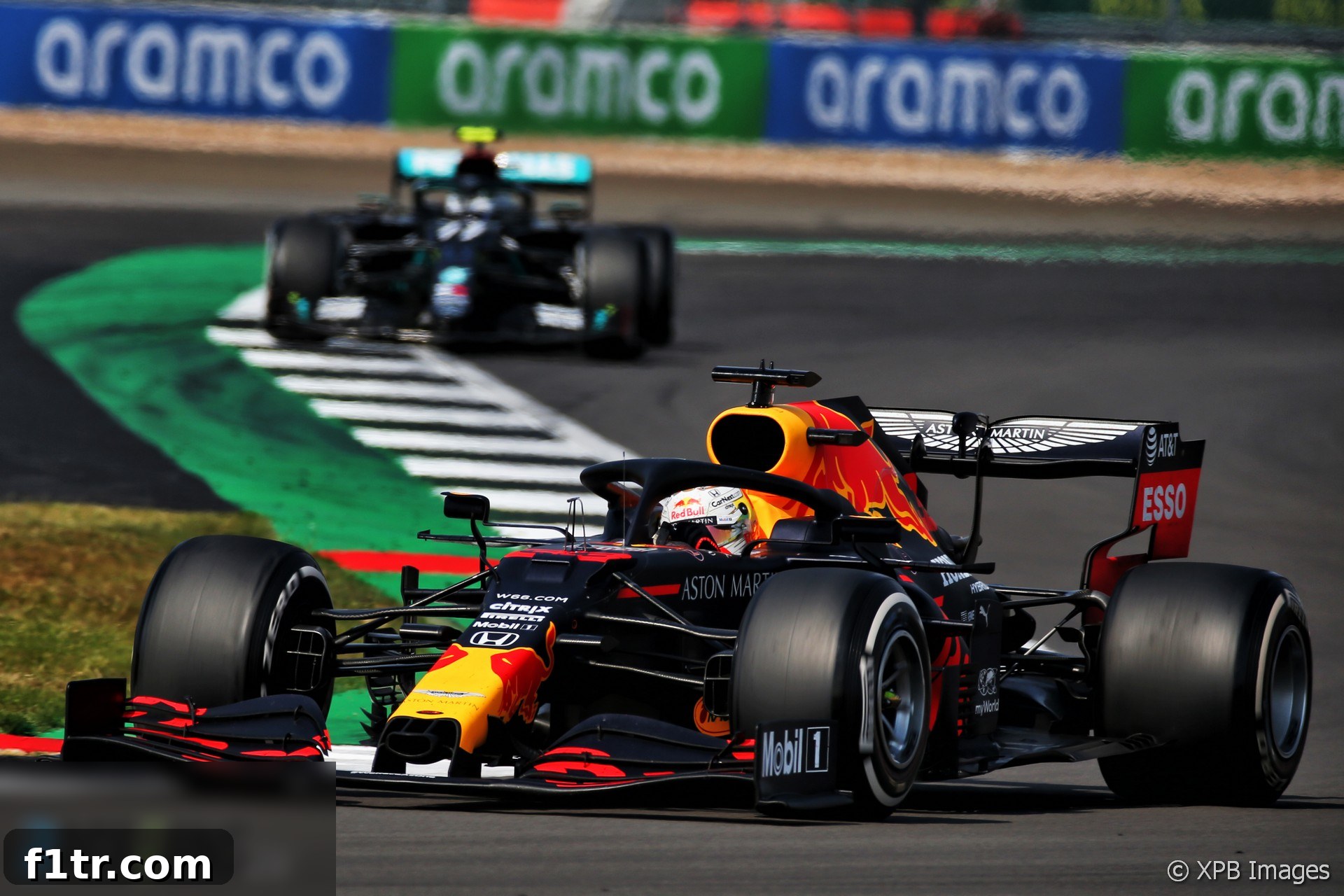
In the high-stakes world of Formula 1, where every fraction of a second can dictate victory or defeat, the aspiration to triumph over the reigning champions is a perpetual driving force. Red Bull Racing, a consistent front-runner and formidable competitor, firmly believes it possesses the acumen and resolve to significantly diminish the performance gap separating it from the dominant Mercedes-AMG Petronas F1 Team, even with the restrictive developmental constraints imposed for the 2021 F1 season. This bold declaration comes directly from team principal Christian Horner, whose unwavering confidence underscores the team’s meticulous preparations and strategic foresight to challenge for the pinnacle of motorsport.
The 2020 season served as a vivid testament to Red Bull’s position as Mercedes’ principal adversary. Despite their relentless pursuit and a series of commendable performances, the team managed to secure only a single victory throughout the championship, courtesy of Max Verstappen’s masterful drive at the 70th Anniversary Grand Prix. This solitary triumph, however, belied the underlying potential and raw speed often displayed by their machinery, particularly in qualifying and on specific track layouts. Reflecting on the campaign, Horner noted a distinct upward trajectory in understanding and improving their car, the RB16, particularly in the latter stages of the season. This progress, stemming from intense data analysis and development work, instills a renewed sense of optimism within the Milton Keynes-based outfit, fueling their championship ambitions for the upcoming calendar year.
Advert | Become a Supporter & go ad-free
“We’ve dedicated extensive resources to diagnose and comprehend the specific challenges that have hindered the RB16’s ultimate performance,” Horner elaborated with conviction. “Our engineering teams, spearheaded by some of the brightest minds in the sport, have been working tirelessly, delving into vast datasets and simulating countless scenarios to pinpoint these intricate issues. We’ve meticulously analyzed everything from aerodynamic balance and tire degradation to car stability in varying conditions. We are now acutely aware of the areas demanding immediate attention and have formulated a clear, multi-faceted roadmap to address them effectively. The strides we’ve made in recent events of the previous season, specifically in improving the car’s predictability and overall handling, have provided invaluable insights. We are confident that through continued intensive off-season development and the strategic application of our resources, we can implement targeted upgrades that will yield tangible improvements to the car’s overall balance, stability, and crucial race pace, making it a more consistent challenger.”
The landscape of Formula 1 regulations underwent a significant, albeit temporary, transformation in response to the global economic uncertainties presented by the COVID-19 pandemic. To mitigate financial burdens on teams and ensure the long-term sustainability of the sport, F1’s governing bodies decided to extend the lifespan of the existing technical regulations for an additional season, effectively postponing the sweeping, revolutionary changes originally slated for 2021 to 2022. This unprecedented measure meant that teams were largely compelled to carry over their 2020 chassis into the 2021 season, restricting wholesale design overhauls. However, to prevent a complete stagnation of development and allow for some strategic evolution and rectification of weaknesses, the governing body introduced a nuanced ‘token’ system. This innovative mechanism provides each team with a finite, predetermined number of development tokens that can be strategically expended to upgrade specific components of their cars. These tokens represent a precious commodity, forcing teams to make critical decisions and prioritize which areas offer the greatest performance gains or address the most pressing weaknesses. For Red Bull, this becomes a crucial strategic puzzle: how to best utilize these limited tokens to overcome the fundamental design challenges of the RB16, enhance its strengths, and most importantly, close the formidable performance gap to Mercedes.
While the anticipation for the radical new technical regulations arriving in 2022 is palpable throughout the paddock, offering a blank slate and a potential reset of the pecking order with vastly different car concepts, Christian Horner remains steadfast in his belief that Red Bull can seize significant opportunities in the interim 2021 season. “Undoubtedly, 2022 represents a monumental, generational opportunity for every team on the grid,” he acknowledged, emphasizing the profound impact of the impending rule changes. “The introduction of entirely new regulations, designed not only to promote closer racing but also to reduce costs and enhance the spectacle, will fundamentally alter the sport’s technical landscape. It’s a chance for every team to start afresh, to interpret the new rulebook in innovative and potentially game-changing ways, and potentially leapfrog their rivals who might have adapted better to the previous era. However, to solely fixate on 2022 would be a disservice to our immediate objectives and our competitive spirit. The reality is that the 2021 cars share a significant amount of DNA with their predecessors from 2020. There are many carry-over components, true. Yet, this doesn’t preclude us from unlocking further, as yet untapped, potential within our current package. If we can refine our understanding, execute a highly effective development program with our allocated tokens, and ensure every component works in perfect harmony, then absolutely, I believe we can substantially narrow that gap to Mercedes and mount a genuine, sustained championship challenge.”
Horner emphatically underscored that Red Bull’s pursuit of excellence is not a unilateral endeavor, confined to a single aspect of their racing package. The synergy between the chassis, aerodynamics, and the power unit is paramount; success in Formula 1 is a testament to holistic engineering. For the Honda-powered team, achieving their championship aspirations demands more than just incremental improvements from their engine supplier. “Success in Formula 1 is never the result of a single brilliant component; it’s an intricate tapestry woven from countless elements working in perfect harmony,” he emphasized with clarity. “It’s about the seamless integration of our chassis design, the aerodynamic efficiency that generates vital downforce, and the raw, reliable power delivered by the engine. It’s a holistic combination, demanding relentless collaboration, constant communication, and an unwavering shared vision between all departments. Our partnership with Honda has deepened significantly over the years, reaching new levels of technical integration and trust, and we share the same ultimate objective: to be the best. I am profoundly confident that by pooling our collective expertise, dedication, and resources, we can collectively achieve our ambitious goals.” This statement highlights the critical importance of a cohesive working relationship between Red Bull’s chassis department in Milton Keynes and Honda’s power unit engineers, where optimizing one aspect cannot come at the expense of another. Every single component, from the smallest bolt to the most complex aerodynamic surface, must contribute optimally to the overall performance envelope.
The prospect of ending Mercedes’ unprecedented era of dominance is a powerful, unifying motivator for Red Bull. Mercedes has enjoyed an unparalleled period of sustained success, securing multiple Constructors’ and Drivers’ Championships consecutively, a feat that has cemented their status as one of the most dominant forces in F1 history, setting new benchmarks for consistency and performance. Their relentless innovation, engineering prowess, and formidable driver line-up have established an extraordinarily high benchmark for the rest of the grid. Yet, Horner, ever the pragmatist and optimist, acknowledged the cyclical nature of sporting supremacy. “Mercedes has experienced an extraordinary period of unparalleled domination,” he reflected thoughtfully. “Their achievements are a testament to their exceptional team, their engineering brilliance, and their unwavering commitment to excellence, which commands respect from all competitors. However, as is the immutable law of sport, all periods of dominance, no matter how profound or enduring, will inevitably draw to a close at some juncture. That is the inherent nature of competition; it’s an undeniable certainty. Our mission at Red Bull is to ensure that we are the team ready, capable, and strategically positioned to usher in that new era.” This perspective underscores not just Red Bull’s ambition, but also the broader narrative of F1, where challengers constantly emerge to test the mettle of champions and push the boundaries of performance.
The 2021 F1 season therefore presented itself as a fascinating, pivotal transitional year. With significant technical carry-over from 2020, but with teams allowed to spend their precious development tokens strategically, the development race was as intense as ever, albeit with different parameters. Red Bull’s challenge was multifaceted: to extract more from a car concept that had its inherent flaws in 2020, while simultaneously making sure their Honda power unit was operating at its absolute peak, maximizing every horsepower. The pressure was immense, not just to challenge Mercedes for race victories, but also to build crucial momentum and a deeper understanding for the radical overhaul of 2022. Every race weekend in 2021 became a critical battleground for incremental gains, for unlocking that elusive potential Horner spoke of. The narrative for the season was set: could Red Bull finally deliver the knock-out blow to Mercedes’ seemingly unbreakable supremacy, or would the Silver Arrows extend their reign for yet another year before the big technical reset of 2022? The world of Formula 1 watched with bated breath, eager to witness if Red Bull’s collective efforts, strategic token usage, and their renowned aggressive development ethos would indeed allow them to close the gap and emerge as true, undisputed championship contenders, writing a new chapter in the sport’s storied history.
Advert | Become a RaceFans supporter andgo ad-free
2020 F1 Season: A Look Back and Forward
While the immediate focus of Red Bull Racing and the Formula 1 world swiftly transitioned to the challenging prospects of the 2021 season, understanding the context and lessons learned from the 2020 season remained absolutely crucial. The preceding year provided invaluable insights and laid the indispensable groundwork for the strategic decisions being made for the subsequent campaign. The team’s performance, particularly Max Verstappen’s often heroic individual efforts and standout moments, showcased the car’s formidable potential on certain track configurations, while simultaneously exposing its inherent vulnerabilities and inconsistencies on others. Analyzing these past performances meticulously is key to identifying the precise areas where the limited development tokens for 2021 could be most effectively and strategically applied to maximize impact. This iterative process of relentless learning, continuous adaptation, and innovative problem-solving is not merely a component, but rather the very beating heart of Formula 1, driving every team forward in their relentless pursuit of ultimate performance.
- Grosjean to make F1 test return tomorrow for first time since Bahrain horror crash
- Pictures: Wrecked chassis from Grosjean’s Bahrain fireball crash to go on display
- Bottas vs Rosberg: Hamilton’s Mercedes team mates compared after 78 races each
- F1 revenues fell by $877 million in Covid-struck 2020 season
- Hamilton and Mercedes finally announce new deal for 2021 season
Browse all 2020 F1 season articles