Red Bull Denies Budget Cap Breach Amidst FIA Investigation for 2021 Season
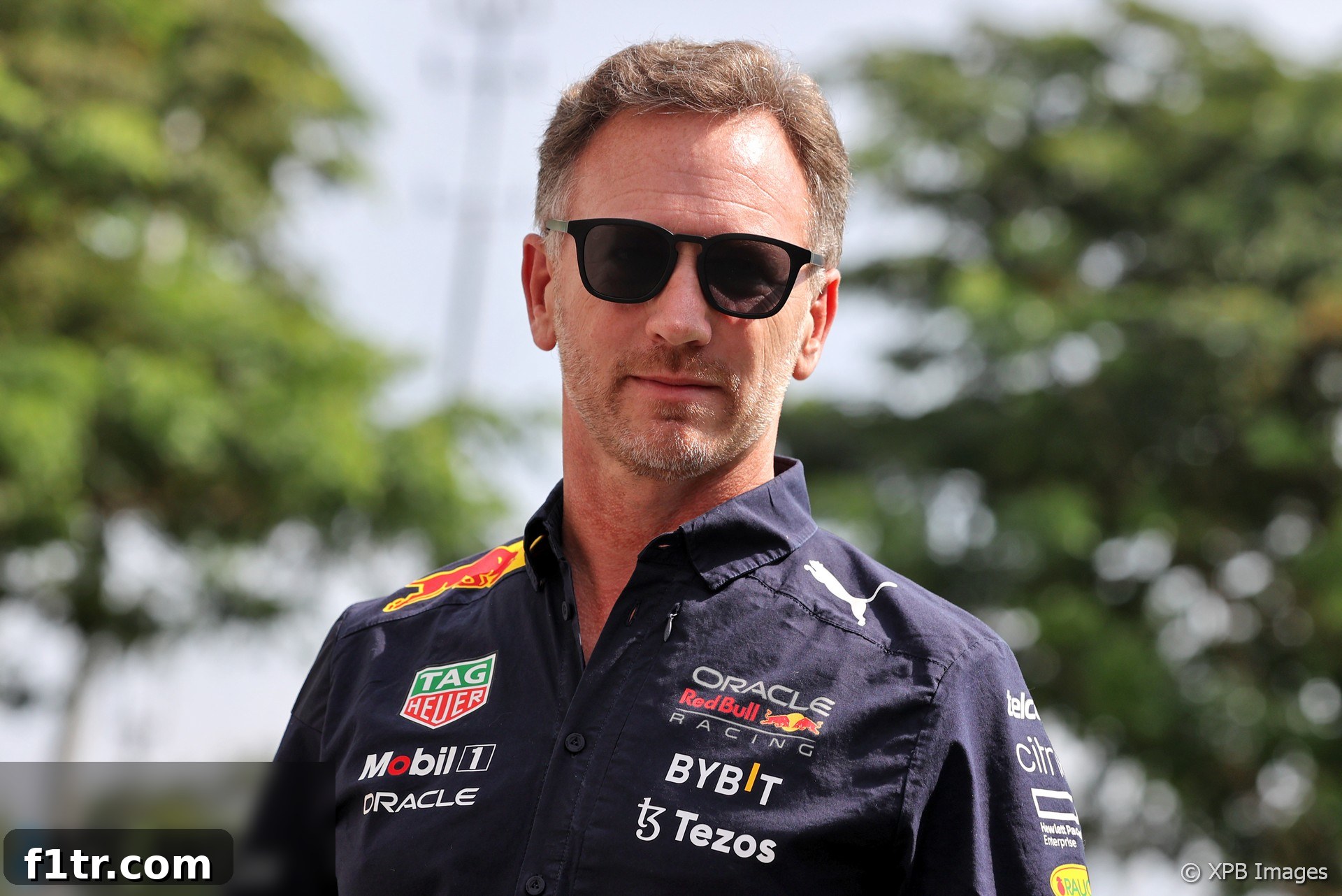
In a period of intense speculation and heightened scrutiny, Red Bull Racing Team Principal Christian Horner has unequivocally stated that his team operated strictly within the financial limits set by the FIA during the pivotal 2021 Formula 1 season. This strong denial comes as the motorsport world anticipates an imminent announcement from the FIA regarding its audit of team spending, with multiple reports suggesting that at least two teams, including Red Bull, may have exceeded the inaugural $145 million budget cap.
The 2021 season was a defining year for Formula 1, marking the introduction of the sport’s first-ever cost cap designed to promote financial sustainability and foster a more competitive environment. It was also the year that saw Max Verstappen clinch his maiden world championship in a fiercely contested battle. The outcome of the FIA’s investigation is therefore not just a matter of compliance; it is a critical test for the credibility of the new financial regulations and, by extension, the integrity of recent championship outcomes.
Christian Horner’s Firm Stance on Budget Compliance
Addressing the swirling rumors directly, Christian Horner maintained a resolute and confident front. “We are certainly not aware of any breaches of the cap,” Horner asserted, directly refuting the widespread claims. This declaration underscores a strong belief within the Red Bull camp regarding the accuracy and compliance of their financial submissions for the period under review.
Horner elaborated on the exhaustive audit process that has been underway for months. He confirmed that Red Bull’s comprehensive financial accounts were submitted to the FIA back in March, initiating a meticulous and protracted review by the sport’s governing body. “It’s been a long process with the FIA, going through and we’re in that process as we speak, so they’re rightly following that process,” he told Sky Sports. The highly anticipated revelation of the FIA’s assessment, which will include the issuance of compliance certificates to each team, is now slated for mid-next week. Horner expressed unwavering confidence, stating, “I think that certainly our submission was below the cap and it’s down to the FIA, obviously, to follow their process, which they’re currently doing.”
The Red Bull principal highlighted that this rigorous financial oversight applies to every competitor on the grid. “Every team, theoretically, is subjected to it so they will have looked at every team’s submitted account,” he explained. Horner also acknowledged the sheer scale and complexity of the audit, which has contributed to several postponements of the announcement date. “They’re following a process and that conclusion date has been moved from July to September now to October but it’s a big job. It’s a lot for them to get through.” This lengthy and intricate process underlines the challenges inherent in scrutinizing the vast expenditures of top-tier motorsport teams.
Understanding the FIA’s Financial Regulations and Potential Penalties
The introduction of the budget cap was a monumental step for Formula 1, envisioned as a tool to create a more equitable and financially sustainable future for all teams. To ensure adherence, the FIA’s Financial Regulations are painstakingly detailed, outlining not only the spending limits but also a graduated system of penalties for any transgressions. These regulations broadly categorize breaches into two distinct types: minor and major.
A “minor breach” is defined as an infringement where a team exceeds the cost cap by less than 5% of the total limit. While this might seem like a small percentage, even a minor deviation can carry significant repercussions. The potential penalties for a minor breach are varied and can include a public reprimand, a deduction of constructors’ or drivers’ championship points, suspension from certain sessions, limitations on future cost cap allowances, or even restrictions on aerodynamic testing. The specific penalty is at the discretion of the FIA, taking into account the nature, extent, and circumstances of the breach. The severity of these potential sanctions for even a minor breach underscores the FIA’s commitment to upholding the integrity of the financial framework.
Conversely, a “major breach” is incurred when a team surpasses the cost cap by 5% or more. The penalties for such an infraction are designed to be far more severe and impactful. These can range from substantial points deductions in both the constructors’ and drivers’ championships to exclusion from a championship, or in extreme cases, a complete ban from the sport for a specified period. The FIA’s steadfast resolve to enforce these rules means that any confirmed major breach would likely result in an exemplary and decisive punishment. Such a response would not only reinforce the seriousness of the regulations but also establish a crucial precedent for future compliance across the paddock. The very existence of these stringent penalties highlights the critical importance the FIA places on financial accountability within Formula 1.
Navigating a Nascent System: Challenges of Interpretation and Application
Horner also acknowledged the inherent complexities and learning curve associated with implementing an entirely new regulatory framework. “Inevitably it’s a brand new set of regulations and a set of very complicated regulations,” he commented. The intricacy stems from the diverse and substantial expenditures of Formula 1 teams, which encompass everything from cutting-edge car development and intricate manufacturing processes to vast operational costs, extensive personnel salaries, and global logistical challenges. The interpretation and practical application of these novel rules have naturally led to varying perspectives among the teams and the FIA itself.
“How rules are interpreted and applied, inevitably you’re going to be subjected between the teams. I’m sure as the years go by things will get tidied up but we’re confident in our submission and as I said the FIA are in a process,” Horner explained. He drew parallels between the current process and a standard financial audit, while also acknowledging its unique and bespoke nature tailored specifically for Formula 1. The Red Bull principal further highlighted the dynamic and evolving nature of the system, noting, “Clarifications have been coming even after the submissions were made so you can see how immature the process is. But the FIA obviously been working hard on it and doing the best they can.” This statement indicates that while the regulatory framework is robust, it is still undergoing refinement as both the teams and the governing body accumulate more experience and insights from its real-world application.
Broader Implications for Formula 1’s Future and Credibility
The impending outcome of the FIA’s investigation into the 2021 budget cap breaches transcends mere financial compliance for specific teams; it represents a pivotal moment and a critical litmus test for the overarching direction and long-term integrity of Formula 1. The budget cap was introduced with ambitious objectives: to cultivate a more financially sustainable ecosystem within the sport, mitigate the historical dominance often afforded by unlimited spending, and ultimately promote closer, more unpredictable racing on track. Should these regulations be found to have been violated, especially by a championship-winning team, the ramifications could be profound and far-reaching.
A perceived failure to effectively enforce the budget cap could significantly undermine its fundamental purpose, potentially eroding trust among competing teams and damaging the credibility of the FIA as the sport’s governing body. As one rival team principal famously remarked, it would be “game over” for the budget cap initiative if its inaugural, vital test of compliance is not met with strict and unwavering enforcement. All stakeholders within the sport, from the teams and drivers to the global fan base and commercial partners, are intently watching. The FIA’s forthcoming decision will not only set a crucial precedent but also unequivocally demonstrate the seriousness with which it intends to uphold the principles of this new financial era in Formula 1.
The global appeal and immense popularity of Formula 1 are intrinsically linked to the perception of fair and honest competition. Any suggestion that a team gained an unfair competitive advantage through financial overspending could severely tarnish the sport’s esteemed image and diminish the perceived value and legitimacy of its championships. Consequently, the FIA is operating under immense pressure to conduct a thorough, transparent, and impartial investigation, clearly communicate its findings to the public, and, where necessary, implement penalties that are both proportionate to the infringement and sufficiently deterrent to prevent future breaches. The future health and competitive balance of Formula 1 depend on it.
The Road Ahead: Awaited Declarations and Potential Scenarios
As the motorsport community collectively awaits the official word, the focus remains squarely on the FIA’s impending announcement. Christian Horner has consistently reiterated Red Bull’s unwavering confidence in their 2021 spending submission. “Anything different to that then we’ll wait to hear from the FIA,” he stated, indicating the team’s preparedness to address any potential discrepancies or challenges should they arise from the governing body’s findings.
The possible scenarios following the FIA’s declaration are numerous and carry significant weight. Should Red Bull and any other implicated teams be cleared of wrongdoing, it would undoubtedly reinforce the legitimacy and effectiveness of the budget cap process, at least for its foundational year, and help to quell concerns surrounding the integrity of the 2021 championship outcome. However, if breaches are indeed confirmed, particularly a “major breach,” Formula 1 will face a profound and complex challenge. The task will be to determine appropriate sanctions that not only satisfy the fundamental spirit and letter of the regulations but also preserve the sport’s integrity without causing undue disruption to its competitive landscape. The absolute transparency and fairness of this entire process are paramount, as the future trajectory and robust health of Formula 1’s innovative financial framework largely hinge on its success.
Related Formula 1 Insights and News
- How many victory chances did Hamilton have in his first winless F1 season?
- Alfa Romeo expect another step from Zhou after confirming 2023 deal
- Closest three-team pole fight for almost 20 years in Singapore
- F1 teams back race control’s decisions on delayed start and DRS activation
- It’s “game over” if F1 fails first “vital test” of budget cap rules – Ferrari
Browse more Formula 1 articles related to the 2022 season