Honda’s Pivotal Formula 1 Return: A Strategic Reversal Challenging Past Criticisms
In a declaration that sent ripples across the global motorsport landscape, Honda’s esteemed global CEO, Toshihiro Mibe, officially announced the Japanese manufacturer’s much-anticipated return to Formula 1, slated to commence with the radical new technical regulations of the 2026 season. This significant announcement marks a profound strategic reversal for the automotive giant, especially noteworthy given its relatively recent and widely debated departure from the pinnacle of motorsport just over a year and a half ago, at the close of the 2021 championship season.
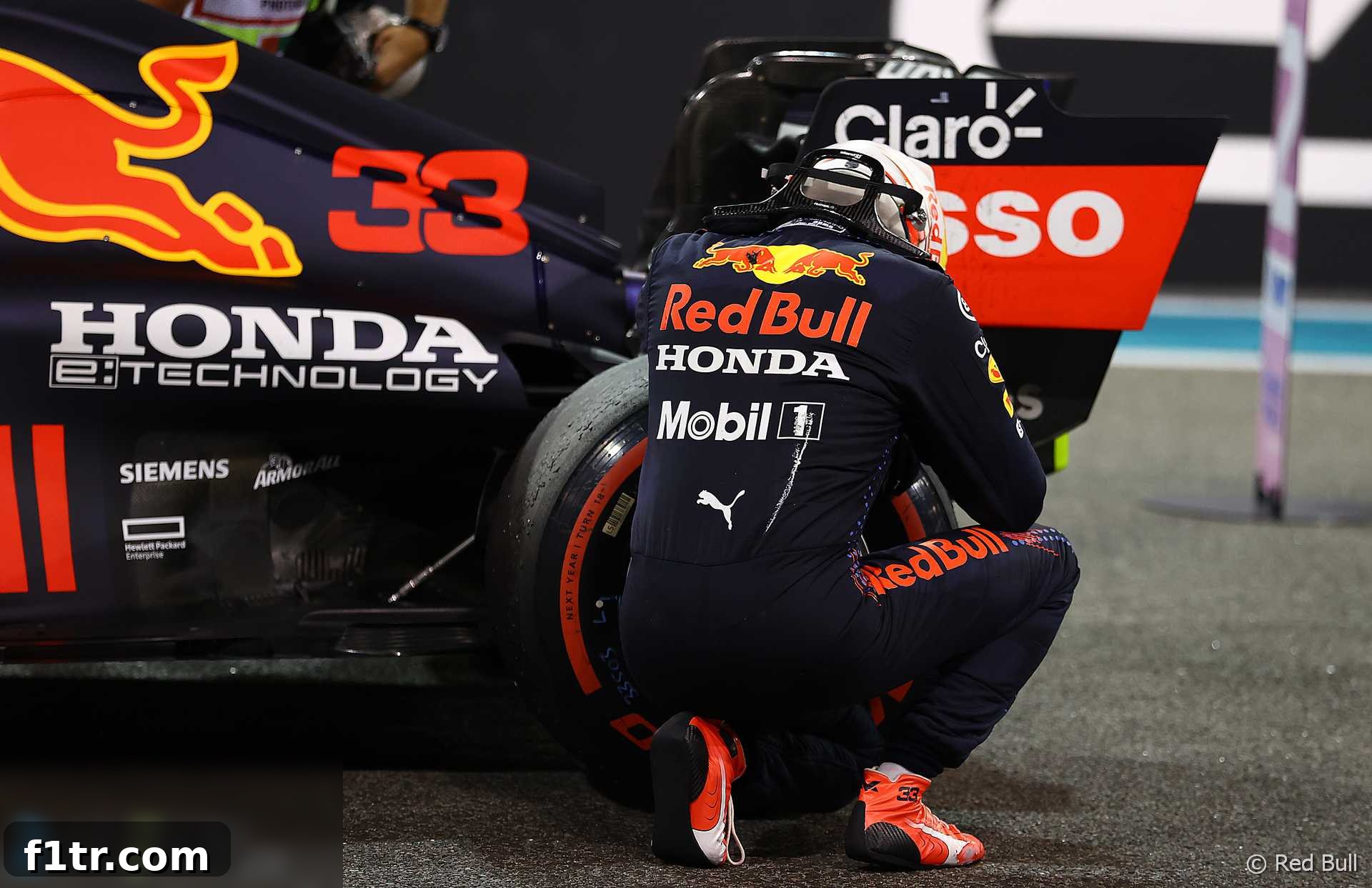
Addressing the assembled media, Mibe candidly reflected on the “difficult” decision made in 2020 to sever its primary ties with Red Bull Racing. This decision, which took full effect following the 2021 championship, attracted considerable debate and sharp criticism from fans and pundits alike. The controversy only intensified as Red Bull, utilizing Honda-developed power units (initially under the Honda brand and later as Red Bull Powertrains with ongoing Honda Racing Corporation support), went on to dominate Formula 1 for the subsequent two seasons. The profound irony was unmistakable: Honda withdrew from the sport at the very moment Max Verstappen clinched his maiden world title with their engine, setting the stage for an era of unprecedented success.
The Initial Departure: A Strategic Pivot Towards Carbon Neutrality
Recalling the contentious 2020 withdrawal announcement, Mibe acknowledged the intense public backlash. “In 2020, when we announced our decision to conclude our F1 participation, we received a variety of harsh feedback from members of the media and our fans,” he stated. He underscored that it was an “agonising but necessary decision” for Honda, fundamentally driven by the company’s ambitious, overarching global initiatives aimed at achieving carbon neutrality. At that time, Formula 1’s long-term environmental roadmap was still evolving and less explicitly defined, and the perceived escalating costs of remaining deeply embedded in the sport seemed, to Honda, to be at odds with its burgeoning corporate sustainability agenda and investment priorities.
This internal strategic pivot towards aggressive carbon neutrality goals, Mibe affirmed, “has produced the desired effect within our company,” fostering crucial internal alignment and accelerating investment in cutting-edge sustainable technologies across Honda’s diverse product portfolio. He also took the opportunity to extend heartfelt gratitude to the legions of passionate racing fans, whose unwavering excitement and profound support for Honda’s F1 activities have consistently served as a profound source of motivation. The company now pledges to redouble its efforts, striving to respond to their cheers and exceed their expectations with its revitalized commitment to Formula 1 and its future endeavors.
The Swift U-Turn: Was the Criticism Ultimately Justified?
Honda’s rapid reversal is undeniably a striking and significant event. Less than two years after its formal departure, the company has not only decided to rejoin the fray but has already initiated the intensive development of a new power unit specifically tailored for the groundbreaking 2026 regulations, forging a high-profile partnership with the ambitious Aston Martin F1 team. This swift U-turn inevitably sparks a critical and often debated question: did Honda make a fundamental strategic error by leaving the sport in the first place? And, by extension, was the “harsh” criticism it faced in 2020 and 2021 ultimately vindicated by subsequent events?
It is certainly tempting, in retrospect, to criticize Honda’s decision, particularly given the extraordinary and sustained success Red Bull Racing achieved immediately following the announcement of their withdrawal and especially after their official exit. However, it is crucial to consider the prevailing context at the exact moment of their departure announcement. When Honda first communicated its decision to pull out of F1 on October 2nd, 2020, its V6 hybrid turbo engines had propelled cars to a modest five Grand Prix victories under the current regulations. While promising, this record was a significant distance from the staggering 39 wins they would eventually accumulate by the conclusion of their indirect involvement with Red Bull.
At that specific juncture in 2020, the impending torrent of victories that was about to dramatically unfold was far from a certainty. Pierre Gasly’s memorable triumph at the Italian Grand Prix, Honda’s most recent success at the time, was partly aided by fortuitous circumstances, including a timely red flag intervention. While Red Bull-Honda had demonstrably emerged as Mercedes’ closest challenger, successfully displacing the dominant Silver Arrows as F1’s unequivocally leading team still appeared to be a formidable, if not improbable, undertaking. In hindsight, many seasoned observers argue that the Japanese manufacturer might have too lightly dismissed a burgeoning partnership that was, unbeknownst to them, truly on the precipice of achieving unparalleled greatness.
Honda’s F1 Odyssey: A Pattern of Entrances and Exits
Honda’s enduring relationship with Formula 1 has been nothing short of an odyssey, marked by a unique and often perplexing pattern of multiple entries and exits that have profoundly shaped its distinct legacy within the sport. Few, if any, manufacturers have demonstrated such a fluctuating yet passionate commitment. Its initial foray into F1 as a pioneering full works team in the 1960s was followed by a withdrawal, only to make a triumphant return as a formidable engine manufacturer in the 1980s and early 1990s. This era famously saw Honda power McLaren to an astonishing string of world championships with legendary drivers like Ayrton Senna and Alain Prost, an achievement that indelibly etched its name into F1 folklore as a dominant engineering force. This “golden period” unequivocally showcased Honda’s extraordinary technological prowess and cemented its global reputation for excellence.
After another departure, Honda once again returned as an engine supplier in the early 2000s, eventually establishing a full works team again. However, this second full team attempt proved to be short-lived, lasting a mere three tumultuous years before yet another unexpected withdrawal. Adding a layer of irony, Honda left behind a highly competitive car that, under the stewardship of Brawn GP and powered by Mercedes engines, went on to sweep both the drivers’ and constructors’ championships. This laid crucial groundwork for Mercedes’ subsequent decade of unparalleled dominance. This recurring pattern of investing heavily, achieving varying degrees of success, withdrawing, and then eventually returning, has become a defining, albeit sometimes enigmatic, characteristic of Honda’s intricate journey through Formula 1.
The McLaren Misery and the Red Bull Redemption Arc
Honda’s most recent chapter in F1 before its 2021 departure commenced in 2015, a much-hyped reunion with McLaren aimed at rekindling the glory of their iconic 1980s partnership. However, this eagerly anticipated collaboration proved to be largely disastrous, plagued by chronic engine unreliability and a significant, persistent performance deficit in the new V6 hybrid turbo era. Three utterly miserable seasons culminated in a highly publicized and humiliating divorce, leaving both parties bruised, frustrated, and openly critical of each other’s contributions. The profound failure of this partnership was a monumental blow to Honda’s esteemed pride and its formidable reputation for engineering excellence.
Further setbacks followed when a proposed engine supply deal with the Sauber team was unceremoniously canceled due to an unexpected change in the team’s management structure. It was only after a year of supplying engines to the junior Toro Rosso team (now rebranded as AlphaTauri), during which Honda painstakingly demonstrated gradual yet significant improvements in both performance and crucial reliability, that Red Bull Racing became genuinely convinced of Honda’s underlying potential. This display of patience, coupled with relentless engineering refinement, ultimately began to pay dividends.
The new and promising alliance with Red Bull Racing began in 2019, quickly delivering a breakthrough victory at the Red Bull Ring, which was the first of three impressive wins that season. As Ferrari endured a particularly dire and uncompetitive 2020 campaign, Red Bull-Honda solidified its position as Mercedes’ closest, albeit still geographically distant, challenger. On the very day Honda officially announced its impending withdrawal, Red Bull’s overall points tally was little more than half of Mercedes’ formidable total for that season, clearly underscoring the prevailing perception of a significant and challenging performance gap between the two top teams.
The Post-Departure Dominance and Lingering Strategic Questions
However, the tide swiftly turned in Red Bull’s favor. A subtle yet impactful aerodynamic rules tweak introduced for the 2021 season unexpectedly hit Mercedes particularly hard, dramatically catapulting Max Verstappen into an intense and fiercely contested championship battle with the legendary Lewis Hamilton. Verstappen ultimately prevailed in deeply contentious circumstances, placing Honda in the profoundly peculiar and unprecedented position of celebrating a hard-fought world championship triumph just as they were preparing to formally exit the sport. The highly symbolic spectacle of Honda logos returning to the Red Bull cars’ engine covers, even in an indirect capacity through Honda Racing Corporation, as the team rapidly transformed into F1’s dominant force, vividly highlighted the bittersweet and perplexing nature of their departure.
Following Formula 1’s comprehensive regulations reset for the 2022 season, Red Bull initially required a few months to fully find their stride and adapt, having poured immense resources and development effort into the previous year’s championship fight. Yet, they soon emphatically rediscovered their unparalleled pace and competitive edge, arguably further aided by their 2021 budget cap overspend (the penalty for which, a reduction in aerodynamic testing allowance, continues to be judiciously meted out). Since then, Red Bull has established an unprecedented and overwhelming era of dominance, clinching an astonishing 15 of the last 16 races at the time of writing. This prolonged, virtually unchallenged period of success undeniably underpins and amplifies the lingering questions surrounding the wisdom of Honda’s original decision to withdraw.
In Honda’s defense, it is imperative to remember the precise timing and prevailing context of their departure. Much of Red Bull’s subsequent, record-breaking success truly materialized *after* Honda’s official withdrawal announcement. Furthermore, Honda had invested absolutely enormous sums of money into the costly, relentless, and unforgiving development race for its F1 engines. In 2020, this high-stakes program was still demanding substantial and ongoing financial resources that the manufacturer urgently intended to reallocate towards its critical carbon neutrality initiatives and other core research and development priorities. It was only *after* Honda’s exit that F1 teams collectively agreed to a landmark freeze on power unit development, a pivotal and game-changing rule change that ironically made remaining in the series significantly more attractive and, crucially, far more financially viable. This decision to freeze development effectively capped the spiraling costs that had previously been a major deterrent for manufacturers like Honda.
The Hasty Exit and the Challenging Road Ahead
Even when carefully considering these mitigating factors, Honda’s 2020 decision to withdraw from Formula 1 still appears remarkably hasty in retrospect. Having only collaborated with Red Bull for less than two years, they had already made considerable, demonstrable strides in dramatically improving their competitiveness. Five Grand Prix victories over two short years represented a monumental improvement compared to their previous often-struggling efforts in the V6 hybrid turbo era, raising a pertinent and critical question: what magnitude of gain or level of success was truly deemed necessary to prevent their premature departure from the pinnacle of motorsport?
As Honda meticulously prepares to embark on its latest, highly anticipated return to Formula 1 in 2026, forging a new and promising alliance with the ambitious Aston Martin F1 team, the global automotive world watches with keen interest and anticipation. The fundamental challenge for Honda extends far beyond merely producing a competitive and reliable power unit. The ultimate and defining test will be whether they can finally rediscover and, more importantly, sustain the enduring “staying power” and unwavering commitment that so powerfully defined their legendary golden period more than three decades ago. Their complex history in Formula 1 is one of brilliant engineering peaks intertwined with perplexing withdrawals; this time, the profound aspiration must unequivocally be for sustained excellence, unwavering commitment, and an enduring presence in a sport that so often brings out the very best, and sometimes the most strategically puzzling, in its dedicated participants.
Related Articles: The 2023 F1 Season
- FIA president cleared of alleged interference in two 2023 races
- First week viewing figures for new Drive to Survive season fall again
- Max who? Drive to Survive season six prefers its favourite faces
- RaceFans’ complete 2023 season review
- The F1 drivers who pulled off the 10 biggest charges through the field in 2023
Browse all 2023 F1 season articles