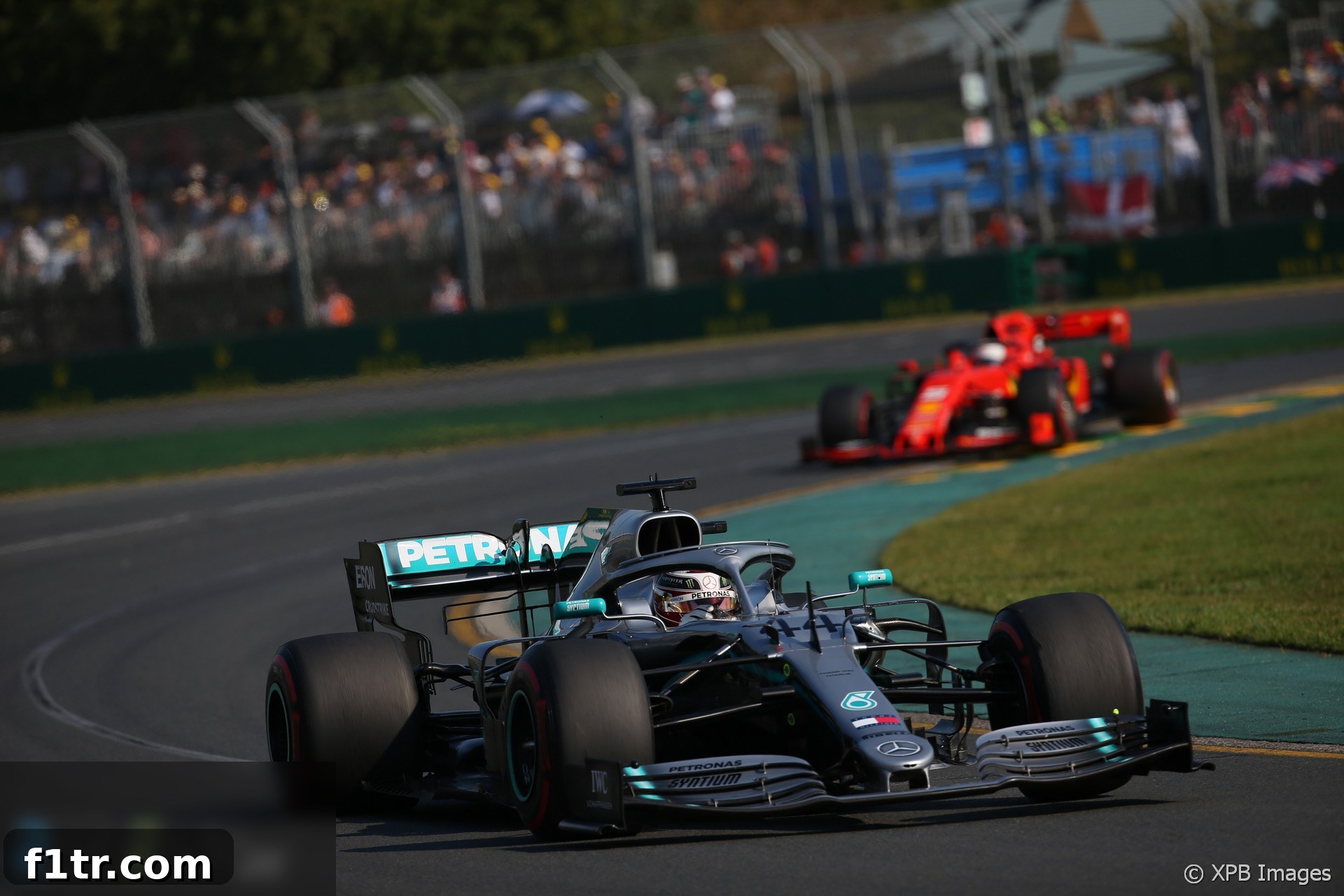
The iconic Albert Park circuit in Melbourne, renowned for hosting the opening round of the Australian Grand Prix, faced a significant debate regarding its future as plans emerged for its first resurfacing since its debut on the Formula 1 calendar in 1996. This potential overhaul sparked a lively discussion among drivers, circuit management, and fans alike, raising questions about track character, safety, and the very essence of what makes a Grand Prix circuit truly special.
For over two decades, the Albert Park track has been synonymous with the start of the F1 season, challenging drivers with its unique semi-permanent layout and famously bumpy surface. These characteristics, while sometimes criticized for not offering endless overtaking opportunities, have long been cherished by many as integral to the circuit’s identity. The prospect of a new, smoother surface, while promising improved lap times and potentially reduced wear and tear on cars, threatened to erase some of these beloved quirks.
Drivers Weigh In: The Importance of Track Character
Leading the vocal opposition to the resurfacing plans were two of Formula 1’s most decorated drivers, Lewis Hamilton and Sebastian Vettel. Both champions expressed their strong preference for the circuit to retain its existing condition, highlighting the raw challenge it presents.
Lewis Hamilton, a multiple world champion, articulated his appreciation for the track’s unaltered state. “I like the track the way it is,” said Hamilton, emphasizing the punitive nature of the current layout. “I think it’s a great circuit because there are not particularly massive run-off areas. If you put a wheel wrong, it generally does bite you which is great and how it should be.” His comments underscore a desire for circuits that genuinely test a driver’s precision and commitment, where mistakes carry significant consequences rather than allowing for easy recovery on vast asphalt run-off zones.
Hamilton further elaborated on the unique feel of Albert Park, pinpointing the very element many circuit designers strive to eliminate: the bumps. “The bumps are part of the character of what Melbourne is so if you were to iron those out it would lose a lot. It does make it trickier for us but that’s a part of it, you need that. I don’t like these circuits which are super-flat and super-smooth, don’t cause us troubles.” This sentiment reflects a broader debate within F1 regarding the homogenization of tracks, with many drivers and purists yearning for circuits with distinctive features that demand adaptability and skill.
Sebastian Vettel, a four-time world champion, echoed Hamilton’s feelings, adding his voice to the chorus of drivers keen to preserve the circuit’s historical texture. “I hope they don’t resurface it because it’s part of the character of this track,” Vettel stated simply, yet firmly. His remarks reinforce the idea that bumps and imperfections are not merely flaws but rather intrinsic components that contribute to a track’s personality, making each Grand Prix a unique challenge and a memorable spectacle for both competitors and fans.
Circuit Management’s Perspective: Balancing Tradition and Modernization
Despite the strong opinions from the F1 paddock, the Albert Park circuit’s chief executive, Andrew Westacott, indicated that a resurfacing was indeed on the horizon. Westacott’s comments to The Age revealed a pragmatic approach, focusing on the long-term viability and continuous improvement of the facility.
“We will have to get the report back from Michael Masi, but I think we will be resurfacing in the next year or two,” said Westacott. This statement suggested that the decision was not arbitrary but would be heavily influenced by expert recommendations. The timing of the potential resurfacing was earmarked for either the 2020 F1 season or the year immediately following, demonstrating a commitment to modernizing the circuit for the demands of contemporary Formula 1 racing.
The move to resurface a track, particularly one that has hosted F1 for such an extended period without significant changes to its asphalt, is typically driven by several factors. Primary among these are safety concerns, evolving FIA standards, and the desire to provide an optimal racing surface. Over time, tarmac degrades due to weather, continuous use by various racing series, and general wear, leading to cracks, unevenness, and reduced grip. While these imperfections can add “character,” they can also pose safety risks and impact performance predictability, particularly for the high-downforce, high-speed machines of Formula 1.
The Influence of the Race Director: Michael Masi’s Role
A critical element in the decision-making process for track modifications, especially regarding safety and compliance, rests with the FIA Race Director. Andrew Westacott specifically referenced the need to await a report from Michael Masi, who had recently stepped into the demanding role of F1 Race Director following the sudden and tragic passing of Charlie Whiting just prior to the 2019 Australian Grand Prix.
Charlie Whiting was a revered figure in Formula 1, serving as Race Director since 1997. His vast experience and deep understanding of track safety, regulations, and driver feedback made him an indispensable arbiter in such matters. Michael Masi, stepping into these very large shoes, was tasked with continuing Whiting’s legacy while navigating the evolving landscape of F1. His assessment of the Albert Park circuit, particularly regarding its surface integrity and its suitability for future F1 events, would carry significant weight. The Race Director’s report would likely detail observations on surface quality, drainage, potential hazard areas, and compliance with the latest FIA Grade 1 circuit requirements, all of which are crucial for ensuring the safety of drivers and the integrity of the racing.
The Impact of Resurfacing on Albert Park and F1 Racing
A complete resurfacing of the Albert Park circuit would undoubtedly bring about a noticeable transformation. A new, smoother asphalt layer would likely result in increased grip, leading to faster lap times and potentially placing different demands on tire compounds. While this could enhance outright speed, it also has the potential to alter the racing dynamics. The “character-building” bumps that Hamilton and Vettel appreciate often make the cars squirm, requiring precise handling and sometimes inducing mistakes that can lead to overtakes or dramatic moments.
A perfectly smooth surface, while offering consistency, might reduce some of the inherent challenges, potentially making the circuit feel less distinctive. However, from a technical perspective, a new surface often provides a more consistent and predictable grip level across the entire track, which can be beneficial for setup and strategy. It also generally improves drainage, reducing the likelihood of standing water in wet conditions and enhancing safety.
The debate surrounding Albert Park’s resurfacing highlights a perennial tension in Formula 1: the balance between preserving the unique challenges and traditions of historic circuits versus the continuous push for modernization, safety, and performance. While drivers often champion the raw, unadulterated feel of older tracks, circuit organizers and the FIA have a responsibility to ensure facilities meet the highest contemporary standards.
Albert Park’s Enduring Legacy and Future
Albert Park has cemented its place as a cornerstone of the Formula 1 calendar, often delivering unpredictable races and unforgettable moments right at the start of each season. Its picturesque setting, combined with the challenging nature of a semi-street circuit, has captivated audiences for decades. The decision to resurface, while a practical necessity in the eyes of the circuit management, represented a pivotal moment in the evolution of this beloved track.
Ultimately, the goal is to enhance the racing spectacle while maintaining the essential spirit of the circuit. Whether the resurfacing would lead to a more exciting Australian Grand Prix or temper some of its renowned unpredictability remained a key question. As Formula 1 continues to evolve, the delicate act of balancing heritage with progress will always be at the forefront of circuit development and management, ensuring that iconic venues like Albert Park continue to deliver world-class motorsport for generations to come.
Related Articles: 2019 F1 Season
- Crying in the Melbourne car park at 2019 grand prix was my career low – Ocon
- McLaren Racing reports reduced £71 million loss in 2019
- Kvyat: Hockenheim podium last year was “my biggest achievement” so far
- How the FIA’s new encrypted fuel flow meter targets Ferrari’s suspected ‘aliasing’ trick
- “He smashed my office door”: 23 must-see moments from ‘Drive to Survive’ season two
Browse all 2019 F1 season articles