Lewis Hamilton’s Tumultuous 2016: Overcoming Adversity and a Fierce Championship Battle
The year 2016 was undeniably one of the most challenging seasons in Lewis Hamilton’s illustrious Formula 1 career. Not only did the British driver face an intense, season-long battle for the championship crown against his Mercedes teammate Nico Rosberg, but he also navigated a series of deeply personal struggles and observed significant global events that colored his perspective. As the season finale in Abu Dhabi loomed, Hamilton articulated a profound sense of relief at the prospect of putting 2016 behind him, a year he openly described as “pretty terrible” for various reasons.
A Season Marred by Challenges: Lewis Hamilton’s 2016 Odyssey
For a driver of Hamilton’s caliber, accustomed to sustained success and often dominating performances, 2016 presented a stark contrast. While his on-track prowess was undeniable, securing more wins and poles than any other driver, a series of mechanical misfortunes and strategic missteps often put him on the back foot. However, the pressures he faced extended far beyond the confines of the racetrack, intertwining with global political shifts and profound personal loss.
Global Turmoil and Personal Tribulations
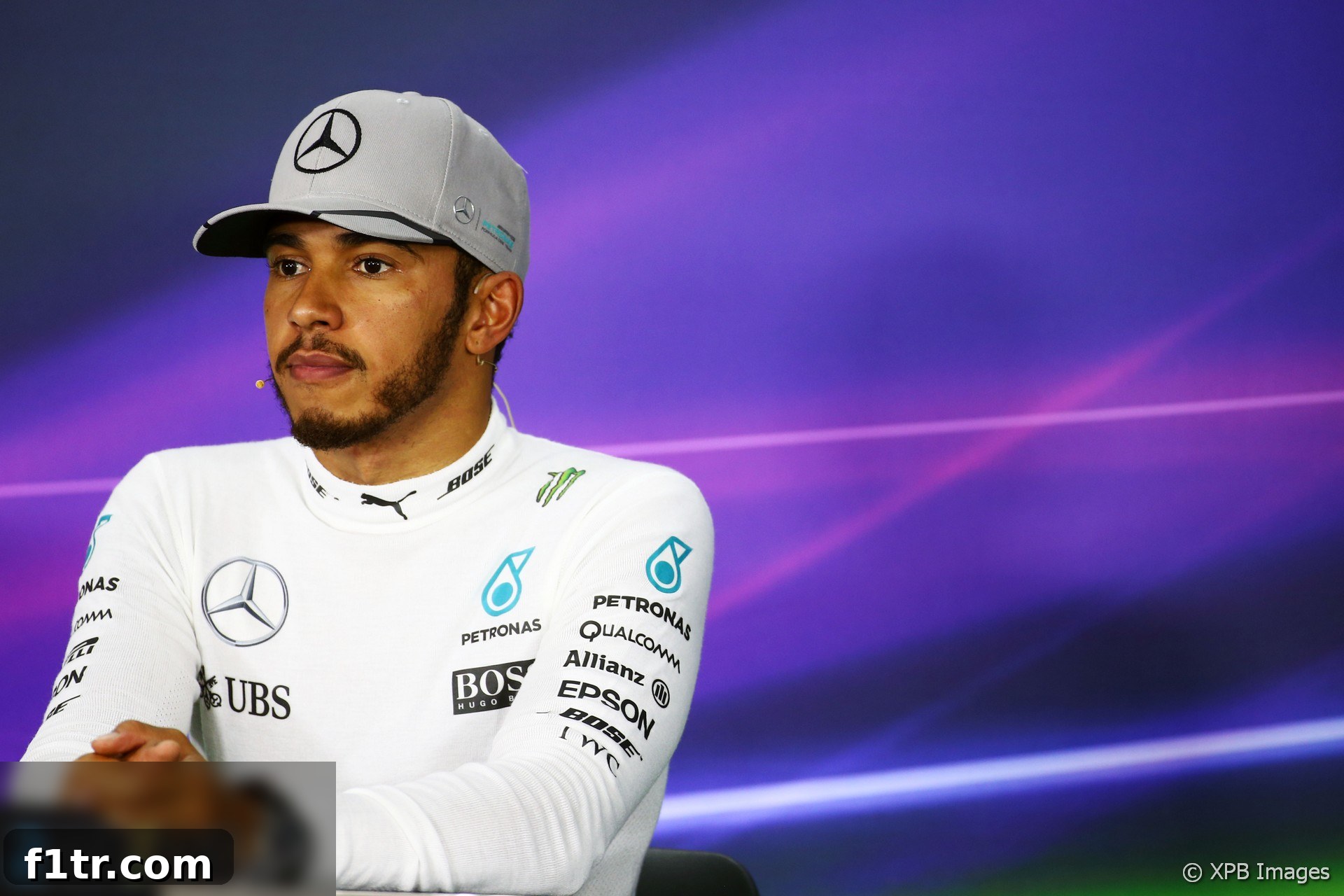
Speaking candidly to the media ahead of the decisive Abu Dhabi Grand Prix, Hamilton offered a rare glimpse into the broader context of his year. He referenced major geopolitical shifts, stating, “I think 2016’s been a pretty terrible year for the world, really. You’ve got Brexit, you’ve got [Donald] Trump getting the presidency.” These comments underscored a sentiment shared by many, reflecting a turbulent period globally. Yet, these macro-level observations were coupled with deeply personal grief, making the year particularly poignant for Hamilton.
“And then I’ve had a close friend pass away and I’ve had all the different experiences this year. So it’s not really been a spectacular year,” he revealed. The loss of a close friend, combined with the general global unease and the relentless demands of a Formula 1 season, took a significant toll. This confluence of external pressures and personal sorrow paints a picture of a champion grappling with immense emotional weight, showcasing the human element behind the racing machine. Despite these trials, Hamilton’s inherent resilience shone through, as he emphasized the importance of finding positivity: “But the best thing to do at the end of every year is to try to take the good things out of it, because there are always good things, and take that on with you and leave the junk behind.” This philosophy, of extracting lessons and growth from adversity, would become a hallmark of his approach to subsequent challenges.
The Ultimate Showdown: Hamilton vs. Rosberg in Abu Dhabi
The 2016 Formula 1 season culminated in one of the most anticipated championship deciders in recent memory. Lewis Hamilton, the reigning world champion, entered the final race in Abu Dhabi trailing his teammate and fierce rival, Nico Rosberg. The odds were definitively stacked against Hamilton, requiring a specific combination of results that hinged not only on his own performance but also on the fortunes of other drivers.
Hamilton’s mindset, as he approached this high-stakes weekend, was remarkably composed. He maintained that he hadn’t dwelled on the possibility of losing his title, choosing instead to focus his energy on what he could control. “I’m here to enjoy my weekend and focus on trying to do the best job I can as always,” he asserted. This unwavering commitment to his craft, even under immense pressure, is a testament to his professionalism and competitive spirit. However, the strategic reality of the championship situation was undeniable.
A Tactical Battle on the Yas Marina Circuit
To clinch the title, Hamilton needed to win the race and have Rosberg finish outside the top three, a scenario that seemed challenging given Mercedes’ dominant form. He openly acknowledged the critical role that rival teams, particularly Red Bull, would need to play. “We’re going to need them to get involved,” he stated, referring to Red Bull’s potential to challenge Rosberg, “otherwise it’s going to be a boring procession.” This remark highlighted Hamilton’s calculated approach to the championship, understanding that his best chance lay in creating a multi-car battle at the front, which could allow others to disrupt Rosberg’s progress.
The strategy Hamilton ultimately employed during the Abu Dhabi Grand Prix – deliberately slowing down to back Rosberg into the pursuing pack – became one of the most talked-about moments of the season. While controversial, it demonstrated Hamilton’s shrewd tactical thinking and his desperate, yet understandable, attempt to secure his fourth world title. This intense rivalry, which had simmered and occasionally boiled over throughout their years together at Mercedes, reached its zenith in this final, dramatic race, solidifying its place in Formula 1 history. Ultimately, despite Hamilton’s valiant efforts, Nico Rosberg secured the necessary points, ending his “longest-ever wait for a championship” and claiming his maiden world title.
Beyond the Track: Remembering Aki Hintsa, Hamilton’s Mentor
Amidst the ferocity of the championship fight and the global backdrop of 2016, Lewis Hamilton carried a heavy heart due to the passing of Dr. Aki Hintsa. Hintsa, a renowned Finnish sports doctor and performance expert, was far more than just a medical professional to Hamilton; he was a mentor, a confidant, and a close friend whose influence extended deeply into his personal and professional life. Hamilton’s heartfelt tribute during the press conference underscored the profound impact Hintsa had on him.
A Guiding Force in Formula 1
Hamilton revealed the long-standing nature of their relationship, stating, “I’d known Aki since 2004, I think it was, quite a long time. Very close with him and his family.” Hintsa was celebrated within the Formula 1 paddock for his holistic approach to athlete well-being, focusing not just on physical fitness but also on mental resilience and overall life balance. He played a pivotal role in shaping the careers of numerous drivers, helping them navigate the immense pressures of elite motorsport. For Hamilton, Hintsa was particularly instrumental in the crucial early stages of his Formula 1 journey.
Hamilton vividly recalled Hintsa’s critical role in securing his coveted seat at McLaren. “He was very instrumental in me getting that seat at McLaren in Formula One as he’d built a really strong relationship with Ron [Dennis] and Ron was of a mind to say that if Aki says you’re ready then I believe you’re ready, so Aki would take me through all these tests and he would look at me deeply in my eyes and like ‘yeah, you’re ready, I can tell’.” This anecdote highlights the extraordinary trust and respect Ron Dennis, then McLaren team principal, had for Hintsa’s judgment, effectively making Hintsa a key gatekeeper for young talent. It also reveals the deeply personal and intuitive connection Hintsa had with the drivers he mentored, capable of discerning their readiness beyond mere performance metrics.
An Unbreakable Bond
The depth of Hamilton’s bond with Hintsa was further illustrated by his account of their final days together. “I was very fortunate to have been able to be there with him and his family in the last days and actually get to see him on the last day,” Hamilton shared, his voice laden with emotion. “On the Monday after Brazil I got to see him and spend time with him and we played music, get to see him smile, get to see the amazing man he was.” These intimate moments, filled with music and shared smiles, paint a picture of a profound friendship that transcended their professional relationship, emphasizing the human connection that can flourish even in the high-stakes world of Formula 1.
Hamilton also paid tribute to Hintsa’s altruistic nature, contrasting his early passing with the lives of others. “You hear about prisoners who have done the worse things who die happily in their sleep and then you hear about someone who is almost a saint like Aki, who would help, who would go to Ethiopia and help children and has helped so many people and affected everyone that he had met in a positive light. To have finished his life so early was definitely tough to see.” This reflection underscores the tragic irony of a kind, benevolent individual like Hintsa succumbing to illness prematurely, leaving an irreplaceable void in the lives of those he touched.
Honouring a Legacy
Carrying the weight of this personal loss into the championship decider, Hamilton channeled his grief into a renewed sense of purpose. “But coming here this weekend, whilst I have that fighting spirit in my heart from the last races I’ve done, I come here with almost double the power in the sense that I feel that I want to win this race more so for him,” he declared. The desire to honor Hintsa’s memory and make him proud became a powerful motivator, adding another layer of emotional intensity to an already high-stakes race. “We were texting every single race through his battle and particularly the last race on Sunday. Whilst it’s an emotional time, I’m here to try and do him proud, do well for him as he had helped prepare and the belief he had in me.” This sentiment beautifully encapsulated the profound legacy Aki Hintsa left on Lewis Hamilton, a legacy of mentorship, friendship, and unwavering belief that continued to fuel the champion’s spirit even in the face of immense personal sorrow and professional challenge.
The Enduring Legacy of a Difficult Year
The 2016 Formula 1 season stands as a pivotal chapter in Lewis Hamilton’s career. It was a year that tested his mettle not just as a driver, but as a person. Navigating a fiercely competitive championship battle, witnessing significant global upheavals, and enduring the profound loss of a cherished mentor, Hamilton demonstrated remarkable resilience and an ability to compartmentalize and channel his emotions. While the ultimate championship crown eluded him that year, the experiences of 2016 undeniably forged a stronger, more introspective competitor.
His commitment to “take the good things out of it… and leave the junk behind” encapsulates a philosophy essential for any elite athlete facing setbacks. The lessons learned, the strength garnered from personal grief, and the unwavering dedication to his craft would serve as foundations for his continued success in subsequent seasons. The memory of Aki Hintsa, his guiding light and friend, would forever remain a part of Hamilton’s journey, inspiring him to strive for excellence and honor the belief his mentor had instilled in him. The 2016 Abu Dhabi Grand Prix may have marked the end of a title bid, but it also highlighted the enduring spirit of a champion who found strength amidst adversity, ready to turn the page and chase new glories.