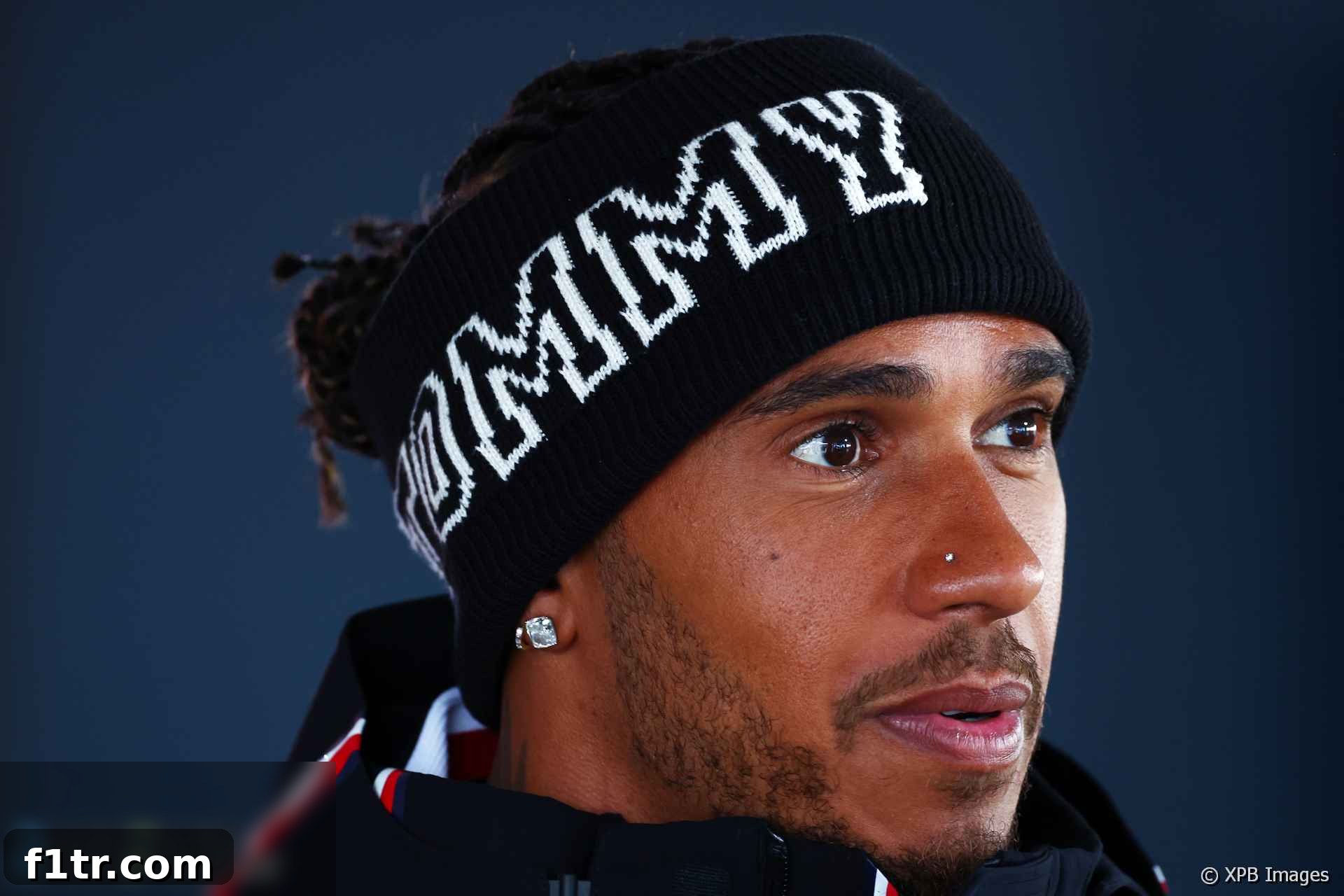
Lewis Hamilton, the seven-time Formula 1 world champion, is eagerly anticipating a swift resolution to the ongoing Hollywood strikes that have significantly impacted the production of his highly anticipated F1 movie, starring acclaimed actor Brad Pitt. This ambitious cinematic venture, backed by Apple Movies and co-produced by Hamilton alongside the creative minds behind “Top Gun: Maverick,” Jerry Bruckheimer and Joe Kosinski, has captured the imagination of motorsport fans and film enthusiasts alike. Its unique approach to filming, integrating real-world F1 race weekends, promised an unprecedented level of authenticity, but the industry-wide labor disputes have introduced unforeseen challenges.
Advert | Become a Supporter & go ad-free
The production team embarked on filming earlier in the year, meticulously capturing thrilling on-track action at various circuits, often during actual Formula 1 Grand Prix events. This innovative strategy aimed to immerse audiences directly into the high-octane world of F1, providing a visceral experience unlike any other racing film. The project, currently known under the working title “Apex,” features Brad Pitt as a veteran driver coming out of retirement to mentor a young talent, aiming for one last shot at glory in the pinnacle of motorsport. With Hamilton’s direct involvement as a co-producer and creative consultant, the film is poised to deliver an authentic portrayal of the sport, infused with the passion and insight of one of its greatest legends.
However, the vibrant American film industry has been brought to a near standstill by a dual strike, creating significant hurdles for projects across Hollywood. The first major disruption began in May with the Writers Guild of America (WGA) union initiating a strike, driven by concerns over fair compensation in the streaming era and the existential threat posed by generative artificial intelligence. Two months later, in July, they were joined on the picket lines by the Screen Actors Guild – American Federation of Television and Radio Artists (SAG-AFTRA), escalating the crisis. Both unions are fighting for updated contracts that address critical issues such as residual payments for streaming content, protection against the unauthorized use of AI to replicate actors’ likenesses or generate scripts, and better overall working conditions and wages.
The WGA strike, lasting for nearly five months, focused on securing fairer deals for writers in the new digital landscape. Writers argued that the traditional residual model, which provided steady income from reruns and syndication, had been severely diminished by streaming services, leading to significantly lower pay for their creative contributions. Similarly, SAG-AFTRA’s demands centered on ensuring actors receive a fair share of streaming revenue and establishing clear regulations for the use of AI. The concern is that studios could use AI to scan an actor’s likeness and then digitally recreate their performance in perpetuity without fair compensation or consent, potentially eradicating future job opportunities. These combined strikes have put immense pressure on studios and streaming platforms to negotiate terms that safeguard human creativity and ensure equitable compensation in a rapidly evolving technological and media landscape.
Hamilton’s F1 movie is one of many high-profile productions grappling with the profound implications of these labor disputes. Despite the widespread disruption, the unique nature of its production has allowed for some degree of continuity. The team has been able to leverage previously filmed footage, utilize stunt doubles for action sequences, and continue with post-production tasks such as editing, which do not directly involve striking writers or principal actors. This strategic foresight, particularly the decision to film extensively at live F1 events before the strikes intensified, has provided a crucial buffer, enabling the project to maintain momentum even amidst the industry-wide pause.
Lewis Hamilton remains steadfast in his confidence that the film’s primary backer, Apple Movies, will not withdraw its support due to these delays. “I know that Apple is fully behind us and wants us to go ahead,” Hamilton affirmed, expressing optimism for the project’s future. He further emphasized the collective commitment of the entire team, stating, “Everyone in the team is fully focused on making the greatest movie we can. It’s just a matter of time.” This unwavering dedication from all parties involved underscores the significant potential and high expectations surrounding this Formula 1 cinematic endeavor. The film aims not just to tell a story, but to capture the very essence of F1, its speed, drama, and intense human narratives, making Hamilton’s continued involvement and the financial backing crucial.
The core issues driving the strikes, as mentioned, include writers’ and actors’ concerns over diminished income streams in the streaming era and the crucial need to protect their livelihoods from the encroaching capabilities of generative artificial intelligence. These are fundamental shifts impacting the entire creative economy of Hollywood, and the resolutions sought are intended to establish new frameworks for compensation and intellectual property rights that are fit for the 21st century. The outcome of these negotiations will not only determine the future of countless individual careers but also set precedents for how technology and creative labor interact across various industries.
Despite the challenges, Hamilton holds an optimistic outlook for a resolution to be reached in the near future. “It’s definitely not the easiest time, I think, for actors around the world,” he acknowledged, recognizing the broader impact on the creative community. “But I think something will be resolved in the not-too-distant future.” His perspective, while rooted in the film’s specific situation, also reflects a broader hope for stability and fairness within the industry. The collective desire from all stakeholders—studios, talent, and crew—to return to work and create content is a powerful driving force towards finding common ground.
Highlighting the ongoing progress, Hamilton shared positive insights into the production’s adaptability. “The positive thing for us is we’re still able to do some filming, still able to use stunt doubles, we still have editing and things we can do that with the stuff we’ve already caught.” This flexibility has proven invaluable, allowing critical aspects of the film’s development to continue. For a sports film, the authenticity of the action sequences is paramount, and the ability to work around the strike by utilizing stunt teams and focusing on post-production means that the visual spectacle remains on track, ensuring the film delivers the high-octane experience fans anticipate.
Beyond his role as a co-producer, Hamilton remains deeply involved in the creative development of the narrative, providing crucial input into the final details of the film’s plot. His unparalleled understanding of Formula 1 brings an authentic layer to the storytelling, ensuring accuracy and depth. “I’ll be on calls with Joe next week as we continue to finish off the story,” he revealed, indicating his active participation in shaping the storyline. “There’s a couple of races we need to go through and talk about the wording and how it’s worded through the different races.” This level of detail-oriented engagement from a legend of the sport is precisely what promises to elevate this film beyond a typical sports drama, making it a truly immersive experience for F1 aficionados and newcomers alike.
His deep involvement in the nuanced aspects of the script, particularly concerning how race events and the competitive dynamics of F1 are portrayed, underscores the film’s commitment to authenticity. This dedication is crucial for winning over the notoriously discerning Formula 1 fanbase. By meticulously refining the narrative to reflect the realities and intricacies of the sport, Hamilton and the production team are aiming to create a cinematic masterpiece that resonates with a global audience. The film, starring Brad Pitt, already carries significant star power, but Hamilton’s direct contribution ensures that the heart of Formula 1 beats authentically within its narrative, setting it up for critical and commercial success once the Hollywood strikes are resolved and full production can resume. “So, I’m not massively concerned just yet,” he concluded, maintaining a calm and optimistic front amidst the industry-wide turmoil, a testament to his confidence in the project and its eventual triumph.
Advert | Become a RaceFans supporter andgo ad-free
2023 Dutch Grand Prix
- Azerbaijan GP defeat was key to record-equalling run of wins – Verstappen
- “Too early to say” if podium signals return to form for Aston Martin – Alonso
- Verstappen makes history with unbeaten hat-track in first home races
- Perez is ‘doing his job and will be our driver in 2024’, Horner insists
- Ferrari had the “sixth or seventh fastest car” at Zandvoort – Sainz
Browse all 2023 Dutch Grand Prix articles