Fernando Alonso Eyes Q3 but Anticipates Tough Fight in Bahrain Grand Prix Qualifying
Following a promising display during Friday’s practice sessions at the Bahrain International Circuit, where both McLaren cars notably secured positions within the top ten, veteran driver Fernando Alonso has tempered expectations, admitting that securing a spot in the crucial Q3 segment of qualifying will be “tough.” Despite the encouraging early pace, Alonso emphasized that making it into the final phase of qualifying remains a paramount objective for the Woking-based team this weekend, setting a clear benchmark for Saturday’s crucial sessions.
A Glimmer of Hope, A Dash of Realism: McLaren’s Bahrain Challenge
The desert night in Bahrain provided McLaren with a mixed bag of emotions. On one hand, seeing both their cars perform strongly in the practice timesheets, particularly during the critical FP2 session under floodlights, offered a much-needed morale boost and a hint of their potential. For a team striving to rebuild its competitive edge, such early signs of pace are invaluable. Fernando Alonso himself piloted his MCL33 to an impressive ninth place in the second practice session, closely trailing Nico Hulkenberg’s Renault by a mere six-hundredths of a second. This tight margin underscored the competitive nature of the midfield, where every tenth of a second can significantly alter grid positions. However, Alonso’s long and illustrious career has taught him caution, and his pragmatic assessment reflects the complex realities of Formula 1. Practice sessions, while indicative, rarely tell the full story, and the true test of raw pace comes when the qualifying flags drop, and every team pushes its machinery to the absolute limit.
The Elusive Q3: A Clear Target for McLaren
The pursuit of Q3 is more than just an aspiration for McLaren; it is a vital indicator of their progress and a tangible goal that defines their immediate ambitions for the 2018 season. As Alonso articulated, “In Australia we missed Q3, we were 11th and 12th, so here it’s a clear target for the team, try to be in Q3.” This statement highlights the strategic importance of consistently reaching the final qualifying segment. Q3 not only offers the opportunity to start further up the grid, thereby increasing the chances of scoring valuable championship points, but it also provides a psychological boost for the entire team – from the engineers at the track to the strategists back at the factory. For McLaren, a team undergoing a significant transition with its new Renault power units, making regular Q3 appearances is crucial for demonstrating their development trajectory and reassuring their fans and sponsors of their long-term competitiveness. It signifies a step forward from the challenges of recent years and validates the immense effort being put in by every member of the team.
The Pursuit of Perfection: Beating the Midfield Challengers
Alonso’s belief that Q3 is “possible” hinges on the premise of a “perfect day” on Saturday. This isn’t just a turn of phrase; it encapsulates the multifaceted challenge of Formula 1 qualifying. A perfect day means optimal car setup, requiring engineers to extract every ounce of performance from the chassis and power unit through meticulous data analysis from Friday’s sessions. It demands flawless execution from the driver, where every corner is attacked with precision, and every shift and brake application is timed to perfection. Even the smallest mistake – a lock-up, a slight wobble, or an imperfect exit from a crucial corner – can mean the difference between advancing to Q3 and being relegated to the midfield scrum in Q2. Moreover, the definition of a “perfect day” extends to the operational side: swift pit stops during qualifying, clear radio communication, and precise strategy calls are all essential elements. McLaren, with its seasoned experience and top-tier talent like Alonso, understands these demands intimately. The challenge lies in translating that understanding into a tangible performance advantage when it matters most, particularly against a fiercely competitive midfield where fractions of a second separate rivals.
The Haas Factor: Unveiling True Pace on Saturday
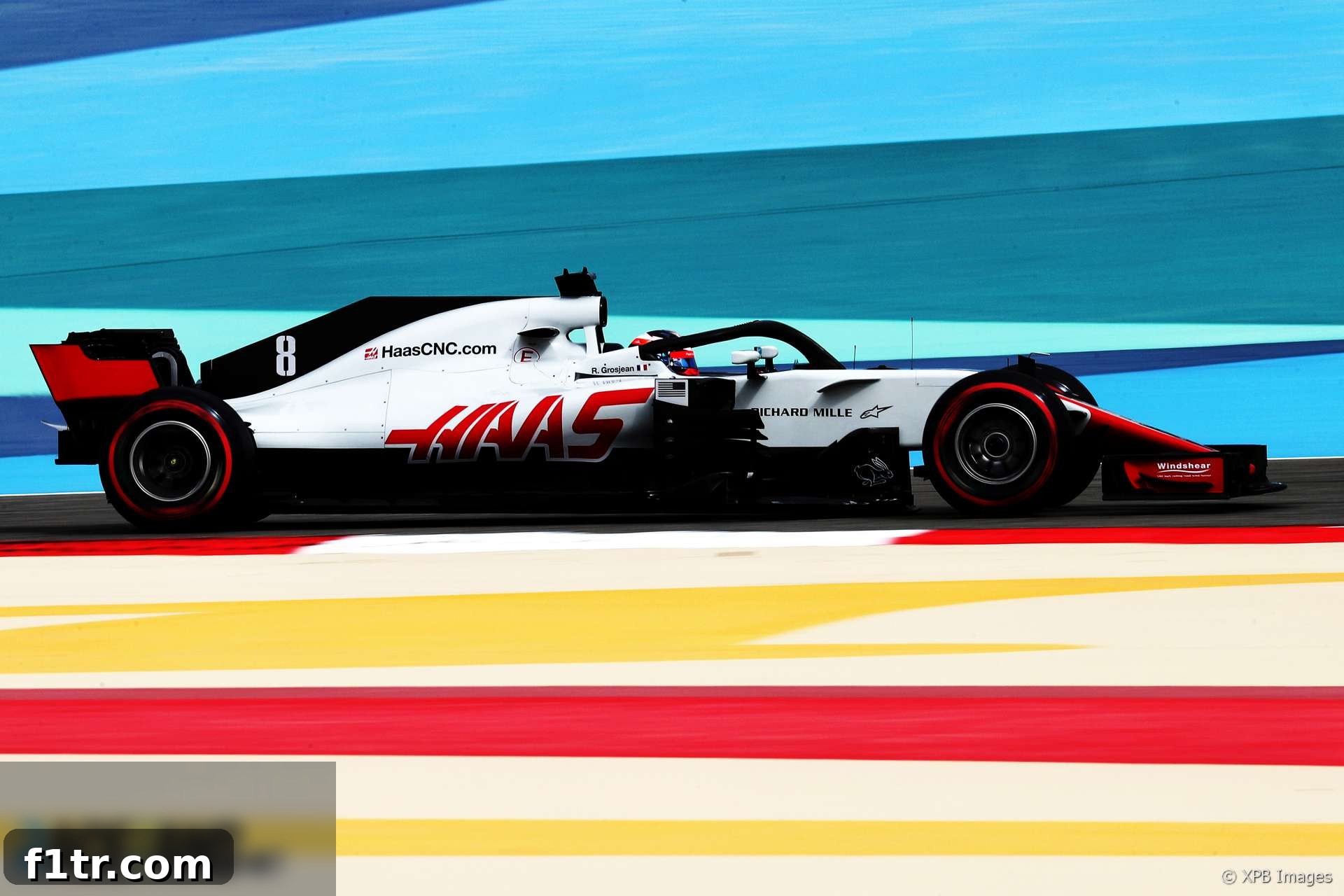
One of the key reasons behind Alonso’s cautious optimism, despite McLaren’s promising Friday, is the anticipated resurgence of the Haas F1 Team. “We need to be ready to see the Haas a little bit in front also,” Alonso stated, casting a watchful eye on one of McLaren’s primary midfield rivals. He went on to explain his skepticism regarding their Friday performance: “Today they are 12th and 16th, I don’t think that is very representative.” This assessment is rooted in a fundamental understanding of Formula 1 practice dynamics. Teams often run varying fuel loads, engine modes, and test different car setups during Friday sessions, none of which truly reflect their ultimate qualifying pace. Haas, known for its strong single-lap performance, especially early in the 2018 season, is widely expected to unlock more speed when it counts. They have demonstrated an ability to extract significant performance from their Ferrari-powered challenger, making them a formidable competitor in the fierce battle for Q3 slots. Alonso’s prediction suggests that Saturday’s qualifying will see a genuine step up in pace from the American team, putting additional pressure on McLaren to find every possible millisecond to stay ahead.
Beyond Haas: The Broader Midfield Gauntlet
The challenge for McLaren extends far beyond just the Haas team. The 2018 Formula 1 season has been characterized by an intensely competitive midfield, where several teams vie for the coveted “best of the rest” position behind the dominant top three outfits (Mercedes, Ferrari, and Red Bull). Teams like Renault, Force India, and Toro Rosso have all shown flashes of speed and consistency, making the fight for Q3 a tightrope walk. Renault, with Nico Hulkenberg already proving his pace, is a direct competitor with the same engine supplier. Force India, despite some early season struggles, possesses a strong car and experienced drivers capable of punching above their weight. Toro Rosso, benefiting from Honda’s developing power unit, has also demonstrated surprising speed at various points. For McLaren, navigating this gauntlet requires not only extracting maximum performance from their car but also executing a flawless strategy and capitalizing on any slight missteps by their rivals. The margins are so fine that even a slight gust of wind, a momentary lapse in concentration, or a minor setup imperfection can translate into losing several grid positions, underscoring the “tough” reality that Alonso so accurately described.
A Flawless Friday: Laying the Groundwork for Success
In contrast to a challenging and disrupted Friday in Australia, Fernando Alonso expressed considerable satisfaction with his trouble-free run during both practice sessions in Bahrain. “We completed the programme,” he confirmed, highlighting the crucial importance of maximizing track time, particularly in a sport where every minute of data collection is invaluable. A smooth Friday allows teams to thoroughly evaluate various aerodynamic configurations, mechanical setups, and tire compounds without the hindrance of technical issues or red flag interruptions. This uninterrupted data stream is vital for the engineers to fine-tune the car for qualifying and the race. The significance of FP2, held during the twilight hours, cannot be overstated. As Alonso noted, it’s “important especially in FP2 in the night session to do as many laps as possible, understand the tyres also.” The conditions during FP2 closely mimic those of qualifying and the race, making the data gathered during this session particularly representative and critical for final setup decisions. A trouble-free Friday ensures that McLaren heads into Saturday with a comprehensive understanding of their package, giving them the best possible chance to optimize their performance.
Tackling Tyre Degradation: A Strategic Imperative for Sunday
Beyond single-lap pace, understanding tire behavior is paramount for race strategy, and Alonso pointed to a potentially significant factor for Sunday: “a little bit of higher degradation than probably we were expecting so we need to take this into account for Sunday.” Tire degradation, the rate at which tires lose performance, is a critical element in Formula 1 racing. Higher-than-expected degradation can drastically alter race strategies, potentially forcing teams into more pit stops or necessitating greater tire management from the drivers. For McLaren, this observation from practice means their strategists will be working overtime to crunch the numbers and devise a robust plan for the Grand Prix. Factors like track temperature, driving style, and car setup all influence degradation, and finding the right balance between pace and longevity is key. Managing this effectively could be the difference between a points finish and a frustrating afternoon. It underscores the intricate interplay between Friday’s practice observations and Sunday’s ultimate race outcome, highlighting the strategic depth required to succeed in Formula 1.
McLaren’s Enduring Ambition: A Path Forward in 2018
The 2018 season marked a pivotal moment for McLaren, as they embarked on a new chapter with Renault power after a challenging period with Honda. This transition brought with it renewed optimism and a fresh set of challenges. Fernando Alonso, a two-time world champion, remained a central figure in this journey, his experience and unwavering drive serving as a guiding force. The team’s ambition was clear: to consistently challenge in the midfield, break into the top tier when opportunities arose, and lay the groundwork for a return to championship contention in the long term. Each Grand Prix, therefore, was a test of their progress, and Bahrain represented another crucial battleground. Achieving Q3 and converting strong qualifying positions into points was not merely about individual race results; it was about building momentum, fostering confidence within the team, and showcasing their potential to a global audience. Alonso’s candid assessments, combining cautious realism with determined ambition, perfectly encapsulated McLaren’s position as they navigated the complexities of their rebuilding phase.
Conclusion: The High Stakes of Bahrain Qualifying
As the Bahrain Grand Prix weekend transitions from practice to the critical qualifying sessions, Fernando Alonso’s insightful comments set the stage for a compelling battle. McLaren’s promising top-ten finishes on Friday offer a tantalizing glimpse of their potential, yet the veteran driver’s pragmatic view of a “tough” fight ahead underscores the intense competition within the Formula 1 midfield. The clear target of Q3 is within reach, but it demands nothing short of a “perfect lap” and a vigilant eye on rivals like Haas, who are expected to unleash their true pace. A trouble-free Friday has provided McLaren with invaluable data for optimization, but the observed higher tire degradation adds another layer of strategic complexity for Sunday. All eyes will be on McLaren as they push to convert their practice pace into a strong qualifying performance, hoping to solidify their position in the upper midfield and take a crucial step forward in their 2018 campaign.
Go ad-free for just £1 per month>> Find out more and sign up
2018 F1 season
- F1 feared “death knell” for Drive to Survive after Ferrari and Mercedes snub
- McLaren staff told us we were “totally crazy” to take Honda engines in 2018 – Tost
- ‘It doesn’t matter if we start last’: How Red Bull’s junior team aided Honda’s leap forward
- Honda’s jet division helped F1 engineers solve power unit problem
- McLaren Racing losses rise after Honda split
Browse all 2018 F1 season articles