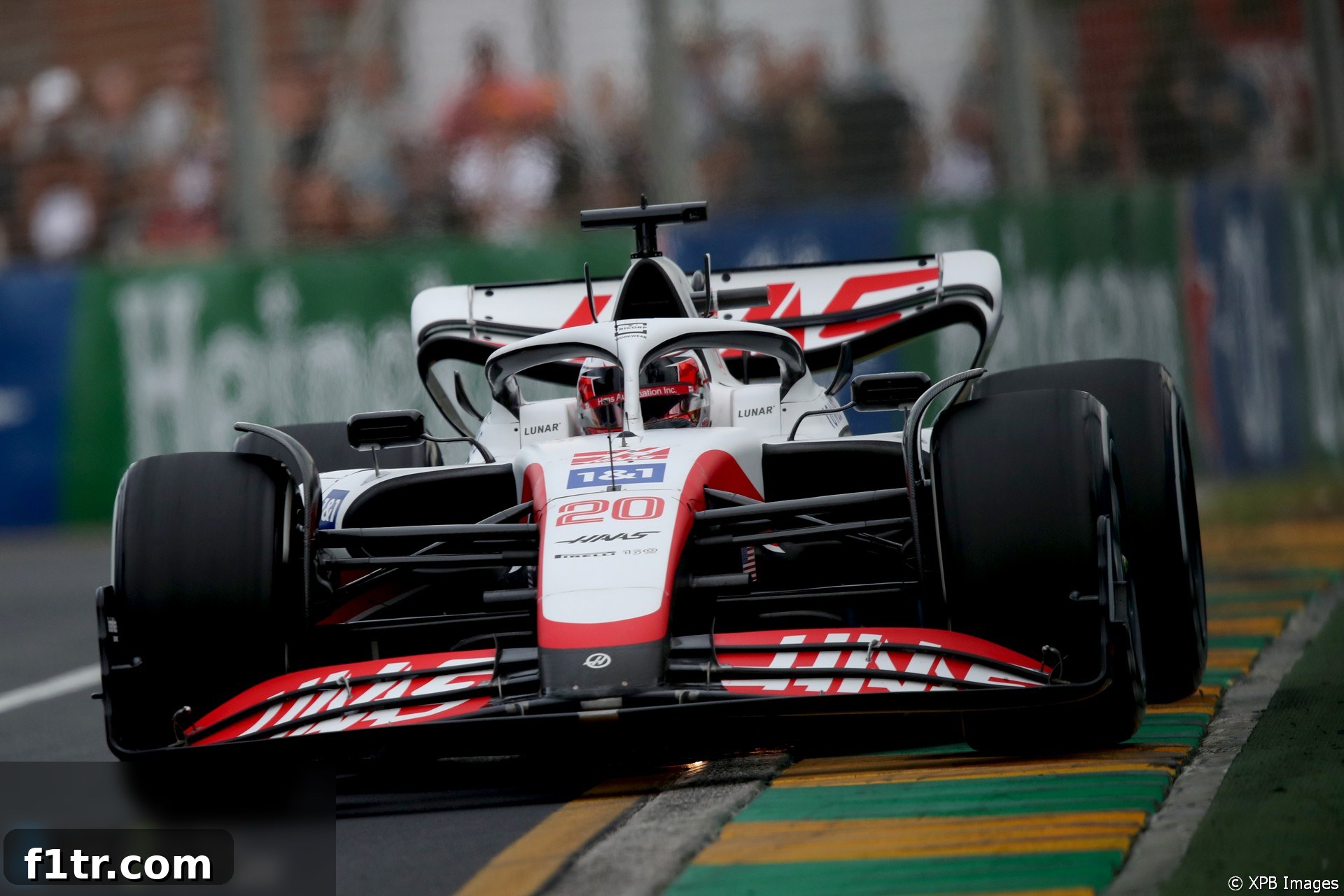
Haas F1 Team Principal Guenther Steiner has confirmed a heightened level of scrutiny and care in the selection of future commercial partners, a direct consequence of the team’s high-profile split from former title sponsor Uralkali. This strategic shift underscores a crucial pivot in how the American outfit approaches its financial and brand relationships within the demanding world of Formula 1.
The Uralkali Rupture: A Geopolitical Catalyst for Change
The decision to sever ties with the Russian chemical company, Uralkali, earlier this year was not a typical commercial disagreement but a move dictated by geopolitical events. Following the invasion of Ukraine by Vladimir Putin’s military in February, global sanctions were swiftly imposed, impacting numerous Russian entities and individuals. Uralkali chief Dmitry Mazepin and his son, Nikita Mazepin, who competed for Haas in the 2021 Formula 1 season, found themselves directly affected by these sanctions. The immediate termination of the sponsorship agreement and Nikita Mazepin’s contract was an unavoidable step for Haas, forcing the team to navigate a sudden and unexpected financial void just ahead of the new season.
This unprecedented situation highlighted the inherent risks of global sponsorships, particularly when intertwined with political landscapes. For Haas, an independent team relying heavily on commercial income, the Uralkali saga served as a stark lesson in the vulnerabilities that can arise from such deeply entrenched partnerships.
Guenther Steiner’s Strategic Shift: Learning from Experience
Asked about the team’s future approach to similar deals, a pragmatic Guenther Steiner stated, “Obviously we live and learn.” This concise observation encapsulates the team’s renewed commitment to a more meticulous and robust vetting process for potential sponsors. It’s a philosophy born not just from the Uralkali experience, but also from previous challenges, such as the tumultuous partnership with Rich Energy in 2019, which also ended prematurely and publicly.
(Image for illustrative purposes, relating to past sponsorship experiences.)
Steiner elaborated that steps to tighten procedures were already underway even before the Uralkali split, indicating a proactive rather than purely reactive measure. A new marketing director joined the team in January, with one of his primary mandates being to conduct comprehensive due diligence. “It’s one of his tasks to do all the due diligence and to make it as right as he can do these things,” Steiner explained, highlighting the institutionalization of a more rigorous vetting process.
This commitment to thoroughness signifies a maturing approach for Haas, moving beyond opportunistic deals towards sustainable, low-risk, and strategically aligned partnerships. In the high-stakes environment of Formula 1, where every financial decision can impact performance, such meticulousness is not merely advisable but essential for long-term stability and success.
The Quest for the “Best Package”: A Deliberate Approach to F1 Sponsorship
Despite the unexpected departure of a major sponsor, Haas is under no immediate pressure to rush into a replacement. Steiner emphasized the team’s patient and selective strategy: “We are waiting for the best package. It’s a combination of things, the best offer, the best sponsor, and just not doing something, maybe today, which you find out in six months I shouldn’t have done.” This philosophy underscores a desire for quality over speed, aiming for partners that align with the team’s values and long-term vision, rather than simply filling a financial gap.
The concept of the “best package” in Formula 1 extends far beyond just financial figures. It encompasses a sponsor’s brand reputation, its strategic fit with the team’s image, the stability of its business operations, and its potential to contribute beyond monetary contributions, perhaps through technology or marketing synergy. For an organization like Haas, which has historically operated on a tighter budget than many of its rivals, securing reliable and well-aligned partners is paramount to maintaining competitive viability and fostering a positive team culture.
“We are obviously always looking for sponsors,” Steiner added, acknowledging the constant commercial activity in F1. “There is a lot of movement but we don’t want to jump immediately onto the next one. We want to take our time, do our due diligence, make a good decision. We are in a safe place in the moment so it’s no point to rush to anything which we may regret in six months’ time.” This assertion of being in a “safe place” financially, despite the Uralkali termination, speaks volumes about the team’s underlying stability and prudent financial management, allowing them the luxury of careful selection.
Ensuring Financial Fortitude and Team Stability
For independent teams like Haas, the financial underpinning provided by robust sponsorship deals is the lifeblood of their operations. Unlike manufacturer-backed teams that can draw on vast corporate resources, privateers rely heavily on prize money, commercial rights, and, most critically, external partnerships. A stable and diverse portfolio of sponsors ensures that the team can invest in car development, attract top talent, and maintain state-of-the-art facilities. The recent budget cap in Formula 1 has further intensified the need for efficient spending and reliable income streams, making every sponsorship dollar count even more.
Steiner’s cautious approach to new deals reflects an understanding that a bad sponsorship agreement can be more detrimental than no agreement at all. The reputational damage, legal costs, and distraction caused by problematic partnerships can severely impact a team’s morale and performance. By emphasizing due diligence and long-term vision, Haas is building a foundation that prioritizes sustainable growth and minimizes future risks, ultimately aiming for consistent on-track performance backed by solid commercial relationships.
Building Trust: The TransferMate Partnership as a Benchmark
Amidst the challenges, Haas has successfully forged new alliances. On a recent Wednesday, the team announced a partnership with TransferMate, a global B2B payments technology solution. This deal exemplifies the meticulous approach Steiner now champions. The groundwork for this collaboration was laid following pre-season testing in Spain, with the entire process taking two months to finalize.
“There is stuff coming in but they need to be right,” Steiner commented, referring to potential new partnerships. He specifically highlighted TransferMate: “That deal with TransferMate took two months to get done. But these are all things which help the team.” The protracted negotiation period for TransferMate underscores the depth of scrutiny and mutual alignment sought by Haas. Such partnerships are not merely about branding but about creating synergistic relationships that provide tangible benefits to the team’s operational efficiency and financial infrastructure. This methodical approach serves as a new benchmark for Haas’s future commercial engagements, prioritizing long-term value and reliability.
The Ongoing Legal Battle: Navigating Contractual Complexities
While Haas looks forward, the ghost of the Uralkali partnership lingers in the form of an ongoing legal dispute. Uralkali has formally demanded the return of the sponsorship money it paid to Haas prior to the termination of their deal. This is a complex legal battle, intertwining international contract law, force majeure clauses, and the implications of geopolitical sanctions.
Guenther Steiner has, understandably, maintained a discreet stance on the matter, emphasizing the sensitive nature of legal proceedings. “I don’t want to be in a position to comment publicly on our legal issues with our former sponsor,” he stated. “It’s a legal situation and confidentiality I respect, because that’s what it should be. So I don’t want to come out here publicly ‘we said that, they said that’.”
This commitment to confidentiality is standard practice in high-stakes legal disputes, protecting both parties and ensuring the integrity of the process. The outcome of this legal battle could set precedents for how Formula 1 teams and other global sports organizations handle sponsorships in times of unforeseen political or economic upheaval. Regardless of the resolution, the incident has undoubtedly reinforced Haas’s resolve to thoroughly vet all future partners, minimizing exposure to similar risks.
Haas F1’s Future: A Foundation of Foresight and Ethical Engagement
In conclusion, the Haas F1 Team is emerging from a period of significant commercial upheaval with a renewed and strengthened commitment to strategic partnership selection. Under Guenther Steiner’s leadership, the emphasis is firmly on due diligence, long-term stability, and ethical alignment. The Uralkali episode, while challenging, has served as a powerful catalyst for change, prompting a more cautious, patient, and sophisticated approach to commercial relationships.
By taking their time to find the “best package” and leveraging the expertise of a dedicated marketing director, Haas aims to secure partnerships that not only provide essential financial backing but also resonate with the team’s core values and contribute to its sustainable growth within Formula 1. The TransferMate deal is a testament to this evolving strategy, demonstrating that careful vetting can lead to robust and beneficial collaborations. As Haas looks to solidify its position in the competitive world of F1, its thoughtful approach to sponsorship will be a critical pillar of its future success, ensuring both financial fortitude and brand integrity.
Further Insights into Formula 1 Business & Team Management
- Navigating F1’s Budget Cap: Financial Strategies for Independent Teams
- Risk Management in Global Sports Sponsorships: Lessons from Recent Events
- The Evolution of F1 Marketing: Building Sustainable Brand Partnerships
- The Impact of Geopolitical Events on International Sports Organizations
- Driver Contracts and Team Obligations: A Legal Perspective in F1
Explore all F1 Business Insights articles