F1 Pre-Season Testing: The Costly Debate of Bahrain vs. Barcelona Logistics
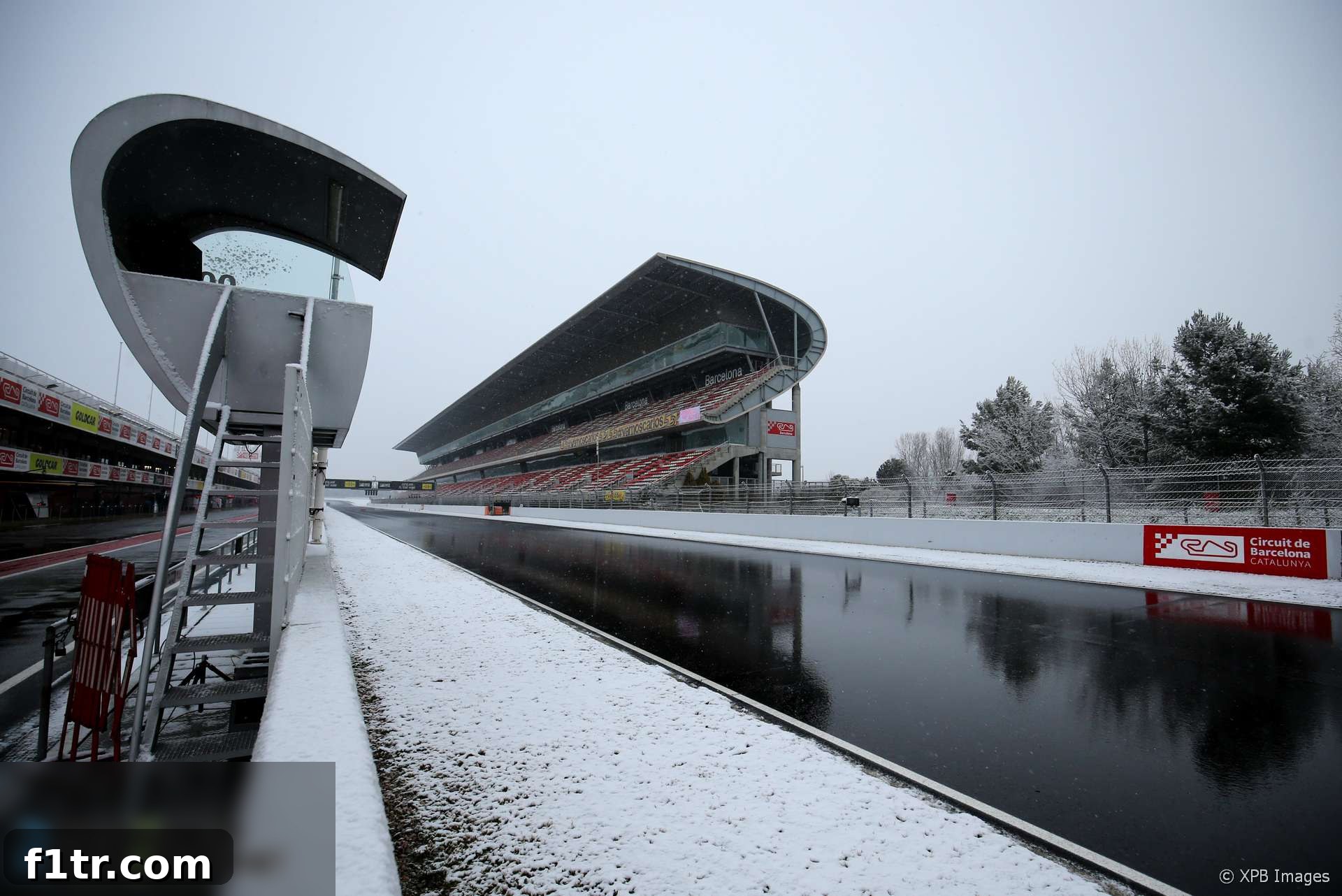
The dawn of a new Formula 1 season is always heralded by the critical pre-season testing sessions, where teams unveil their latest challengers, push the boundaries of engineering, and gather invaluable data. These tests are paramount for car development, reliability checks, and driver adaptation before the championship truly begins. However, the venue for these pivotal sessions frequently ignites a fiery debate, particularly when Mother Nature doesn’t cooperate. Following the uncharacteristically cold and challenging conditions experienced during the first 2018 pre-season test at Spain’s Circuit de Catalunya, discussions about moving these vital preparation stages to a reliably warmer climate, such as Bahrain, resurfaced with renewed intensity. Yet, amidst the yearning for consistent sunshine, a pragmatic voice emerged from the paddock: Guenther Steiner, the outspoken team principal of Haas F1. Steiner delivered a stern warning, highlighting the significant, often overlooked, financial and logistical burdens that such a geographical shift would impose on every Formula 1 team.
The High Price of Sunshine: Steiner’s Logistical Nightmare Scenario
While the allure of guaranteed warm weather in locations like Bahrain or Abu Dhabi is intuitively appealing for simulating race conditions and collecting consistent performance data, Steiner painted a vivid picture of the immense practical challenges and prohibitive costs. For a team like Haas, which was relatively new to the F1 grid at the time, the thought of transporting its entire operation, including intricate machinery, countless spare parts, and a vast team of personnel, across continents was daunting. “For us, for example, the first year we were here two years ago it was talked about going to Bahrain or to Abu Dhabi,” Steiner recounted to RaceFans and other media present in Spain. “That would be a no-no if you are new and you need to fly something somewhere.” This statement underscores the disproportionate impact such a move would have on smaller, less established teams that operate with tighter budgets and fewer resources compared to the sport’s wealthier giants.
The sheer scale of equipment and the dynamic nature of Formula 1 testing often go unnoticed by those outside the paddock. Unlike a carefully planned race weekend, testing is an intensive development cycle, where continuous iteration and rapid problem-solving are key. Teams are constantly experimenting with new components, making real-time adjustments, and often requiring urgent replacements or upgrades from their factories. “You guys have no idea how much stuff is coming here every day. Every day there is stuff coming for the car. It’s brutal,” Steiner emphasized, stressing the relentless flow of materials. He further elaborated on the crucial strategic advantage offered by Barcelona’s location for the majority of F1 teams, which are primarily based in the United Kingdom and Italy. “From England or from Italy, they just put it in a van and they drive eight hours, they are here. You can put it in a plane, put it in hand luggage. We’ve got people going up and down every day.” This unparalleled logistical flexibility—allowing for quick road transport of parts, immediate replacement of damaged components, and seamless rotation of engineering staff—is a cornerstone of efficient and cost-effective testing. Relocating testing thousands of miles away would dismantle this intricate system, necessitating astronomically expensive air freight, extending lead times for critical parts, and turning minor issues into major logistical hurdles.
Wider Implications: Exacerbating F1’s Spending Divide
Steiner’s concerns extended beyond just immediate operational costs. He foresaw a scenario where moving testing to distant, warmer locales would inadvertently exacerbate the existing financial disparities within Formula 1, further widening the gap between the sport’s richest teams and its more budget-conscious outfits. “If it’s in Bahrain, you need to get prepared, it’s the same for everybody. That’s one of the issues. But the next thing is some teams would put a jet on every night to go back and forward,” he predicted. This chilling forecast illustrates how the wealthiest constructors, unconstrained by budget limitations, could simply absorb the increased expenses, including chartering private jets to transport engineers, designers, and urgently required parts between their European factories and the distant test track daily. This capability would enable them to maintain their accelerated development cycles, bypassing the very logistical constraints that would severely hinder, if not cripple, smaller teams. Such an advantage would directly undermine Formula 1’s ongoing initiatives to promote greater cost-efficiency, fairer competition, and a more sustainable financial model across the grid.
The Indispensable Role of F1 Pre-Season Testing
Pre-season testing stands as an indispensable crucible for every Formula 1 team. It’s the sole genuine opportunity to evaluate their new machinery in a live track environment before the pressure of the opening Grand Prix. The objectives are multifaceted and critical: conducting initial shakedown runs to ensure all newly assembled systems function flawlessly; rigorously verifying reliability under sustained, simulated race conditions; gaining a profound understanding of how new regulations impact car performance; and, crucially, acquiring extensive data on tire behavior across a spectrum of compounds, temperatures, and fuel loads. Drivers also utilize this period to fine-tune their comfort and familiarity with their new vehicles, providing invaluable feedback to their engineering teams.
For these objectives to be met effectively, optimal testing conditions—specifically stable ambient temperatures, dry track surfaces, and consistent weather—are paramount. These conditions allow teams to collect meaningful, repeatable, and consistent data that can be accurately analyzed and translated into tangible performance improvements. Conversely, adverse weather, such as the freezing temperatures, rain, or even snow witnessed during some Barcelona tests, severely restricts meaningful running, distorts tire data, and can lead to a fundamental misinterpretation of a car’s true potential or inherent weaknesses. Teams risk arriving at the first race with an ill-understood package, having been unable to properly assess their car’s capabilities or limitations.
Barcelona vs. Bahrain: A Balanced Perspective on Test Venues
The persistent debate surrounding Barcelona versus Bahrain, or indeed any European track versus a distant overseas alternative, encapsulates a fundamental trade-off in Formula 1. Barcelona offers undeniable logistical benefits for the vast majority of F1 teams, given their geographical concentration in Europe. This proximity translates directly into lower transportation costs, streamlined movement of crucial components, and dramatically quicker response times for factory-based engineers to dispatch urgent fixes or upgrades. However, its significant drawback lies in its often unpredictable winter weather, which can, as demonstrated in 2018, undermine the core purpose of testing by providing track conditions that are unrepresentative of the upcoming race calendar.
Conversely, Bahrain promises the meteorological certainty of warm, stable weather. Such conditions are ideal for simulating race environments in many parts of the world, offering consistent tire data and allowing teams to push their cars without the variable of temperature hindering performance analysis. Yet, this climatic reliability comes at a steep price: vastly increased shipping expenses for cargo and personnel, extended travel for all team members, and the inherent logistical nightmare of managing a dynamic, high-stakes supply chain thousands of miles from the operational bases. Each potential location presents a unique array of advantages and disadvantages that directly impact team operations, financial sustainability, and ultimately, a car’s competitive readiness.
An Ever-Recurring Debate: Weather as the Ultimate Decider
Despite the compelling arguments for and against relocating pre-season testing, Guenther Steiner maintains a pragmatic, almost fatalistic, view on the long-term resolution of this debate. He firmly believes that the fervor and intensity surrounding a potential move to warmer climates are largely ephemeral, dictated by immediate environmental conditions. “The thing is if next week we have a good week, four days of normal temperatures, 16, 17, 18 degrees, sunshine, we will have forgotten until we decide where to go next year.” Steiner’s observation perfectly encapsulates the cyclical nature of this discussion within Formula 1. A fortuitous spell of good weather can quickly relegate the significant logistical and financial concerns to the back burner, only for them to inevitably re-emerge the following year should another cold snap or adverse weather event disrupt critical testing schedules.
This highlights the inherent and ongoing tension between the aspirational desire for optimal, stable testing conditions and the practical, often harsh, realities of operating an incredibly complex, fast-paced, and astronomically expensive global sport. Ultimately, the decision of where to stage F1 pre-season testing necessitates a delicate balancing act of multiple critical factors: the imperative need for relevant and consistent performance data, the financial health and sustainability of all competing teams, the efficiency and practicality of logistical operations, and the overarching commitment to fostering fair and equitable competition across the entire grid. As Formula 1 continues its evolution with the introduction of budget caps and an increasing emphasis on environmental sustainability, the debate over the optimal location for pre-season testing will undoubtedly remain a crucial, if cyclical, talking point for team principals, engineers, and passionate fans worldwide.
More on the 2018 F1 Season
- F1 feared “death knell” for Drive to Survive after Ferrari and Mercedes snub
- McLaren staff told us we were “totally crazy” to take Honda engines in 2018 – Tost
- ‘It doesn’t matter if we start last’: How Red Bull’s junior team aided Honda’s leap forward
- Honda’s jet division helped F1 engineers solve power unit problem
- McLaren Racing losses rise after Honda split
Browse all 2018 F1 season articles