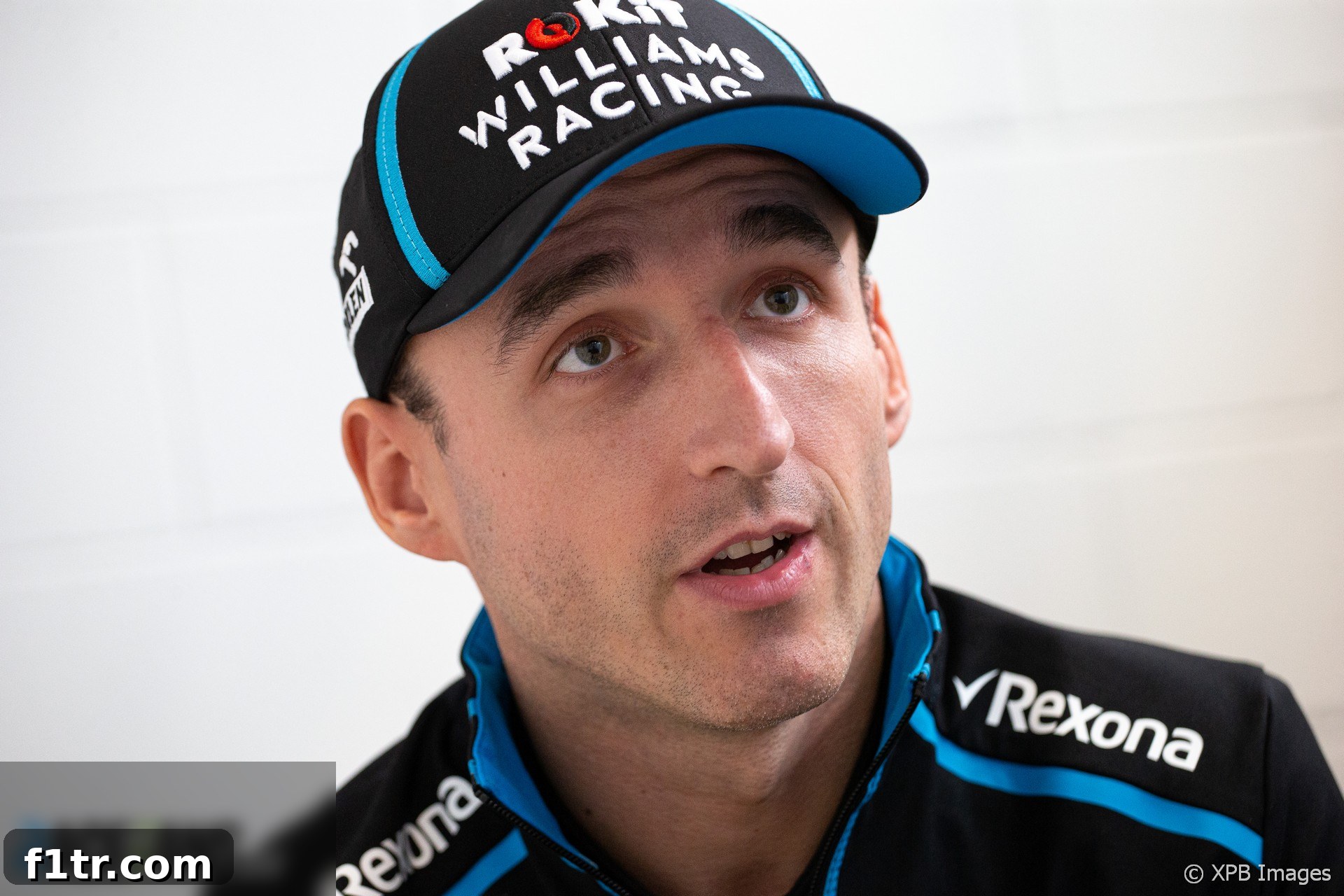
Robert Kubica’s Potential Pivotal Role at Haas F1: Shaping the Future with 2021 Regulations
The Formula 1 paddock is abuzz with speculation as the Haas F1 Team awaits a crucial decision from seasoned driver Robert Kubica. Team Principal Guenther Steiner has confirmed that the American outfit has offered Kubica a significant role within their simulator program for the upcoming year, primarily focused on the development of their 2021 challenger. This potential alliance could prove to be a strategic masterstroke for Haas as they navigate the complex landscape of evolving F1 regulations and seek to elevate their performance.
The Waiting Game: Haas and Kubica’s Strategic Crossroads
Kubica, whose tenure with Williams Racing concluded at the end of the 2019 F1 season, is understood to be carefully considering multiple options for his future in motorsport. Among these is a compelling offer from Haas, which is rumored to include not only extensive simulator work but also potential participation in some free practice sessions during the 2020 season. This blend of virtual and real-world involvement would allow Kubica to maintain a strong connection to F1 racing while contributing his invaluable experience to a team eager for technical advancement.
Guenther Steiner expressed a clear desire for a prompt resolution, acknowledging the time-sensitive nature of such decisions in Formula 1. “At the moment, we’re in a bit of a holding pattern,” Steiner commented recently. “There haven’t been any major developments over the last couple of weeks, but we remain hopeful for some news very soon, perhaps even next week.” The Haas boss conveyed a sense of urgency, yet also respect for Kubica’s methodical approach.
Kubica’s Valuable Expertise and Deliberate Decision
Steiner elaborated on the current status, emphasizing that the ball is firmly in Kubica’s court. “This is primarily a decision that rests with Robert,” he explained. “He needs to evaluate what path he wants to take for his career, and we are patiently waiting for his deliberation. It’s a significant decision for him, and I completely respect his need to take his time and consider all aspects thoroughly before committing.”
Robert Kubica’s journey in Formula 1 has been nothing short of extraordinary. From his promising debut and Grand Prix victory to the life-altering rally accident that nearly ended his career, his subsequent return to F1 with Williams was a testament to his unparalleled determination and resilience. His deep understanding of car dynamics, combined with his unwavering work ethic, makes him an exceptionally attractive asset for any team aiming for technical progression. His ability to provide precise and consistent feedback from the simulator and, potentially, from actual track sessions, would be invaluable for Haas, especially as they tackle fundamental design philosophies for future cars.
Haas’s Imperative: Balancing Present and Future Development
The proposed role for Kubica extends beyond merely assisting with the 2020 car; it heavily involves the foundational development of Haas’s 2021 contender. The impending overhaul of Formula 1 regulations for 2021 represents one of the most significant changes in the sport’s recent history, encompassing new aerodynamic philosophies, standardized parts, and a long-awaited budget cap. For a team like Haas, which has often operated with leaner resources compared to manufacturer-backed giants, getting ahead of the curve in 2021 development is not just an ambition – it’s a necessity for long-term competitiveness.
The Haas F1 Team faced considerable challenges with its 2019 car, the VF-19, which proved difficult to understand and extract consistent performance from. This experience has undoubtedly underscored the critical importance of a robust development pipeline and effective correlation between simulation tools and on-track performance. Securing a driver of Kubica’s caliber for their simulator program would directly address this need, providing a seasoned reference point and accelerating the feedback loop essential for crafting a successful 2021 chassis.
The Criticality of Simulator Programs in Modern F1
In modern Formula 1, the simulator is no longer just a training tool; it’s a vital, integral part of car development. Teams invest heavily in these sophisticated rigs, which can replicate track conditions, car behavior, and various setup changes with remarkable accuracy. A highly skilled simulator driver can spend countless hours virtually testing new components, optimizing aerodynamic configurations, and refining suspension settings long before a physical part is ever manufactured or taken to a real track. This process is crucial for efficiency, cost-saving, and maximizing the limited track time available during Grand Prix weekends.
Kubica’s profound technical insight, garnered from years of top-tier racing and intricate car development, would allow him to provide feedback that transcends simple lap times. He can articulate nuanced feelings about vehicle balance, tire degradation, and the precise impact of minute setup adjustments. This level of detail is precisely what Haas needs to bridge any gaps in their understanding of the car’s behavior and ensure that their 2021 design is fundamentally sound from its inception.
Navigating the 2021 Regulatory Shift: A Game-Changer
The 2021 regulations are designed to foster closer racing, reduce the performance gap between teams, and create a more sustainable financial model for the sport. This “reset” offers a unique opportunity for smaller, agile teams like Haas to potentially close the performance deficit to their larger rivals. However, seizing this opportunity requires immense focus, significant resource allocation, and a clear developmental strategy from an early stage. Teams are grappling with how to effectively split their engineering resources between continuing development on their 2020 cars and dedicating sufficient attention to the entirely new 2021 project.
Steiner confirmed that Haas is actively addressing this dual challenge. “We made a decision a few weeks ago on how we will approach this,” he stated. “Currently, our immediate priority is to ensure we create the best possible 2020 car. Simultaneously, we’ve allocated a dedicated group of individuals to begin work on the 2021 project. The plan is that early next year, we will definitively decide how quickly and aggressively we transition more of our resources towards the 2021 car.” This strategic balancing act highlights the demanding nature of F1 development and the importance of having skilled personnel, like Kubica, ready to contribute to both short-term performance and long-term vision.
Guenther Steiner’s Strategic Vision and Urgency
The outspoken Guenther Steiner is known for his pragmatic approach and direct communication. His willingness to openly discuss the possibility of Kubica joining Haas underscores the team’s genuine interest and the perceived value of the Polish driver’s contribution. Steiner’s concern about “time running out” before the new year reflects the relentless pace of F1 development and the necessity of finalizing key personnel for the upcoming season’s various programs. He has also confirmed that the team has a contingency plan in place should Kubica decide against taking the role, demonstrating a proactive management style that is always prepared for different outcomes.
Securing a high-profile, experienced driver like Kubica, even in a simulator capacity, would not only bolster Haas’s technical capabilities but also provide a valuable psychological boost. It would signal the team’s ambition and commitment to improving its standing within the competitive F1 hierarchy. The reputation of its simulator program, and by extension its car development capabilities, would undoubtedly be enhanced by the involvement of a driver with Kubica’s credentials and recent F1 race experience.
Looking Ahead: Implications for Kubica and Haas
For Robert Kubica, a role at Haas offers a compelling opportunity to remain deeply embedded within the Formula 1 ecosystem. It allows him to continue applying his vast technical knowledge and driving skills, even if not directly in a race seat. His input, particularly on the 2021 car, could fundamentally shape Haas’s fortunes in the new regulatory era. This could also potentially open doors for future opportunities, keeping him on the radar of F1 teams for other roles or even a surprise return to competitive driving if circumstances align.
For the Haas F1 Team, the decision by Kubica holds significant weight. His expertise would be a critical component in ensuring that their 2021 chassis is not only competitive but also fundamentally sound, avoiding the pitfalls encountered with previous designs. As the sport moves into an exciting new chapter, the strategic decisions made now, particularly regarding personnel and development priorities, will be instrumental in defining which teams emerge as contenders and which are left behind. All eyes remain on Robert Kubica as his choice will undoubtedly have ripples across the F1 paddock, especially within the confines of the Haas F1 Team garage.
Explore more articles from the 2019 F1 Season